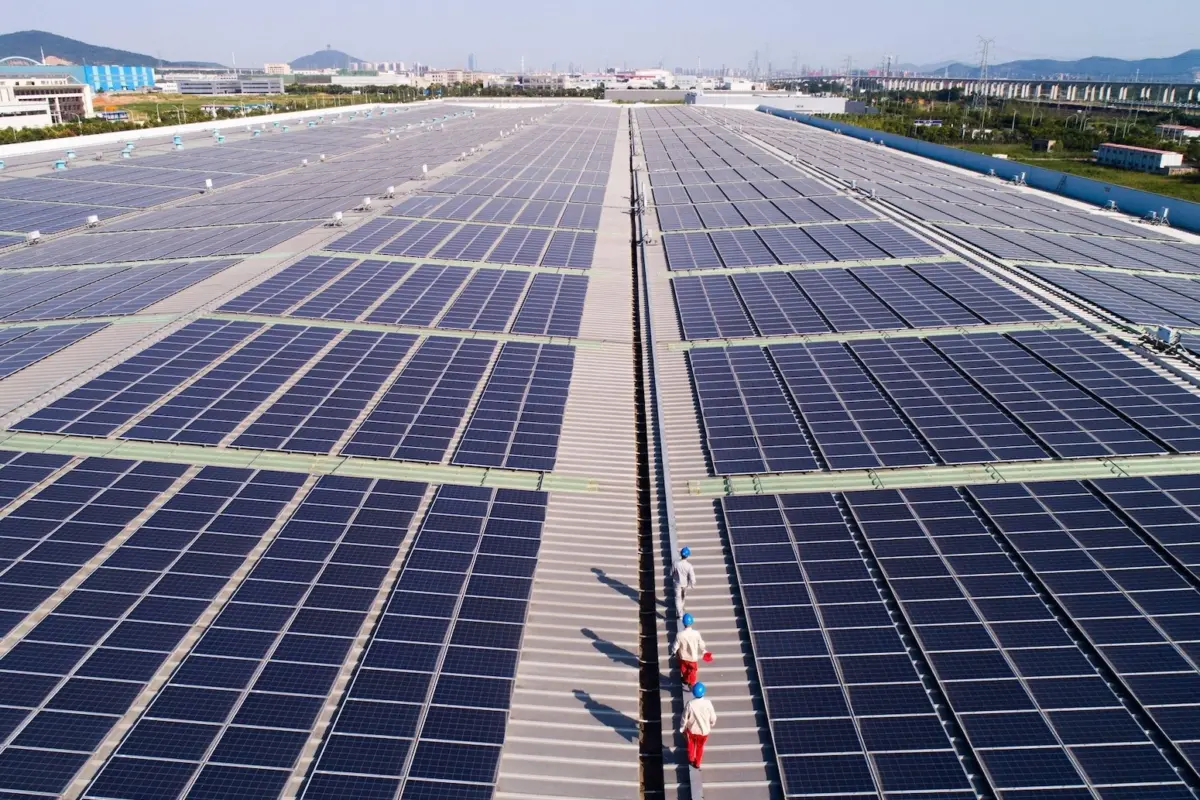
Solar power generation across the United Kingdom reached unprecedented heights during the summer of 2026, fueled by a combination of intense heatwaves, prolonged clear skies, and a rapidly expanding national solar infrastructure. According to new comprehensive analysis published by Carbon Brief, the nation’s solar farms and rooftop installations produced a collective 8.8 terawatt-hours (TWh) of electricity over the months of June, July, and August, marking a significant milestone in the country’s ongoing transition toward renewable energy.
This surge in green energy output unfolded against the backdrop of what meteorological agencies have provisionally confirmed as the hottest summer in the UK on record. The season was characterized by five distinct heatwaves occurring between May and August, driving up temperatures and pushing energy demand patterns into sharp focus. Data from the Met Office indicated that the summer of 2026 was the sixth sunniest on record, delivering more than 620 hours of sunshine overall. England and Wales, which bore the brunt of the most extreme atmospheric conditions, experienced their second-sunniest summers in recorded history.
The anomalous weather patterns began early. June 2026 went down in meteorological archives as the hottest June in England since records began back in 1884, according to official Met Office data, while Wales and the wider UK registered their second-warmest Junes. The heat was closely followed by exceptional dryness. July proved to be the driest month for England and Wales since records commenced in 1836. Certain parts of London recorded virtually no precipitation throughout the entire month, while locations such as Wisley in Surrey endured an extraordinary dry spell lasting 62 consecutive days. Temperatures ultimately peaked at a blistering 38.1 degrees Celsius at Kew Gardens in London on August 13.
Climatologists have emphasized the anthropogenic fingerprint behind these extreme meteorological events. According to Met Office assessments, the record-breaking mean temperatures observed throughout the summer were made approximately 130 times more likely by ongoing climate change.
While sustained periods of extreme heat can occasionally reduce the operating efficiency of certain types of photovoltaic solar panels, the sheer abundance of daylight hours and exceptionally high levels of solar irradiation during the 2026 summer more than compensated for any thermal efficiency losses. Consequently, solar power generation across Great Britain—encompassing England, Scotland, and Wales, while excluding Northern Ireland due to its separate all-Ireland electricity system—surged by 23 percent compared to the same three-month period in 2025. Furthermore, this summer’s output was double the level of solar generation recorded during the summer of 2021.
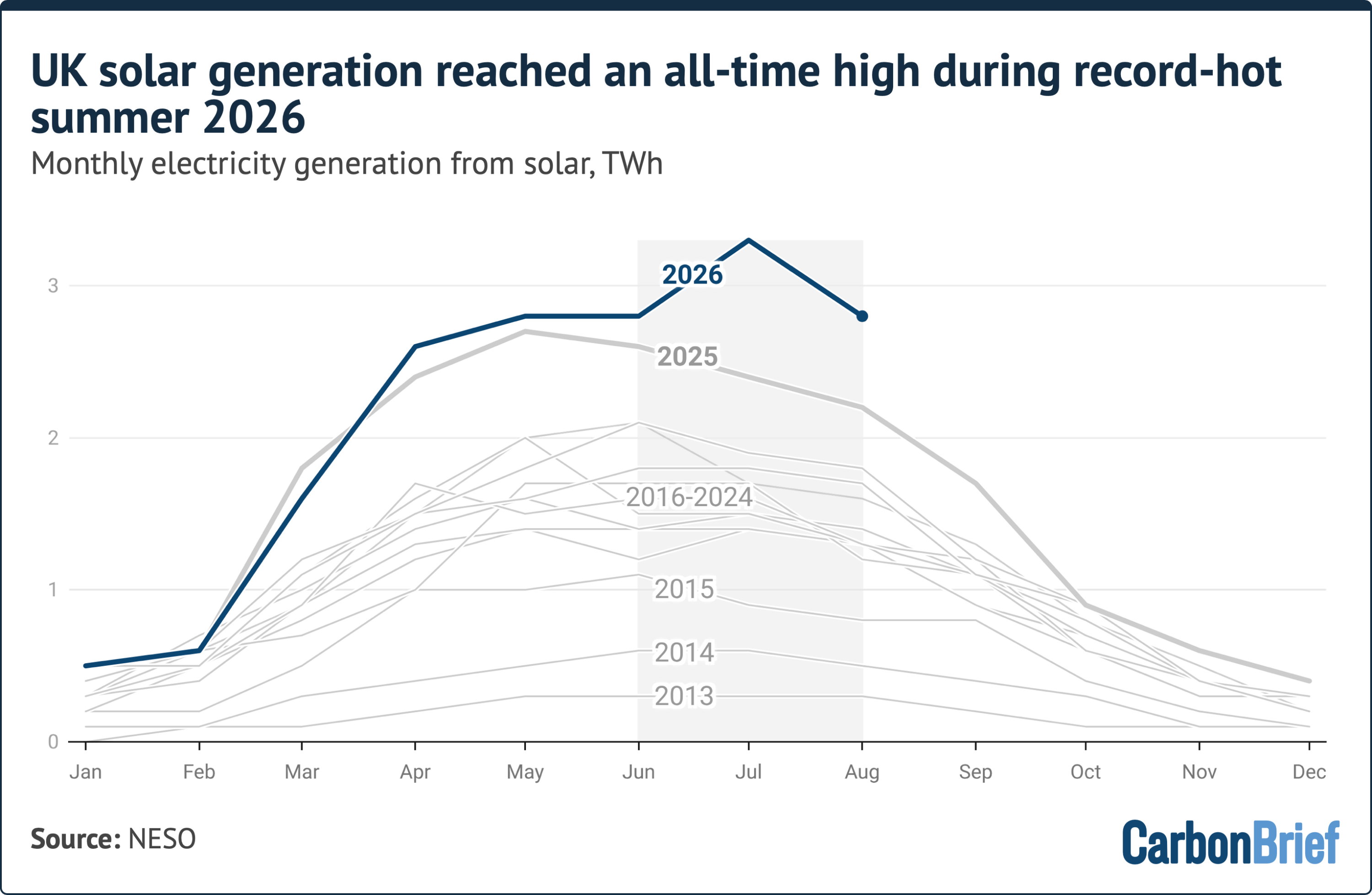
Every individual summer month broke previous historical boundaries. June, July, and August each established new monthly generation records. July emerged as the most productive calendar month in history for UK solar power, yielding 3.3 TWh of electricity and successfully meeting roughly 15 percent of the country’s entire electricity demand for that month. By the conclusion of August, cumulative UK solar generation for the year 2026 had already reached 17 TWh, representing a 13 percent increase over the same point in the previous year.
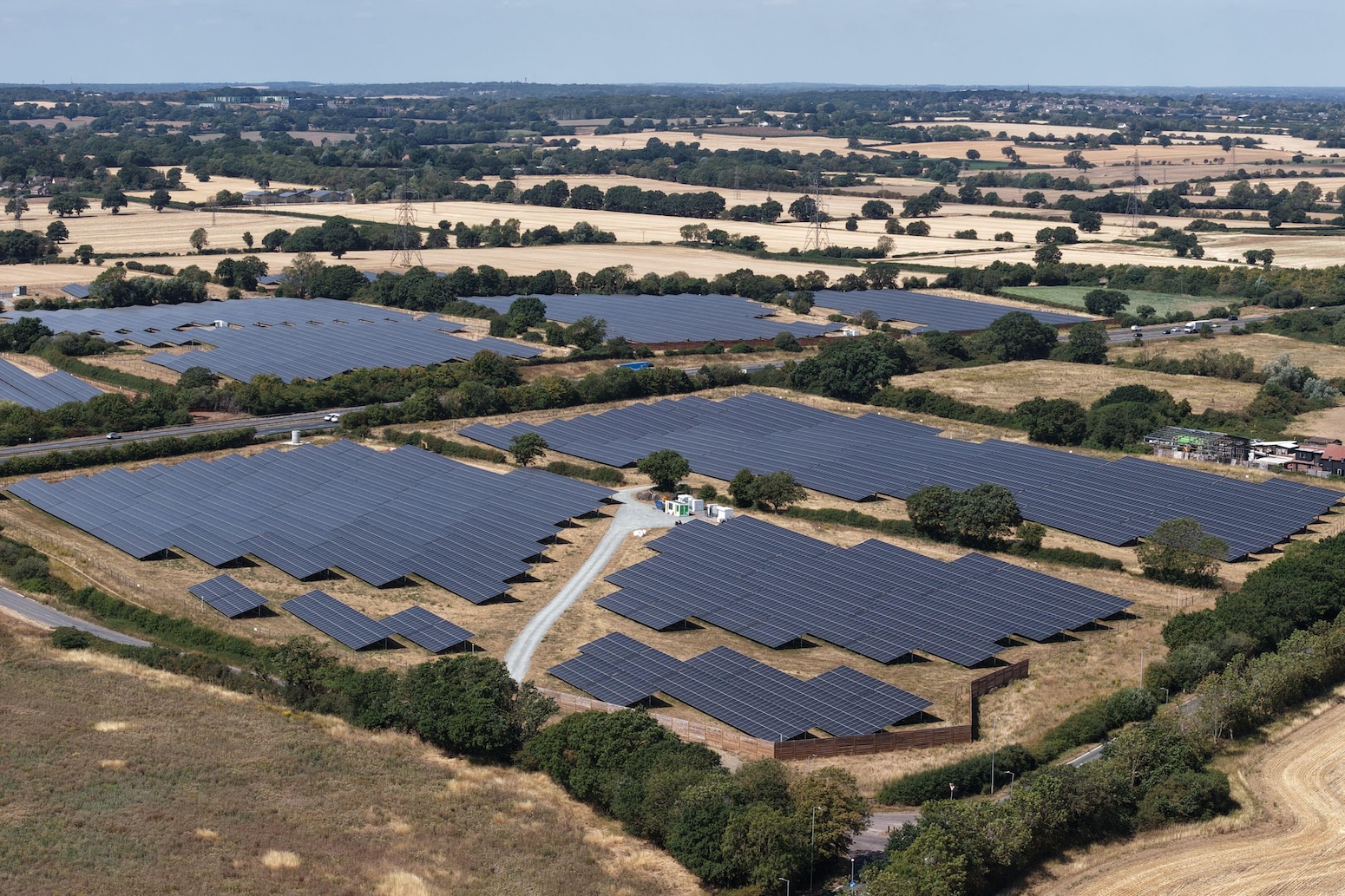
Industry experts point out that this remarkable performance is not solely the result of favorable weather conditions, but also reflects a structural transformation in the UK energy landscape. The total volume of operational solar farms and domestic rooftop installations has grown substantially over recent years. Domestic rooftop setups alone now account for approximately 29 percent of the nation’s total solar capacity.
Government statistics released toward the end of the previous year showed that UK solar capacity reached 21 gigawatts (GW) by the third quarter of 2025, marking an 18 percent year-on-year jump. Updated figures from the University of Sheffield’s live tracking systems indicate that installed solar capacity has since climbed to nearly 24 GW.

This expansion has been heavily accelerated by a wave of private and residential adoptions. Official government figures show that nearly 172,000 new solar installations have been fitted across the UK since the beginning of 2026 alone. During July, the peak of the sunny season, more than 19,800 rooftop solar panels were installed nationwide—translating to a rate of one new installation every two minutes. Overall, nearly 1.7 million households across the UK are now equipped with rooftop solar systems.
The financial and economic benefits for these households have been substantial. Energy market analysis by Utility Bidder estimated that during the 26 official heatwave days recorded this summer—defined as periods of at least three consecutive days exceeding regional temperature thresholds set by the Met Office—UK households with rooftop solar arrays collectively avoided approximately 86.7 million pounds in electricity costs.
Chris Hewett, chief executive of the trade association Solar Energy UK, praised the milestone achievement in an interview with Carbon Brief. He noted that the unprecedented surge in generation was driven by a combination of clear skies and the continued, aggressive deployment of new capacity across the country. Hewett emphasized that this clean energy boom not only protected consumers with solar panels and domestic battery storage from runaway energy bills, but also played a crucial role in suppressing broader wholesale power prices. Without this substantial daytime contribution from solar power, Britain would have been forced to rely much more heavily on expensive gas generation to meet peak summer electricity demand.
Despite the shattering of monthly generation and seasonal output totals, the summer of 2026 did not break the record for half-hourly peak power output. That specific metric continues to stand at 15.2 megawatts, a record established earlier in the year on April 23, 2026, when favorable spring conditions aligned with high solar angles and cooler ambient temperatures. As the UK looks ahead to the remainder of the year, the performance of the solar sector during this historic summer underscores its growing importance in securing the nation’s energy future and insulating consumers from volatile fossil fuel markets.