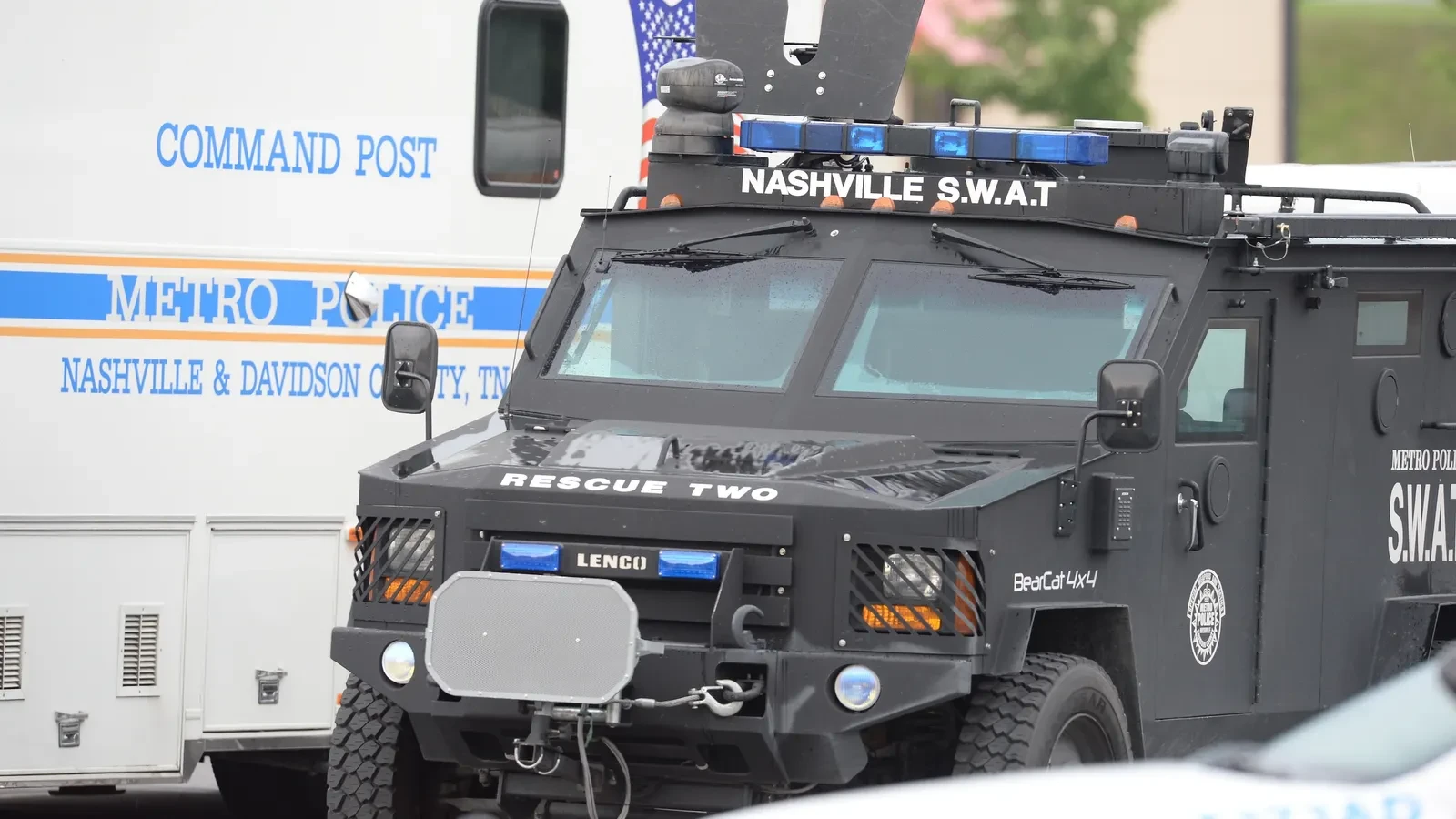
A federal court has struck down controversial federal requirements that tied millions of dollars in emergency preparedness grants to local election administration rules. The decisive ruling clears the path for more than $200 million in vital funding to flow directly to local governments for SWAT teams, bomb squads, specialized rescue operations, and other essential public safety initiatives.
The legal challenge was brought by a coalition of local jurisdictions, including Columbus, Ohio; the Metropolitan Government of Nashville and Davidson County, Tennessee; El Paso County, Texas; and Harris County, Texas. Filed in the U.S. District Court for the District of Columbia, the lawsuit targeted mandates imposed by the Federal Emergency Management Agency (FEMA) under the Homeland Security Grant Program (HSGP).
According to the plaintiffs, withholding the grants unless local agencies adopted specific federal directives on election administration forced municipal leaders to scramble for alternative resources. They argued that the sudden withholding of funds threatened to undermine their fundamental capacity to safeguard residents from terrorism and other catastrophic events by forcing them to divert critical human and budgetary resources away from emergency preparedness.
The court ultimately vacated the election administration conditions and FEMA’s implementing guidance memorandum. The judicial review concluded that these mandates violated the Administrative Procedure Act and significantly exceeded the agency’s statutory authority.
In the ruling, the court emphasized that requirements concerning the mechanics of elections fall well outside the core statutory purpose of preparing for or responding to acts of terrorism. The judge highlighted that conditions relating to election administration issues—such as the specific form of ballots, auditing and reconciliation rules, and the eligibility of voters and poll workers—have no direct nexus to homeland security preparedness grants designed for tactical response and counter-terrorism.
High Stakes for Local Emergency Preparedness
Congress has consistently allocated between $1 billion and $2 billion annually for HSGP grants since the program’s inception in the wake of the September 11 attacks in 2002. These funds are designed to help state and local governments build, sustain, and deliver core capabilities necessary to prevent, protect against, mitigate, respond to, and recover from acts of terrorism and other high-consequence disasters.
For fiscal year 2026, the stakes for the participating jurisdictions were exceptionally high. Nashville is slated to receive approximately $3.8 million to support critical operations for its SWAT team, bomb squad, and helicopter rescue units. Harris County anticipates approximately $23 million earmarked for first responder training, tactical equipment, and emergency coordination. Meanwhile, Columbus expects approximately $3.6 million, which city officials planned to use for anti-drone technology and public safety preparations leading up to the 2028 Olympic Games.

Local leaders and municipal attorneys welcomed the judicial outcome, framing it as a major victory for intergovernmental cooperation and the rule of law. City officials expressed relief that public safety budgets would no longer be leveraged for extraneous policy requirements.
"Thanks to the court’s decision, Columbus’s law enforcement agencies will now see this funding with no political strings attached, as Congress intended," Columbus City Attorney Zach Klein said in a public statement following the ruling.
Harris County Attorney Abbie Kamin echoed those sentiments, emphasizing the collaborative effort required to challenge the federal mandates. In her statement, Kamin noted that the legal victory "is the result of cities and counties standing together against blatant federal overreach that jeopardized public safety."
FEMA Responds to the Ruling
Federal officials have indicated that they are evaluating their next steps in light of the judicial decision while maintaining a commitment to their overarching national security mission.

"FEMA is reviewing the court’s decision and will comply with the court’s order," Victoria Barton, associate administrator for FEMA’s Office of External Affairs, said in an email to Smart Cities Dive.
Barton added that the ruling does not diminish FEMA’s broader mission to support state and local partners in preventing, preparing for, protecting against, and responding to terrorism. She noted that the agency continues to support eligible physical and cybersecurity investments designed to protect critical infrastructure, including election systems, through appropriate channels.
With the legal hurdle cleared, local governments across the country can now integrate the anticipated grant allocations into their operational planning for the upcoming fiscal year. The resolution ensures that municipal police departments, sheriff’s offices, and emergency management agencies can maintain their tactical readiness without the looming threat of funding disruptions tied to election policy disputes.