
Flight disruptions are on a sharp upward trajectory across the United States in 2026, forcing millions of travelers to navigate an increasingly unpredictable aviation landscape. According to tracking data from FlightAware, U.S. carriers have canceled approximately 2% of all scheduled flights since the beginning of the year. This baseline places the current year on a troubling pace, registering the highest cancellation rate the country has seen since 2022.
At the same time, chronic delays continue to plague the nation’s airspace. Data compiled by aviation analytics firm Cirium reveals that roughly one in every four departures nationwide experienced a delay between the busy Memorial Day and Labor Day travel periods. While the vast majority of commercial flights still manage to leave the gate on time, delays and cancellations have become an unavoidable reality of modern air travel. These disruptions stem from a complex mix of recurring issues, including adverse weather events, mechanical malfunctions, scheduling bottlenecks, and unforeseen geopolitical and regional disruptions, such as recent airspace closures and travel restrictions in Mexico and the Middle East.
The fragility of the national air transportation network was thrown into sharp relief recently when passengers traveling along the East Coast encountered severe gridlock. A major air traffic control outage struck the Northeast’s busiest aviation hubs on a Monday, snarling schedules and rippling outward across the domestic network. Even as airports struggled to recover from that technical failure, forecasters warned of an impending threat: an unusually early Nor’easter poised to unleash severe weather conditions and trigger further widespread flight disruptions at major airports spanning the mid-Atlantic and New England regions.
The rising tide of cancellations and delays has forced both industry experts and frequent flyers to reevaluate how they approach travel planning. Understanding how to monitor flight trends, interpret airline data, recognize passenger rights, and respond swiftly to sudden operational changes has become essential for anyone stepping into an airport terminal.
How to Monitor Flight Trends and Anticipate Delays
In an era defined by routinely full flights and easily accessible data, aviation experts advise passengers not to wait passively for an airline to announce a problem. Travelers can monitor overarching flight trends across the country by utilizing FlightAware, which provides a comprehensive overview of daily operations in the sky. For a more localized look at bottlenecks, FlightAware’s "MiseryMap" tool focuses specifically on regional delays, offering a visual representation of where the system is breaking down.
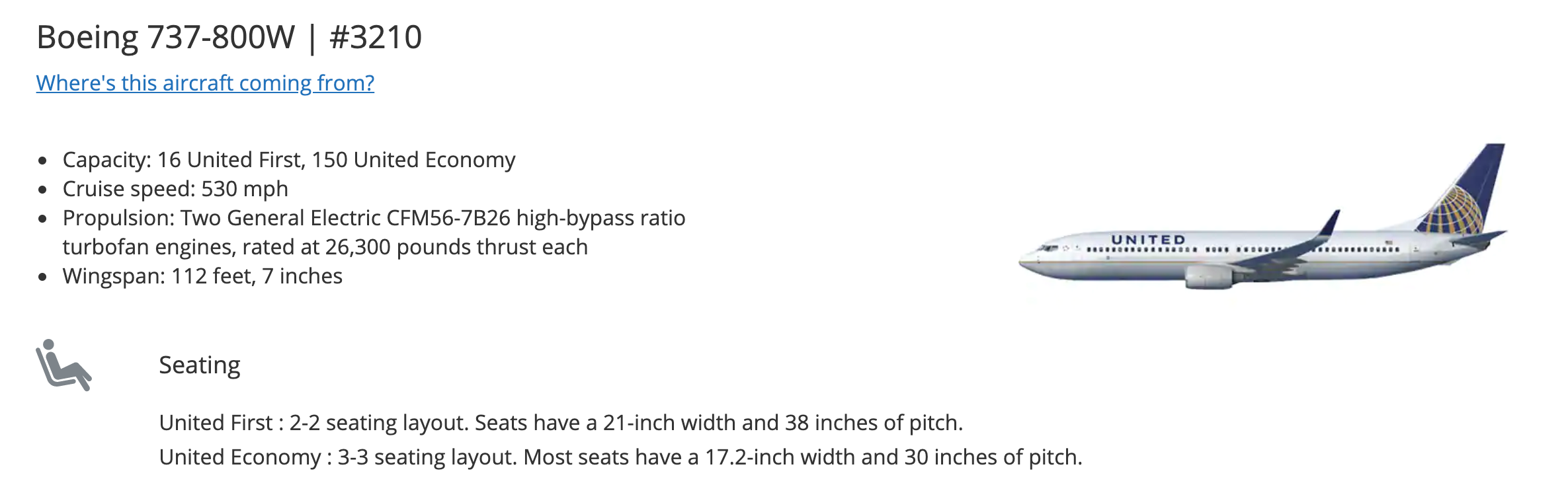
In the 24 hours leading up to a scheduled departure, passengers should manually verify the status of their specific flight directly through their airline’s website or mobile application. Whenever possible, travelers are encouraged to check the origin of the physical aircraft operating their route. Even if local weather conditions at the departure airport are clear and calm, a flight is likely to be delayed if the incoming plane is trapped in a storm or facing congestion elsewhere in the system.
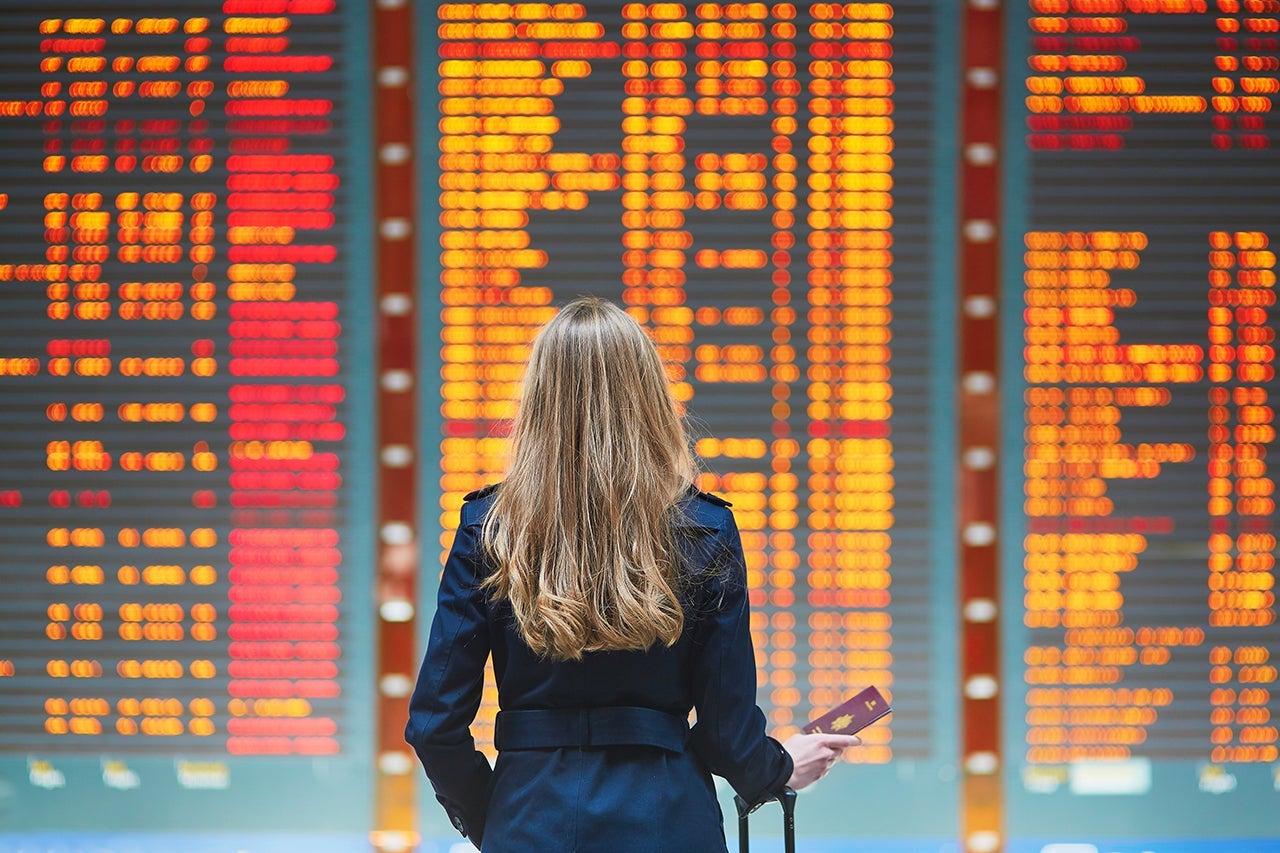
Airlines generally provide automated flight notification services that send text or email alerts regarding schedule changes, and carriers like American Airlines and United Airlines offer straightforward enrollment processes for these updates. In addition, third-party software such as the Flighty app has gained popularity among frequent travelers for its reliable "Where’s My Plane?" feature, which allows users to track the precise location and movement of their aircraft starting 25 hours before departure. Downloading the primary airline’s mobile app is also critical, as these platforms often display more up-to-date departure information than the physical status boards inside the terminal.
Navigating Airport Arrival Times Amid Uncertainty
Deciding when to arrive at the airport when a flight faces a potential delay is often a delicate balancing act. If a flight status is still listed as "on time" within the airline’s application, passengers should adhere strictly to their original schedule and arrive at the airport accordingly.
Even when an app indicates a delay, that status remains fluid and subject to change. In most cases, industry professionals recommend being at the airport and ready to board at the originally scheduled time. Numerous instances have been documented where flights initially listed as delayed managed to make up time and depart ahead of schedule, inadvertently leaving stranded passengers behind.
There are exceptions, however, particularly when a passenger receives formal, advance confirmation of a significant schedule change. For instance, travelers flying out of an airport that does not serve as a primary hub for their airline—meaning there are fewer spare aircraft and crew members available on standby—face a higher probability that a posted delay is definitive. Nevertheless, remaining near the airport is generally the safest course of action to guard against sudden operational shifts.
Bad weather frequently causes temporary ground stops at busy facilities. As soon as meteorological conditions improve and regulatory bodies lift the restriction, airlines move quickly to clear backlogs and get flights airborne. Being close to the gate ensures that travelers are ready to board if the schedule snaps back into place on short notice.
Understanding Passenger Rights and Federal Protections
Navigating a canceled or significantly delayed flight requires a clear understanding of passenger rights, which have undergone notable expansions in recent years under federal oversight. Under current regulations established by the U.S. Department of Transportation, passengers are entitled to an unconditional cash or credit refund if their flight is canceled or significantly altered, regardless of the underlying reason for the disruption.
For domestic flights, a significant change is defined as an arrival delay of three hours or more, while international flights must be delayed by six hours or more to trigger the same entitlement. If passengers choose not to travel and decline alternative transportation or travel credits, airlines are legally required to issue these refunds within seven days for credit card purchases and within 20 days for cash transactions. Furthermore, travelers stranded overnight away from home may be able to recoup auxiliary expenses, including meals, hotel accommodations, and ground transportation.
The Department of Transportation maintains a dedicated aviation consumer protection dashboard at flightrights.gov, which outlines explicit carrier commitments in the event of "controllable" delays and cancellations—disruptions that fall directly within an airline’s operational purview, as opposed to external events like severe weather. A review of these commitments reveals that certain airlines pledge more extensive support than others regarding overnight lodging, ground transportation, meal vouchers, and rebooking options on partner carriers. Familiarizing oneself with these baseline guarantees provides leverage when dealing with customer service agents and allows passengers to file formal complaints with the federal government if an airline fails to meet its obligations.
Mitigating the Impact of Severe Weather
When severe weather threatens to disrupt travel, proactive monitoring is essential. Checking meteorological forecasts several days before a trip, as well as the night before and the morning of departure, helps travelers gauge how oncoming storms might impact their origin and destination airports.
Airlines frequently issue official travel advisories ahead of major blizzards, ice storms, and heavy thunderstorm systems. These advisories provide a crucial window of flexibility, allowing passengers holding restrictive tickets—such as basic economy fares that are typically unchangeable—to alter their itineraries without incurring standard penalties. In certain instances, carriers may proactively modify or cancel flights, notifying passengers well in advance.
When a weather advisory is active, visiting the airline’s website or contacting customer service opens up options to reschedule travel by a few days in either direction without paying fare differentials. Travelers may also request a nonstop routing if an impending storm threatens to compromise a connecting flight. Without an official airline advisory, however, passengers seeking to alter their plans proactively may be required to cover any resulting fare increases out of pocket.
Managing Flight Disruptions and Rebooking Strategies
When a flight is canceled or severely delayed, waiting in long physical lines at airport service desks or enduring lengthy telephone hold times is rarely the most efficient path to resolution. Major commercial carriers generally provide self-service rebooking tools within their mobile applications, allowing passengers to secure new seats on alternative itineraries, including flights departing from nearby origin or destination cities.
However, automated system recommendations do not always yield ideal outcomes, particularly when flights are heavily booked and the only computer-generated option involves an inconvenient red-eye flight or a departure scheduled several days later. In such scenarios, finding an airline ticket agent directly at the terminal desk is often necessary. Travelers are advised to verify employee uniforms and identification tags to ensure they are speaking with a qualified ticketing representative rather than an outsourced contractor with limited rebooking authority.
When domestic call centers experience extreme hold times during widespread operational meltdowns, some passengers find success by dialing international customer service numbers listed on the carrier’s website, where queues are frequently shorter. Reaching out to airlines via official social media channels, such as X, or utilizing online chat and text support platforms can also expedite the rebooking process.
If the operating airline cannot provide a reasonable alternative within a practical timeframe, travelers can inquire about space on competing carriers. While weather-related disruptions on low-cost carriers or basic economy tickets offer fewer interline rebooking protections, presenting researched options directly to an agent can sometimes yield positive results.
For travelers with access to airline-operated lounges—such as a United Club or a Delta Sky Club—heading to these spaces can provide access to experienced agents managing shorter queues. While third-party facilities like American Express Centurion Lounges do not offer airline-specific ticketing assistance, they provide a more comfortable environment away from crowded terminal concourses to manage complex travel adjustments.
Exploring Alternative Remedies and Protections
In extreme situations where an airline cannot secure transportation home within 24 hours, passengers occasionally choose to purchase a brand-new ticket on another carrier out of pocket. While self-rebooking costs are typically not covered by airlines or standard insurance policies, obtaining a full refund for the original, unused ticket can help offset the financial impact.
Credit cards equipped with built-in trip delay or trip cancellation coverage can also absorb many unexpected expenses resulting from prolonged disruptions, even those triggered by weather events. Premium rewards cards frequently include these protections, provided the initial ticket was purchased using the card. While trip delay insurance rarely covers the cost of a brand-new commercial flight home, it frequently reimburses travelers for necessary hotel stays, ground transportation, and meals during extended waits.
Travelers who opt to cancel main cabin tickets ahead of anticipated disruptions can often secure future travel credits, though these policies generally exclude basic economy tickets and ultra-low-cost carrier fares. Securing airport hotel accommodations early during major system disruptions is equally vital, as nearby properties frequently sell out rapidly when thousands of passengers are left stranded.
Ultimately, industry professionals emphasize that decisiveness is paramount when navigating cancellations and delays. Procrastinating on switching flights or booking alternate lodging leaves travelers at the mercy of rapidly dwindling inventory as hundreds of fellow passengers vie for the same limited seats. While the vast majority of commercial flights operate smoothly, having a structured plan in place remains the most effective way to minimize the friction of modern air travel.