
As a new wave of transatlantic expansion sweeps across the United States, mid-sized American cities are increasingly finding themselves connected directly to Europe. Cities such as Columbus, Ohio, Nashville, and Phoenix are all set to gain brand-new nonstop routes to various European destinations in the upcoming summer season. For several of these markets, the incoming services represent their very first-ever transatlantic flights. This surge in connectivity is being driven by aggressive network updates from major international carriers, including Air France, American Airlines, Lufthansa, and United Airlines, all of which are deploying capacity to capture rising consumer demand.
Yet, amidst this flurry of network announcements and route launches, one notable name is absent from the list of carriers breaking new ground: British Airways. As the European airline that historically operates more flights to the United States than any other, its decision to sit out the latest round of brand-new city additions has raised eyebrows across the aviation industry. However, airline executives insist that the strategy is not a sign of slowing down, but rather a deliberate tactical pause designed to optimize existing operations and weigh the complex economics of long-haul fleet deployment.
Speaking on the sidelines of the Routes World conference in Frankfurt, Neil Chernoff, the chief planning and strategy officer of British Airways, explained the operational philosophy guiding the carrier’s network decisions. According to Chernoff, network planning is an ongoing exercise in resource allocation and capacity management.
"There’s always a balance between new routes and growing in existing markets," Chernoff told industry observers, emphasizing that the Oneworld alliance carrier must carefully weigh where it deploys its aircraft to maximize profitability and operational efficiency.
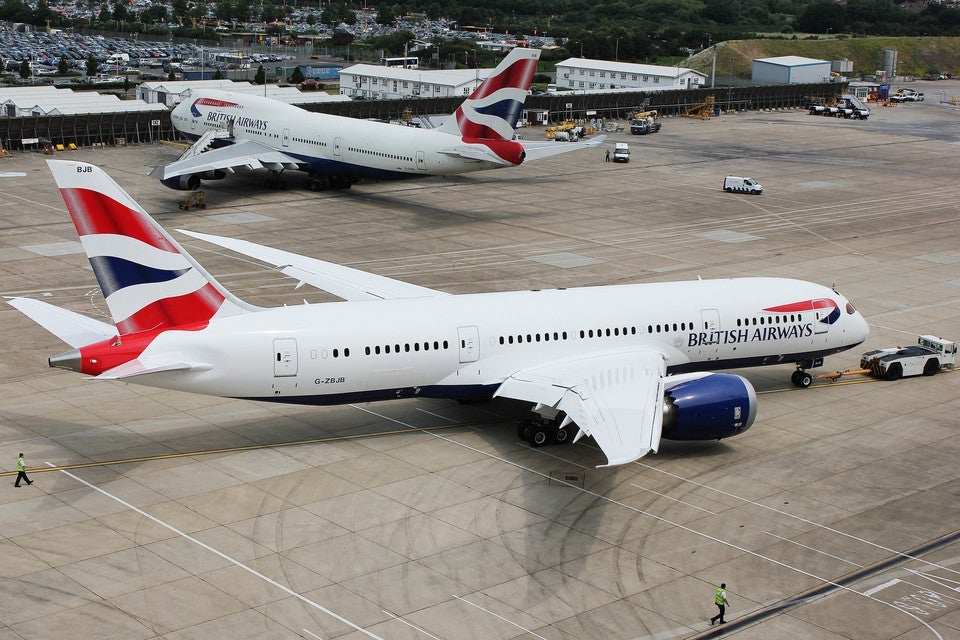
Rather than chasing the headlines with entirely new U.S. dots on its map for the upcoming summer season, British Airways has chosen to double down on its established footprint. The airline plans to increase frequencies from its primary hub at London’s Heathrow Airport (LHR) to four key U.S. destinations: Cincinnati/Northern Kentucky International Airport (CVG), Harry Reid International Airport (LAS) in Las Vegas, St. Louis Lambert International Airport (STL), and San Francisco International Airport (SFO).
This approach reflects a broader strategy of market maturation. British Airways has deliberately targeted the careful, gradual development of secondary U.S. gateways that it has recently integrated into its network. For instance, the airline introduced nonstop service to Cincinnati in 2023 and added St. Louis to its route map more recently in April. By increasing frequencies to these existing markets rather than spreading its fleet thinner across brand-new airports, British Airways aims to solidify passenger loyalty, improve connection reliability, and build sustainable demand.
Furthermore, Chernoff noted that British Airways cannot look at its U.S. network in a vacuum. The carrier operates as part of the International Airlines Group (IAG), requiring it to balance its transatlantic expansion plans with those of its sister airlines, Aer Lingus and Iberia. Within this multi-brand corporate framework, each carrier must coordinate its North American strategy to prevent internal cannibalization and ensure that the group’s overall capacity aligns with economic realities.
While Iberia has maintained a steady operational posture in the U.S. market without unveiling new destinations despite previously stated ambitious growth plans, AerLingus is heading in the opposite direction. To trim costs and improve financial performance, the Irish carrier is actively shrinking its U.S. footprint, cutting flights to Las Vegas, Denver International Airport (DEN), and Minneapolis-St. Paul International Airport (MSP). Against this backdrop of retrenchment by its corporate sibling, British Airways’ decision to reinforce its core American routes appears pragmatic and risk-averse.
More Secondary U.S. Cities Planned

Despite its current focus on frequency increases rather than route expansion, British Airways is acutely aware of the competitive pressures shaping the transatlantic landscape. The airline is watching closely as rivals like Air France, Icelandair, and Lufthansa carve out new territory in secondary American markets, proving that consumer appetite for point-to-point European travel outside of major coastal hubs remains robust.
"We think there’s still some opportunities in some secondary markets," Chernoff acknowledged, signaling that the airline’s dormancy in route additions is temporary rather than permanent.
While Chernoff declined to name specific cities that the airline is currently evaluating, he noted that population size serves as a critical metric and foundational consideration for British Airways when assessing new long-haul markets. Evaluating demographic data highlights several large U.S. metropolitan areas that currently lack direct service from the British flag carrier. According to U.S. Census population data, major population centers such as Columbus, Detroit, Indianapolis, Kansas City, and San Antonio all rank among the largest 40 metropolitan areas in the United States without British Airways flights.
At the same time, the airline does not operate entirely alone in the North American market. Several mid-sized U.S. cities—including Charlotte and Raleigh in North Carolina—receive direct service from London Heathrow through British Airways’ primary joint-venture partner, American Airlines. Through their deeply integrated transatlantic joint venture, which also includes Iberia and Finnair, and with potential future participation from Alaska Airlines, these carriers can closely coordinate flight schedules, align pricing structures, and combine commercial efforts across the Atlantic. This partnership allows the broader Oneworld alliance to serve numerous regional markets efficiently without requiring every member airline to fly its own metal into every city.
Even with these collaborative network advantages, British Airways takes immense pride in its standalone market reach. The carrier currently serves 27 destinations across the United States, maintaining the largest U.S. network of any European airline. Company executives remain fiercely protective of that market position and are monitoring rival expansion efforts with a watchful eye.
"We don’t want to lose out to Icelandair or anyone else," Chernoff stated, affirming the airline’s competitive resolve.
Waiting for More Planes
A major constraint governing British Airways’ ability to launch new long-haul routes lies in the composition and availability of its aircraft fleet. According to Chernoff, the airline strongly prefers to inaugurate service to new cities—particularly secondary and mid-sized markets where demand must be carefully tested—using its smallest long-haul aircraft type: the Boeing 787-8 Dreamliner.
Current fleet planning data indicates that British Airways operates a relatively modest sub-fleet of just 12 Boeing 787-8 aircraft. Furthermore, the airline currently lacks outstanding firm orders for additional frames of this specific variant, limiting its immediate capacity to spin up a multitude of brand-new thin routes simultaneously.
Instead of acquiring new aircraft specifically for immediate expansion, British Airways manages its existing assets through a cascading effect. As older or more mature markets experience traffic growth that justifies an upgauge, the airline transitions those routes to larger widebody aircraft, such as the Boeing 787-9 or the larger Boeing 777. This fleet shift frees up the smaller Boeing 787-8 units, allowing them to be redeployed to launch fresh destinations or increase frequencies where smaller capacity is required to maintain profitability during the initial development phase.

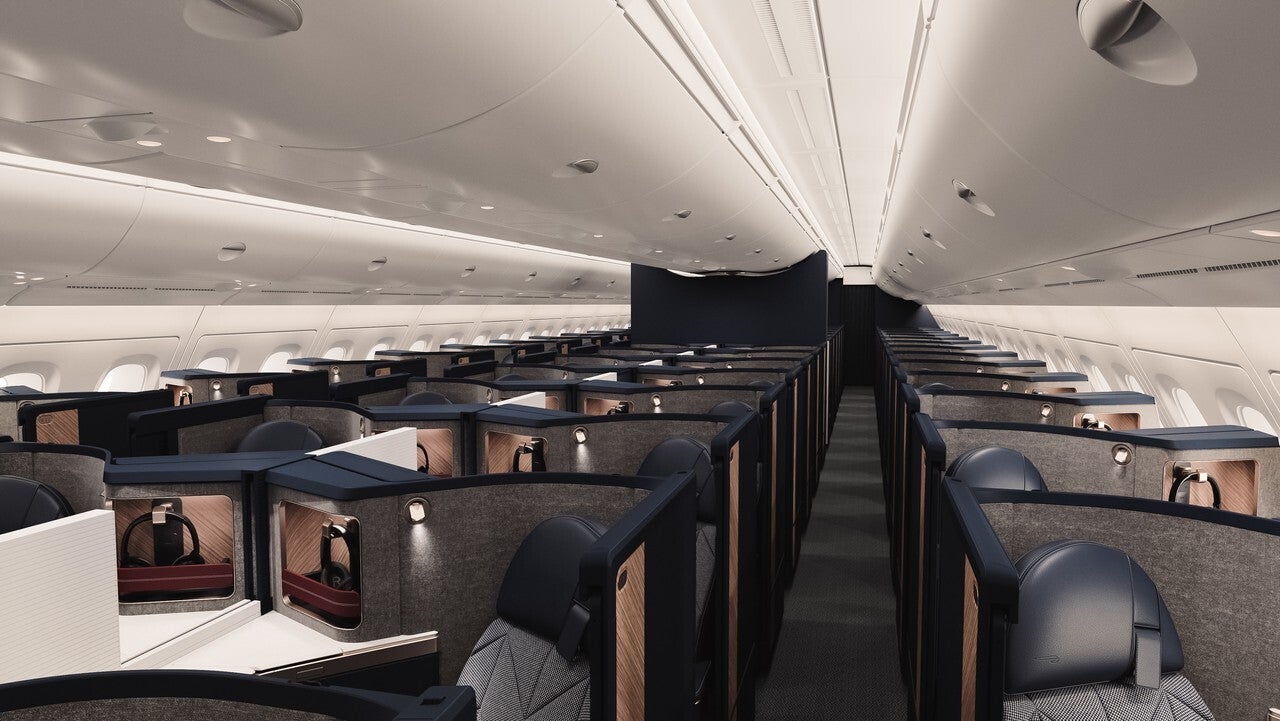
Inside the cabin, these foundational Boeing 787-8 aircraft are configured to seat a total of 204 passengers across three distinct classes of service. The layout features 31 of the airline’s updated business class suites, 37 seats in the premium economy cabin, and 136 standard economy seats, providing a balanced mix of premium and volume capacity well-suited for secondary market operations.
As the airline navigates these fleet realities and watches its competitors expand their reach, British Airways continues to refine its network strategy. By prioritizing frequency growth on stable routes and keeping a watchful eye on potential secondary markets, the carrier aims to protect its hard-earned position as the leading European airline in the United States while waiting for the right operational moments to expand further.