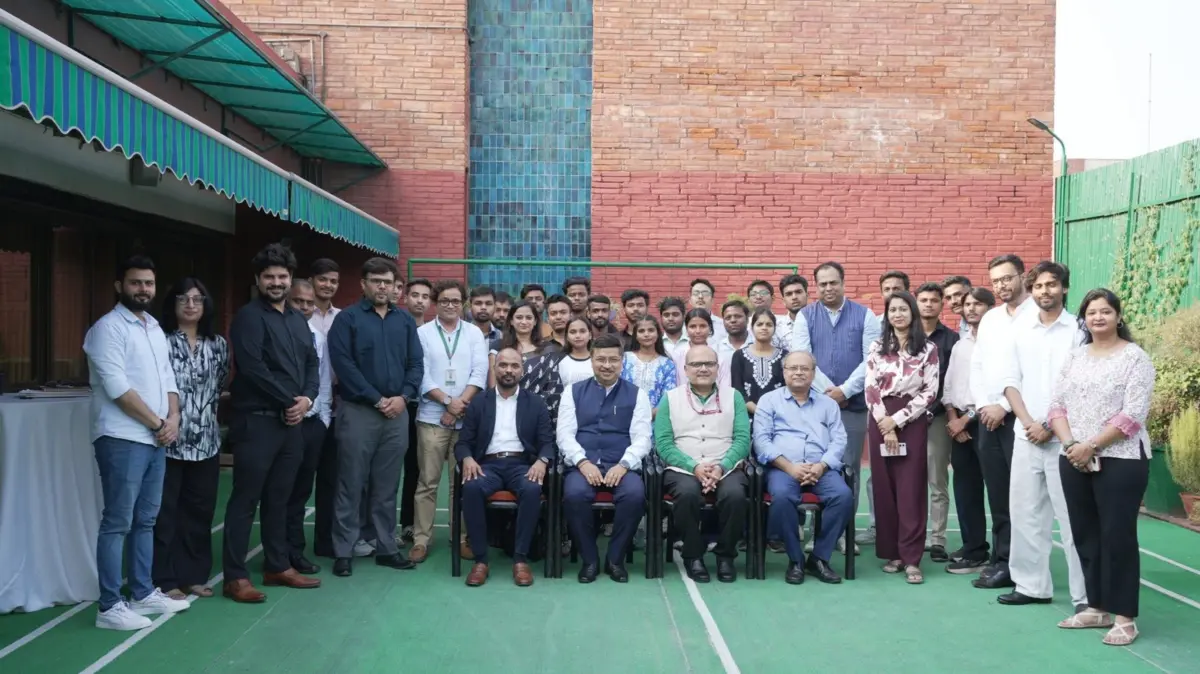
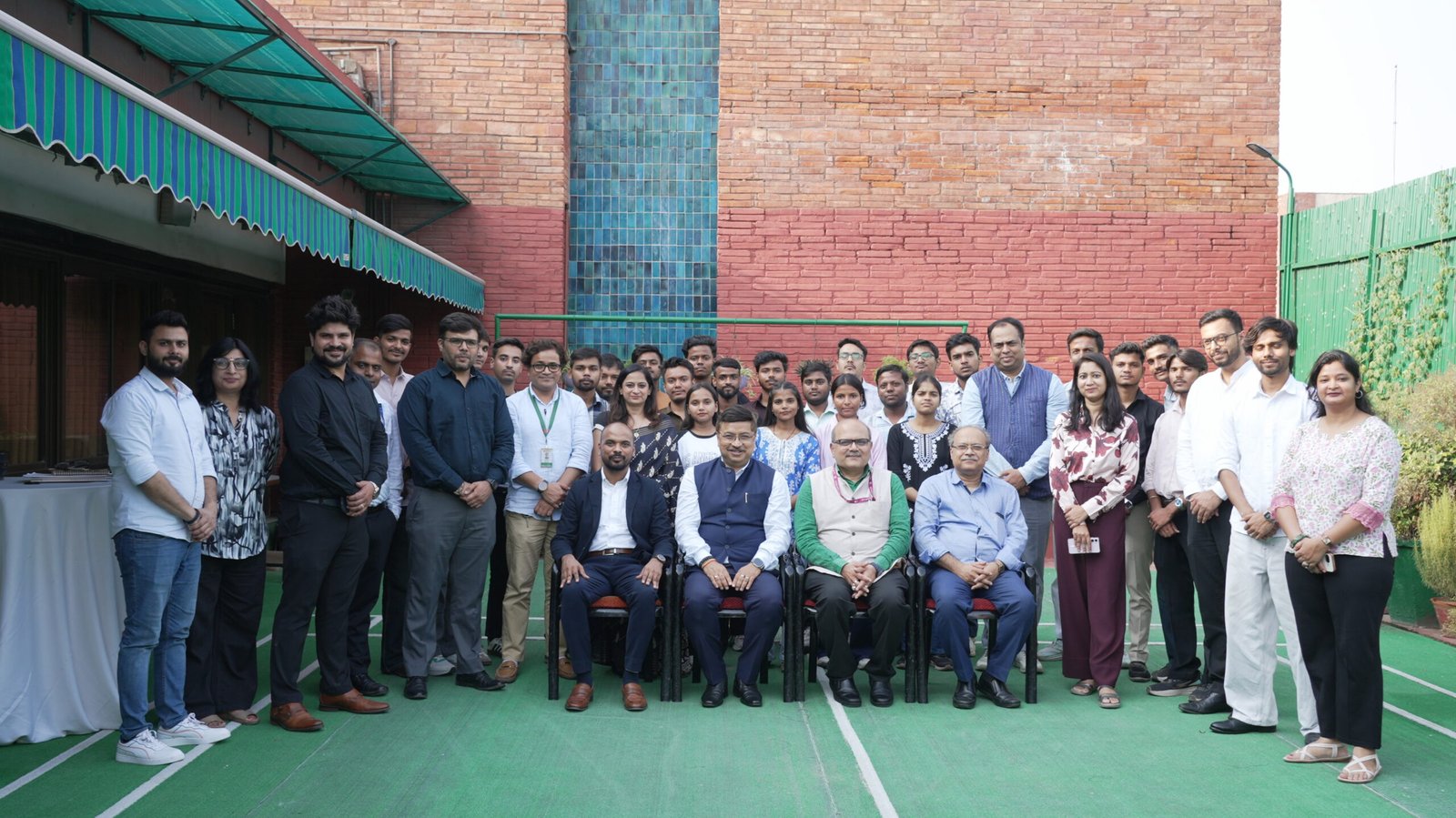
The Energy and Resources Institute (TERI), in collaboration with the National Bank for Agriculture and Rural Development (NABARD), successfully organized the valedictory and certificate distribution ceremony for their specialized training programme titled “Future-Ready EV Workforce: Skilling Rural Youth in Installation, Operations, and Maintenance.” Held at the TERI premises in New Delhi, the event marked a significant milestone in India’s ongoing efforts to foster green employment and build a robust technical foundation for the nation’s expanding electric mobility ecosystem.
The comprehensive training initiative was designed to address the pressing demand for a skilled technical workforce capable of supporting the rapid adoption of electric vehicles across the country. By focusing specifically on rural youth from the National Capital Territory (NCT) region, the programme aimed to bridge the persistent gap between industry requirements and local employment capabilities. Over the course of the training, participants were equipped with specialized technical proficiencies centred on electric vehicle charging infrastructure, including installation procedures, operational protocols, and routine maintenance practices. Beyond technical education, the curriculum was thoughtfully crafted to cultivate deep awareness regarding the emerging landscape of green livelihoods, contemporary career pathways, and sustainable economic opportunities within India’s evolving clean energy sector.
The high-profile valedictory ceremony served as a convergence point for a diverse array of stakeholders, drawing key representatives, experts, and administrators from TERI, NABARD, prominent industry bodies, and specialized training institutions. The proceedings featured a series of engaging sessions and presentations that underscored the core objectives of green skilling, evaluated the contextual background and tangible outcomes of the training initiative, and examined the expansive future prospects awaiting a specialized electric vehicle workforce. Speakers and participants alike deliberated extensively on the pivotal roles played by both TERI and NABARD in spearheading national initiatives aimed at promoting green skills, fostering institutional cooperation, and embedding long-term environmental sustainability practices into grassroots development frameworks.
The formal proceedings commenced with a welcome address delivered by Dr P K Bhattacharya, Director of the Knowledge Resource Centre at TERI. Dr Bhattacharya set the intellectual and practical tone for the day by emphasizing the paramount importance of targeted skill development in emerging green sectors. He noted that as India accelerates its transition toward cleaner energy alternatives, preparing a competent workforce at the grassroots level is essential to ensure that rural communities actively participate in and benefit from national technological advancements. Following the welcome address, Mr Dhananjay Raghunath Gajare, Assistant Manager at NABARD, took the stage to elaborate on the broader developmental objectives underlying green skilling initiatives. Mr Gajare shed light on the direct relevance of such training programmes in generating sustainable, resilient, and dignified livelihood opportunities for rural youth, positioning skill development as a cornerstone of inclusive economic growth.
Adding vital industry perspective to the academic and developmental dialogues, Mr Avinash, CEO of DIY Guru, delivered a focused address highlighting the urgent imperative of building a future-ready electric vehicle workforce to underpin India’s strategic pivot toward sustainable mobility. Drawing from DIY Guru’s extensive experience in hands-on technical training and specialized skill development since 2016, Mr Avinash emphasized the irreplaceable value of practical, experiential learning. He detailed how the curriculum exposed participants to critical domain areas such as fundamental EV technology, complex battery management and storage systems, charging infrastructure deployment, advanced maintenance protocols, and diagnostic techniques. He further asserted that bridging the existing industry skill gap through rigorous, industry-oriented training programs is indispensable for unlocking viable pathways to meaningful employment and self-sustaining entrepreneurship among the nation’s youth.
The keynote address for the ceremony was delivered by Dr Dipankar Saharia, Senior Fellow and Senior Director at TERI. In his comprehensive address, Dr Saharia underscored TERI’s enduring commitment to advancing green competencies and institutionalizing sustainability practices across diverse sectors. He articulated the vital need to proactively equip young generations with skills that directly align with contemporary environmental challenges and rapid technological evolution. Furthermore, Dr Saharia stressed that fostering sustainability must go hand in hand with championing resource efficiency, mitigating climate vulnerability, and building community-level climate resilience. He concluded his keynote by reiterating the critical necessity of multi-stakeholder collaboration, noting that seamless synergy among premier research institutions, government bodies, industry leaders, and vocational training organizations is the singular catalyst required to build a formidable, future-proof workforce capable of driving India’s comprehensive sustainability transition.
The formal valedictory address was delivered by Shri Nabin Kumar Roy, Chief General Manager of the New Delhi Regional Office at NABARD. Shri Roy elaborated extensively on NABARD’s multifaceted institutional role in championing green skilling initiatives and embedding sustainability into the fabric of rural development. He reiterated that green skilling is not merely an educational exercise, but a powerful instrument for youth empowerment and the creation of sustainable, future-proof livelihoods. Addressing the assembled trainees directly, Shri Roy urged them to dedicate themselves to becoming highly skilled professionals by continuously acquiring relevant technical and practical proficiencies. He explained that such dedication would not only significantly enhance their individual employability but also enable them to contribute meaningfully and substantively to India’s rapidly expanding green economy.
Drawing a direct connection to broader national youth empowerment frameworks, Shri Roy drew the participants’ attention to the Mera Yuva Bharat (MY Bharat) initiative. He warmly encouraged all trainees to register for and actively participate in the platform, emphasizing that it offers unprecedented avenues for youth engagement, continuous skill enhancement, and direct contribution to vital nation-building activities. Shri Roy also took the opportunity to publicly commend TERI for its exceptional efforts in successfully mobilizing ambitious students from across the entire Delhi-NCR region and bringing them together for this transformative learning journey. He expressed his deep appreciation for the visible enthusiasm, dedication, and active participation demonstrated by the students throughout the training duration, encouraging them to maintain their inquisitiveness, pursue ongoing green learning, and boldly explore the horizon of sustainable livelihoods and green entrepreneurship.
The ceremonial highlight of the event was the distribution of certificates to all successful trainees, formally recognizing their dedication, perseverance, and successful completion of the rigorous training programme. As they received their credentials, the trainees were given the floor to share their personal experiences, insights, and constructive feedback regarding the course. Their reflections provided a heartfelt testament to the depth of knowledge and practical exposure they had gained throughout the duration of the initiative, highlighting how the programme had transformed their understanding of the modern green economy and clarified their future career aspirations.
The formal proceedings and the day’s events drew to a close with a vote of thanks delivered by Ms Pallavi Singh, Fellow at TERI. Ms Singh expressed gratitude on behalf of the organizing institutions to all distinguished guests, industry partners, academic leaders, and, most importantly, the enthusiastic young participants whose dedication made the training programme a resounding success.