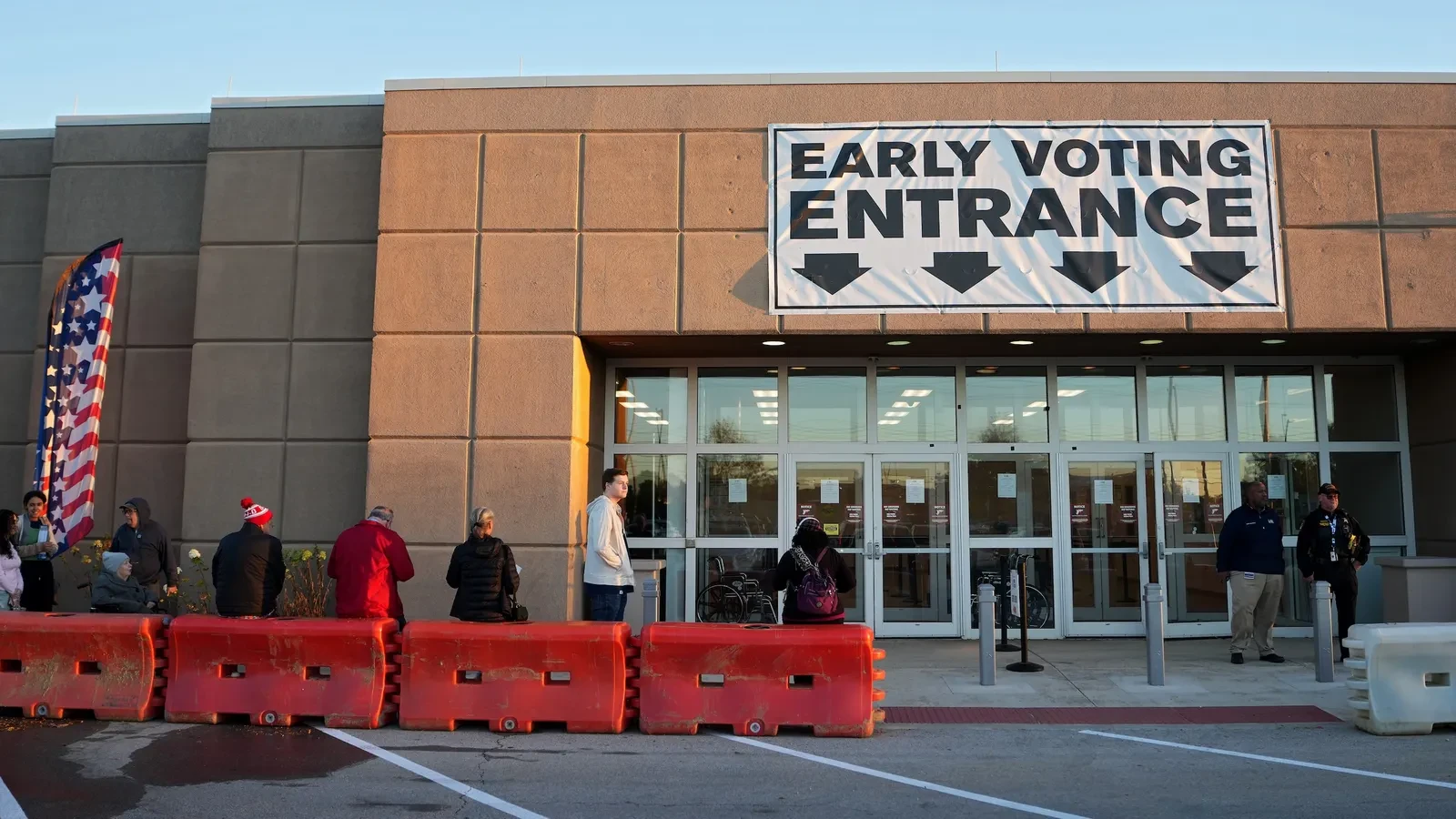
As communities nationwide grapple with aging infrastructure, shifting commuter habits, and the persistent demand for safer, more reliable transit networks, nearly two dozen local and county measures dedicated to supporting transportation are officially on the ballot this year for November 3. From bustling metropolitan centers to quiet rural townships, citizens across the country will be asked to weigh in on a wide variety of funding mechanisms, including proposed sales taxes, property taxes, municipal bonds, and specialized parcel taxes. These financial tools are designed to directly fund critical community improvements, ranging from expanded public transit systems and smoother roadways to safer streets, enhanced bicycle lanes, and modernized pedestrian infrastructure.
The upcoming elections highlight a growing reliance on local self-determination when it comes to funding the daily arteries of American commerce and community life. While federal and state funding streams often dictate major highway projects and large-scale infrastructure overhauls, local ballot measures allow residents to take the future of their immediate neighborhoods into their own hands. Whether it is fixing pothole-ridden county roads, establishing new bus routes to connect underserved neighborhoods, or creating protected bike lanes to protect vulnerable commuters, these local funding initiatives provide the dedicated revenue streams necessary to keep communities moving.
Industry experts emphasize that the broad appeal of these measures cuts across traditional political and geographic lines. "These local measures really matter," Jessica Grennan, executive director of the American Public Transportation Association Center for Transportation Excellence, told Smart Cities Dive in an interview discussing the significance of the upcoming votes. According to Grennan, transportation measures have consistently demonstrated a unique ability to resonate with voters regardless of location or political leanings. They perform well in big cities and rural communities alike, and they find success in both traditionally blue states and firmly red states, proving that mobility and safe infrastructure are universally shared priorities rather than partisan issues.
This widespread bipartisan and cross-regional appeal is not merely a theoretical observation; it is backed up by recent electoral trends. Out of 39 transit-related measures that have already been voted on earlier this year, an impressive 34 have successfully passed, according to data compiled by the Center for Transportation Excellence (CFTE). This remarkably high success rate underscores a growing public appetite for investing in local infrastructure, even in an economic climate where taxpayers are frequently cautious about any proposed increases to their financial burdens.
The successful measures implemented earlier this year showcase the diverse ways communities are choosing to fund their transportation futures. For instance, voters in Athens, Ohio, demonstrated their commitment to local mobility by approving a 0.2% municipal income tax increase dedicated to supporting transit services. In West Virginia, voters in Cabell County and the city of Huntington threw their support behind crucial property tax levies designed to keep their public transit systems operational and accessible. Meanwhile, on the West Coast, residents in California’s Sonoma and Marin counties overwhelmingly approved a 30-year sales tax extension, securing long-term, stable funding for regional transit corridors and infrastructure maintenance for decades to come.
Building on the momentum of these earlier victories, advocates and transit officials are approaching the upcoming November 3 elections with a strong sense of optimism. Grennan points out that the foundation of these successful campaigns lies in grassroots organization and direct community engagement. Across the country, dedicated volunteers are actively working behind the scenes to ensure voters understand what is at stake on their ballots.
"Volunteers are getting the message out," Grennan said, describing the tireless ground game that typically characterizes successful transit measure campaigns. "They’re talking to their neighbors. They’re knocking on doors. They’re going to meetings." This grassroots mobilization helps demystify complex tax proposals and bond measures, translating technical fiscal language into tangible community benefits, such as reduced traffic congestion, cleaner air, economic development, and safer routes for children walking to school.
As the political campaigns enter their final stretches and voters prepare to cast their ballots, the eyes of urban planners, transit advocates, and local government officials are firmly fixed on the horizon. The outcomes of these upcoming November votes will not only shape the physical and economic landscapes of the participating counties and municipalities for years to come, but they will also serve as a vital national barometer for how communities value public investment in mobility.
Smart Cities Dive will follow up with the results of the November ballots shortly after Election Day to analyze how these critical transportation and transit measures fared at the polls.