Balancing the demands of a career with the desire to explore the world has long been one of the defining challenges for modern travelers. For the growing global community of digital nomads, the daily routine often involves a frustrating cycle: spending precious hours hunting for a quiet corner in a crowded cafe, hunching over a cramped table in a hostel common room, or negotiating with short-term rental hosts who promise lightning-fast internet only for connections to collapse under the weight of basic work tasks.
These logistical hurdles, long accepted as an inevitable downside of location independence, are increasingly being addressed by a shifting travel infrastructure. In the wake of the post-pandemic expansion of remote work, a new category of accommodation has emerged globally. Blending the professional focus of a dedicated coworking environment with the communal atmosphere of a traditional hostel—minus the multi-bed dormitories—coliving spaces are reshaping how professionals live and work abroad. At the forefront of this movement is Outsite, a platform that has scaled from a single surf-and-work house in California into an international network catering to thousands of location-independent entrepreneurs and remote employees.
What is Outsite?
Founded in 2015, Outsite was established to bridge the gap between productivity and travel. The concept originated in Santa Cruz, California, designed initially for individuals seeking access to both outdoor recreation and professional workspace. Over the past decade, the network has expanded to encompass more than 50 locations worldwide, supported by a growing membership base exceeding 5,000 active participants.
While the properties are open to general bookings by any traveler, the platform operates primarily on a membership model designed for frequent remote workers. Individuals can secure access through an annual fee of $199 or a lifetime membership option priced at $499. These memberships unlock a suite of tiered benefits, including entry to members-only properties, discounted nightly rates, extended-stay promotions, flash-sale pricing, and community-focused resources such as job boards and regional networking events.
The booking process itself mirrors modern hospitality platforms. Users navigate the main portal, filtering prospective destinations by geographical preference or ambient atmosphere—ranging from coastal beach setups to urban hubs and mountain retreats—before reserving a private accommodation.
How Does Outsite Work?
Operationally, Outsite positions itself at the intersection of a boutique hotel and a shared office. Guests booking a stay secure a private bedroom, with the majority featuring en-suite bathrooms, while more economical configurations involve sharing a bathroom with a single adjacent guest.
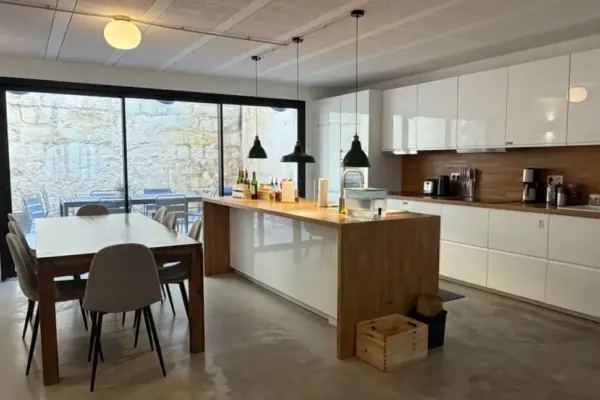
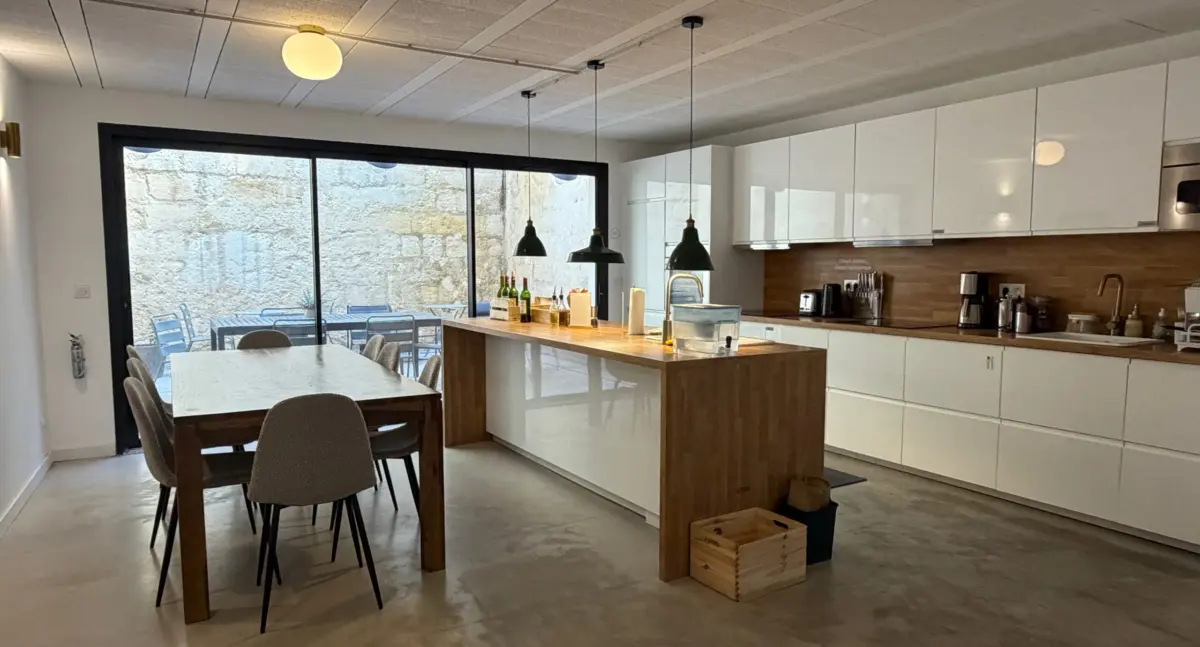
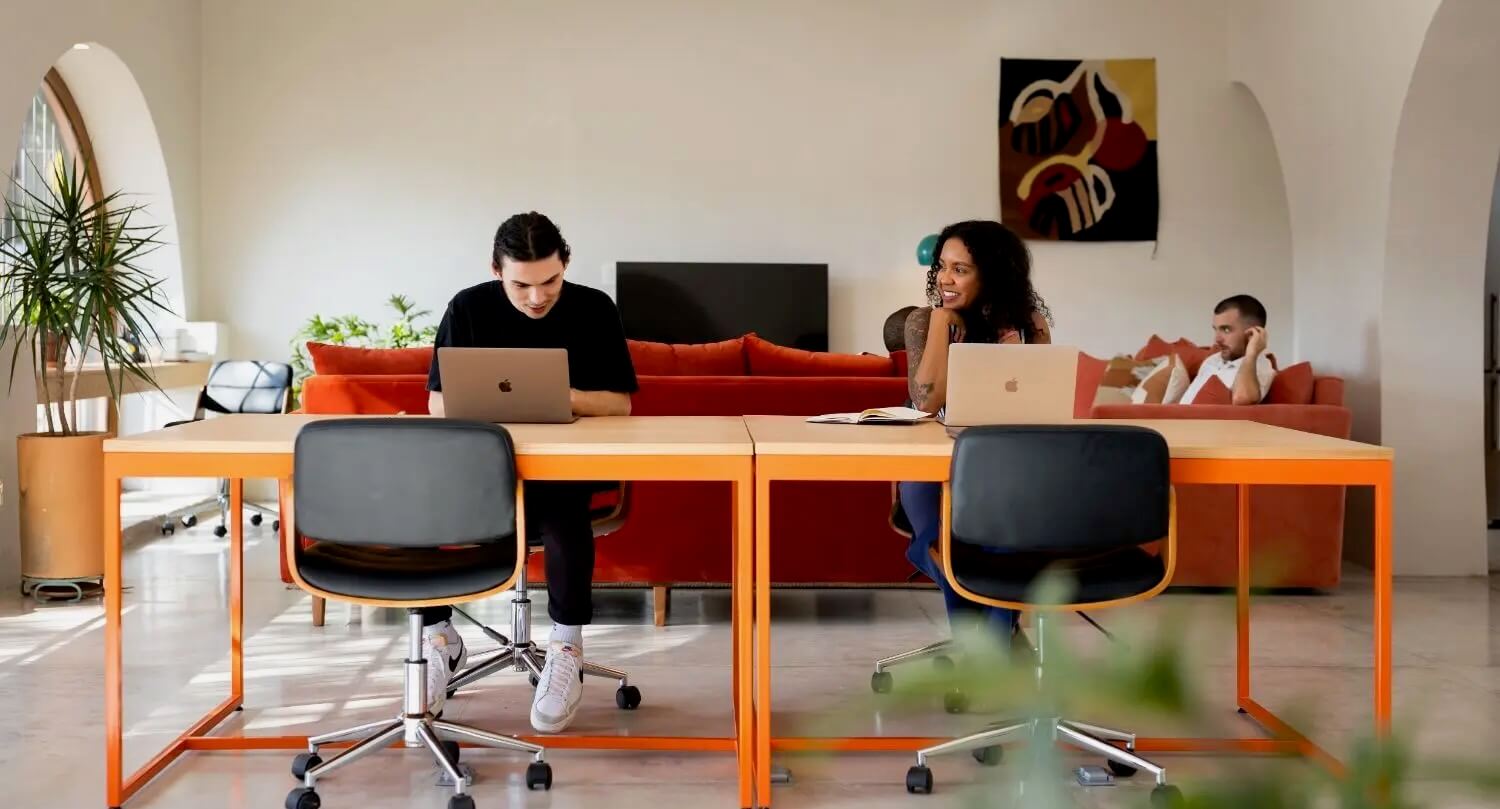
Beyond individual rooms, the properties emphasize expansive, professionally designed communal spaces. These typically include fully equipped chef-style kitchens, shared living rooms, outdoor patios, and, depending on the region, rooftop terraces or swimming pools. Crucially, every property integrates a dedicated coworking facility directly into the residence. These work areas are outfitted with ergonomic seating, abundant electrical outlets, external monitor setups, and high-speed enterprise-grade internet connections designed to facilitate uninterrupted professional focus.
The physical infrastructure is complemented by a structured social framework overseen by a dedicated community manager at each location. Prior to arrival, incoming guests are integrated into local messaging groups, while on-site managers coordinate regular social programming. Activities range from family-style group dinners and weekend excursions to Friday evening gatherings and morning wellness sessions, providing structured opportunities for professionals to counter the isolation frequently associated with solo remote work.
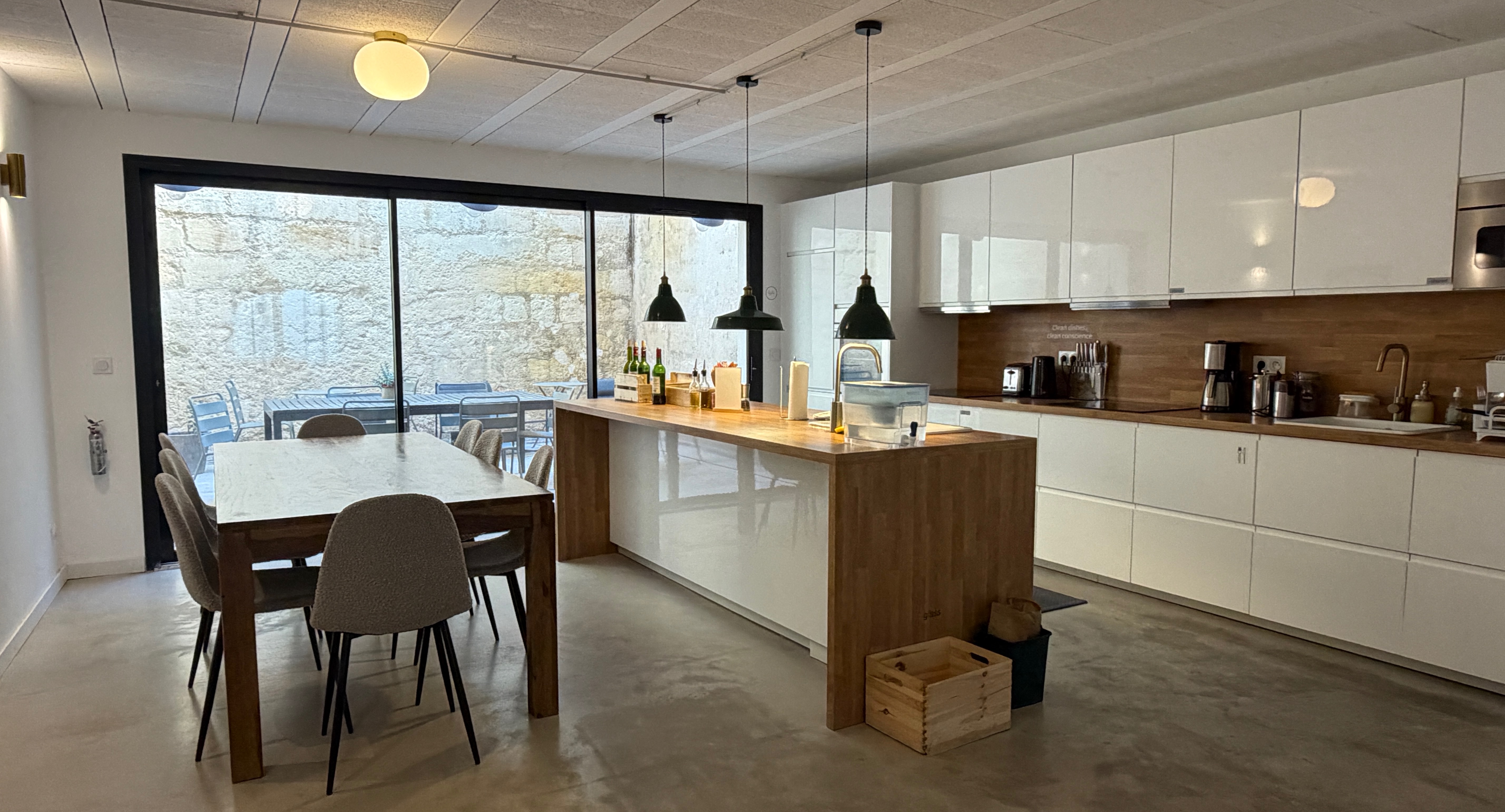
The Experience of Coliving: A Case Study in Bordeaux
Recent stays within the network, such as those documented in European hubs like Bordeaux, highlight the practical application of the coliving model. Properties are typically curated with modern furnishings, integrated laundry facilities, and supplemental wellness amenities like small fitness areas. Shared kitchens are maintained through daily cleaning services, providing extensive counter space and complimentary provisions such as coffee and tea.
Architecturally and interiorly, the spaces lean into natural light, indoor foliage, and regionally sourced art, deliberately avoiding the sterile environment typical of traditional corporate hotels. However, for most participants, the primary value proposition centers on the psychological and social environment.
Unlike standard tourist accommodations where guests maintain disparate schedules, a coliving space houses individuals bound by similar professional commitments. Because residents are balancing employment with travel—often staying for durations of two weeks or longer—the environment fosters a shared understanding regarding daytime productivity. This structural alignment allows travelers to maintain career momentum without forfeiting the camaraderie and community engagement traditionally found in youth-oriented backpacking routes.
Considerations for Travelers
Despite its growing popularity, the coliving model comes with specific trade-offs. It is positioned firmly outside the budget travel sector. Individuals accustomed to low-cost dormitory accommodations will find the pricing significantly higher, as guests are paying a premium for private quarters, guaranteed workspace infrastructure, and curated social management. Nevertheless, financial comparisons often reveal that when the cumulative expenses of an independent rental apartment and a separate monthly coworking membership are combined, coliving frequently matches or undercuts those alternative costs.
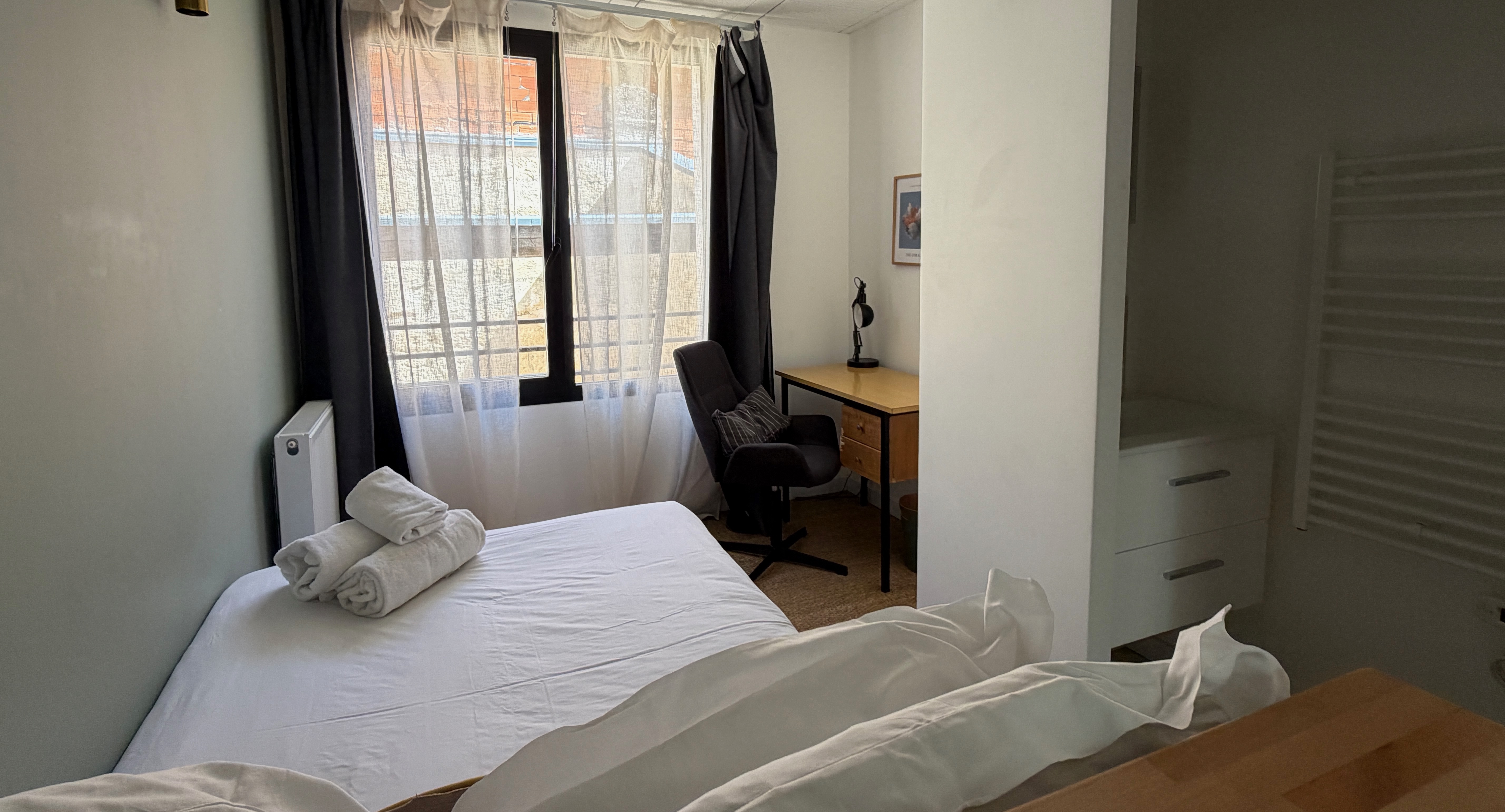
Additionally, high demand means properties in premier locations and peak seasons—such as summer months in European cities or winter periods in tropical destinations—tend to book out months in advance, limiting spontaneous travel planning for the platform’s most sought-after houses.
Frequently Asked Questions
Membership is not a strict prerequisite for booking, as non-members are permitted to reserve stays across the network. However, for those utilizing the spaces for extended periods, the annual membership fee is frequently offset by reduced nightly rates.
Regarding demographics, while there is no official age restriction beyond the baseline requirement of legal adulthood (18 to 21 depending on the jurisdiction), the clientele predominantly consists of working professionals in their late twenties, thirties, and forties. This creates an atmosphere that skews older and more career-oriented than traditional backpacker hostels.
Stay durations are generally flexible, with a standard two-night minimum at most properties to accommodate weekend travel, though certain regional markets enforce strict minimum stay requirements—such as 30-day rules—due to local housing regulations. Pet policies are uniformly restrictive; due to the shared nature of kitchens and communal living areas, pets are generally prohibited to maintain guest comfort and manage allergy concerns.