Balancing travel and remote work has consistently remained one of the most persistent challenges on the road. For the modern digital nomad, the daily routine is often a delicate and exhausting struggle: attempting to absorb local culture and sightseeing while frantically trying to meet deadlines in a functional, quiet environment. No professional wants to spend hours wandering city streets in search of an elusive coffee shop with reliable seating, let alone endure an establishment that is loud, uncomfortable, or unwelcoming to people lingering with laptops. It is a friction point that has defined the location-independent lifestyle for years.
Working from the road historically meant hunching over a cramped table in a chaotic hostel common room or entering into a high-stakes guessing game with a private short-term rental host who insisted their internet connection was remarkably fast, only for the traveler to discover upon arrival that it could not even load a basic email inbox. As the global shift toward remote work accelerated dramatically in the post-pandemic era, however, a significant evolution took place in the travel and hospitality landscape. A wave of dedicated coliving spaces emerged to bridge a critical market gap, ingeniously combining the functional infrastructure of a professional coworking environment with the vibrant, communal social atmosphere of a traditional hostel, while completely omitting the cramped, dorm-style basic amenities of the past.
These modern networks are engineered specifically for remote professionals and digital nomads who desire a comfortable, reliable place to live while executing their careers, but who also crave human connection. Remote work can frequently become an isolating endeavor precisely because individuals are executing their professional duties in solitude, moving from one anonymous hotel room to the next without a built-in community.
Today, the largest and most widely recognized platform operating in this global coliving sector is Outsite, a company boasting a diverse portfolio of beautifully designed properties situated in major cultural hubs, coastal havens, and mountain retreats around the world. A closer examination of the platform reveals how these spaces operate, what travelers can expect from the experience, and how they address the fundamental pain points of contemporary remote employment.
What is Outsite?
Founded in 2015, Outsite established itself as a global network of integrated coliving and coworking spaces meticulously tailored for remote workers, location-independent entrepreneurs, and digital nomads seeking a seamless blend of productivity and lifestyle flexibility. The enterprise had modest beginnings, originating as a single house in Santa Cruz, California, which was conceptualized as a haven for individuals who wanted to balance catching morning surf sessions with maintaining their professional careers.
In the years since its inception, the network has expanded considerably. Today, the organization supports thousands of active members and maintains dozens of locations spanning multiple continents. While the spaces are accessible to any traveler wishing to book a stay, the platform operates a tiered membership model that incentivizes long-term engagement. Travelers can opt for an annual membership fee or secure a lifetime membership, which unlocks a series of financial and logistical perks. These advantages typically include access to exclusive, members-only properties, complimentary weeks in newly launched destinations, deep discounts during flash sales, substantial reductions on extended stays, invitations to member mixers, access to internal job and sublet boards, and various lifestyle benefits.
The user experience is designed to be frictionless. Travelers simply navigate the platform’s digital interface, filter available properties by geographical destination or desired atmospheric vibe—such as beachside, urban metropolitan, or mountain-adjacent—and secure a private room tailored to their schedule.
How Does Outsite Work?
In practice, Outsite operates at the intersection of a boutique hotel and a professional coworking office. When a traveler books a stay, they are securing a private bedroom rather than a shared bunk. The majority of these rooms feature private en-suite bathrooms, though a selection of budget-friendly accommodations may involve sharing a bathroom with just one other guest, preserving a high degree of personal privacy that distinguishes the model from standard backpacking hostels.
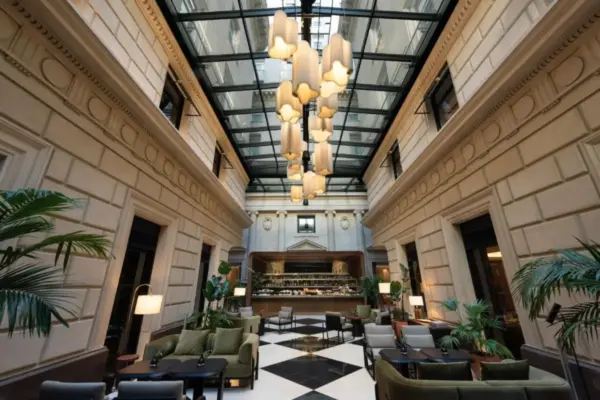
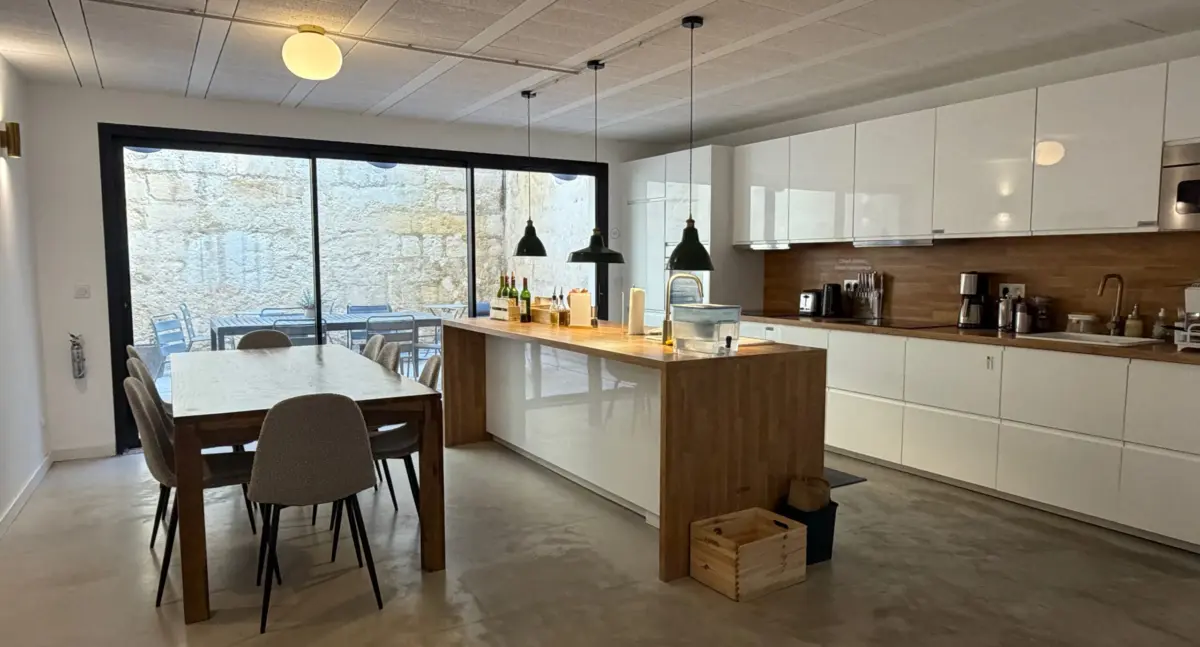
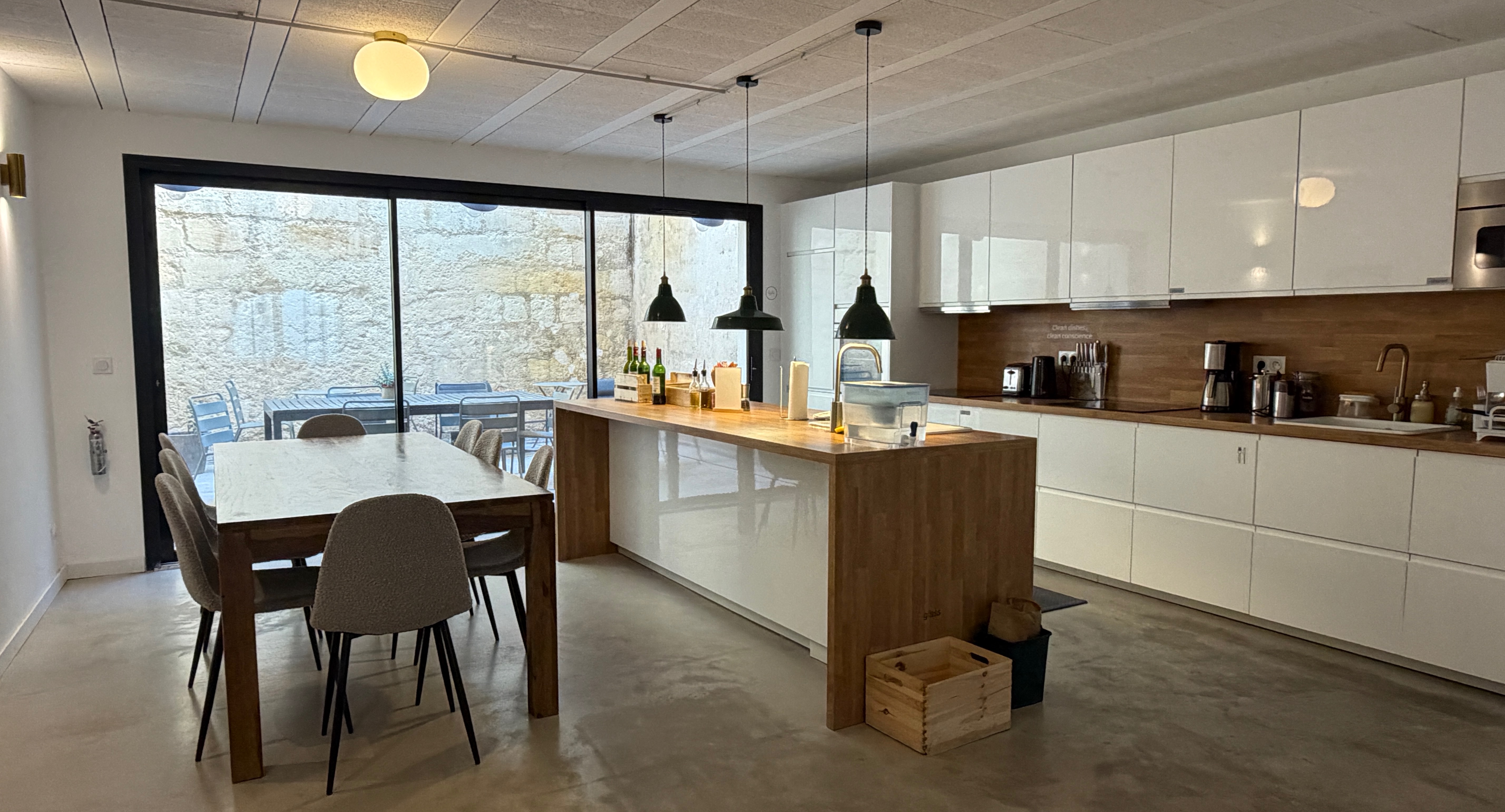
Beyond individual rooms, every property is defined by expansive, thoughtfully furnished communal zones. Guests gain access to fully equipped chef-style kitchens that far exceed the amenities typically found in standard short-term rentals, alongside spacious living rooms, outdoor patios, and, depending on the geographic property, rooftop decks or swimming pools.
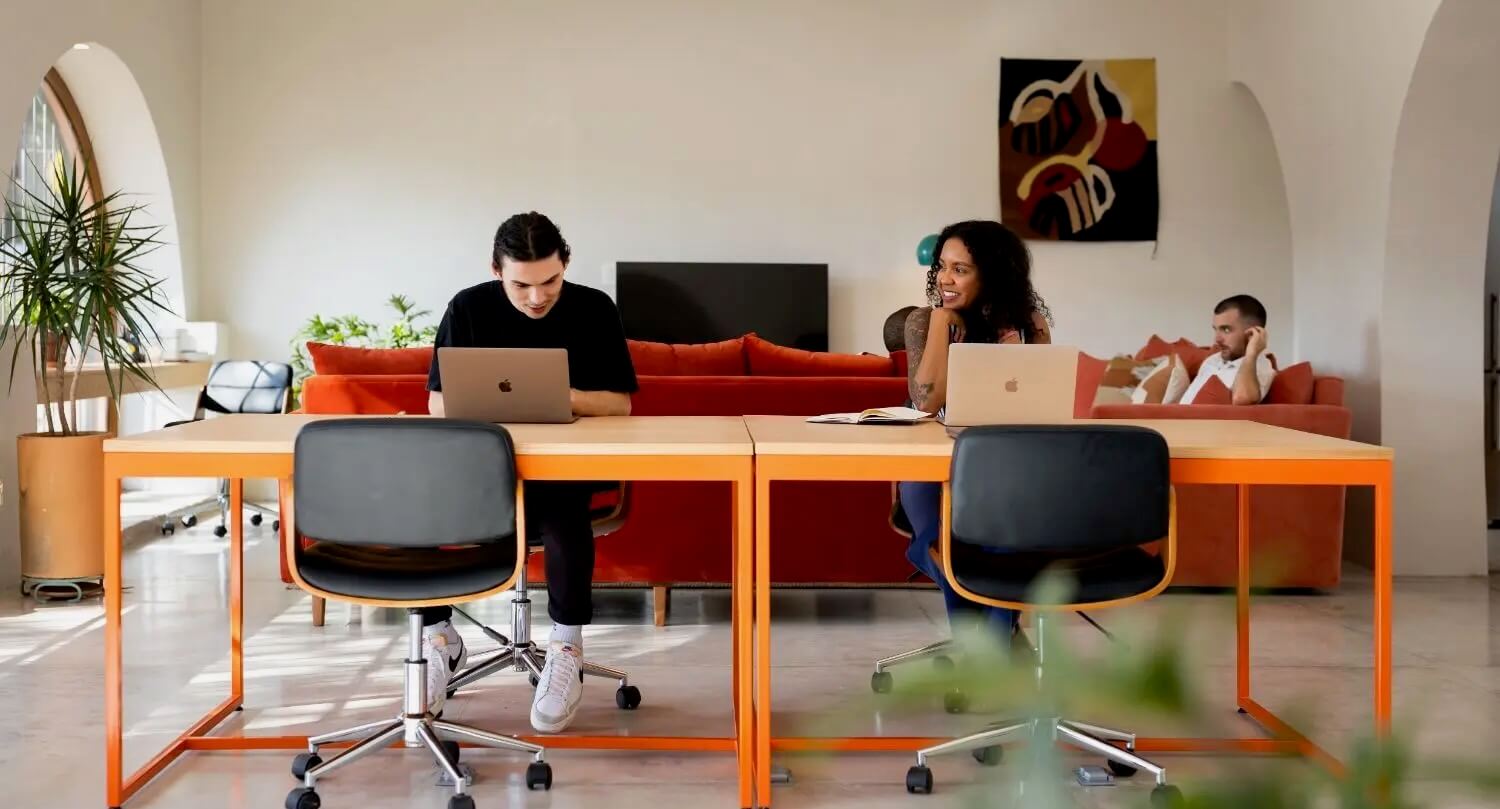
Crucially, every single location integrates a dedicated coworking facility directly into the physical footprint of the house. These workspaces are outfitted with ergonomic seating, abundant electrical outlets, external monitors available for connection, and enterprise-grade, high-speed Wi-Fi infrastructure. This setup allows professionals to transition seamlessly from morning coffee to a state of deep, uninterrupted professional focus within minutes of waking up.
Equally central to the operational model is the intentional cultivation of a social ecosystem. Every property is overseen by a dedicated Community Manager. Prior to arrival, incoming guests are integrated into a localized messaging group, setting the stage for organized weekly events such as family-style communal dinners, group weekend excursions, Friday evening social outings, and morning wellness activities. These initiatives provide structured opportunities for professionals to forge genuine connections in an environment that might otherwise feel disconnected. Furthermore, the community manager acts as an on-the-ground local resource, offering nuanced neighborhood recommendations, dining tips, and logistical guidance.
What Makes the Experience Distinctive
The physical properties themselves are curated with a distinct interior design ethos, featuring modern furnishings, optimized natural light, indoor greenery, and local artistic touches. This aesthetic choice deliberately distances the spaces from the sterile, corporate environment of traditional business hotels, instead cultivating an atmosphere reminiscent of staying in a well-appointed, contemporary residence. Shared kitchens are maintained to high standards through daily professional cleaning services, and complimentary coffee and tea are provided as a standard amenity.
However, for many professionals, the primary value proposition lies in the built-in community. Because the typical demographic consists of fellow digital nomads and remote workers, guests find themselves surrounded by peers who intimately understand the realities of location-independent life. Unlike traditional vacationers or backpackers who may question why a traveler spends daylight hours illuminated by a laptop screen, fellow residents share a dual commitment to balancing serious professional output with lifestyle exploration. Stays frequently span multiple weeks, allowing relationships to develop organically through shared daily routines and coordinated weekend adventures.
Key Considerations for Travelers
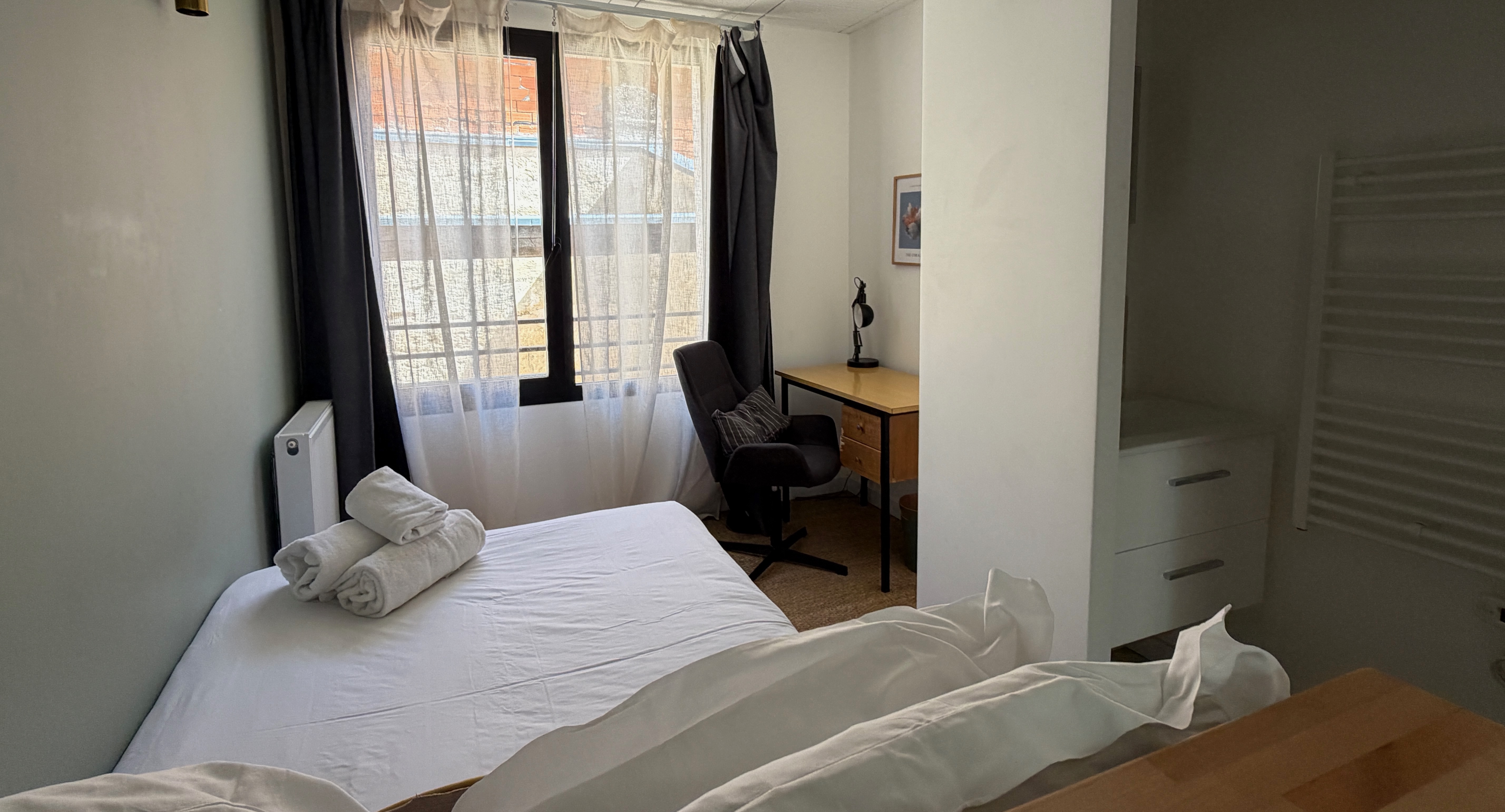
Despite its appeal, the model comes with specific trade-offs that prospective guests must evaluate. Outsite is not positioned as a budget backpacker accommodation. Travelers accustomed to ultra-low-cost shared dormitories in developing regions will find the pricing structure significantly higher, as guests are paying a distinct premium for private rooms, guaranteed enterprise infrastructure, and a curated social environment. Nevertheless, when calculating the cumulative expenses of renting a private apartment while simultaneously purchasing a monthly subscription to an external coworking hub, the financial variance often narrows considerably.
Additionally, high demand means that the network’s most popular properties experience rapid booking cycles. Securing accommodations in high-traffic destinations during peak seasons requires planning months in advance, limiting the capacity for spontaneous travel adjustments at the most sought-after houses.
Frequently Asked Questions
Membership is not a strict prerequisite for booking, as general travelers can reserve properties directly. However, for those planning extended stays, membership structures frequently offset their initial cost through reduced nightly tariffs. While age restrictions are minimal beyond the standard legal requirement of majority, the demographic skews predominantly toward working professionals in their late twenties, thirties, and forties, establishing an atmosphere that is noticeably more mature and professionally oriented than standard youth hostels.
Minimum stay requirements generally begin at two nights to accommodate weekend travelers, though specific urban locations subject to strict local municipal housing regulations may enforce extended minimum thresholds. Pet policies similarly reflect the communal nature of the shared living spaces, with the vast majority of properties prohibiting animals to maintain comfort and mitigate potential allergy concerns for incoming residents.
Ultimately, the coliving model demonstrates that maintaining a mobile, location-independent lifestyle does not require compromising professional momentum, personal comfort, or social integration. By merging the privacy of a residential home, the productivity of an optimized office, and the connectivity of a shared community, platforms like Outsite continue to redefine how a new generation of professionals navigates the intersection of global travel and career longevity.