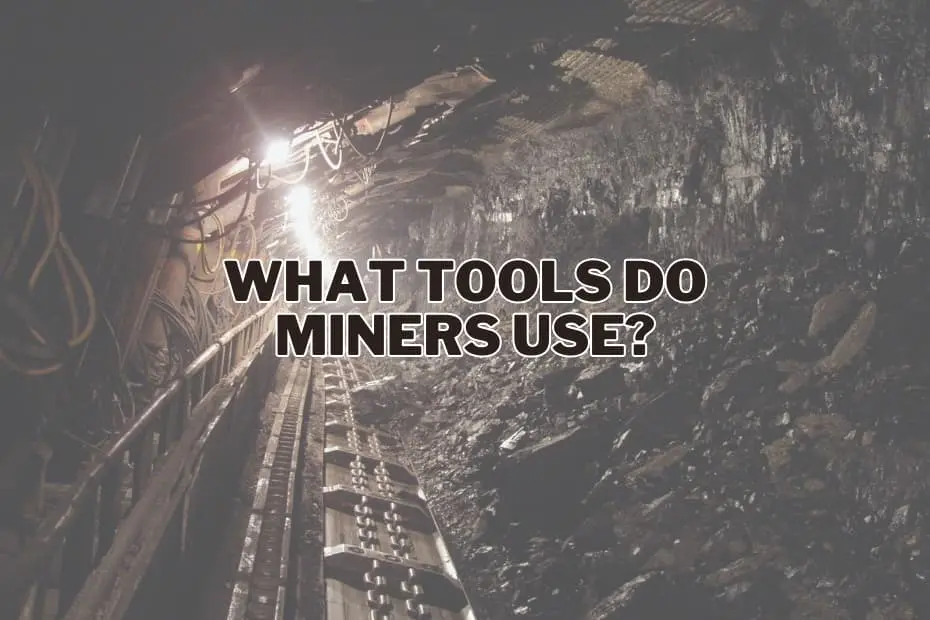
Mining remains one of humanity’s oldest, most critical foundational industries, providing the essential raw materials required for modern technology, infrastructure, energy, and manufacturing. Yet, the popular image of a miner swinging a pickaxe in a dimly lit tunnel represents only a fragment of a complex, highly specialized field. Modern mining relies on an array of tools engineered specifically for every distinct stage of the process, from initial subsurface exploration and rock fracturing to bulk material transportation and safety monitoring.
Extracting valuable minerals safely and efficiently from deep within the earth requires a careful balance of physical effort, mechanical power, and life-saving gear. Understanding how these diverse instruments operate together reveals how modern engineering has transformed one of the world’s most challenging occupations into a highly structured and technologically driven industry.
The Essential Manual Tools of Mineral Extraction
Despite sweeping technological advances across the industrial sector, classic manual tools continue to play a vital role in everyday mining operations. These foundational implements provide precision, portability, and dependability in tight spaces where heavy machinery cannot operate or during initial site assessment phases.
Pickaxe
The pickaxe stands as an iconic symbol of the mining trade, retaining its utility through centuries of industrial evolution. Modern pickaxes are constructed from high-tensile, heat-treated steel, allowing them to withstand repeated, high-impact force against dense geological structures.
Miners rely on the sharp pick end to break apart stubborn rock seams and fractured subterranean layers, while the chisel end is ideal for scraping away looser dirt to reveal underlying mineral veins. When paired with comprehensive personal protective equipment, such as heavy-duty gloves and protective helmets, the pickaxe remains a reliable, lightweight instrument for fine manual excavation.
Shovel
No mining site, whether an underground shaft or an open-pit operation, can function without sturdy, specialized shovels. Designed to handle far heavier loads than standard garden implements, industrial mining shovels feature reinforced steel blades and ergonomic, impact-resistant handles designed to withstand constant stress.
Miners utilize these tools to clear blasted debris, load ore into transport containers, and clear working pathways. Because shifting loose rock and gravel frequently dislodges small, sharp fragments, workers operating shovels routinely wear anti-fog safety goggles to shield their eyes from flying hazards.
Sledgehammer
Before heavy mechanical breakers can be deployed—or in remote exploration zones where bringing heavy equipment is impractical—the sledgehammer provides the raw force needed to fracture large rocks. Featuring weighted steel heads mounted on long, shock-absorbing handles, sledgehammers concentrate immense kinetic energy into targeted impacts.
Miners use sledgehammers to split stubborn boulders, drive metal wedges into rock fissures, and set up temporary support structures. Due to the intense physical exertion and risk of ricocheting rock chips associated with swinging a sledgehammer, miners undergo rigorous safety protocols, utilizing fall-arrest safety harnesses on steep gradients and protective helmets at all times.
High-Powered Penetration and Controlled Demolition Equipment
When manual force is insufficient to break through stubborn subterranean formations, miners turn to heavy-duty power tools and controlled explosive methods designed to penetrate high-density rock faces rapidly.
Drill
Mining drills are central to subterranean exploration and excavation. Ranging from portable, handheld pneumatic units to massive, track-mounted industrial drill rigs, these tools break through dense geological strata that would be impossible to breach manually.
Equipped with heavy-duty carbide or diamond-tipped bits, mining drills create pilot holes for explosive charges, extract core samples for geological analysis, and install structural roof bolts to prevent tunnel collapses. By rapidly penetrating hard rock formations, advanced drilling equipment significantly increases operational productivity while laying the groundwork for safe underground expansion.
Jackhammer
Combining the striking force of a heavy hammer with the rapid rotational or percussive action of a drill, the jackhammer is a powerful tool for rock breaking. Powered by compressed air, electricity, or hydraulics, jackhammers deliver thousands of high-impact blows per minute to pulverize dense stone in both surface and underground settings.
Because jackhammer operation generates significant vibration, extreme acoustic levels, and fine airborne dust, operators must wear comprehensive safety gear. This includes impact-resistant safety goggles, specialized hearing protection, and high-efficiency ventilation masks to safeguard respirable health during prolonged operation.
Rock Splitter
In environments where explosive blasting poses structural risks or creates unmanageable dust and vibration, hydraulic rock splitters offer a controlled alternative. These specialized devices are inserted into pre-drilled holes, where they exert immense outward hydraulic pressure directly against the internal rock walls.
By expanding inside the rock, splitters cause large boulders and massive rock faces to fracture neatly along natural fault lines without producing shockwaves, flying debris, or excessive noise. This makes them ideal for targeted excavation in sensitive underground chambers.
Dynamite
For large-scale mineral extraction, dynamite remains an essential tool for fracturing massive rock formations to access deeply buried ore bodies. The strategic placement of explosive charges allows mining engineers to shatter thousands of tons of hard rock in a single controlled blast, drastically accelerating the extraction timeline.
The storage, handling, and detonation of dynamite require strict adherence to stringent safety regulations. Blasting operations are meticulously planned, synchronized with site evacuations, and followed by the immediate activation of high-capacity ventilation systems to clear toxic post-blast gases and heavy dust before miners re-enter the zone.
Heavy Machinery and Material Handling Infrastructure
Moving hundreds of thousands of tons of rock and refined ore requires large-scale industrial machinery. The modern mining site relies on continuous material-handling systems to transport raw material seamlessly from the extraction point to the processing facility.
Excavator
Excavators are earthmoving giants responsible for shifting massive volumes of overburden, soil, and blasted rock. Equipped with powerful hydraulic arms, heavy-duty buckets, and armored tracked undercarriages, excavators operate efficiently in rough terrain.
In open-pit mines, excavators load waiting haul trucks with raw material, clear access roads, and dig trenches. In underground caverns, specialized low-profile excavators maneuver within tight subterranean spaces to load material into transport vehicles, drastically reducing reliance on manual labor.
Conveyor Belt
Once mineral-bearing rock is fractured and excavated, conveyor belts provide a continuous, automated transport solution across long distances. Capable of moving thousands of tons of material per hour up steep inclines and across vast distances, conveyor belts form the logistical backbone of surface and underground facilities.
By replacing traditional haulage fleets over set routes, automated conveyor networks optimize operational efficiency, lower fuel consumption, and eliminate potential traffic hazards within tight mining quarters.
Mining Cart
Within underground shaft networks, mining carts remain vital for transferring raw ore along dedicated rail tracks. These heavy-duty steel carts can bear immense weight while navigating tight subterranean tunnels where larger machinery cannot operate.
Modern mining carts are often pulled by electric or diesel locomotives, moving raw materials smoothly from active mining faces directly to elevators or central hoisting shafts for extraction to the surface.
Ore Crusher
Extracted rock is rarely ready for processing in its initial, irregular state. Ore crushers are heavy industrial machines designed to break large, jagged boulders down into uniform fragments or fine gravel.
Using massive mechanical jaws, rotating cones, or high-velocity impact hammers, crushers reduce the size of the mined material. This step maximizes surface area contact for subsequent metallurgical treatments, ensuring efficient recovery of valuable elements such as copper, gold, and iron.
Life-Critical Personal Safety Gear and Atmospheric Infrastructure
Mining inherently presents environmental challenges, including darkness, subterranean atmospheric hazards, falling rock risks, and airborne particulates. The protection of personnel relies on advanced safety equipment and robust life-support systems.
Helmet
A durable, high-impact safety helmet is the mandatory first line of defense for every miner entering a site. Engineered from lightweight, impact-resistant polymers, modern mining helmets are designed to absorb heavy blows from falling rock, structural debris, or low-hanging underground ceilings.
These helmets feature internal suspension systems to dissipate force, integrated mounts for hands-free lighting, and clips for ear protection, forming a fundamental safety shield for work underground.
Safety Goggles
Eye injuries present a constant risk in mining environments due to flying rock chips, coarse dust particles, and chemical splash risks during ore processing. Purpose-built mining safety goggles feature scratch-resistant, impact-proof polycarbonate lenses designed to withstand severe impacts.
Equipped with indirect ventilation systems and specialized anti-fog coatings, these goggles preserve clear, unobstructed vision even in humid, dusty subterranean environments.
Headlamp
Navigating lightless underground tunnels requires reliable, long-lasting illumination. Modern LED headlamps, mounted directly onto miners’ helmets, provide powerful, hands-free lighting that moves naturally with the worker’s line of vision.
Powered by lightweight, rechargeable lithium-ion battery packs worn on the belt, modern headlamps offer multiple brightness settings and long battery life, ensuring miners can identify hazards, read maps, and operate machinery safely throughout their shifts.
Ventilation System
Underground mining environments require constant mechanical ventilation to sustain human life. Deep subterranean tunnels naturally accumulate dangerous gases, including carbon monoxide, methane, and nitrogen oxides, while generating heat and airborne dust.
Industrial ventilation systems utilize high-powered surface fans, flexible ductwork, and atmospheric monitoring sensors to continuously pump fresh, oxygen-rich air into subterranean workspaces while exhausting toxic fumes and particulates. Proper air circulation ensures a safe, breathable environment for workers deep underground.
The Interplay of Tools in Modern Extraction
Modern mining relies on a carefully integrated ecosystem of tools, machinery, and protective equipment. Manual implements like pickaxes and shovels remain essential alongside heavy equipment like excavators, continuous conveyor networks, and specialized crushing plants. At every stage, equipment performance is closely tied to safety systems like high-powered ventilation, rugged headlamps, and certified head protection.
By combining traditional techniques with advanced engineering, the mining industry continues to improve working conditions, enhance recovery rates, and drive the safe extraction of resources essential to global progress.
Frequently Asked Questions
What is the most important safety tool for miners?
A high-impact protective helmet equipped with an integrated LED headlamp is widely considered the most essential personal safety tool. It protects the wearer from falling debris and head impacts while providing continuous, hands-free illumination in dark underground environments.
Why do miners use dynamite in modern operations?
Dynamite and modern commercial explosives are used to fracture dense, hard rock formations rapidly. Controlled blasting breaks apart massive subterranean rock structures into smaller, manageable fragments, allowing heavy machinery to excavate and process mineral-bearing ore efficiently.
What types of drills are commonly used in mining?
Miners utilize electric, hydraulic, and pneumatic drills depending on the specific application. These range from handheld percussion drills used for small-scale structural bolting to large, automated rotary drill rigs used for core sampling and drilling explosive blast holes.
How do conveyor belts improve efficiency at a mining site?
Conveyor belts provide continuous, automated transportation of heavy bulk materials over long distances. By moving fractured ore directly from subterranean extraction points to surface processing plants, conveyor systems reduce reliance on manual hauling and haul truck fleets, optimizing operational flow and safety.
What role do ventilation systems play in underground mining?
Ventilation systems serve as vital subterranean life-support networks. They continuously pump fresh air into deep underground shafts, dilute and exhaust hazardous gases like carbon monoxide and methane, suppress dust, and regulate temperature to maintain a safe, breathable environment for workers.