According to recent industry findings cited by IBM and Forrester research, poor data quality carries a staggering financial toll, with a quarter of organizations reporting annual losses exceeding five million dollars, and seven percent estimating those figures surpass twenty-five million dollars. Yet, despite these massive losses, a significant portion of the damage remains entirely invisible on standard operational dashboards.
Standard data cleaning protocols are designed to catch low-hanging fruit, such as null values, duplicate rows, and data type mismatches. These automated checks run rapidly, flag immediate structural anomalies, and signal success the moment every individual column passes syntax validation. However, data professionals increasingly recognize that passing these initial checks offers a false sense of security.
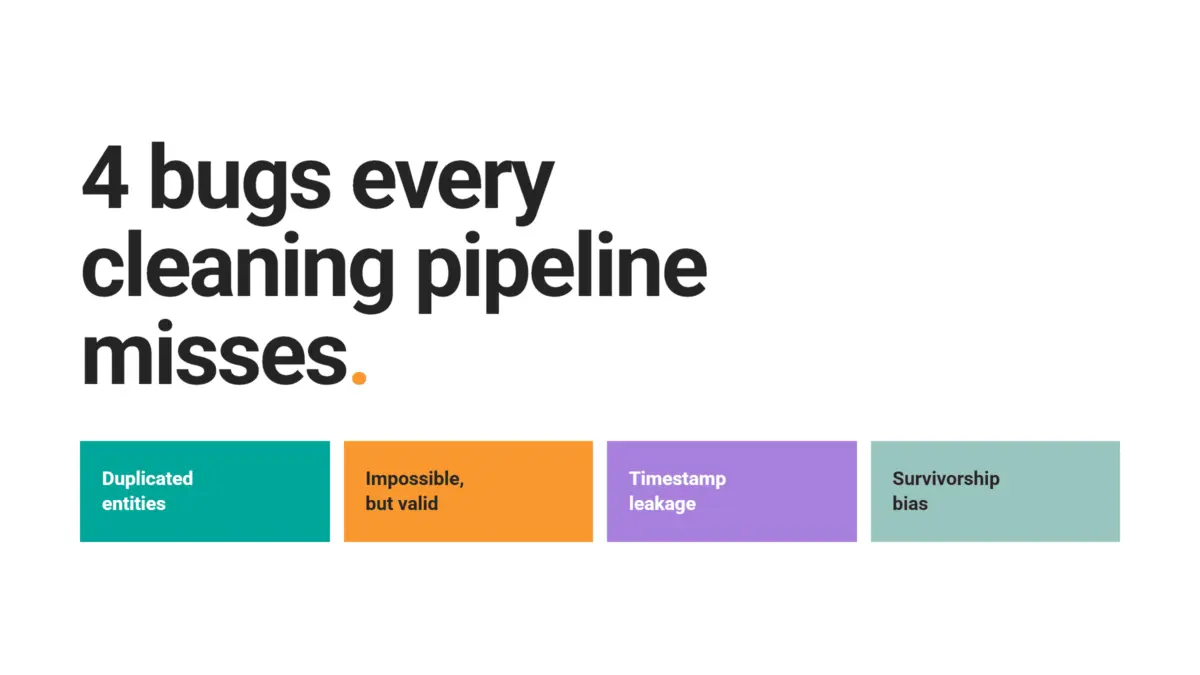
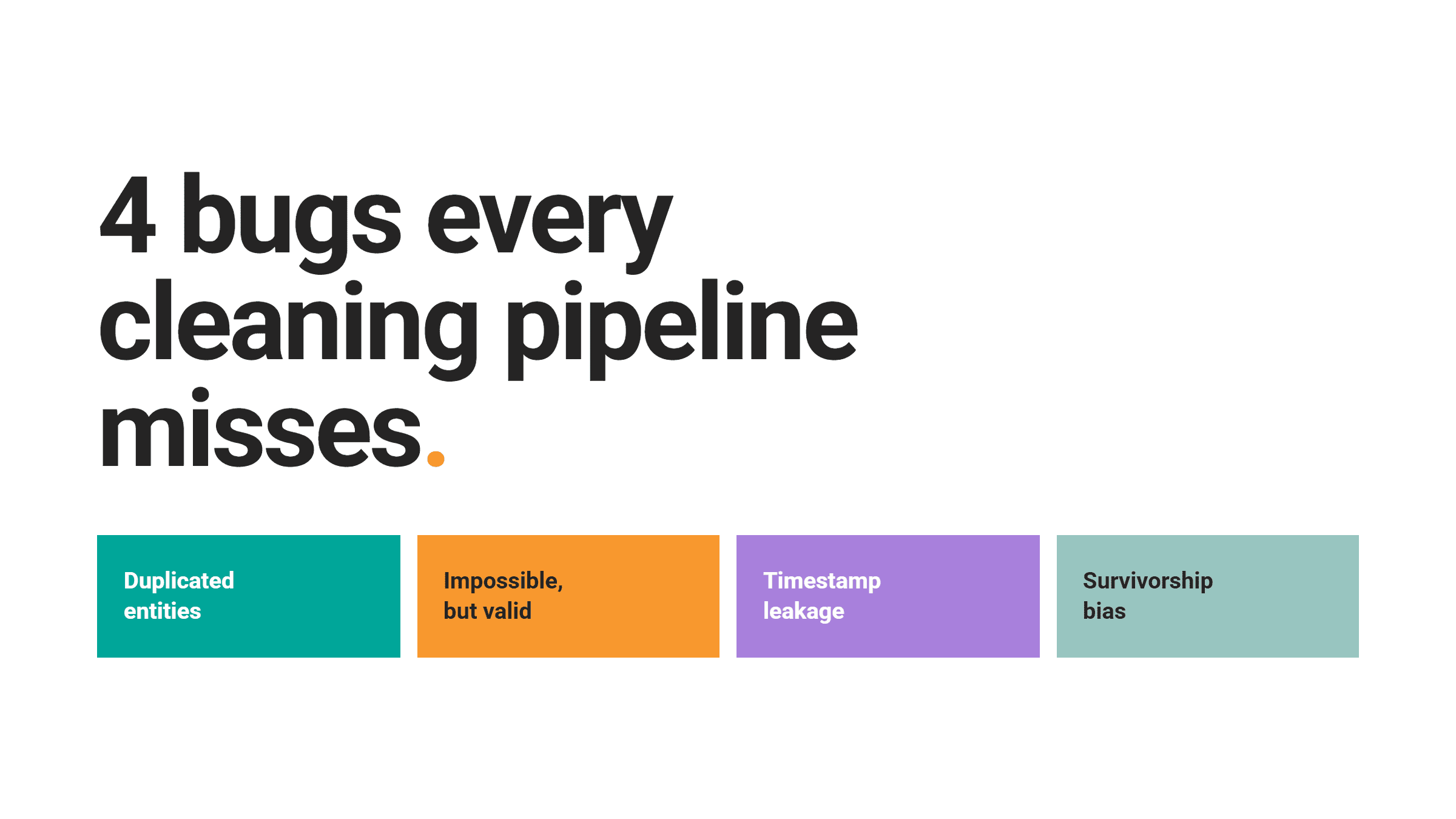
Four distinct categories of data errors routinely slip past conventional cleaning pipelines, ultimately breaking downstream machine learning models, executive dashboards, and financial reports. These include entities that are duplicated without ever appearing byte-for-byte identical, values that fall within acceptable numeric ranges but make no contextual sense, timestamps that inadvertently leak future information into training features, and denominators that silently drop critical populations.
These persistent challenges frequently appear in real-world technical assessments and data science interviews on platforms like StrataScratch, highlighting a widespread gap in how modern organizations approach data validation.
The Syntax, Semantics, and Pragmatics Gap
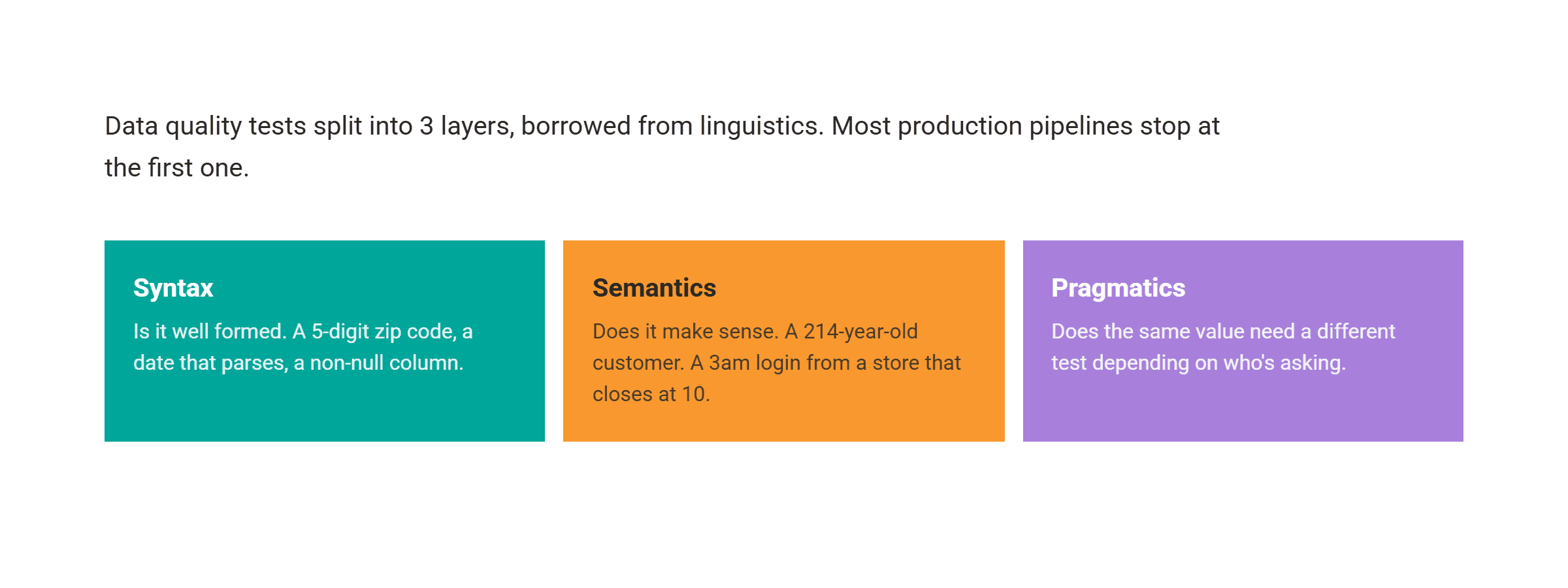
To understand why traditional pipelines fail, data quality tests can be divided into three distinct layers, borrowing concepts from linguistics. The first layer is syntax, which asks whether a value is well-formed—checking if a postal code has the correct number of digits, if a date string parses correctly, or if a required column is non-null.
The second layer, semantics, moves beyond structure to examine whether a value actually makes sense for what it represents. This layer asks whether a customer can realistically be two hundred and fourteen years old, or whether a user login at three in the morning is believable for a retail storefront that closes at ten in the evening.
The third layer, pragmatics, evaluates whether the same kind of value requires different validation criteria depending on who is using it. For instance, in a pharmaceutical setting, a drug discovery team and a manufacturing team might look at the exact same database record while holding completely different definitions of what constitutes valid data.
Most production data pipelines stop entirely at the syntax layer. Popular open-source validation libraries and automated testing frameworks generally default to checking data types, null conditions, and basic numeric ranges—validations that generic software can execute without any understanding of the underlying business. Semantic checks, by contrast, require human insight and deep comprehension of what the data actually means. This operational gap is precisely where complex data corruption takes root.
Silent Data Errors in Production Environments
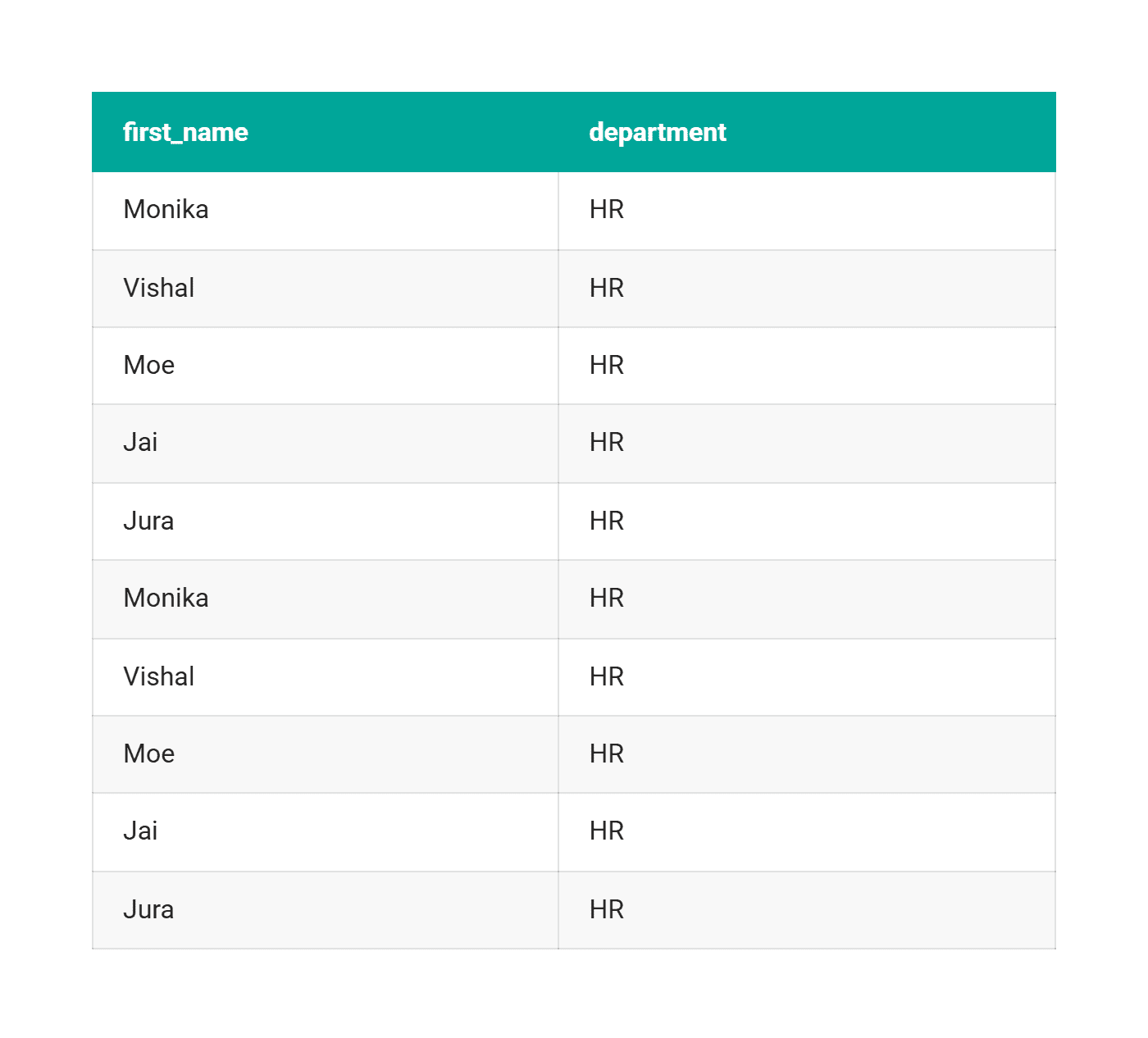
The first major vulnerability involves duplicated entities rather than duplicated rows. While standard deduplication functions easily catch two identical records containing the exact same name and address, they fail to recognize minor variations, such as two differently written rows representing the same individual. A lifetime-value prediction model will blithely count these variations as two distinct customers because the raw rows are not technically identical.
This issue frequently emerges in enterprise data warehouses when multiple disparate source systems feed tables into a central repository without adequate deduplication before a join operation. Downstream aggregate calculations like sums and counts end up artificially inflated, and standard null checks fail to raise any flags. Similar challenges arise in user activity metrics, where failing to aggregate distinct user identifiers can cause individual users triggering multiple events to be counted as entirely separate active participants.

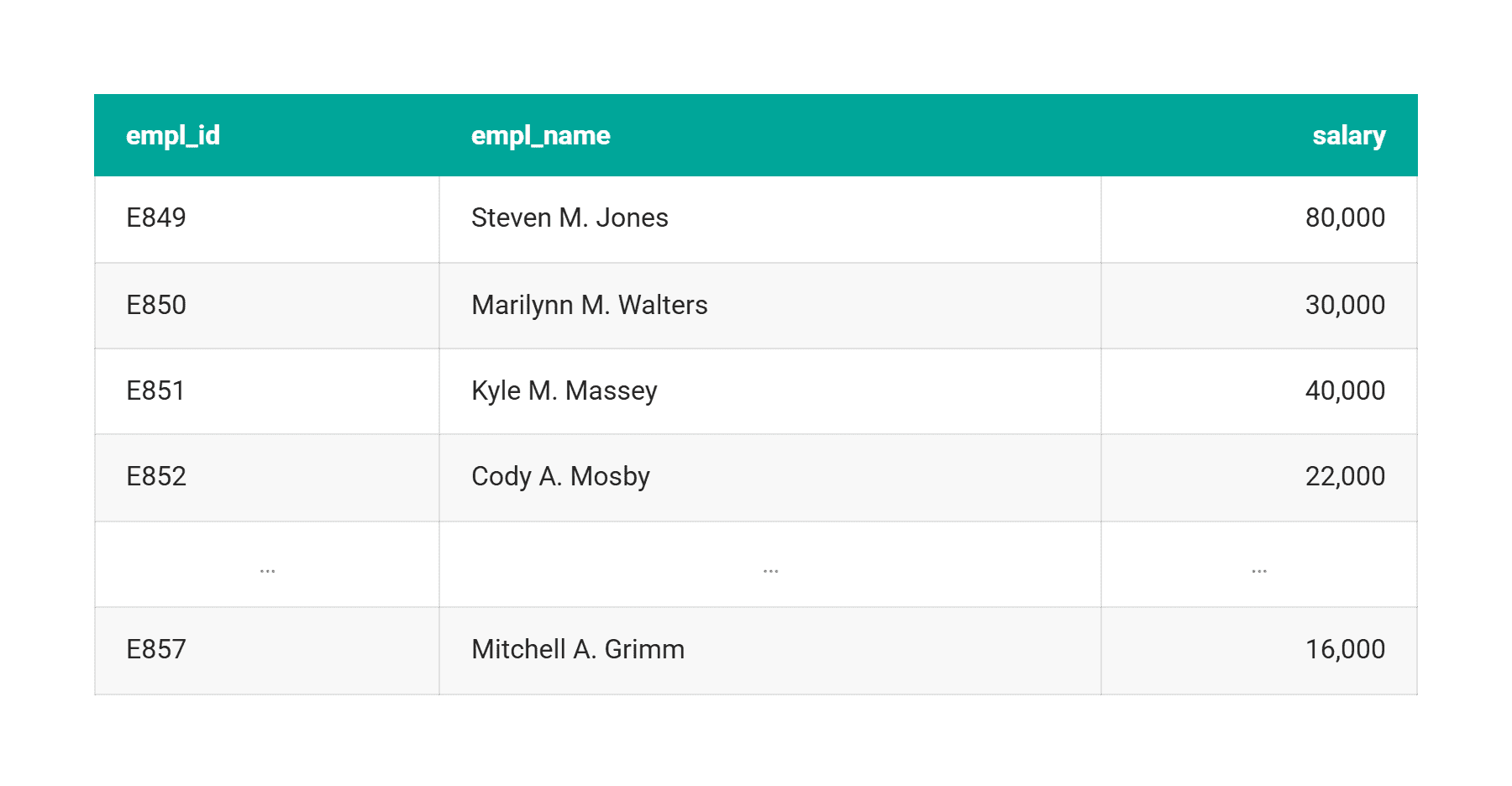
The second vulnerability centers on impossible yet valid values. A data point can sit comfortably within its assigned data type and declared numerical range while remaining entirely incorrect for the specific row it occupies. For example, a zero-dollar salary or a negative delivered quantity may pass basic numeric checks, but both represent logical impossibilities within standard business contexts.
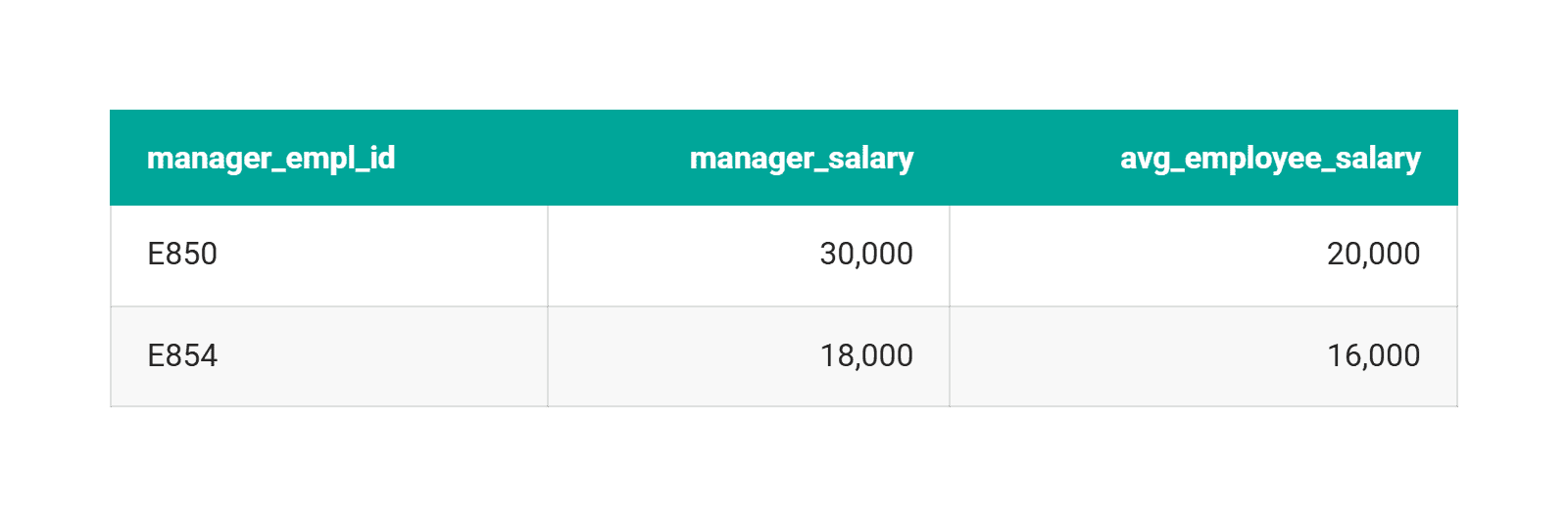
In complex organizational hierarchies, a single corrupted salary figure—perhaps mistyped or entered in cents rather than dollars—can drastically skew calculated averages. This single bad cell can silently drop managers from analytical reporting or incorrectly include them, even though the underlying query successfully passed every technical syntax check on its way into the system. Preventing this type of error requires implementing business-aware constraints and peer-group plausibility checks during ingestion, rather than relying solely on technical data type validations.
Timestamp Leakage and Survivorship Bias
Timestamp leakage introduces another insidious form of error, occurring when a predictive feature inadvertently carries information from a point in time after the event it is supposed to describe. This phenomenon frequently happens during the ingestion of slowly changing dimensions when effective-dated columns are missing. In such cases, the system defaults to assuming that the most recent record represents the historical state, causing downstream features to inherit future information.
When historical predictions are reconstructed using these inferred current values, the training rows are contaminated by data that did not exist at the time the prediction was supposed to be made. Avoiding this requires structural pipeline changes, such as storing both the exact time an event occurred and the timestamp when the row was written, alongside strict temporal join conditions.
Survivorship bias presents a related denominator problem, occurring when the specific rows that would provide an accurate picture are systematically removed before an analytical query executes. A classic financial example involves calculating hedge fund index returns using only funds that are currently active while ignoring every fund that previously closed. A similar distortion occurs when organizations analyze customer purchase behavior for a given year without realizing that the dataset already excludes everyone who churned during the first quarter.
If a database excludes deleted or deactivated accounts entirely rather than maintaining an inactive flag, aggregate calculations rely on a denominator composed solely of survivors. Because the missing records vanished long before the analytics pipeline processed the data, standard automated checks fail to detect the omission. To catch these issues early, data teams often monitor row counts at every distinct cohort filter, immediately flagging unexpected drops before trusting final operational metrics.
Strengthening Enterprise Data Validation
Addressing these silent errors requires moving beyond basic schema validation and incorporating business-logic assertions into the data lifecycle. For duplicated entities, teams must implement canonicalization routines alongside join-cardinality assertions that trigger alerts when a join outputs more rows than its source tables. For contextual values, validation logic must evaluate figures against peer groups and historical distributions rather than static thresholds.
Ultimately, standard null, duplicate, and schema checks remain essential components of any data pipeline, representing the foundational and inexpensive half of quality assurance. They confirm whether data is well-formed, but whether it is fundamentally true is an entirely separate question. Because duplicated entities, contextual anomalies, temporal leakage, and survivorship bias routinely bypass initial structural checks, safeguarding modern analytics requires domain expertise and business-aware validation rules that generic software libraries cannot provide.