Balancing the demands of a full-time career with the desire for global exploration has consistently ranked as one of the primary obstacles for modern travelers. For the growing population of digital nomads, the daily routine often involves a frustrating cycle: hours spent scouring local neighborhoods for a quiet coffee shop with a reliable internet connection, only to find the environment uncomfortable, overcrowded, or plagued by subpar Wi-Fi.
Historically, working from the road meant hunching over cramped common room tables in budget hostels or engaging in tense negotiations with vacation rental hosts who confidently promised high-speed connectivity, only for guests to discover that the connection struggled to load a basic email inbox. As remote work expanded rapidly in the post-pandemic era, a new model of accommodation emerged to address these logistical hurdles. Modern coliving spaces have rapidly proliferated across the globe, bridging the gap between professional coworking infrastructure and the dynamic social environment of a hostel, while entirely bypassing the basic amenities associated with traditional dormitory-style lodging.
These spaces are deliberately engineered for location-independent professionals who require a reliable, quiet environment to maintain their productivity while simultaneously seeking opportunities to connect with fellow travelers. Because remote work can frequently foster a sense of isolation when practiced entirely alone, these communities provide a built-in network of peers navigating similar lifestyles. Among the platforms operating in this sector, Outsite has emerged as a prominent global network catering specifically to remote workers, entrepreneurs, and digital nomads seeking turnkey living and working arrangements.
What is Outsite?
Founded in 2015, Outsite operates a global network of integrated coliving and coworking spaces tailored to the needs of the location-independent workforce. The initiative began with a single residential property in Santa Cruz, California, conceived as a collaborative space for individuals who wanted to balance surfing with professional commitments. Over the subsequent decade, the organization expanded its footprint significantly, growing to encompass more than 50 distinct locations worldwide and serving a community exceeding 5,000 active members.
The network operates on a hybrid booking and membership model. While non-members are permitted to reserve stays at individual properties, frequent travelers can opt into an annual membership fee of $199 or secure a lifetime membership for $499. Membership tiers unlock a series of operational perks, including access to exclusive, members-only destinations, complimentary weeks in newly launched locations, reduced rates during flash sales, substantial discounts on extended stays, dedicated networking mixers, and internal professional boards for job listings and sublets.
The reservation process mirrors modern hospitality platforms. Users navigate an online portal, filtering potential destinations by geographic region or atmospheric preference—ranging from coastal beach towns and vibrant urban centers to quiet mountain retreats—before securing private accommodations.
How Does Outsite Work?
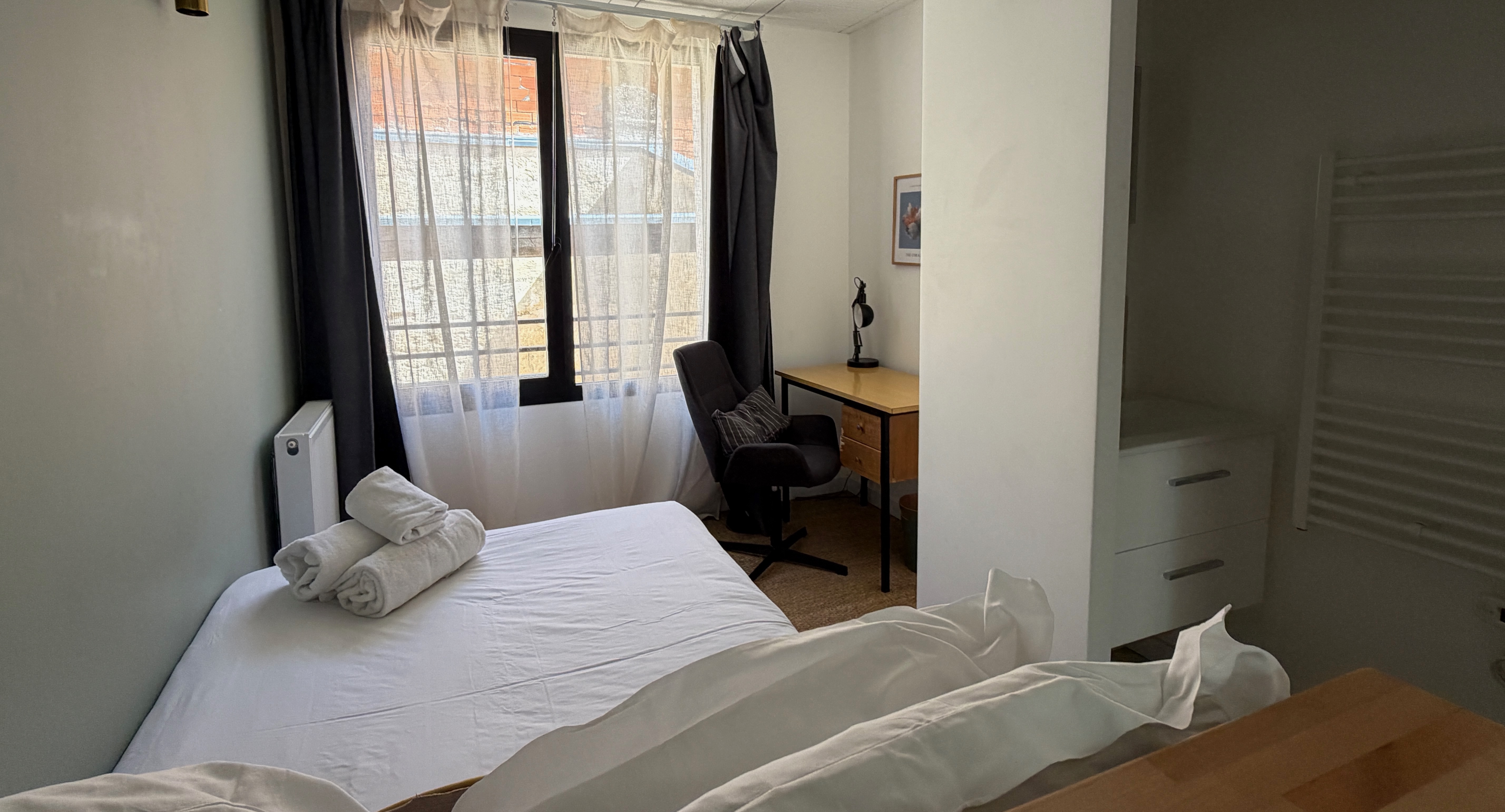
In practice, the operational model functions as a hybrid between a boutique hotel and a professional office environment. When a traveler books a stay through the platform, they are securing a private bedroom. While the majority of these rooms feature en-suite private bathrooms, certain budget-conscious configurations offer private sleeping quarters with a shared bathroom facility utilized by at most one other guest.
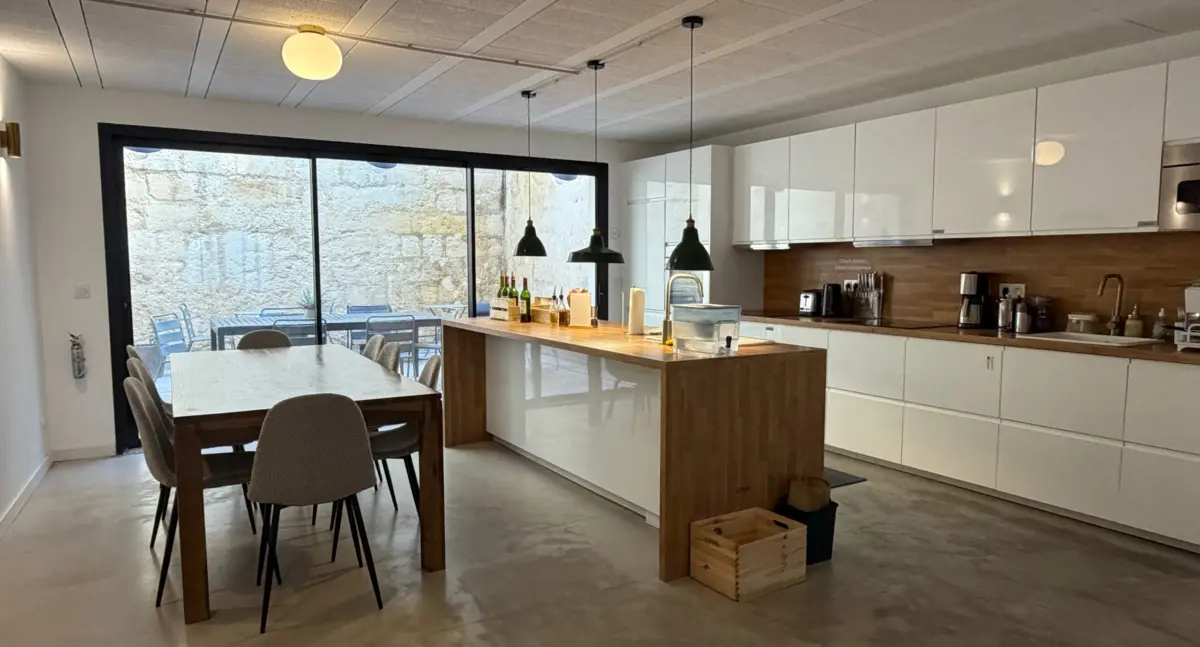
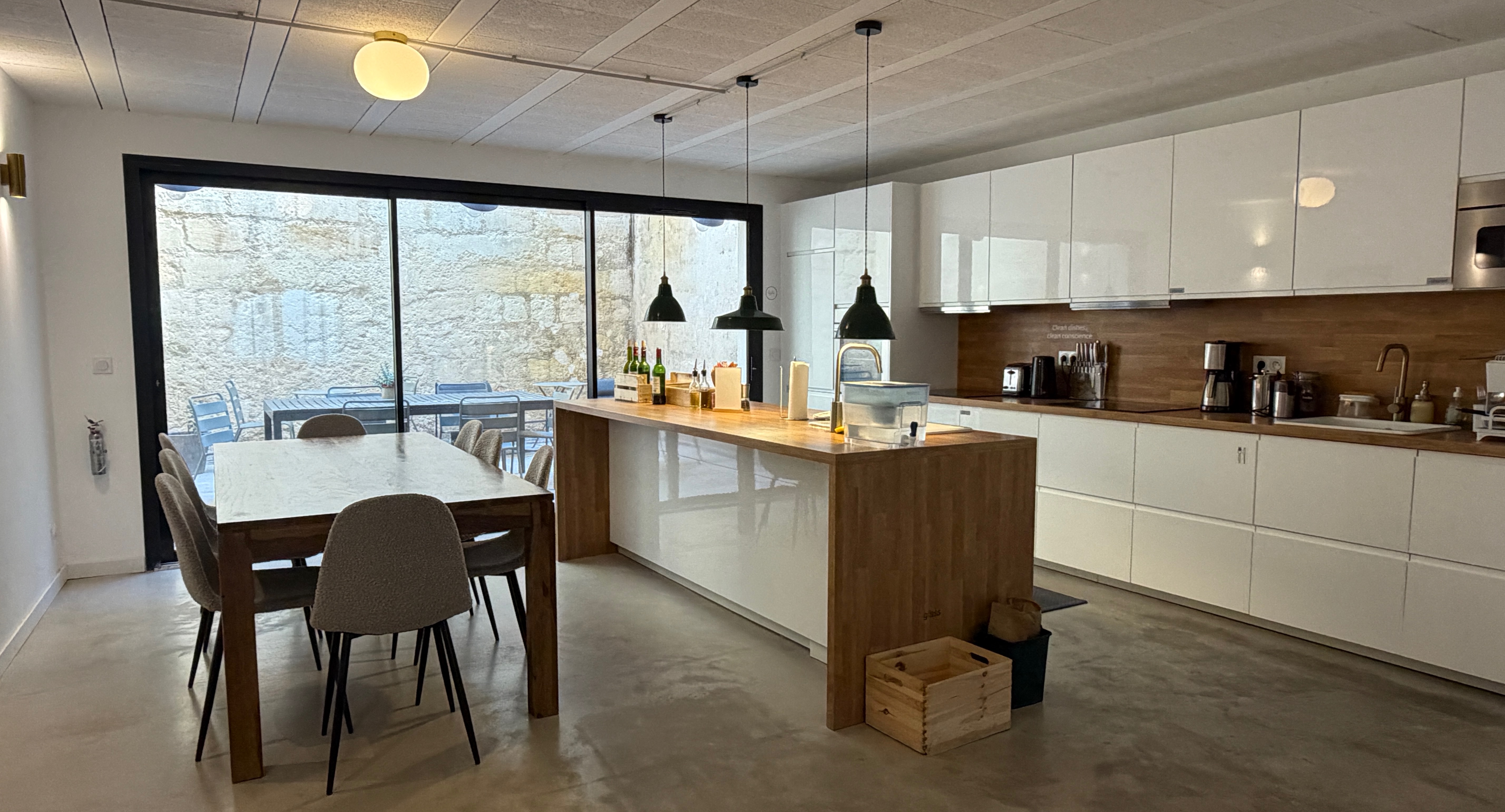
Beyond the private rooms, each property incorporates expansive, professionally furnished communal areas designed to foster both productivity and relaxation. This typically includes fully equipped chef-style kitchens complete with modern appliances and generous counter space, spacious living rooms, outdoor patios, and, depending on the geographic property, rooftop decks or swimming pools.
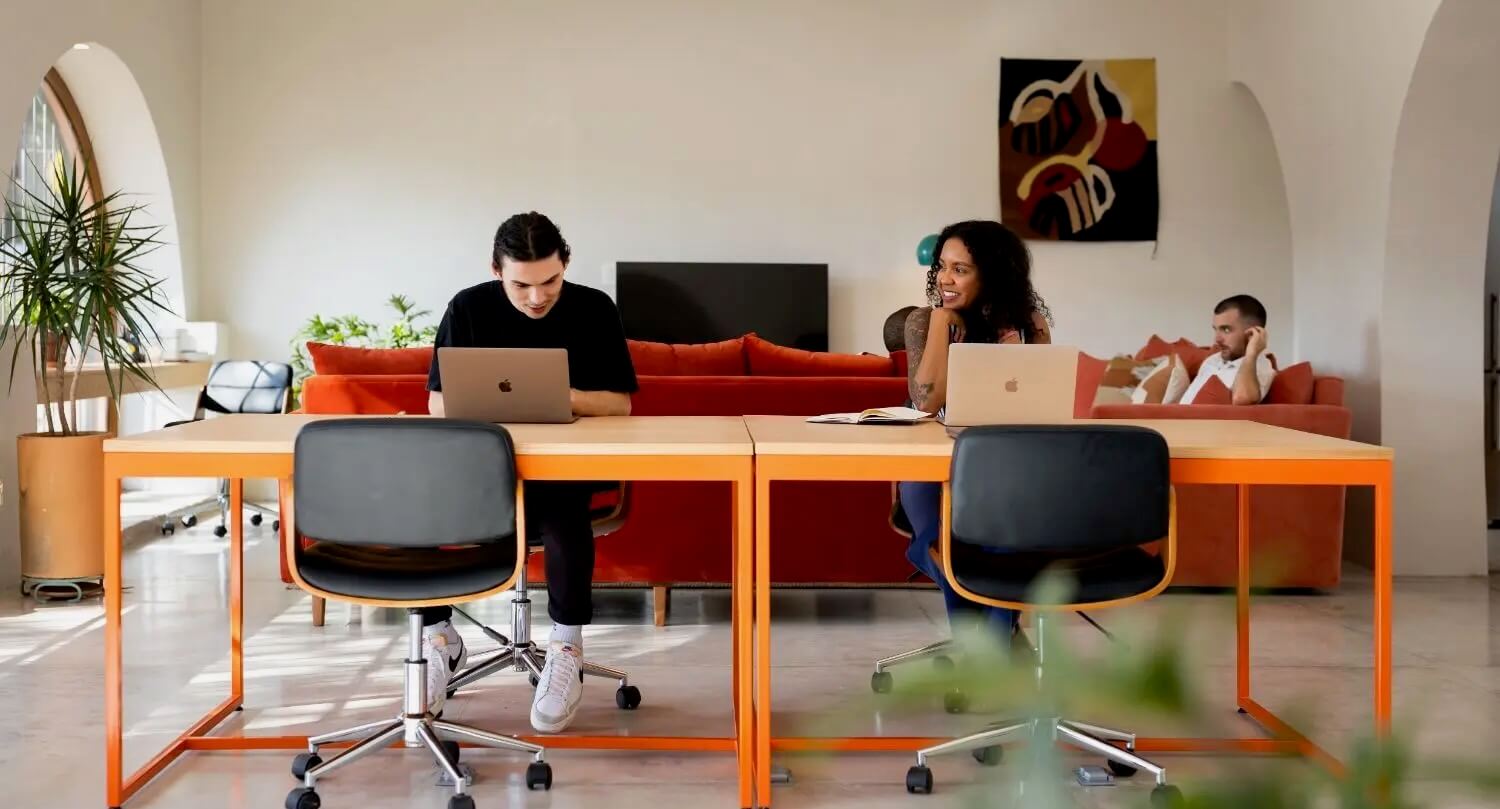
Crucially, every single location integrates a dedicated coworking space directly into the residential property. These workspaces are outfitted with ergonomic seating, abundant electrical outlets, external monitors for secondary screen setups, and high-speed, enterprise-grade Wi-Fi networks. This infrastructure allows residents to transition from their sleeping quarters to a fully functional office desk within minutes of waking up.
To address the inherent isolation of remote employment, properties assign a dedicated community manager to oversee the guest experience. Prior to arrival, incoming guests are integrated into a localized messaging group to facilitate communication. Management regularly coordinates weekly social programming, ranging from family-style communal dinners and weekend excursions to regional food tours and morning wellness sessions, providing structured opportunities for professional networking and social engagement. Furthermore, these community managers serve as local liaisons, offering localized recommendations, logistical guidance, and general support throughout the duration of each guest’s stay. Recent evaluations of properties, such as the location in Bordeaux, France, highlight the tangible benefits of this localized support system in navigating unfamiliar urban environments.
What Makes Coliving Distinctive
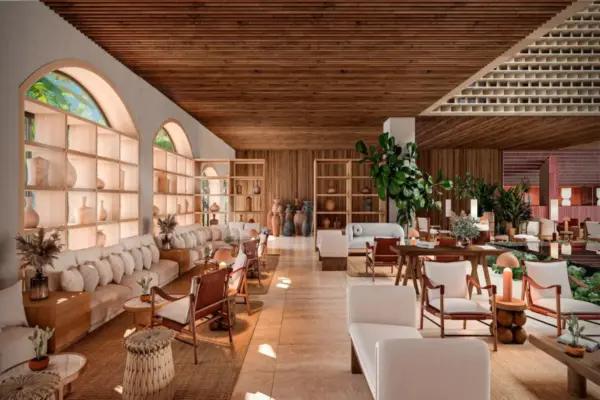
The appeal of contemporary coliving spaces extends beyond basic infrastructure into interior design and community curation. Properties are typically styled with an emphasis on natural lighting, indoor vegetation, and localized artwork, intentionally departing from the sterile aesthetic often associated with corporate business hotels or standard rental properties. Shared kitchens are maintained through daily professional cleaning services and are typically stocked with complimentary coffee and tea.
However, industry participants consistently emphasize that the primary value proposition lies in the social environment. Traditional travel often forces remote workers to choose between professional isolation in hotel rooms or navigating social spaces designed primarily for vacationing backpackers who maintain different daily schedules. Coliving environments gather individuals who share similar professional commitments, creating a mutual understanding regarding work hours and productivity requirements. The typical length of stay varies, but guests frequently remain at a single property for multiple weeks, allowing deeper interpersonal relationships to form under the guidance of community programming.
Considerations for Prospective Travelers
Despite the operational advantages, industry analysts note that these spaces are not positioned as budget alternatives for traditional backpackers accustomed to low-cost dormitory lodging. The pricing structure reflects a premium paid for private accommodations, guaranteed workspace infrastructure, and curated community management. Nevertheless, financial comparisons often indicate that the cumulative cost of renting a standard apartment while simultaneously purchasing a monthly pass at an independent external coworking space can rival or exceed the all-inclusive pricing model of specialized coliving networks.
Additionally, high demand frequently restricts spontaneity. Popular destinations during peak seasons—such as European urban hubs during the summer months or tropical retreats during the winter—frequently require reservations several months in advance to secure preferred dates.
Operational policies also reflect the shared nature of the housing model. While age restrictions generally require guests to be legal adults, the demographic tends to skew toward working professionals in their late twenties, thirties, and forties. Minimum stay requirements vary by location; while many properties accommodate short-term weekend stays starting at two nights, regulatory constraints in major metropolitan areas may mandate longer minimum booking windows. Furthermore, due to the communal layout of shared kitchens and living areas, pet policies are generally restrictive to ensure the comfort and health of all resident professionals.
Ultimately, the expansion of global coliving networks reflects a broader structural shift in how modern professionals approach the intersection of career progression and global mobility, offering an alternative to traditional isolation on the road.