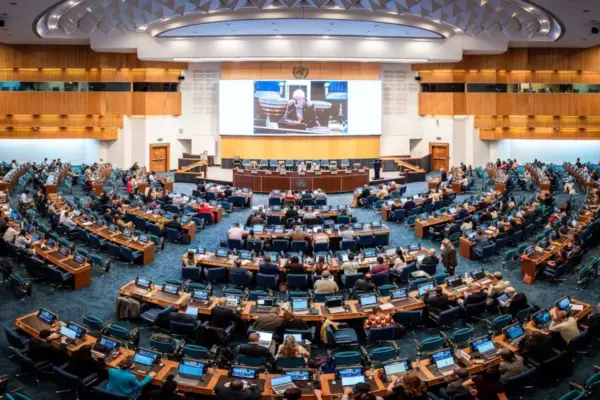
Beginning on October 19 and running through October 30, representatives from 196 parties to the convention will gather in the Armenian capital to hammer out the precise wording and legal phrasing of dozens of complex texts that will form the official decisions of the Conference of the Parties (COP) to the CBD.
This year’s summit carries profound significance for international environmental policy, as it marks the exact halfway point between the historic agreement of the Kunming-Montreal Global Biodiversity Framework (GBF) and the fast-approaching 2030 deadline established for achieving its ambitious targets. The stakes could hardly be higher. According to preliminary findings by the CBD, the global community is currently falling dangerously short on an alarming 22 out of the 23 core nature targets outlined in the framework. With just a few years remaining before the 2030 checkpoint, delegates in Yerevan face intense pressure to course-correct and accelerate global action to halt and reverse biodiversity loss.
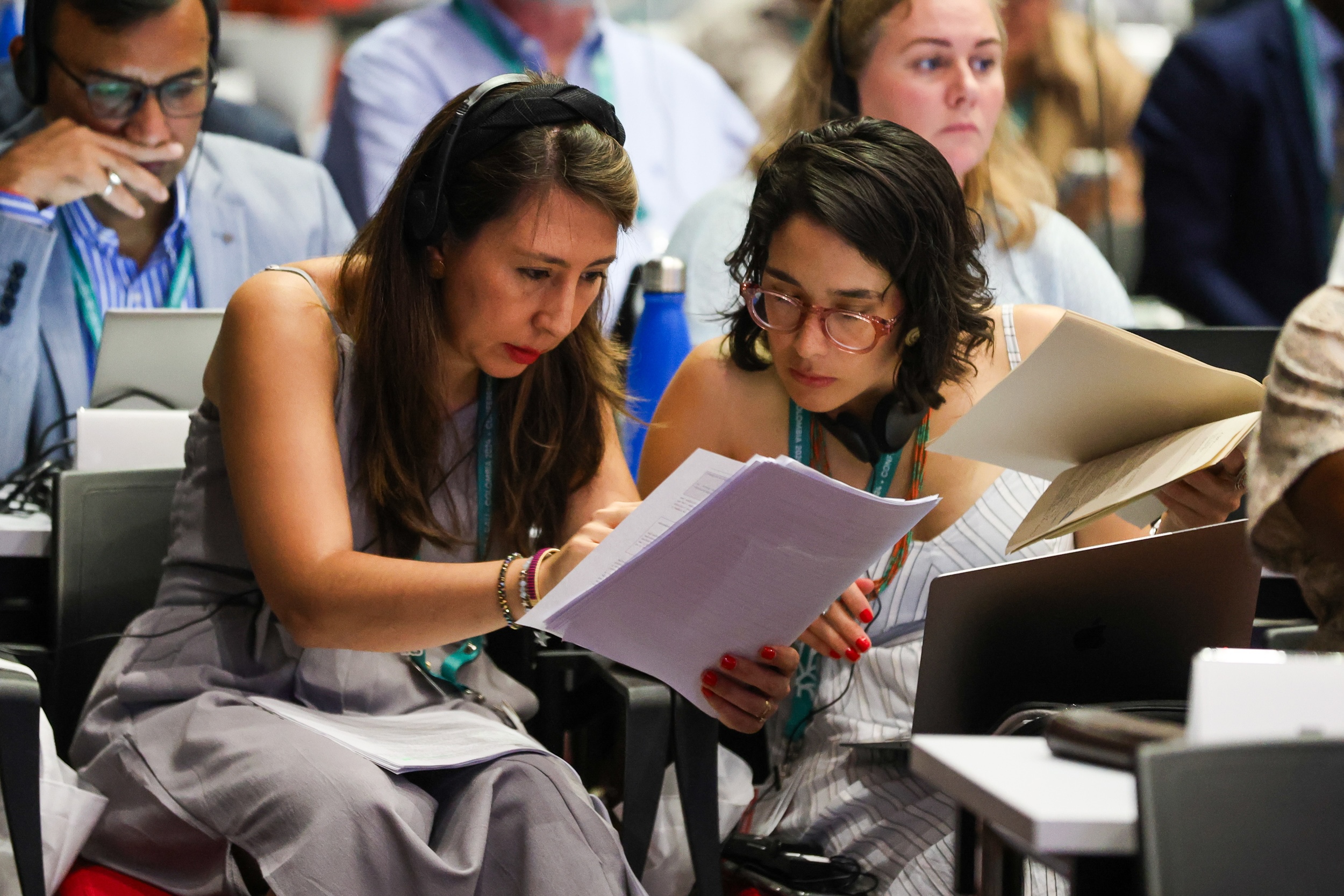
In tandem with the main CBD negotiations, delegates will also turn their attention to critical decisions concerning the two vital supplemental protocols that govern specific aspects of international environmental cooperation. These include the Cartagena Protocol, which establishes international rules and procedures for biosafety, and the Nagoya Protocol, which governs access to genetic resources and the fair and equitable sharing of benefits arising from their utilization. Because these supplemental protocols function under their own distinct governance structures known as "meetings of the parties" or "MOPs," they feature a slightly smaller roster of participating nations, with 173 parties signed on to the Cartagena Protocol and 141 participating in the Nagoya Protocol.
To help observers, policymakers, and researchers navigate the dense and intricate web of diplomatic texts, international tracking initiatives are closely following the progress of countries toward achieving consensus. Using a comprehensive framework of negotiation tracking, analysts are monitoring dozens of individual texts across the main COP agenda items as well as the respective MOP sessions for the Cartagena and Nagoya protocols. These tracking tools also incorporate draft decisions emerging from the most recent meetings of the convention’s subsidiary bodies, which serve as the foundational starting point for the complex negotiations now underway in Yerevan.
The Convention on Biological Diversity relies heavily on three specialized subsidiary bodies to conduct scientific, technical, and operational groundwork. These include the Subsidiary Body on Scientific, Technical and Technological Advice (SBSTTA), the Subsidiary Body on Implementation (SBI), and the Subsidiary Body on Article 8(j) and Related Provisions (SB8J). Notably, the latter body focuses specifically on issues concerning the traditional knowledge, rights, and priorities of Indigenous peoples and local communities, a vital focal point that was formally established during the COP16 summit held in Cali, Colombia, in late 2024.
Navigating the dense documentation of UN climate and biodiversity summits requires an understanding of the specialized language used in diplomatic drafting. Areas of ongoing disagreement and text subject to debate are routinely enclosed within square brackets in UN draft documents. Consequently, counting the number of brackets in any given iteration of a text provides a reliable barometer for how far apart negotiating parties remain from reaching a final consensus. In tracking systems, these brackets are often colour-coded—ranging from dark green to indicate a low volume of contentious text and close proximity to agreement, to red to signal a high concentration of unresolved brackets remaining on the table. In addition to bracketed text, negotiating documents frequently present delegations with alternative choices or options, designated simply as "alt," which represent differing policy approaches that must be reconciled before a final text can be adopted.
The core discussions and most contentious debates in Yerevan are expected to crystallize around two major agenda items. The first major focus is the comprehensive global review, a mandated assessment process that will evaluate collective international progress made thus far toward implementing the Kunming-Montreal Global Biodiversity Framework, while issuing concrete recommendations to dramatically accelerate conservation action in the years leading up to 2030.
The second, and potentially most politically fraught, area of discussion centers on finance, which is broadly divided into two major components: resource mobilisation and the overarching financial mechanism of the convention. On the topic of resource mobilisation, biodiverse nations from the Global South are widely expected to push aggressively for a substantial increase in international public finance and external support for conservation efforts.
Deep-seated disagreements over the structural creation of a dedicated financial mechanism proved so intractable that they triggered the historic suspension of COP16 in Cali, Colombia, in October 2024, after participating nations failed to bridge their differences over international finance before the scheduled end of the summit. The core diplomatic fault line revolves around institutional control: developing nations across the Global South have strongly advocated for the establishment of a brand-new, separate financial mechanism operating directly under the authority and control of the CBD. Conversely, developed countries from the Global North have largely favored maintaining the existing funding architecture, which is housed within the established Global Environment Facility.
The deadlock was temporarily eased during a resumed session of COP16 held in Rome in early 2025, where countries successfully brokered a compromise agreement on a formal roadmap designed to pave the way toward the eventual establishment of a permanent financial mechanism. As delegates now take their seats in Yerevan, the momentum from the Rome roadmap will be severely tested, with the international community watching closely to see whether wealthy nations and biodiverse developing states can finally turn commitments into durable, consensus-backed legal agreements.