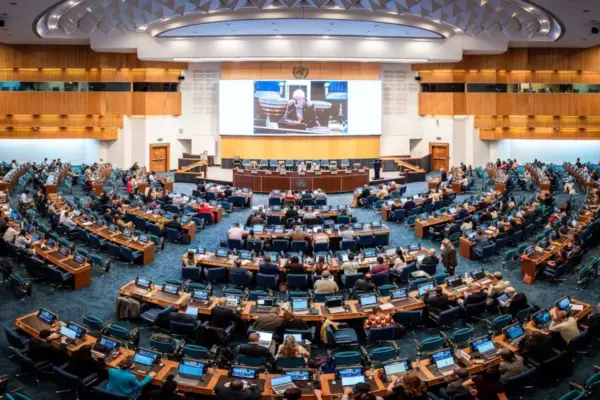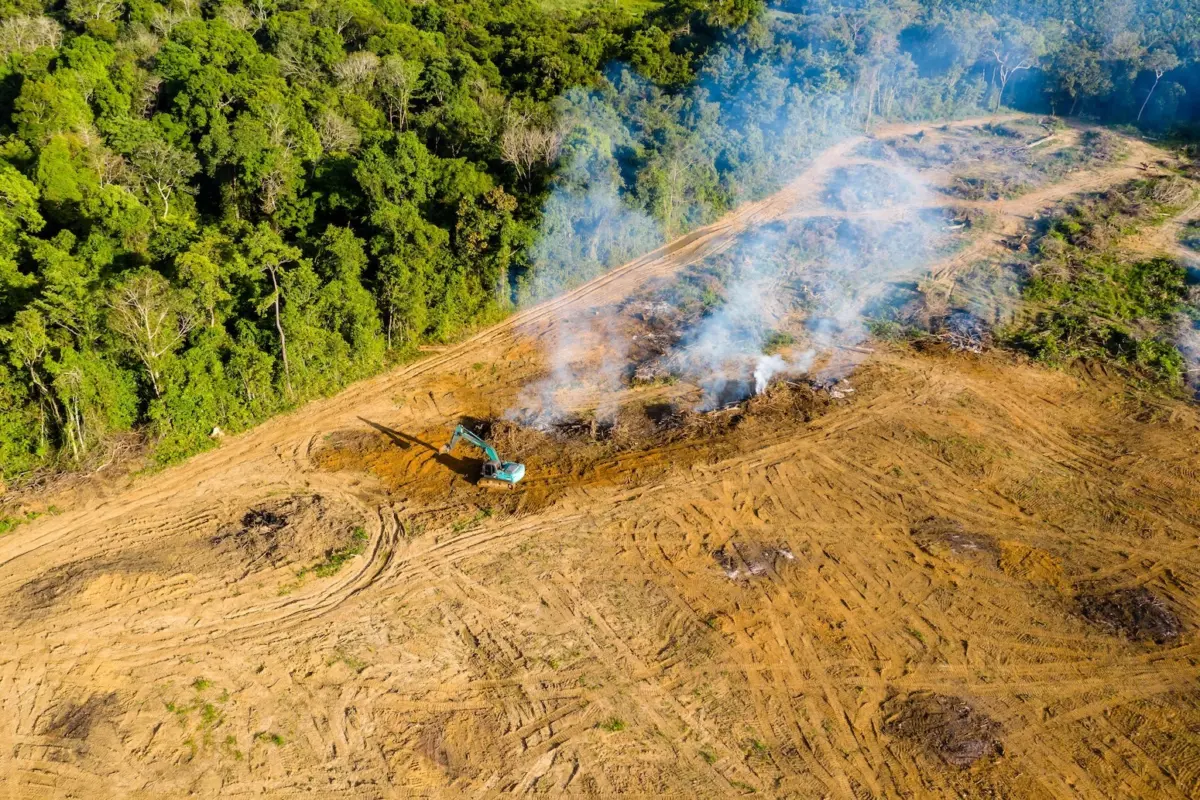
This year’s summit carries exceptional significance, arriving at the exact halfway point between the landmark agreement of the Kunming-Montreal Global Biodiversity Framework (GBF) in late 2022 and the fast-approaching 2030 deadline for achieving its ambitious targets. Hopes were high when the framework was first adopted, designed to halt and reverse nature loss globally. However, recent sobering assessments by the CBD have revealed that the international community is currently falling dangerously short, off track on 22 out of the framework’s 23 overarching nature targets for the decade.
The fortnight of negotiations in Yerevan will not focus solely on the primary convention. Delegates are also slated to negotiate critical decisions relating to the two primary supplemental protocols to the CBD: the Cartagena Protocol, which governs biosafety and the safe handling of living modified organisms, and the Nagoya Protocol, which establishes rules for access and benefit-sharing for the use of genetic resources. While these protocols operate under the umbrella of the broader biodiversity convention, they maintain their own separate governance structures through meetings of the parties, known as MOPs. Because they have fewer signatories than the main convention—with 173 parties for the Cartagena Protocol and 141 for the Nagoya Protocol—their specialized negotiations often involve intricate legal and technical debates over liability, safety, and commercial equity regarding nature’s genetic library.
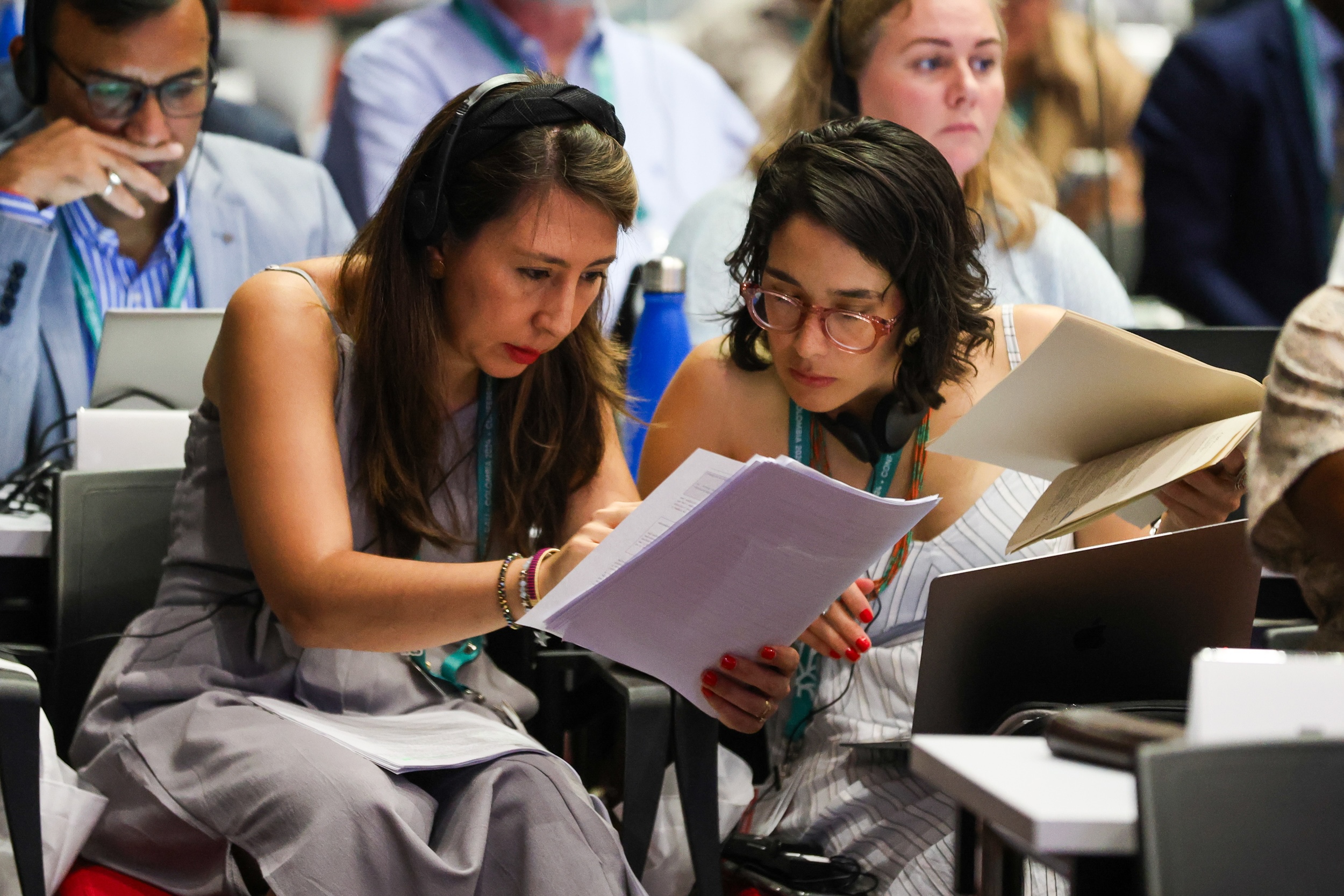
To help observers and stakeholders navigate the mountain of paperwork, tracking tools are being deployed to monitor progress toward consensus on the myriad negotiating texts. These documents encompass draft decisions originating from the Conference of the Parties (COP), the MOPs for the Cartagena and Nagoya protocols, and the most recent meetings of the convention’s subsidiary bodies, which serve as the indispensable starting point for the discussions unfolding in Yerevan.
The CBD relies heavily on three specialized subsidiary bodies to prepare the technical groundwork for political decisions: the Subsidiary Body on Scientific, Technical and Technological Advice (SBSTTA), the Subsidiary Body on Implementation (SBI), and the Subsidiary Body on Article 8(j) and Other Provisions (SB8J). The latter of these bodies focuses intensely on issues related to Indigenous peoples and local communities, a vital demographic recognized as the frontline stewards of the world’s remaining biodiversity. SB8J was formally established at COP16, which took place in Cali, Colombia, in 2024, marking a crucial institutional milestone in ensuring traditional knowledge and rights are embedded into global conservation policy.
In the complex ecosystem of UN negotiations, diplomats and civil society observers track consensus through a notoriously meticulous method: counting square brackets. In UN draft texts, areas of persistent disagreement between nations are enclosed in square brackets, indicating that the language has not yet been universally accepted. Consequently, counting the brackets in any given iteration of a text provides an immediate, quantifiable sense of how far apart parties remain from reaching a final compromise. In addition to bracketed text, negotiating documents frequently present delegations with alternative choices, labeled simply as "options" or "alt," forcing chairs and working groups to reconcile conflicting legal approaches before a text can be adopted.
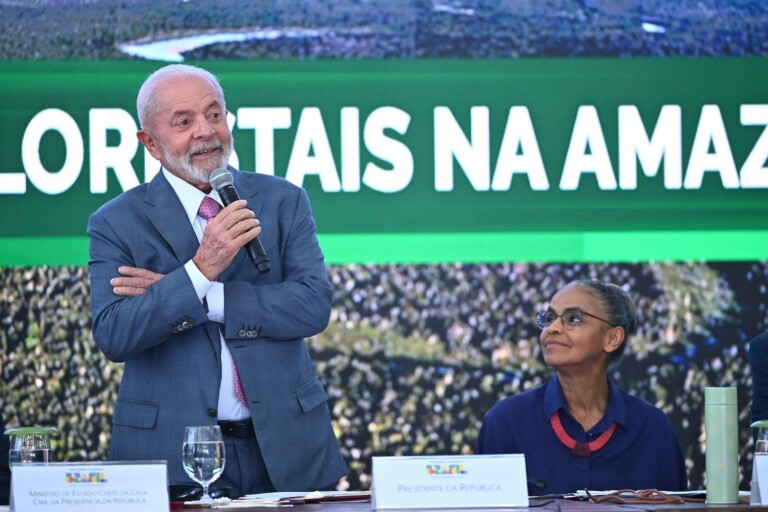
The key substantive discussions in Yerevan are expected to crystallize around two major agenda items that have dominated recent biodiversity politics: the global review of progress and the perennial, contentious issue of finance.
The global review will serve as a comprehensive stocktake, assessing collective progress made toward the implementation of the Global Biodiversity Framework and formulating actionable recommendations to radically accelerate conservation action during the second half of the decade. With the 2030 deadline looming and the draft UN report highlighting widespread underperformance across almost all targets, the pressure on delegations to agree on corrective measures will be intense.
Meanwhile, the debate over finance remains the ultimate make-or-break issue for the summit. Finance discussions at these negotiations traditionally divide into two distinct components: resource mobilisation and the financial mechanism itself. On resource mobilisation, biodiverse countries in the global south are expected to push aggressively for a substantial and predictable increase in international public and private finance for conservation, arguing that historic polluters and wealthier nations must foot a larger share of the bill to protect ecosystems that benefit the entire planet.
Deep divisions over the architecture of the financial mechanism reached a boiling point at COP16 in Cali, Colombia, in October 2024. During that summit, negotiations fractured over whether to create a new, standalone financial mechanism under the direct control of the CBD, a reform strongly advocated by global south nations. Wealthy global north countries, by contrast, largely preferred to maintain the status quo by channeling funds through the existing mechanism housed within the Global Environment Facility. The resulting deadlock and failure to reach consensus on finance before the end of the scheduled conference forced the unprecedented suspension of COP16.
The fractured summit was eventually reconvened months later in Rome in early 2025. At that resumed session, weary delegates managed to forge a compromise, agreeing on a roadmap intended to lead toward the establishment of a permanent financial mechanism. As delegates gather in the Armenian capital, the task will be to translate that roadmap into functional reality while overcoming remaining trust deficits between donor nations and developing economies. As the clock ticks down toward 2030, the success or failure of the Yerevan talks will hinge on whether diplomats can bridge these deep-seated financial and political divides before the gavel falls at the end of October.