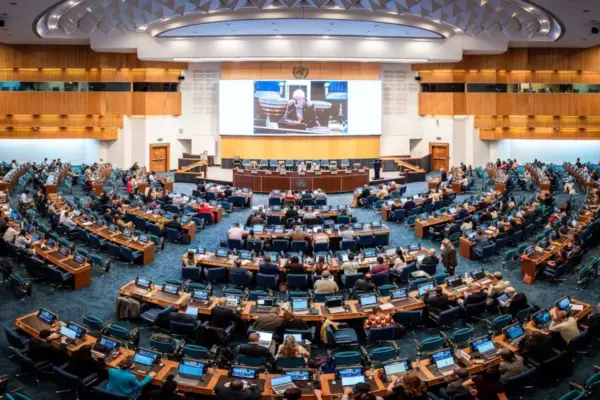
This year’s gathering carries immense geopolitical and environmental significance. It marks the formal halfway point between the historic agreement of the Kunming-Montreal Global Biodiversity Framework (GBF)—adopted at COP15 to halt and reverse nature loss—and the fast-approaching 2030 deadline for achieving its ambitious targets.
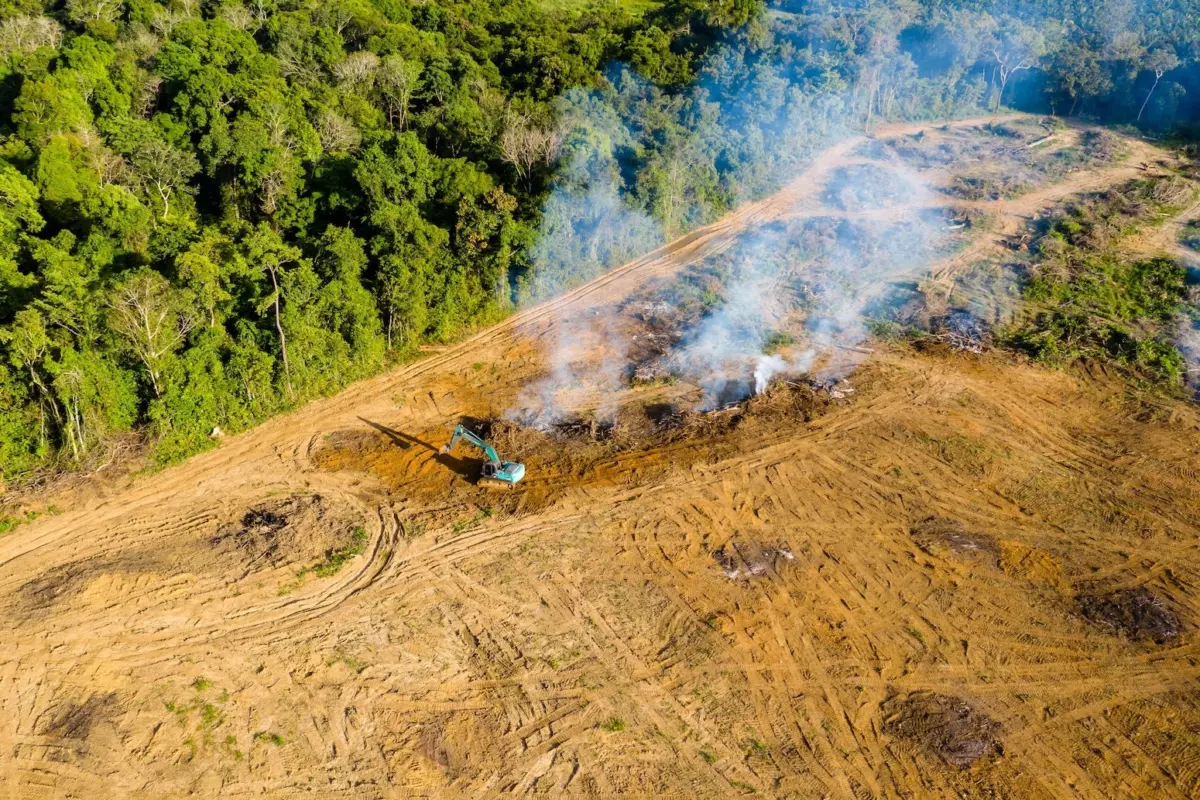
However, the mood leading into the Yerevan summit is shadowed by sobering scientific assessments. According to recent findings published by the CBD, the global community is currently lagging behind and falling short on an alarming 22 out of the framework’s 23 overarching nature targets for 2030. With only a few years left before the milestone deadline, delegates face intense pressure to bridge deep political and financial divisions to accelerate global conservation action.
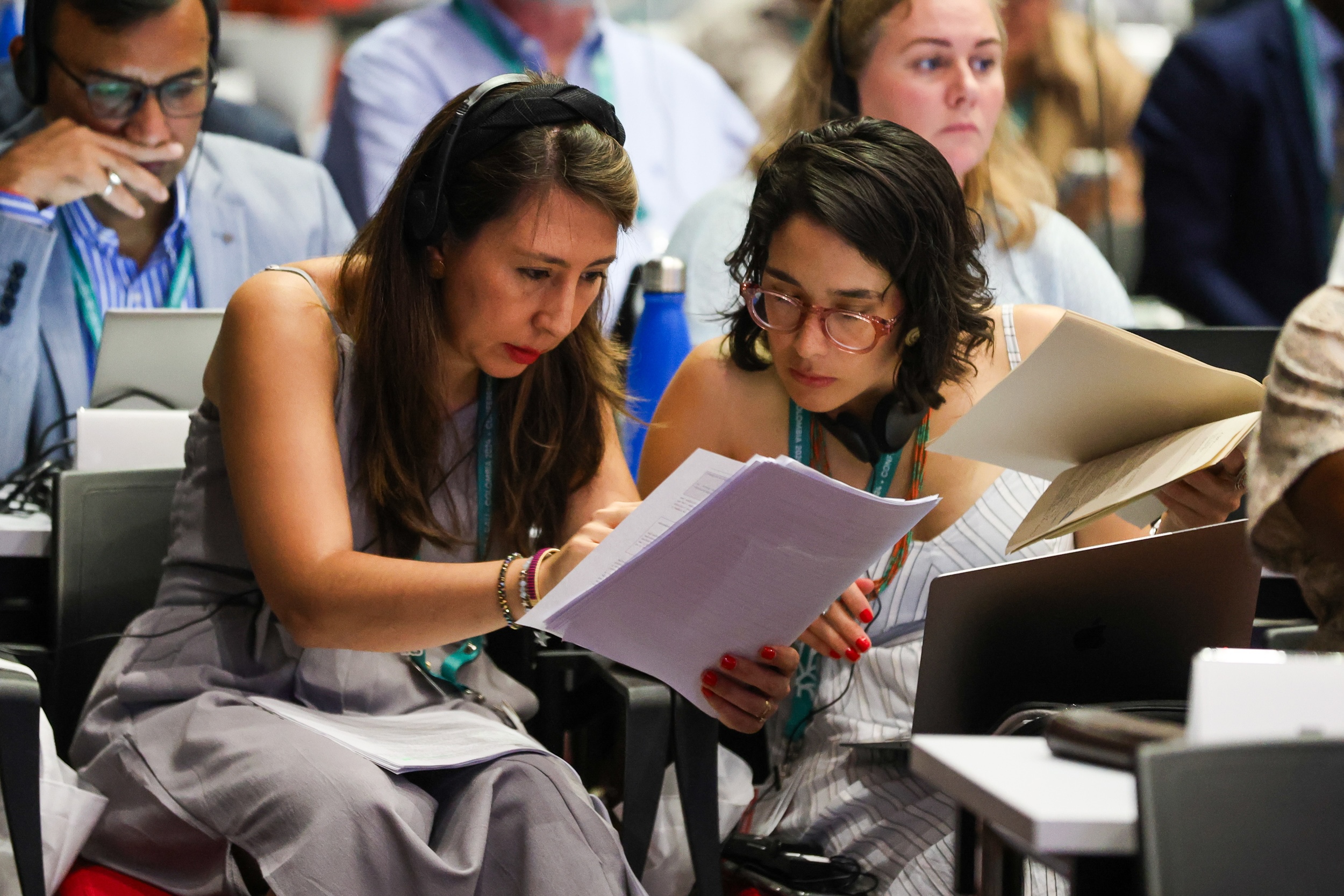
Beyond the core negotiations of the CBD, the two-week summit will see intensive parallel policymaking sessions relating to the treaty’s two vital supplemental protocols. These include the Cartagena Protocol, which governs biosafety and the safe transfer, handling, and use of living modified organisms, and the Nagoya Protocol, which addresses fair and equitable access to genetic resources and the sharing of benefits arising from their utilization. While integral to the broader biodiversity agenda, these supplemental protocols involve fewer participating members, with 173 parties signed on to the Cartagena Protocol and 141 bound to the Nagoya Protocol, each operating through their respective meetings of the parties, known as MOPs.
To navigate the complex web of ongoing negotiations, international observers and analysts are closely tracking progress across dozens of individual negotiating texts. These documents incorporate not only the current COP and MOP agendas but also draft decisions carried over from the most recent subsidiary body meetings, which serve as the foundational starting point for the discussions in Armenia.
The CBD relies on three specialized subsidiary bodies to perform technical, scientific, and implementation groundwork: the Subsidiary Body on Scientific, Technical and Technological Advice (SBSTTA), the Subsidiary Body on Implementation (SBI), and the Subsidiary Body on Article 8(j) and Other Provisions (SB8J). The latter body focuses specifically on issues concerning Indigenous peoples and local communities, a vital demographic in global conservation efforts that was formally elevated during COP16 in Cali, Colombia, in 2024.
As delegates sit down at the negotiating tables in Yerevan, the complexity of their task will be visually and structurally tracked through diplomatic shorthand. In UN draft texts, areas of persistent disagreement between nations are traditionally enclosed within square brackets. By counting the brackets in any given iteration of a negotiating text, negotiators and observers can instantly gauge how far apart parties remain from reaching a final consensus.
To simplify this process for tracking tools, the volume of remaining brackets is often color-coded, where dark green signals broad alignment and a low number of remaining brackets, while red highlights heavily contested paragraphs laden with opposing national views. In addition to bracketed text, negotiating documents frequently present delegations with alternative choices or options labeled as "alt," which represent differing legal pathways that must eventually be reconciled or discarded before a final decision can be adopted.
While the agenda for the two-week summit is extensive, the most fiercely contested discussions in Yerevan are expected to crystallize around two major thematic pillars: the comprehensive global review and the perennial challenge of international conservation finance.
The global review process will serve as an institutional stocktake, assessing collective international progress toward the implementation of the Kunming-Montreal Global Biodiversity Framework. More importantly, it is expected to formulate concrete policy recommendations designed to accelerate and scale up national conservation actions in the remaining years leading to 2030.
Meanwhile, the debate over finance remains the most politically volatile element on the table, split neatly into two interconnected components: resource mobilisation and the overarching financial architecture. Biodiverse nations of the global south are expected to push aggressively for a substantial increase in international public finance and resource flows from developed nations to adequately fund domestic conservation initiatives.
Deep divisions over the structural creation of a dedicated financial mechanism proved so intractable that they directly triggered the historic suspension of COP16 in Cali, Colombia, in October 2024, after exhausted delegates failed to reach a compromise before the official close of the summit.

At the heart of the standoff is a fundamental structural disagreement. Developing nations from the global south have vocally advocated for the establishment of a brand-new, independent financial mechanism operating under the direct control and authority of the CBD, arguing that existing funding structures are insufficient and difficult to access. Conversely, countries of the global north have largely favored maintaining the status quo, preferring to route conservation funds through the existing financial mechanism housed within the Global Environment Facility.
The deadlock was temporarily eased during a resumed session of COP16 held in Rome in early 2025, where countries managed to forge a compromise roadmap outlining a path toward establishing a permanent mechanism. However, turning that roadmap into operational reality will be the ultimate test for diplomats in Yerevan as they seek to rescue the 2030 biodiversity targets from falling permanently out of reach.