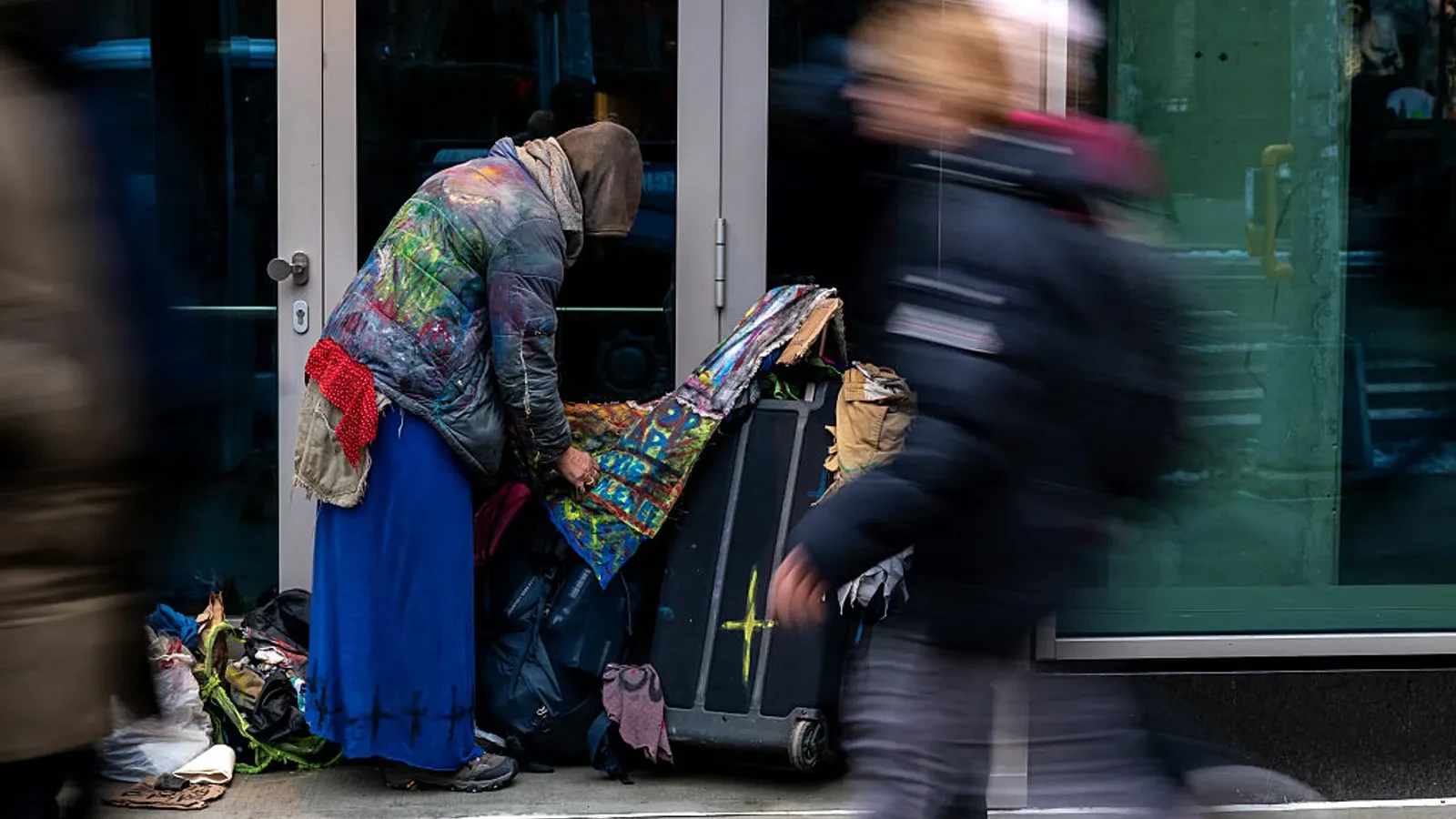
WASHINGTON — Fresh data released by the U.S. Department of Housing and Urban Development shows a notable, albeit modest, decrease in the nation’s unhoused population, providing a glimmer of hope in a long-standing crisis. Despite this downward trend—highlighted by a drop of approximately 47,000 individuals nationwide—federal leadership emphasizes that the broader picture of homelessness in America remains deeply concerning.
According to findings released by the agency, the total number of people experiencing homelessness has declined across several key demographics, offering a complex picture of progress and persistent challenge. However, this statistical shift has immediately ignited a fresh debate among federal officials, housing advocates, and policymakers regarding the most effective methods to address the crisis. At the heart of the debate is a fundamental disagreement over federal funding, resource allocation, and the philosophical approach to helping vulnerable populations find stability.
While independent evaluations point to measurable gains in certain areas, HUD leadership has seized upon the high overall totals to challenge long-standing federal strategies. The ongoing policy clash underscores the high stakes involved as federal, state, and local governments continue to search for durable solutions to homelessness.
Dive Insight: Navigating Divergent Philosophies on Homelessness
Despite a decline of around 47,000 unhoused people in HUD’s latest findings, homelessness “remains near a historic high,” HUD Secretary Scott Turner said in a news release Friday. He explicitly blamed “housing-first” policies for the stubborn persistence of high numbers, setting the stage for a significant shift in the agency’s operational and funding priorities.
For years, the housing-first model has served as the foundational framework for federal homeless assistance grants. This approach prioritizes placing individuals and families experiencing homelessness into permanent housing without preconditions—such as sobriety, mental health treatment, or employment requirements—while subsequently offering supportive services to help them maintain stability. Proponents of this philosophy have long argued that stable shelter provides the essential foundation needed to address underlying issues like substance abuse, trauma, or chronic medical conditions.
However, Secretary Turner and other critics contend that this model fails to sufficiently prioritize the root causes of chronic instability, such as untreated behavioral health disorders and severe substance use addictions.
“Clearly, there is more work to do,” Turner said in the release, adding that the agency will prioritize “treatment first” approaches to homelessness, a model that centralizes “accountability-driven engagement” and addiction recovery and services, according to HUD. Under this proposed framework, individuals would be channeled more directly into comprehensive treatment programs and mandatory supportive services as a core component of intervention efforts, representing a distinct pivot from the prevailing federal strategy of recent decades.
This ideological battle is not merely rhetorical; it has already spilled over into the legal system. The courts have blocked the Trump administration’s efforts to end funding for housing-first approaches, creating a tense standoff between the executive branch’s policy directives and judicial injunctions designed to protect existing federal grant structures. Advocacy groups and legal watchdogs have closely monitored these court battles, viewing them as crucial protective barriers for programs that serve society’s most vulnerable members.
Industry leaders and housing advocates have pushed back sharply against the administration’s characterization of housing-first initiatives and its attempts to dismantle or defund them. They argue that undermining established programs would destabilize a fragile ecosystem of care that has taken years to build and refine.
“For decades, Permanent Supportive Housing has been considered the gold standard for treating those with the greatest needs,” National Alliance to End Homelessness CEO Ann Oliva said in a news release responding to the administration’s announcements. “Yet, the program is vastly underfunded, and the Trump Administration has repeatedly attempted to defund it. This is a reckless approach that would surely erase these declines if it moves forward.”
Oliva and other housing experts maintain that the housing-first model, when properly resourced, offers the most humane and empirically supported path forward for individuals dealing with complex, overlapping crises. They argue that forcing individuals into treatment programs before securing stable housing creates insurmountable barriers, often resulting in people cycling back onto the streets or avoiding assistance programs altogether.
The debate takes place against a backdrop of nuanced data compiled by independent researchers and advocacy organizations. The alliance’s independent report provides a detailed breakdown of where progress is being made and where the crisis continues to dig in its heels. According to the report, researchers documented a 7.6% decline in sheltered homelessness, reflecting improvements in emergency shelter utilization and temporary housing programs across many participating municipalities.
Furthermore, the data revealed a 4.9% drop in unsheltered homelessness—individuals living in places not meant for human habitation, such as sidewalks, vehicles, parks, or abandoned buildings—signifying that outreach efforts and local interventions may be reaching people who are traditionally the most difficult to engage. Perhaps most notably, the report highlighted a nearly 8% decline in homelessness among veterans, a population that has been the focus of targeted federal, state, and local funding initiatives over the past decade. The sustained downward trend among veterans is frequently cited by policymakers as proof that dedicated resources, inter-agency cooperation, and specialized housing vouchers can yield tangible results when deployed effectively.
Despite these encouraging indicators in specific categories, the data also reveals areas of stubborn stagnation. The number of people experiencing chronic homelessness “remained relatively flat,” with an estimated 1% increase, the alliance found. Chronic homelessness—defined generally as individuals with disabilities who have experienced continuous or repeated homelessness for extended periods—has proven particularly resistant to standard interventions, serving as the primary evidence cited by critics of current policies who argue that structural changes are urgently needed.
As federal agencies, local service providers, and legal entities continue to navigate these competing priorities, the future direction of federal homelessness policy remains uncertain. With the courts temporarily shielding housing-first funding from immediate elimination, yet executive leadership pushing aggressively toward a treatment-first paradigm, communities across the nation are left to balance shifting federal guidelines with the immediate, daily realities of managing homelessness on the ground. The ongoing dialogue underscores the profound complexities of addressing one of the nation’s most persistent social challenges, ensuring that the debate over how best to house and heal the unhoused will remain at the forefront of American public policy.