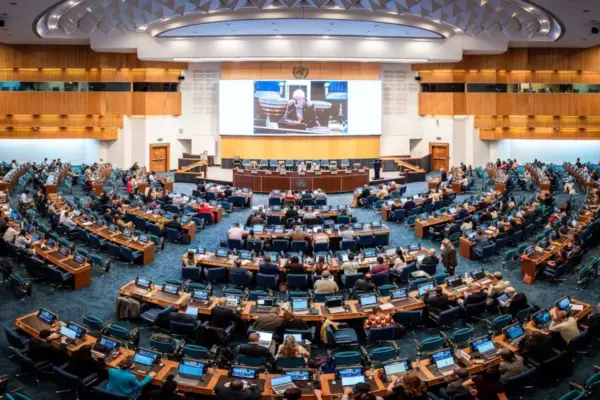
Next week, diplomats, environmental ministers, and international delegations from around the world will descend on Yerevan, Armenia, to negotiate a series of pivotal decisions under the United Nations Convention on Biological Diversity (CBD).
The high-stakes summit, scheduled to take place between 19 and 30 October, will bring together 196 parties to hammer out the precise wording of dozens of legal texts that make up the formal decisions under the Conference of the Parties (COP) to the CBD. This year’s gathering carries immense significance, as it marks the official halfway point between the landmark agreement of the Kunming-Montreal Global Biodiversity Framework (GBF) and the fast-approaching 2030 deadline for achieving its ambitious targets.
The urgency of the Yerevan talks is underscored by alarming findings from the CBD itself. According to draft UN reports, countries are currently falling short on 22 out of the framework’s 23 targets. The stark reality of this implementation gap means that delegates will face intense pressure to course-correct, revitalize political commitments, and establish more robust accountability mechanisms over the course of the two-week summit.
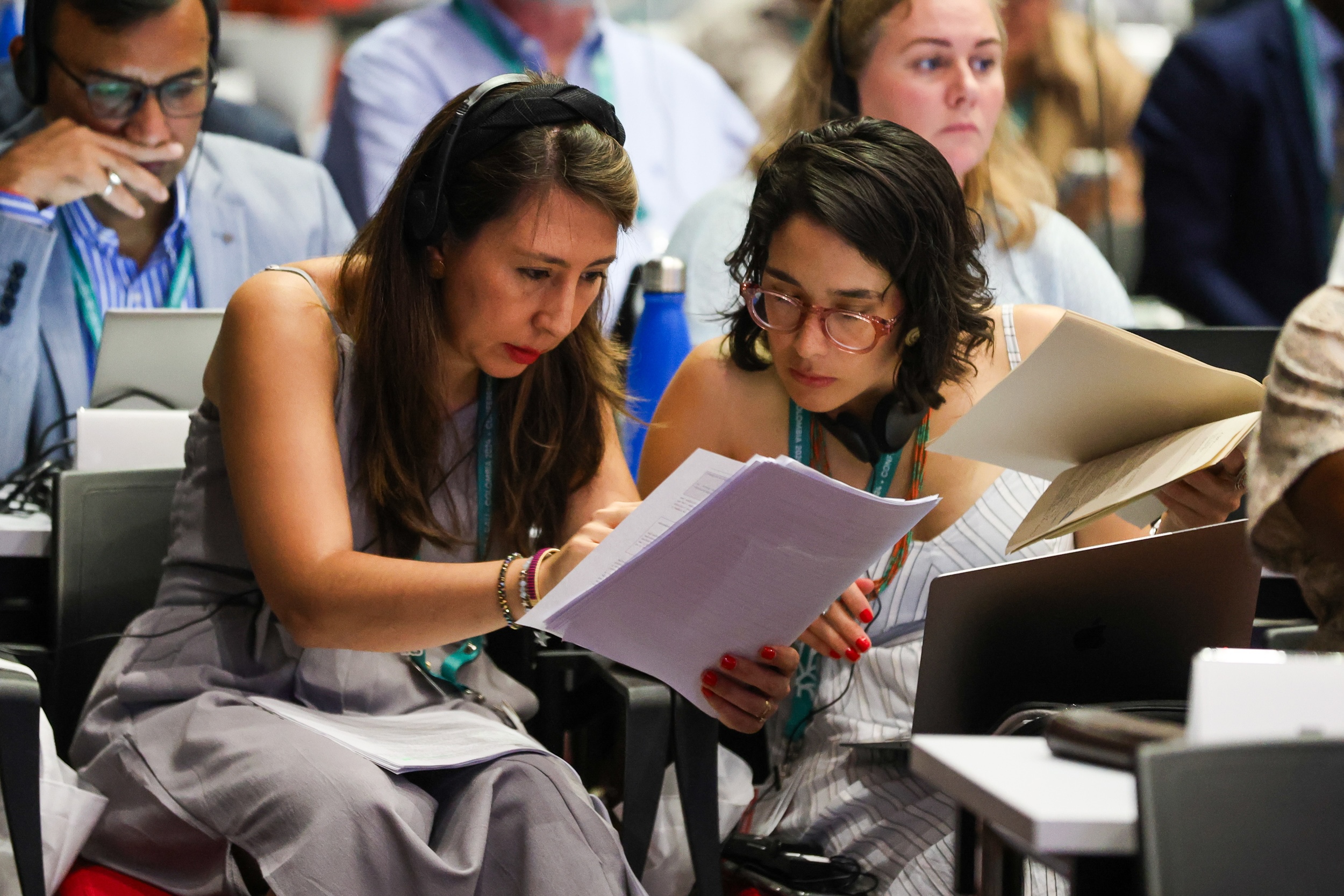
In addition to the main COP agenda, delegates in Yerevan will be heavily engaged in negotiating decisions relating to the two supplemental protocols to the CBD: the Cartagena Protocol, which governs biosafety regulations, and the Nagoya Protocol, which establishes rules for access and benefit-sharing regarding the use of genetic resources. While these protocols are integral to the broader biodiversity regime, they function through their own governing bodies known as meetings of the parties, or MOPs. Because not all signatories to the main convention have ratified the protocols, the Cartagena and Nagoya MOPs feature fewer participating parties, standing at 173 and 141 members, respectively.
Navigating the Complexities of International Environmental Law
Monitoring the intricate negotiations of nearly 200 nations requires parsing dense diplomatic language and tracking thousands of proposed amendments. Observers and policy analysts note that areas of disagreement within UN draft texts are traditionally denoted by square brackets. Consequently, counting the brackets in any given iteration of a text provides a reliable gauge of how far apart parties remain from achieving full consensus.
To help stakeholders monitor this diplomatic progress, specialized platforms like Carbon Brief have developed comprehensive tracking tools. These interactive databases map out negotiating texts across the COP, as well as the MOPs for the Cartagena and Nagoya protocols. They also incorporate draft decisions originating from the most recent subsidiary body meetings, which serve as the foundational starting point for the debates in Yerevan.
The CBD operates through three primary subsidiary bodies that feed technical and scientific recommendations into the main political negotiations. These include the Subsidiary Body on Scientific, Technical and Technological Advice (SBSTTA), the Subsidiary Body on Implementation (SBI), and the Subsidiary Body on Article 8(j) and Other Provisions (SB8J).
Notably, SB8J focuses specifically on issues related to Indigenous peoples and local communities, ensuring their traditional knowledge and rights are integrated into conservation strategies. This body was formally established during COP16, which took place in Cali, Colombia, in 2024.
Within the negotiating texts, disagreements are not only highlighted by square brackets but are also frequently presented through alternative options or differing formulations labeled as "alt." Tracking these linguistic choices alongside bracket counts allows negotiators and analysts to visualize the structural fault lines dividing different blocs of countries as they attempt to reconcile competing priorities.
The Central Battlegrounds: Global Review and Climate Finance
The key discussions and most contentious debates in Yerevan are expected to crystallize around two major agenda items. The first is the global review process, which will rigorously assess collective progress made toward the implementation of the Global Biodiversity Framework and formulate concrete recommendations for accelerating action in the remaining years leading up to 2030.
The second, and arguably most explosive, issue is finance. Financial negotiations at CBD summits generally break down into two distinct categories: resource mobilisation and the underlying financial mechanism. On the front of resource mobilisation, biodiversity-rich countries from the Global South are expected to push aggressively for a substantial increase in international public finance and private investment dedicated to conservation efforts.
Deep-seated disagreements over the architecture of the financial mechanism were so severe that they directly caused the unprecedented suspension of COP16 in Cali in October 2024. During that summit, weary delegates failed to bridge wide ideological divides over how conservation funds should be raised and distributed before the official closing gavel.
The core dispute centers on institutional control. Nations from the Global South have long advocated for the establishment of a separate, dedicated financial mechanism operating directly under the authority and control of the CBD. Conversely, developed nations in the Global North have largely favored maintaining the existing financial architecture, which routes conservation funding through the established Global Environment Facility.

Following the dramatic stalemate in Cali, countries managed to find a temporary diplomatic off-ramp at a resumed session of COP16 held in Rome in early 2025. During that gathering, parties successfully agreed upon a roadmap designed to guide the international community toward the eventual establishment of a permanent financial mechanism.
As delegations prepare to take their seats in Yerevan, the momentum from the Rome roadmap will be put to the test. With the 2030 deadline drawing closer and the overwhelming majority of nature targets currently off-track, the ability of diplomats to move past procedural hurdles and secure concrete funding agreements will determine whether the Kunming-Montreal framework can deliver on its promises.