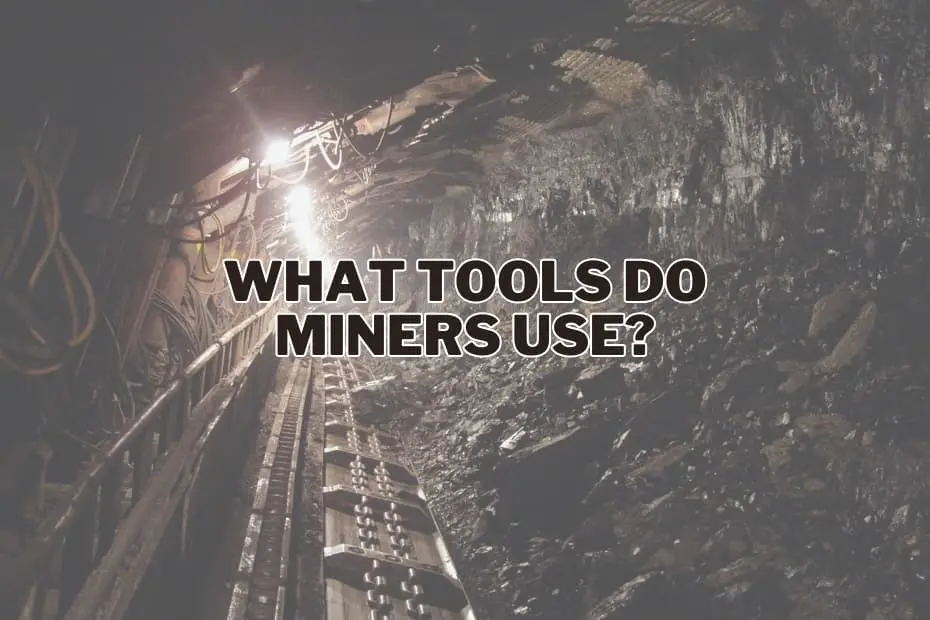
Mining remains one of the world’s oldest and most foundational primary industries, providing the raw minerals, metals, and geological materials necessary to sustain modern global infrastructure. However, the image of mining as a process reliant solely on manual labor and simple shovels long ago gave way to a sophisticated, multi-stage engineering enterprise. Today, extraction operations depend on a meticulously coordinated array of equipment—ranging from traditional hand tools and heavy-duty demolition gear to massive automated machinery and life-saving environmental control systems.
To understand how modern subterranean and surface mining operations run safely and efficiently, it is necessary to examine the specialized tools deployed at every phase of the process. From initial geological exploration and rock breaking to high-volume ore transportation and atmospheric management, each piece of equipment serves a distinct operational purpose.
1. Pickaxe
The pickaxe stands as a timeless symbol of the mining trade. Despite centuries of technological advancement, this fundamental hand tool retains a vital role in both preliminary geological exploration and specialized extraction tasks.
Modern mining pickaxes are forged from high-durability steel, designed specifically to withstand repeated heavy impacts against dense stone without fracturing or dulling prematurely. The tool features a dual-headed design—typically combining a pointed pick end for fracturing hard rock surfaces with a flat chisel edge for prying open rock seams and scraping away thin, mineral-bearing strata.
While heavy machinery handles broad earthmoving, the pickaxe allows miners to perform delicate, targeted manual work where larger equipment cannot maneuver or risks damaging delicate mineral veins. When used alongside personal protective gear such as heavy-duty gloves and reinforced hard hats, the pickaxe remains an enduring and versatile asset in a miner’s everyday kit.
2. Shovel
No mining site, whether an open-pit operation or an underground shaft network, can function without sturdy shovels. While heavy excavators handle bulk materials on a massive scale, heavy-duty manual shovels remain essential for clearing loose debris, cleaning work faces, and loading rock fragments into transport containers.
Mining shovels are built to withstand significantly higher stress than standard agricultural or gardening tools. They are typically constructed with reinforced steel blades, heavy-duty shafts, and ergonomic handles engineered to reduce physical fatigue. Common variations include broad-scoop shovels for shifting loose dirt and gravel, as well as sharp-pointed spades designed to break into compacted soil and fragmented rock.
Because the process of shoveling stone and mineral fragments frequently dislodges small rock chips and airborne dust, miners routinely pair shovel work with protective eyewear, including high-impact safety goggles, to prevent workplace eye injuries.
3. Drill
Mining drills are indispensable tools engineered to penetrate tough rock layers and reach deep underground mineral deposits that lie far beneath the earth’s surface. Depending on the scale of the operation and the density of the geological strata, miners deploy a wide range of drill types, extending from portable handheld power drills to massive, vehicle-mounted industrial drilling rigs.
The operational versatility of mining drills comes from their varied power sources, which include:
- Electric Drills: Frequently used in stable underground settings where consistent power infrastructure is available and zero exhaust emissions are required.
- Hydraulic Drills: Utilized for high-torque, heavy-duty rock penetration, leveraging fluid pressure to drive drill bits through dense rock formations.
- Pneumatic Drills: Powered by compressed air, these drills are widely favored in subterranean environments due to their reliability and heat resistance.
By creating precise boreholes, these excavation tools allow miners to assess rock density, install structural support bolts, or place explosive charges, drastically increasing overall operational productivity.
4. Sledgehammer
When heavy machinery is inaccessible—such as during the early exploratory phases of a mine or within narrow underground passages—the sledgehammer provides the raw mechanical force needed to shatter stubborn rock formations.
Engineered with a long handle and a heavy, forged-metal head, a sledgehammer relies on the miner’s manual swing to deliver focused, high-impact force. This tool is particularly useful for breaking apart large, dislodged boulders into smaller, manageable fragments that can be easily loaded onto carts or conveyor belts.
Because operating a sledgehammer involves high physical exertion and generates significant structural vibration, miners take strict safety precautions. The use of safety harnesses is common when operating on uneven or elevated rock faces, while protective helmets defend against falling debris loosened by the heavy impacts.
5. Jackhammer
Combining the rapid striking action of a hammer with the rotational or thrusting force of a drill, the jackhammer is a staple tool in both surface and underground mining. It allows operators to pulverize dense rock far faster than manual sledgehammers ever could.
Jackhammers operate primarily via pneumatic air pressure or hydraulic systems, driving a heavy steel bit back and forth at high frequencies to fracture tough rock faces. They are heavily utilized for cutting trenches, widening shafts, and breaking down large mineral-bearing slabs.
However, the immense power of a jackhammer produces significant operational hazards, including intense noise levels and thick clouds of fine rock dust. To mitigate these risks, operators must wear comprehensive protective gear, including anti-fog safety goggles, hearing protection, and specialized ventilation masks designed to prevent the inhalation of airborne particulates.
6. Helmet
Workplace safety in mining begins with proper head protection. No miner enters an active job site without a durable, impact-resistant safety helmet designed to shield the wearer from falling rocks, overhead obstacles, and structural impacts.
Modern mining helmets are constructed from high-density polymers or composite materials capable of absorbing extreme impact energy. Beyond structural defense, modern helmets serve as multi-functional safety platforms. Most are equipped with integrated mounting brackets for high-intensity headlamps, enabling miners to navigate dark subterranean tunnels safely while keeping their hands free to operate tools and equipment.
7. Safety Goggles
Eye hazards are pervasive throughout every stage of the mining process. Flying rock chips, sharp mineral splinters, fine dust, and chemical residues pose constant risks to mine workers. High-impact safety goggles are therefore a mandatory component of standard personal protective equipment (PPE).
Mining safety goggles feature clear, impact-resistant polycarbonate lenses designed to resist scratch damage and shattering under direct impacts. To maintain clear visibility in humid or dust-heavy underground environments, these goggles are engineered with anti-fog coatings and indirect ventilation ports that block flying particles while allowing air circulation.
8. Dynamite
When mechanical drilling and manual hammering are insufficient to breach thick, high-density rock walls, miners turn to commercial explosives such as dynamite. Dynamite provides the extreme energy required to blast through massive geological formations, exposing rich mineral veins deep within the earth.
Blasting with dynamite requires careful planning, precise borehole placement, and rigorous adherence to safety protocols. Miners drill specific charge holes using pneumatic or hydraulic drills, insert the explosive charges, and detonate them remotely after evacuating the area.
Because explosive detonations generate extreme concussive force and produce dangerous combustion gases, blasting operations are closely coordinated with high-capacity underground ventilation systems to ensure that toxic fumes are entirely cleared before workers re-enter the blast zone.
9. Excavator
Excavators represent the heavy-duty muscle of modern earthmoving and surface mining operations. These massive, track-mounted machines feature hydraulic booms, sticks, and heavy buckets capable of scooping up tons of raw earth, crushed rock, and unrefined ore in a single pass.
In open-pit and surface mining, excavators clear away non-valuable topsoil and overburden rock to reveal underlying mineral deposits. They are also heavily utilized to load blasted ore directly into haul trucks or crushing hoppers. The power and efficiency of excavators make them indispensable for maintaining high production rates across large-scale industrial mining sites.
10. Conveyor Belt
Once mineral-bearing rock is extracted, transporting thousands of tons of material out of deep mine shafts or across expansive surface facilities poses a major logistical challenge. Continuous automated conveyor belts provide an efficient, high-capacity solution for bulk material transport.
Conveyor belts use heavy-duty, reinforced rubber or synthetic belting stretched over motorized rollers to move continuous streams of crushed ore and debris across long distances. By replacing manual hauling and reducing reliance on fuel-powered transport vehicles within narrow shafts, automated conveyor systems significantly cut labor requirements, lower operating costs, and streamline the continuous flow of raw materials from the extraction zone to the processing plant.
11. Rock Splitter
While blasting with dynamite is effective, explosives are not always feasible, especially in areas with poor structural stability, strict noise regulations, or delicate underground formations. In such scenarios, miners utilize hydraulic rock splitters to break down massive boulders safely and quietly.
A rock splitter operates by inserting a metal wedge assembly into a pre-drilled hole in the stone. The device then applies immense hydraulic pressure outward from within the hole, exceeding the tensile strength of the rock and causing it to crack cleanly along natural stress lines. This process allows miners to fracture heavy stone into manageable pieces without producing dangerous concussive shockwaves, excessive flying debris, or toxic chemical fumes.
12. Mining Cart
Mining carts have been a foundational transport technology since the early days of industrial mining. Rolling along dedicated rail tracks laid through subterranean tunnels, these specialized open-topped railcars are engineered to transport heavy loads of raw ore and rock out of deep extraction zones.
Modern mining carts are built from heavy-gauge steel and are designed to endure severe abrasive wear and heavy impact loading. While early mine carts relied on manual pushing or animal draft power, contemporary rail systems utilize mechanical winches, electric locomotives, or automated haulage setups. Rail-mounted carts remain highly efficient for moving dense materials smoothly along fixed underground routes.
13. Headlamp
In the pitch-black environment of deep underground mines, high-intensity headlamps are essential for worker safety and operational performance. Mounted directly onto a miner’s protective helmet, a headlamp provides hands-free illumination, allowing workers to read geological cues, detect structural hazards, and operate complex tools safely.
Contemporary mining headlamps utilize long-lasting, energy-efficient LED technology powered by lightweight, rechargeable lithium-ion battery packs. Designed to withstand severe impacts, moisture, and dust, these lighting systems are often engineered with explosive-proof casings to prevent electrical sparks from igniting volatile underground gases.
14. Ore Crusher
Extracted rock often leaves the mine face in large, irregular chunks that cannot be directly processed to yield pure metals or minerals. Ore crushers are industrial mechanical systems located at processing facilities designed to reduce large boulders into smaller, uniform fragments.
Using massive mechanical jaws, rotating cones, or high-speed impact hammers, ore crushers exert intense compressive force to fracture raw stone. Crushing the material increases its overall surface area, making subsequent processing steps—such as chemical leaching, grinding, or smelting—substantially more efficient and maximizing the total recovery yield of valuable minerals.
15. Ventilation System
Underground mining creates inherent atmospheric dangers, including reduced oxygen levels, high ambient temperatures, heavy particulate dust, and the accumulation of toxic or explosive gases. Industrial ventilation systems serve as the critical life-support network for subterranean operations.
These advanced systems use high-capacity surface fans, air ducts, pressure regulators, and subterranean air scrubbers to continuously circulate fresh surface air through deep shafts and tunnels. A primary function of the ventilation system is flushing out hazardous combustion gases, dangerous dust particulates, and toxic compounds like carbon monoxide. By maintaining clean, breathable air and controlling heat levels, ventilation systems ensure a safe working environment deep below ground.
Modern Integration Across Geological Fields
The tools and equipment utilized in modern mining do not exist in isolation; they represent an integrated ecosystem of technology that bridges several earth-science disciplines. Specialized tools used by miners often work in tandem with equipment deployed by field geologists—who identify mineralized structures and analyze core samples—and site surveyors, who use precise measuring tools to map underground shafts and ensure structural alignment.
Understanding the function of these tools highlights the sheer technological scope of modern extraction. From basic hand tools like the pickaxe to automated conveyor networks and subterranean air scrubbers, every piece of equipment plays a distinct role in keeping operations safe, sustainable, and productive.
Frequently Asked Questions
What is the most important safety tool for miners?
A protective helmet equipped with a high-intensity headlamp is considered the primary safety tool. It protects the wearer from falling rock fragments and overhead hazards while providing essential hands-free illumination in dark subterranean environments.
Why do miners use dynamite?
Miners use dynamite and commercial explosives to rapidly break through high-density, solid rock formations that resist manual or mechanical breaking. Blasting allows crews to access deep-seated mineral veins quickly and efficiently.
What types of drills are used in mining?
Mining operations utilize electric, hydraulic, and pneumatic drills. Electric drills are common in stable setups, hydraulic drills provide heavy-duty torque for dense stone, and pneumatic drills use compressed air for high reliability in underground conditions.
How do conveyor belts help miners?
Conveyor belts automate the transport of heavy, excavated ore and mine tailings across long distances. This continuously moves material from extraction faces to surface processing sites, reducing manual hauling efforts and operational costs.
What role do ventilation systems play in mining safety?
Ventilation systems act as subterranean life-support networks. They continuously supply fresh surface air to underground shafts, regulate working temperatures, and dilute or evacuate dangerous airborne particulates and toxic gases such as carbon monoxide.