
As the commercial unmanned aerial systems industry continues to mature and scale globally, regulatory hurdles concerning airspace access and communications infrastructure remain at the forefront of policy discussions. In a significant development for the sector, the Federal Communications Commission (FCC) has highlighted an overwhelming wave of industry backing for a proposed regulatory overhaul. This pivotal policy shift would effectively remove longstanding, decades-old restrictions that have historically barred commercial drones from utilizing critical low-band cellular spectrum.
Ahead of a scheduled vote by the Commission on Thursday, October 29, the office of FCC Chairman Brendan Carr released a comprehensive collection of public statements from major telecommunications giants, prominent drone manufacturers, and key industry associations. This concerted display of solidarity underscores a shared vision among stakeholders: that modernizing wireless communications rules is an absolute necessity to safely and effectively expand the commercial drone economy across the United States.
At the heart of the upcoming decision is a proposal to open 50 megahertz of licensed, nationwide, low-band cellular spectrum specifically for drone operations. According to regulatory disclosures from the FCC, an outdated rule has effectively prevented uncrewed aircraft from accessing and utilizing this particular segment of the cellular spectrum for approximately 35 years. Originally designed with terrestrial mobile devices and legacy communication systems in mind, the decades-old framework failed to anticipate the technological demands and immense potential of modern autonomous flight.
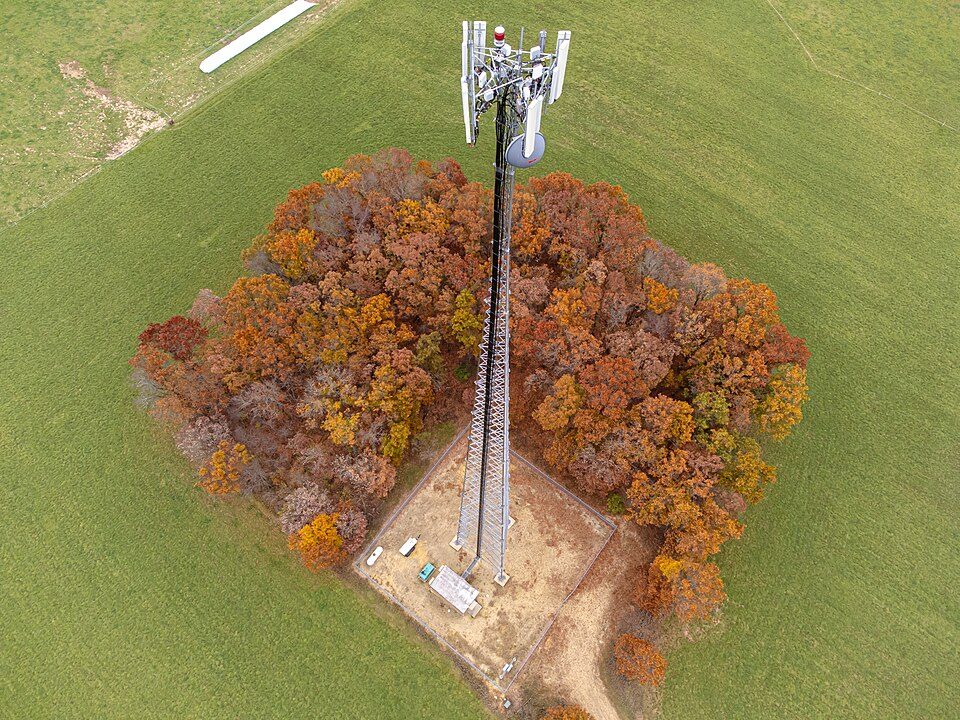
By lifting these legacy restrictions, the FCC’s proposed order would grant commercial operators the ability to leverage existing cellular infrastructure. This integration provides a vital new layer of communication capabilities, offering robust alternatives to traditional radio-frequency links. In the fast-evolving landscape of commercial aviation, reliable wireless connectivity is far more than a convenience; it is an indispensable operational requirement, particularly as companies push the boundaries of what autonomous systems can achieve in densely populated or remote environments.
Expanding Cellular Connectivity for Drones
The implications of this potential regulatory shift are particularly profound for beyond visual line of sight (BVLOS) operations. For years, industry advocates and commercial stakeholders have pointed to spectrum access as a foundational bottleneck holding back routine BVLOS flights. Without continuous, high-reliability command-and-control links, scaling autonomous operations over extended distances remains exceptionally challenging.
Industries poised to benefit immediately from enhanced access to cellular networks include routine drone delivery services, large-scale infrastructure inspection operations, and critical public safety missions. When a first responder deploys an aerial asset to assess a disaster zone or monitor an active emergency, maintaining a stable, low-latency connection to the aircraft is paramount. Similarly, commercial delivery fleets relying on automated routing require uninterrupted data streams to ensure safety, precision, and compliance throughout every phase of flight.
Despite the sweeping nature of the proposed spectrum access, the FCC has maintained clear operational boundaries. The proposed change regarding the 800 MHz cellular band would not, in and of itself, authorize BVLOS flights nationwide. Commercial operators seeking to conduct such missions would still be legally required to meet all applicable regulatory requirements and secure the necessary approvals from the Federal Aviation Administration (FAA). The FCC’s pending order focuses strictly on spectrum allocation and communications infrastructure, leaving airspace management firmly under the purview of aviation safety regulators.
Furthermore, the initial announcement released by the FCC on October 27 did not detail the exact technical conditions governing the use of the spectrum, nor did it establish a precise timeline for when the new rules would officially take effect should the vote pass. Those technical parameters and implementation schedules are widely expected to be clarified within the text of the final order, making the upcoming Commission vote a crucial milestone for fleet managers and telecommunications engineers alike.
Drone and Telecommunications Industries Voice Support
The broad coalition supporting the FCC’s initiative bridges two major economic sectors: telecommunications and unmanned aviation. The October 27 announcement featured enthusiastic endorsements from leading companies and advocacy groups, including Amazon, AT&T, Verizon, the Association for Unmanned Vehicle Systems International (AUVSI), the Commercial Drone Alliance, ANRA Technologies, DRONERESPONDERS, and numerous specialized drone technology developers.
Representing the interests of autonomous vehicle developers, AUVSI emphasized the direct correlation between flexible spectrum policy and commercial scalability. In a statement released ahead of the vote, the organization noted that reliable connectivity is the lifeblood of routine beyond visual line of sight flight. By making more spectrum available and allowing it to be utilized flexibly, regulators are directly empowering the industry to scale its operations safely and efficiently across diverse commercial markets.
Major retailers and logistics pioneers are also heavily invested in the outcome of the vote. Amazon, which continues to advance its ambitious drone delivery initiatives, highlighted the critical role that robust communications infrastructure plays in meeting growing consumer demand. As the commercial footprint of drone delivery expands to serve a greater number of customers in suburban and urban environments, dependable wireless communications become an absolute prerequisite for maintaining safety margins and operational visibility.
The enthusiastic backing from major wireless carriers—most notably AT&T and Verizon—illustrates the symbiotic relationship developing between telecommunications providers and the aviation sector. Existing cellular networks are uniquely positioned to provide the widespread, high-capacity coverage required to track and manage low-altitude air traffic. By opening the 800 MHz band, carriers can unlock new revenue streams while helping to build a more resilient, connected airspace ecosystem.
Public safety organizations have similarly rallied behind the proposal. DRONERESPONDERS, a prominent advocacy network for law enforcement, fire service, and emergency management personnel utilizing uncrewed aircraft, welcomed the proposed change. Public safety missions often take place in challenging environments where traditional communication channels are congested or compromised. Access to additional cellular spectrum promises to enhance the reliability of video downlinks and telemetry data, ultimately helping first responders save lives and protect communities more effectively.
FCC Vote Scheduled for October 29
The upcoming Commission vote represents the culmination of a broader, concerted effort by the FCC to foster domestic drone development and champion innovative commercial operations. By aligning telecommunications policy with the rapid technological advancements of the aerospace sector, the agency aims to secure American leadership in next-generation transportation and logistics.
While the October 27 announcement served primarily to spotlight the depth and breadth of stakeholder consensus rather than delivering a final regulatory verdict, anticipation within the tech and aviation communities remains high. The formal vote scheduled for October 29 will determine whether the proposed framework moves forward, setting the stage for a new era of connected flight.
As industry stakeholders look toward the decision, the final order is expected to lay the foundational groundwork establishing specific technical conditions, power limits, and operational guidelines for utilizing the 800 MHz cellular band. Once enacted, these guidelines will give manufacturers and operators the regulatory clarity they need to integrate cellular connectivity deeply into their next-generation aircraft designs and operational software platforms.