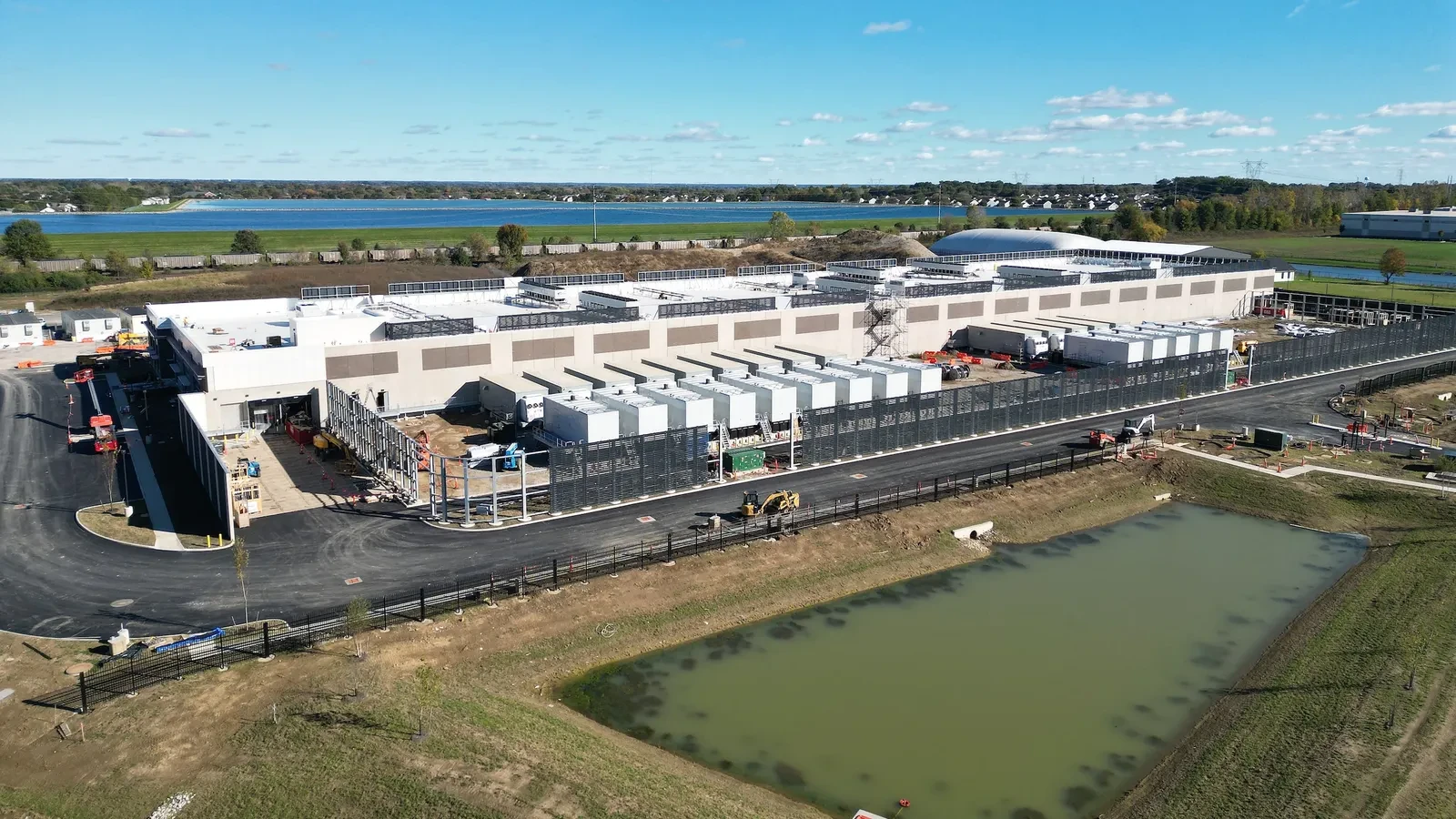
The November 3 showdown represents the peak of a broader movement occurring throughout the year. At least 49 local ballot measures regarding data centers have been or will be placed on ballots across 13 states in 2026, according to Ballotpedia tracking. All six of the measures that have already been decided by voters prior to November have resulted in limitations on development. Additionally, voters in Clarksville, Arkansas, are scheduled to decide whether to authorize municipal bonds related to specific data center projects in a separate special election on December 1.
More than half of the November 3 ballot measures—totaling 21 measures—are concentrated in Ohio. The state has quickly emerged as one of the nation’s fastest-growing hubs for data center investment, currently hosting 257 data centers within its borders. Of the measures facing Ohio voters next month, 11 ask communities to explicitly prohibit data centers, while six call for specific zoning changes related to their development.
The local pushback in Ohio follows extensive prior municipal action. At least 138 Ohio municipalities and townships have already enacted moratoriums on data center development, and 23 communities in the state have effectively banned them altogether, according to reporting by the Ohio Capital Journal. Meanwhile, a grassroots effort aimed at amending Ohio’s state constitution to prohibit data centers with a peak load of more than 25 megawatts per month ultimately missed the deadline required to secure a spot on the November 3 ballot. Organizers and backers of that constitutional amendment are now actively working to gather support and secure placement on the ballot next year.
Industry observers note that the sheer volume of local measures is a direct reflection of community anxieties meeting heavy industrial planning. Ishyan Veluppillai, who tracks state and local data center policy for energy companies and investors at the investment advisor group Capstone, explained the dynamic to Smart Cities Dive.
"It’s not surprising that we have this many local ballot initiatives on data center moratoriums, and particularly in Ohio because of the higher concentration there," Veluppillai said. "As communities across this calendar year have been trying to respond to projects that are being announced in their own backyards, this is one of the tools that some communities are using to properly regulate the industry and future projects."
As data center development accelerates at an unprecedented pace to meet the insatiable commercial demand for artificial intelligence compute power, voters from across the political spectrum are pushing back. Data centers have unexpectedly emerged as a central flashpoint issue in the midterm elections. Political campaigns have poured significant resources into messaging, with more than $45 million spent on political advertisements explicitly mentioning data centers in gubernatorial, House, and Senate races between January and September, according to data from NPR. The intensity has only grown as the election approaches; spending on political ads discussing data centers surged by 61% month-over-month in September alone, market intelligence firm Sensor Tower reported to Marketing Brew.
Analysts studying the intersection of technology and local governance argue that the backlash is driven less by a specific ideological opposition to artificial intelligence and more by the abrupt and often opaque manner in which multi-billion-dollar projects are introduced to unsuspecting neighborhoods.
"The mutiny is about the way this technology is being introduced into people’s lives, and I would argue that that has been pursued in a shoddier way than usual," said Mark Muro, a senior fellow at Brookings Metro, during a webinar last week focused on data centers on the ballot in the 2026 midterms.
Muro added that residents’ anxieties manifest in various ways depending on the municipality. "People may be worried about electricity costs, or water, or automation, or agents going rogue, but more broadly, they seem to feel they have little say in how AI is being rolled out."
Looking ahead past the November 3 elections, policy experts anticipate that the outcomes at the ballot box will profoundly shape legislative agendas moving into the next calendar year. The results will likely influence how state lawmakers and municipal leaders approach the industry going forward.
"Depending on next week’s results, I think this momentum towards trying to get more community involvement will continue," Veluppillai said. He noted that state officials could respond to the election results by granting greater autonomy to cities and counties over local data center policy.
For local lawmakers, the implications will become apparent almost immediately as legislative calendars for the upcoming year approach.
"For city and county officials, I think the biggest implication is in pre-filing windows for the 2027 state sessions," Veluppillai said. "As soon as the elections are complete and we know which way the wind’s blowing for data centers, I think you’ll start seeing a lot of legislation get introduced."