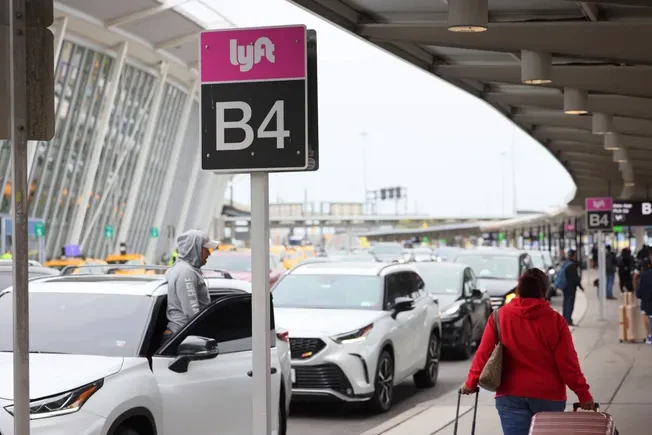
The United States Department of Justice has taken legal action against major ridesharing platform Lyft, filing a comprehensive civil lawsuit that accuses the company of systematically violating federal disability rights laws. According to federal authorities, the rideshare giant has repeatedly failed to accommodate passengers with physical and sensory disabilities, resulting in widespread service denials across the country that violate the Americans with Disabilities Act.
The federal complaint highlights the scope of the alleged violations, naming 13 specific individuals whom the department asserts were wrongfully denied transportation services by Lyft drivers. However, the legal filing goes far beyond these specific instances, alleging that the systemic problem is much wider in scale. Federal prosecutors state in the legal documents that Lyft actually denies service to hundreds, and potentially thousands, of individuals with disabilities, cutting them off from essential transportation options relied upon by the general public for daily commuting, medical appointments, social engagements, and employment.
The lawsuit underscores ongoing federal scrutiny of the ridesharing industry regarding equal access and compliance with civil rights legislation. Transportation equity advocates and legal experts have closely monitored how federal agencies apply traditional public accommodation laws to modern app-based transportation networks, which have transformed urban mobility over the past decade.
Personal Accounts Detail Ongoing Struggles
The Department of Justice complaint outlines distressing personal accounts from affected riders, illustrating the daily barriers faced by individuals living with disabilities when attempting to book rides through the platform.
In one instance cited in the federal filing, a resident of Nevada who is required to use a wheelchair or a walker following a severe automobile accident detailed multiple occurrences where Lyft drivers explicitly refused to provide service upon seeing the wheelchair. Despite requesting standard or accessible vehicle options where available, the passenger was left stranded and forced to make alternative arrangements due to driver prejudice or a lack of proper accommodation.
Another troubling case highlighted in the complaint involves a deaf and blind individual residing in the state of Washington. This passenger relies on a trained guide dog for navigation and routinely utilizes Lyft’s specific opt-in feature designed to alert incoming drivers to the presence of a service animal and the passenger’s specific disabilities. Despite utilizing these platform tools to ensure clear communication and compliance before pickup, the individual "continues to experience frequent service denials," according to the text of the official complaint. Such recurring incidents demonstrate, federal attorneys argue, that the platform’s existing technical features and policies are entirely insufficient to protect passengers from unlawful discrimination in the field.
These detailed accounts form the backbone of the government’s argument that Lyft has failed to ensure its independent contractor network adheres to federal civil rights mandates, creating an environment where discrimination against vulnerable populations remains persistent and unchecked.
Federal Officials Emphasize the Promise of the ADA
In announcing the legal action, representatives from the Department of Justice’s Civil Rights Division emphasized the critical importance of upholding federal statutes designed to protect equal access for all members of society.
"Individuals with disabilities should be able to rely on rideshare services free of discrimination," said former Acting Assistant Attorney General Jesus Osete of the department’s Civil Rights Division in an official statement addressing the lawsuit. "We intend to uphold the ADA’s promise that people with disabilities are entitled to equal access in every part of public life, including essential transportation services."
The statement serves as a stark reminder to the broader tech and transportation sectors that digital platforms operating in the public sphere are bound by the same non-discrimination requirements as traditional transportation providers, such as taxis, buses, and rail systems. Federal prosecutors maintain that as ridesharing has evolved to become a dominant form of urban transit, companies operating these networks bear a legal and moral responsibility to ensure their services are fully inclusive and accessible to everyone, regardless of physical ability or the use of assistive devices and service animals.
Broader Industry Context and Legal History
The enforcement action against Lyft is part of a broader, sustained regulatory and legal push by federal authorities to ensure that app-based transportation networks comply fully with the Americans with Disabilities Act. The Department of Justice previously filed a strikingly similar civil lawsuit against industry competitor Uber last year. That legal proceeding against Uber remains active and is currently winding its way through the federal court system, as legal teams argue over compliance standards, platform responsibilities, and systemic accessibility improvements.
Beyond these active federal lawsuits, both major ridesharing companies have previously faced legal challenges regarding disability discrimination and have settled past matters out of court. Uber reached a settlement in a separate accessibility lawsuit back in 2022, agreeing to take steps toward improving service availability for riders with disabilities. Similarly, Lyft previously entered into a settlement agreement regarding a different disability-related lawsuit back in 2020. Despite those historical agreements and policy adjustments made by the companies over the years, federal authorities maintain that ongoing violations persist, necessitating renewed and aggressive legal intervention to protect consumers.
As the legal proceedings unfold, questions remain regarding how ridesharing platforms monitor, enforce, and maintain compliance among their vast networks of independent drivers, and what technological or operational changes may be required to resolve the systemic issues raised by the federal government. Representatives for Lyft have not yet responded to requests for comment or issued a public statement regarding the specifics of the newly filed Department of Justice complaint.