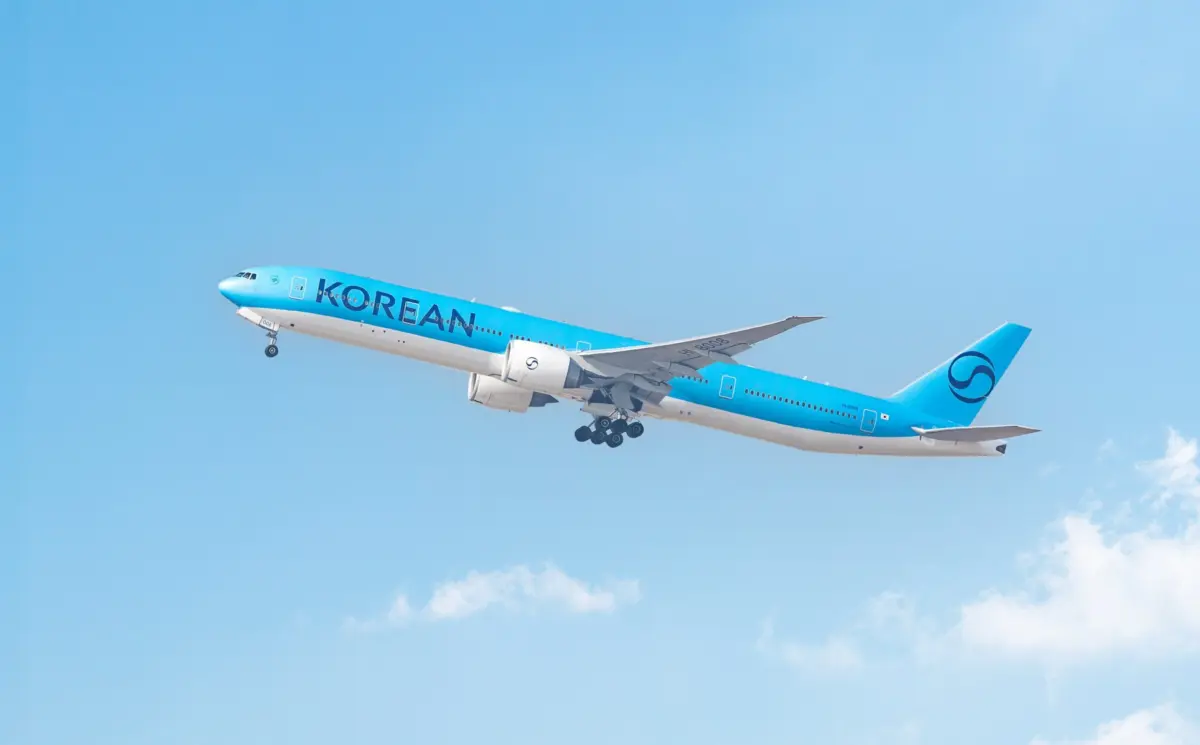
As the aviation and financial sectors continue to evolve in late 2026, major global carriers and associated travel rewards programs are refining how they engage with consumers. In an update published on November 12, 2026, Korean Air highlighted ongoing adjustments to its partner networks, advertising disclosures, and editorial methodologies, reflecting a broader industry push toward transparency in co-branded credit card marketing and consumer communications.
The updates, detailed in recent publishing guidelines and partner disclosures, underscore the complex financial ecosystems that support modern commercial aviation. Co-branded credit cards and financial partnerships remain a critical revenue stream for international airlines, allowing carriers to monetize loyalty programs while offering travelers lucrative pathways to earn miles, cabin upgrades, and elite status. However, these programs also face heightened scrutiny regarding regulatory compliance, consumer clarity, and the clear separation between commercial partnerships and independent editorial analysis.
According to the transparency statements issued alongside the carrier’s recent updates, the specific credit cards and financial products featured across various promotional platforms are provided through arrangements with commercial partners. Under these agreements, the publishing or hosting entities receive compensation when consumers are approved for financial products through referral links featured on their sites. This standard affiliate model influences how and where specific credit card offers appear, though industry observers note that it represents a conventional monetization strategy shared by digital financial publications and travel blogs worldwide.
Despite these commercial relationships, the publishing guidelines emphasize a strict firewall between financial sponsors and editorial content. The disclosures explicitly state that partner institutions do not cover the entirety of available credit card products in the marketplace, meaning that consumers are often viewing a curated selection of offers rather than an exhaustive industry-wide catalog. Furthermore, the analysis, product reviews, and consumer opinions published in conjunction with these offers are produced entirely by independent editorial teams, aiming to maintain objective standards for travelers evaluating loyalty rewards and spending strategies.
The underlying terms and conditions associated with these financial offers remain subject to frequent adjustments by the issuing banks and network providers. Consumers are consistently advised to review official product documentation, including detailed fee structures, interest rates, welcome bonus requirements, and foreign transaction fees, directly through the respective issuing institutions or official policy pages. This emphasis on due diligence aligns with broader consumer protection trends observed across global financial markets, where regulators increasingly demand clear, prominent disclosures regarding affiliate compensation and potential conflicts of interest.
In addition to financial disclosures, the updated guidelines incorporate standard editorial disclaimers designed to protect the independence of published viewpoints. Opinions expressed by reviewers, travel analysts, and commentators belong solely to the individual authors rather than any participating bank, credit card issuer, airline, or hotel chain. Moreover, these third-party corporate entities do not review, approve, or otherwise endorse the commentary published by editorial teams, ensuring that public evaluations of airline products and loyalty programs remain independent of corporate influence.
As the travel industry navigates the final months of 2026, the intersection of loyalty programs, airline economics, and digital publishing continues to mature. Korean Air’s ongoing management of its partner ecosystem illustrates the delicate balance carriers must strike between driving ancillary revenue through financial partnerships and preserving consumer trust through rigorous editorial transparency. For travelers and loyalty program members alike, staying informed about these dynamics remains an essential part of maximizing the value of airline miles and travel rewards in an increasingly competitive global marketplace.