The United Kingdom has successfully avoided the need for natural gas imports worth an estimated £5.9bn since the onset of the ongoing Hormuz crisis, new analysis reveals. Driven by a historic surge in domestic renewable generation from wind and solar, the nation has managed to cushion itself against severe global fossil-fuel supply shocks that have sent wholesale energy markets soaring to heights not witnessed since the 2022 energy crisis.
According to comprehensive data published by Carbon Brief, the UK’s transition toward clean energy has fundamentally altered the domestic energy landscape. While international geopolitical tensions in the Middle East have severely constrained fossil-fuel logistics and driven up gas prices, record-breaking output from wind and solar farms has directly displaced the need for gas-fired electricity generation.
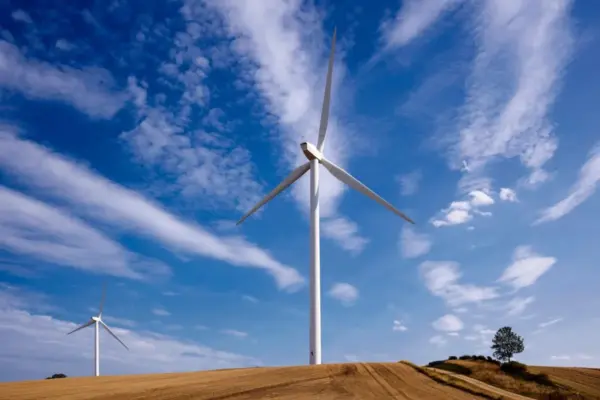
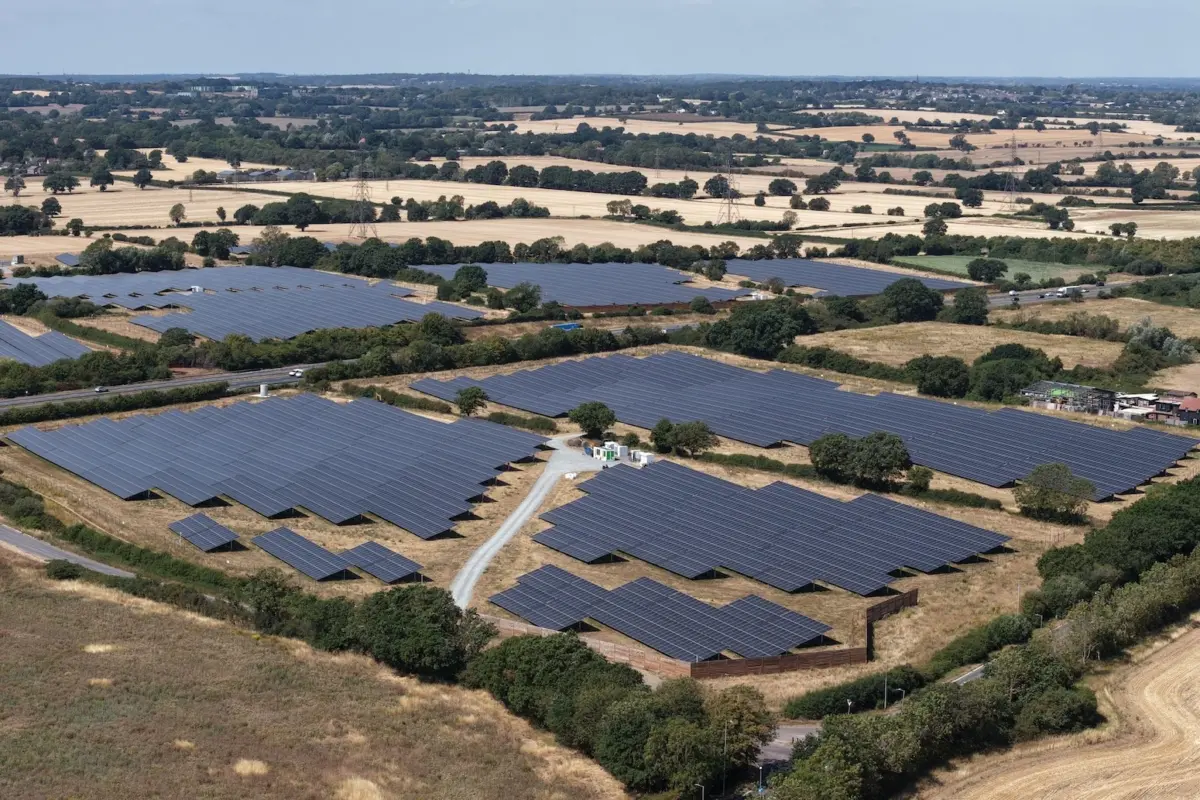
The figures underline a critical turning point for the nation’s energy security. Wind and solar generation across the UK is up by 14% year-on-year, pushing the clean-power sector to supply a record 41% share of the country’s total electricity needs so far in 2026. Conversely, gas-fired generation has dropped by nearly 10% over the same timeframe, accounting for roughly 25% of the national electricity mix.
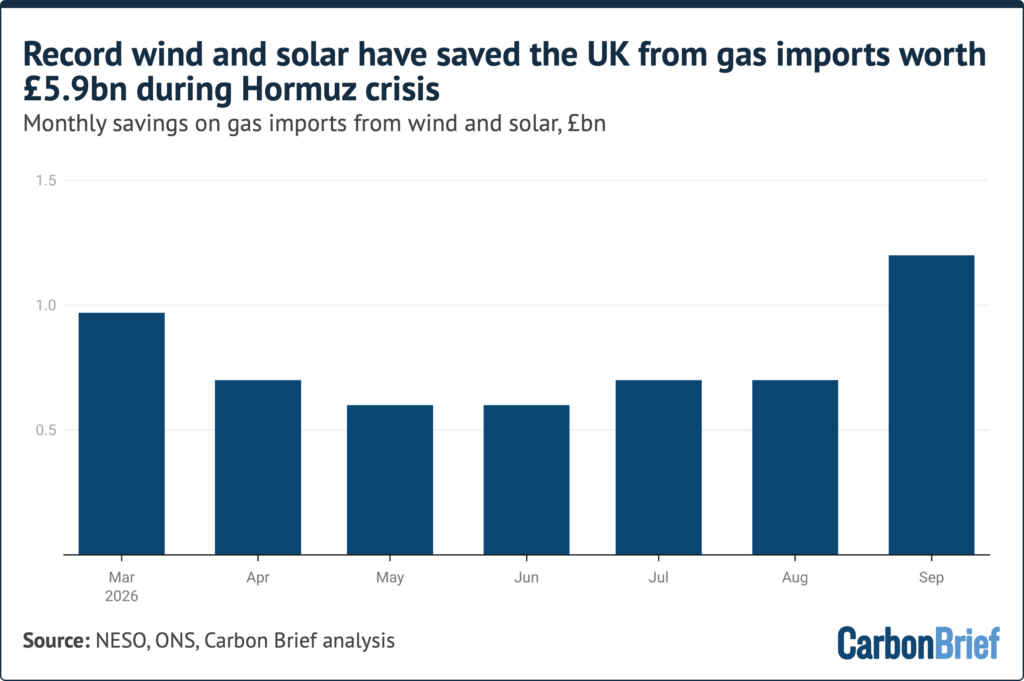
Analysts estimate that the volume of gas imports sidestepped thanks to this renewable boom is equivalent to avoiding more than 100 additional tanker deliveries of liquefied natural gas (LNG). For September alone, surging gas prices combined with nearly 10 terawatt-hours (TWh) of wind and solar output have yielded roughly £1.3bn in avoided import costs, updating previous savings tracked earlier in the spring following the outbreak of the US-Iran conflict in February 2026.
Global Energy Shocks and Surging Wholesale Prices
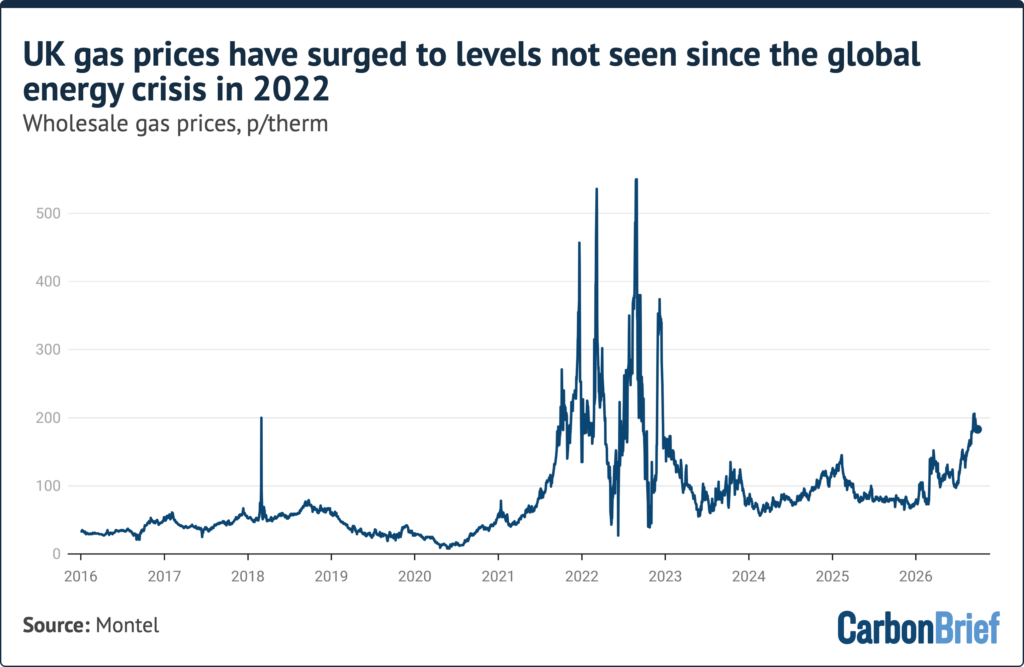
The unprecedented savings come against a backdrop of persistently volatile global energy markets. Wholesale gas prices in the UK have remained under heavy pressure ever since Russia slashed pipeline supplies to Europe in the wake of its 2022 invasion of Ukraine. Between 2023 and the beginning of this year, British gas prices hovered around an average of 90p per therm—roughly triple the baseline levels seen in 2019 prior to the disruptions of the Covid-19 pandemic and the European conflict.
However, the outbreak of war in the Middle East in early 2026 injected a fresh wave of instability into global supply chains. Since March, gas prices have climbed even higher, averaging 134p per therm—nearly four times pre-crisis levels. As autumn settles in, the market has tightened further. For September 2026, wholesale gas prices have spiked to an average of 189p per therm, reaching their highest peaks since the height of the 2022 global energy crisis.
Market analysts attribute these renewed price spikes to a convergence of seasonal and geopolitical pressures. With winter approaching, demand for domestic heating is climbing across Europe just as the disruptions in the Strait of Hormuz show no signs of abating. Compounding the challenge, European gas storage inventories remain critically low. This dynamic sets the stage for heightened international competition, forcing Europe into a precarious tug-of-war with Asian markets to secure the dwindling cargo shipments of LNG necessary to sustain heating and power supplies through the colder months.
Diverging Impacts on Household Energy Bills
While wholesale market volatility continues to batter fossil-fuel importers, the rapid expansion of renewable energy is beginning to fracture the traditional link between gas markets and consumer electricity bills. In the UK, high wholesale gas prices are translating directly into increased household costs under the regulatory price cap managed by Ofgem, whereas electricity bills have remained remarkably stable.
Beginning October 1st, typical household gas bills are set to rise by roughly 33% compared to rates seen in April, adding approximately £200 per year to the average consumer’s expenses, according to analysis by the independent think tank Nesta. In stark contrast, household electricity bills are projected to increase by a mere 4%, heavily insulated by the growing abundance of home-grown renewable generation.
Andrew Sissons, director for a sustainable future at Nesta, highlighted the shifting market dynamics on social media, noting that the historic link tying electricity pricing directly to gas costs has officially begun to break.
The economic fallout of the Hormuz crisis extends far beyond natural gas, placing severe financial burdens on nations reliant on imported refined petroleum. Economies across the European Union have reportedly absorbed an extra €100bn in fossil-fuel import costs since the crisis began, with low- and middle-income nations bearing the heaviest macroeconomic toll. In the UK, diesel prices have climbed to record highs touching £2.00 per litre. By contrast, recent analyses emphasize that operating electric vehicles remains up to nine times cheaper than running traditional petrol or diesel cars.
Political Responses and the Push for Energy Independence
The structural vulnerabilities exposed by the crisis took center stage at the recent Labour party conference. Addressing delegates, Energy Secretary Miatta Fahnbulleh emphasized that domestic energy bills remain stubbornly high precisely because the nation remains overly exposed to the whims of volatile international fossil-fuel markets.

Prime Minister Andy Burnham echoed these sentiments during his address, underscoring that the ongoing expansion of domestic renewables and nuclear capacity is the primary shield mitigating the impact of high gas prices on everyday electricity consumers.
"We are already taking more control of our electricity prices with a massive expansion of home-grown renewables and nuclear," Prime Minister Burnham told the conference. He added that he has instructed the energy secretary to accelerate efforts to decouple consumer electricity prices from the international gas market in order to drive down household costs permanently.
As geopolitical tensions in the Middle East persist and winter energy demands draw closer, the strategic value of the UK’s surging wind and solar capacity has transformed from an environmental goal into an essential pillar of national economic defense.