The United Nations Office for the Coordination of Humanitarian Affairs (OCHA) has released a comprehensive global update detailing severe humanitarian emergencies unfolding across multiple regions. From escalating hostilities and displacement in Yemen and Sudan to the preparations for the upcoming olive harvest and ongoing food distributions in the Occupied Palestinian Territory, alongside looming El Niño flood threats in Somalia, humanitarian agencies are facing immense pressure. Across these diverse theaters of conflict and climate vulnerability, OCHA continues to emphasize the urgent need for unhindered aid access, reinforced protection for civilians, and vital international financial contributions to sustain life-saving operations.
Yemen
Hostilities displace over 128,000 people
The humanitarian situation in Yemen has taken a critical turn as ongoing hostilities continue to drive widespread displacement across the country. According to the latest reports from the United Nations Office for the Coordination of Humanitarian Affairs (OCHA), more than 128,000 individuals have been forced to flee their homes since the 1st of August. As families abandon conflict-affected areas, food and emergency shelter remain the most urgent and immediate needs on the ground, with local resources stretched to their absolute limits.
The crisis has severely impacted vulnerable populations, particularly women and girls. In overcrowded displacement sites, the lack of adequate privacy and safety infrastructure has significantly elevated the risks of sexual violence, exploitation, trafficking, and early marriage. Humanitarian partners on the ground are actively scaling up their response efforts to meet these compounding vulnerabilities. Over the past twenty-four hours alone, relief partners have successfully reached another 1,000 households with essential aid. However, humanitarians caution that these efforts are barely scratching the surface of the growing crisis. Additional financial resources and safe, sustained humanitarian access are urgently required to keep pace with the rapidly expanding needs of displaced communities.
Amid these grim circumstances, OCHA has issued a renewed and firm call to all parties involved in the conflict. The agency insists on the absolute necessity of protecting civilians, explicitly reminding combatants that health workers and their ambulances must be safeguarded under international humanitarian law. Furthermore, OCHA has demanded the immediate facilitation of unhindered humanitarian aid delivery to all populations in desperate need of assistance. For individuals and organizations looking to contribute directly, donations made through UN Crisis Relief help various United Nations agencies and international humanitarian non-governmental organizations deliver critical support to vulnerable families across Yemen.
Occupied Palestinian Territory
West Bank: UN, partners support preparations for olive harvest
In the Occupied Palestinian Territory, humanitarian efforts in the West Bank are heavily focused on supporting local farmers and agricultural communities as they prepare for the upcoming olive harvest season next month. The annual harvest is a cornerstone of the local economy and cultural heritage, but farmers face escalating obstacles and security risks that threaten their livelihoods.
To mitigate these challenges, the United Nations and its various humanitarian partners are actively providing farmers with essential agricultural equipment and supplies. At the same time, relief organizations are stepping up advocacy efforts to secure increased access to vital agricultural groves, particularly those located across the West Bank Barrier and in close proximity to Israeli settlements. Last month, these efforts received a financial boost when the Occupied Palestinian Territory Humanitarian Fund—managed by OCHA on behalf of the Humanitarian Coordinator—allocated US$1 million specifically for the protection of agricultural livelihoods throughout the West Bank.
The urgency of this protective support is underscored by worrying historical data. Between the 1st of October and the 30th of November last year, coinciding directly with the harvest period, a staggering 185 settler attacks were recorded across 70 distinct communities. This figure represents a dramatic increase compared with fewer than 100 attacks recorded during the same corresponding periods between 2021 and 2023. During last year’s harvest violence alone, more than 6,000 trees and precious saplings were vandalized or destroyed in settler attacks, prompting humanitarian partners to mobilize emergency support systems for the affected farming families.
Gaza: 732,000 daily meals delivered to people in need
Meanwhile, humanitarian operations inside Gaza continue to press forward in the face of persistent funding shortfalls and restrictive administrative and logistical measures imposed by Israeli authorities. Despite these formidable obstacles, food security partners have maintained a steady distribution cycle. During the first two weeks of September, in-kind assistance was successfully delivered to more than 460,000 people as part of the ongoing monthly distribution program. Due to severely limited stockpiles, each recipient family was provided with a single food parcel and one 25-kilogram bag of flour, an allotment designed to cover roughly half of their minimum daily caloric needs.
As of the 10th of September, a coalition of 25 humanitarian partners continued to prepare an impressive 732,000 meals every day. These meals are prepared across more than 100 community kitchens and distributed to over 1,100 distinct locations throughout the enclave. In addition to hot meals, approximately 90,000 two-kilogram bread bundles have been baked daily by 22 subsidized bakeries as of last week, while agricultural support, including fodder, is being distributed to local farmers to encourage domestic food production.
Humanitarian partners stress that food operations, much like all other relief efforts operating within the enclave, are entirely dependent on a steady supply of fuel—a commodity requiring much greater funding to secure. Furthermore, sustaining these large-scale operations requires the ongoing maintenance of back-up generators, transport vehicles, and specialized equipment. To achieve this, humanitarians emphasize that more Israeli approvals are urgently needed to allow humanitarian organizations and the private sector to bring essential spare parts, engine oil, and other critically required maintenance items into Gaza.
Sudan
Displacement, food insecurity increase as violence escalates
The humanitarian situation in Sudan remains deeply alarming as OCHA reports continuing escalation in violence, expanding displacement, and rapidly worsening food insecurity across multiple regions. Local sources have documented a fresh wave of deadly clashes. On the 19th of September, fierce fighting erupted at the Al Borsa Market in the town of El Daein, located in East Darfur, resulting in casualties and the partial closure of the vital commercial hub. On the exact same day, armed intercommunal clashes broke out at the Abuja Market in the town of Gereida, South Darfur, leaving 13 people dead and displacing more than 400 others. Additional casualties were similarly reported following violent encounters in the town of Nyala.
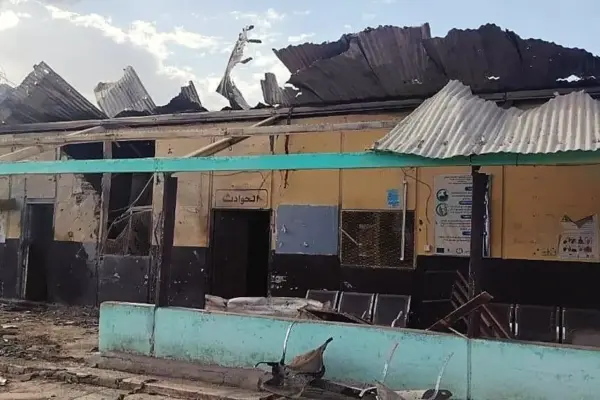
The relentless fighting across North Kordofan, South Kordofan, Blue Nile, and North Darfur states continues to drive waves of forced displacement. Humanitarian partners on the ground report that several thousand people have been newly displaced over the past week alone. The destruction is not limited to residential areas; civilian infrastructure is increasingly caught in the crossfire. In North Kordofan, UNICEF reported that two warehouses located in the Shikan locality were struck by drone attacks on the 20th of September. The strikes completely destroyed more than 330,000 essential learning materials that had been pre-positioned for distribution at the official start of the school year. This incident followed a series of alarming drone attacks reported in El Obeid between the 20th and 21st of September.
In response to these developments, OCHA has reiterated its call for all parties to the conflict to strictly uphold their obligations under international law, demanding the immediate protection of civilians and civilian infrastructure. Furthermore, humanitarians are pressing for unhindered, rapid, and safe access to ensure assistance reaches populations in need for as long as the crisis demands.
Parallel to the violence, food insecurity is deepening into a profound crisis. In the Tawila locality of North Darfur, bread has reportedly been completely unavailable in local markets for four consecutive days after local bakeries were forced to shut their doors on the 18th of September amid mounting tensions over spiraling bread prices. According to data from the World Food Programme, the cost of the local food basket has surged by 13 percent compared to the previous month, mirroring broader, nationwide increases in the prices of essential commodities.
Somalia
El Niño rains could impact up to 3.4 million people
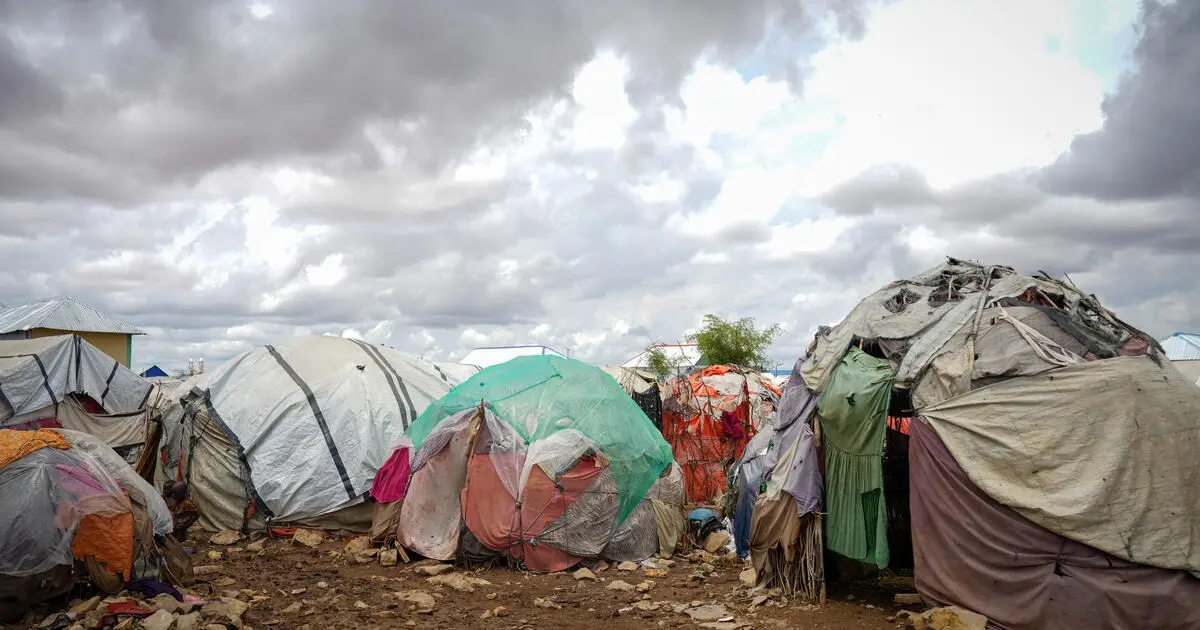
Looking ahead toward severe climate threats in the Horn of Africa, OCHA has issued an urgent warning that projected heavy El Niño rains could directly impact up to 3.4 million people across Somalia. The severe weather forecasts, spanning the upcoming rainy season from October through December, indicate that 16 of the country’s 18 regions are at risk, with the regions of Hiraan, Middle Juba, and Lower Juba facing the most acute danger.
Humanitarians fear that the impending flooding could match or even surpass the catastrophic benchmarks set by the severe weather events of 2023 and 1997, which stand as Somalia’s worst historical flood markers. The threat is particularly acute because these heavy rains arrive before vulnerable communities have had any meaningful opportunity to recover from the prolonged and devastating drought that has plagued the country this year. The lethal combination of widespread flooding, new population displacement, and compromised sanitation infrastructure is expected to dramatically heighten the risk of waterborne disease outbreaks. This public health threat is compounded by the fact that at least 380 health facilities have already been forced to close or are operating at severely reduced capacities due to ongoing funding constraints. Additionally, 115 mobile health units have ceased operations, completely cutting off the sole source of medical care for numerous remote and hard-to-reach populations.
In response to these compounding risks, the United Nations, its humanitarian partners, and the Somali Government have actively stepped up disaster preparedness initiatives. These proactive measures include comprehensive risk analysis, detailed contingency planning, anticipatory action campaigns, community awareness programs, and the pre-positioning of emergency relief supplies in high-risk zones. However, significant operational gaps remain, particularly regarding localized funding and readiness infrastructure in the most vulnerable areas.
Drawing critical lessons from the 2023 climate emergency—when compounding floods and droughts displaced 2.3 million people and affected millions more—OCHA is actively coordinating response preparedness at both the national and state levels to maximize readiness. Nevertheless, humanitarians emphasize that the window of opportunity for effective preparedness is rapidly closing. OCHA is issuing an urgent appeal for additional financial resources to bolster early action initiatives ahead of the peak El Niño season. Currently, this year’s $852 million Somalia Humanitarian Needs and Response Plan remains severely underfunded at only 31 percent, with just $262 million having been successfully received to date.