By Elayne Wangalwa
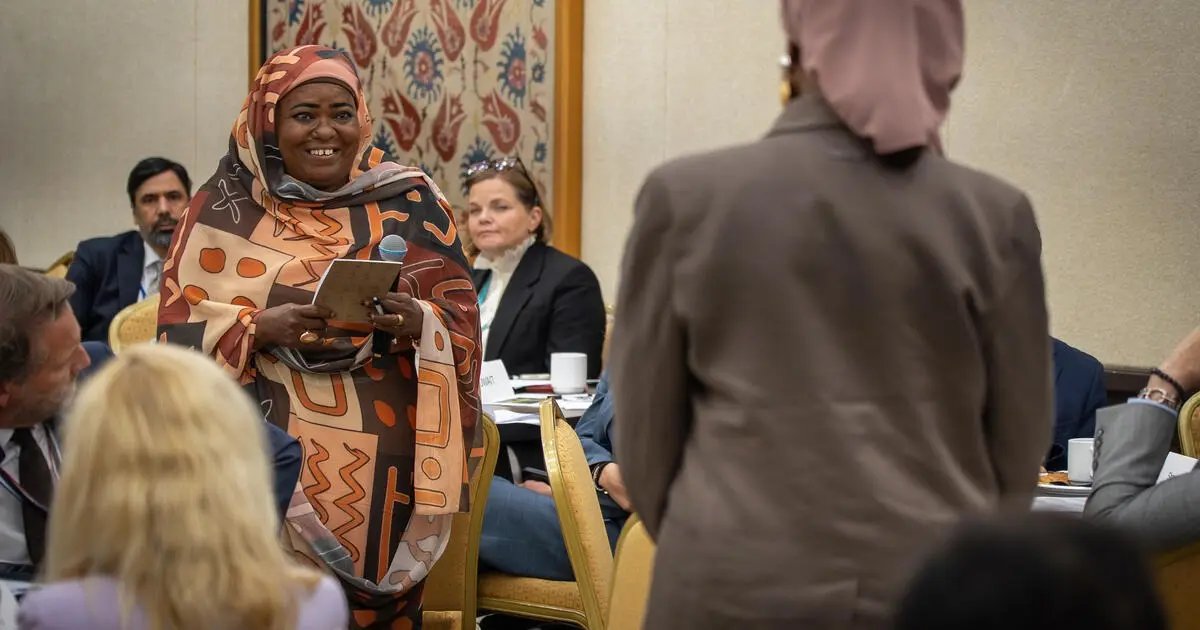
NEW YORK — National non-governmental organizations are not merely secondary implementing partners on the front lines of global crises, but rather the essential backbone of humanitarian delivery. That was the central message delivered by Sudanese women’s rights leader Nour Hussein Al Sewaty Mohammed, widely known as Mama Nour, during a high-level ministerial event at the United Nations General Assembly.
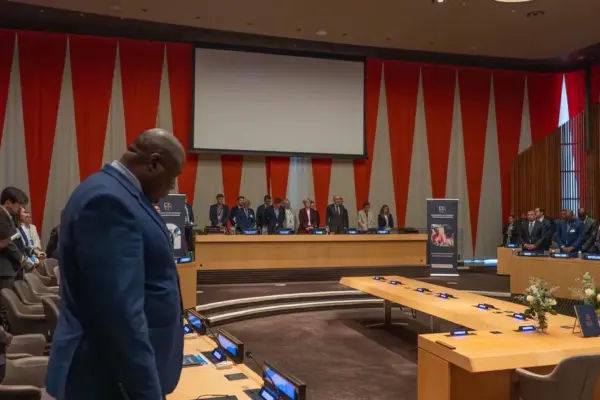
Speaking at a packed session titled “87 Million Lives: Delivering on the Promise,” Mama Nour addressed an audience of local humanitarian leaders, government officials, international donors, United Nations agency representatives, civil society members, philanthropists, and private sector stakeholders. The high-level gathering was convened to evaluate strategies for reaching populations facing the world’s most severe humanitarian needs, amidst a backdrop of deepening global crises, shrinking resources, and immense operational challenges.
For Mama Nour, true support for local organizations transcends the basic financial mechanics of transferring funds from international accounts to domestic ones. International partners, she argued, must take the time to deeply understand the domestic organizations they work with, meet their staff face-to-face, assess community needs collaboratively, and remain actively engaged throughout the entirety of a humanitarian response.
“National NGOs are not just implementing partners, but the backbone of humanitarian delivery,” Mama Nour told the ministerial-level side event, emphasizing the need for genuine solidarity rather than superficial engagement. “Go see and learn from the NGOs on the ground.”
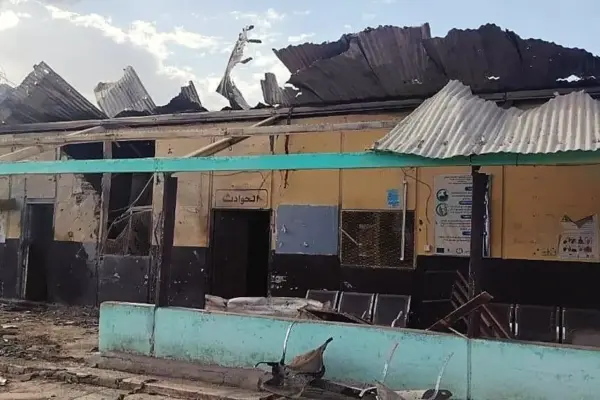
Mama Nour brings firsthand lived experience to her advocacy. As the leader of Shamaa, a prominent Sudanese organization dedicated to supporting women who have survived gender-based violence, as well as their children, she operates directly within one of the world’s most catastrophic conflict zones. A survivor herself, she has made the restoration of dignity, safety, and agency for women and girls affected by Sudan’s devastating war the central focus of her life’s work.
Her sentiment regarding the nature of international aid and local agency was strongly echoed by Sami Khader, Director General and one of the founding leaders of the MA’AN Development Center in the Occupied Palestinian Territory. Addressing the assembly, Khader pointed out that national and local organizations routinely shoulder enormous, life-threatening operational risks while simultaneously struggling with a severe lack of institutional support and sustainable resources.
“If you need a stronger organization, you have to build their capacity, you have to build their systems to be able to deliver quality and accountable services to the people,” Khader asserted during the discussion.
Khader went on to advocate for a fundamental transformation in how international entities relate to local organizations. Rather than acting as dominant overseers or competing for the same humanitarian space, international organizations should transition into enablers that empower local actors to take the lead.
“We need to move from competition to complementarity,” Khader said, highlighting the resilience and capability of domestic responders. “We are able to lead. We are looking for a real equal partnership.”
The overarching demand for more equitable partnerships formed the core of the discussions throughout the session. Participants delved into the complex requirements for reaching the most vulnerable populations across the globe. The dialogue made it clear that solving modern humanitarian emergencies requires more than simply allocating larger sums of money; it demands robust protection for humanitarian workers, guaranteed operational access to cut-off areas, and a decisive shift of power and resources directly into the hands of local responders who understand the nuances of their communities.
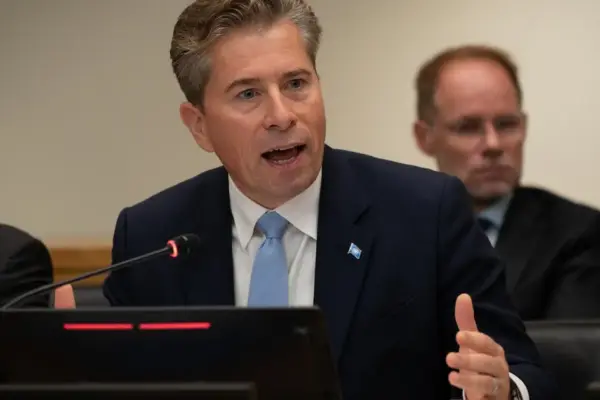
Emergency Relief Coordinator Tom Fletcher, speaking at the event, reinforced the notion that local leaders must occupy the central role in designing and executing humanitarian responses. Highlighting their daily courage, Fletcher described the domestic aid workers as the true heroes and heroines of modern international relief efforts.
However, participants at the ministerial event concurred that verbal recognition and praise must be paired with tangible resources, deep institutional trust, and genuine decision-making authority. For Mama Nour, meaningful localization is ultimately anchored in sustained partnership, a comprehensive understanding of local organizations, a clear identification of both operational strengths and institutional gaps, collaborative programme development, and consistent engagement from project inception through final implementation.
“Please stay the course,” Mama Nour urged the international community, reminding donors and UN agencies that protracted crises require long-term commitment rather than short-term attention.
The urgency of these partnerships is set against a daunting financial backdrop. The global humanitarian response plan for 2026 is currently seeking US$23 billion in total funding to reach an estimated 87 million people who are confronting the most severe, life-threatening needs. Providing an update to the assembly, Fletcher reported that approximately $14 billion has been successfully mobilized to date, allowing humanitarians to deliver critical, life-saving assistance to roughly 40 million people worldwide.
Despite these vital achievements, a massive funding shortfall persists. Fletcher pointed out that the current contributions leave humanitarians facing a staggering $9 billion gap.
“Anyone still counting the numbers, you’ll see that leaves us $9 billion short of even the hyper-prioritised target we’re trying to reach, let alone the money we need to raise to reach the over 200 million other people in need,” Fletcher stated, emphasizing the sheer scale of unmet global suffering.
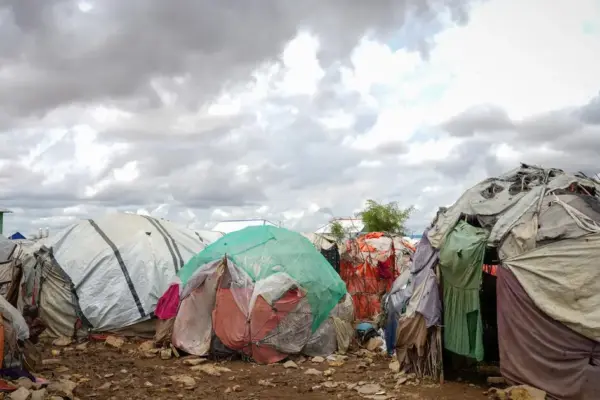
The 87 million individuals positioned at the center of the current campaign represent only a fraction of worldwide humanitarian requirements. Millions of other people in crisis remain outside the hyper-prioritized response framework because international organizations are increasingly forced to concentrate scarce, diminishing resources exclusively on populations facing the absolute most extreme and immediate conditions of survival.
To bridge these gaps and maximize the impact of available assistance, Fletcher stressed that financial contributions alone will not suffice. He issued a direct call for concerted diplomatic action, urging world leaders to secure ten critical humanitarian access agreements. Successfully negotiating these agreements could unlock access and enable aid organizations to reach an additional 11 million people trapped in some of the world’s most volatile and inaccessible crises. These critical regions include Sudan, the Democratic Republic of the Congo, Haiti, Afghanistan, Yemen, South Sudan, Ukraine, and the Occupied Palestinian Territory.
“We need your diplomatic support as well as your support for this campaign,” Fletcher concluded, underscoring that political will and diplomatic intervention are just as vital as financial donations in saving human lives and empowering local responders on the ground.