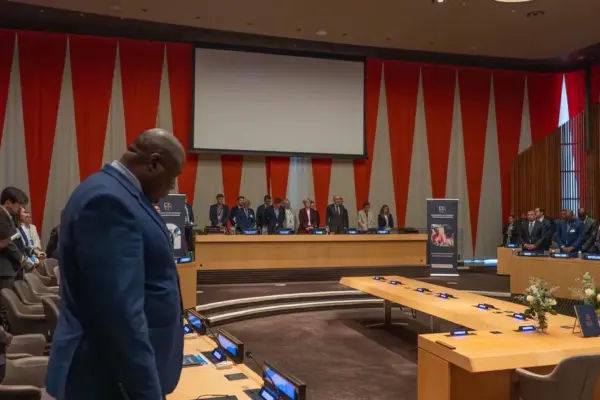
As global leaders convened for the annual high-level meetings at the United Nations, a stark and terrifying reality from conflict zones around the world dominated the backdrop of diplomatic discussions: the relentless, humming presence of armed drones in the skies above civilian homes, hospitals, and schools. While military strategists often praise unmanned aerial vehicles for their precision, communities caught in the crossfire tell a profoundly different story—one of sleepless nights, shattered infrastructure, and a catastrophic human toll that has escalated at an unprecedented rate.
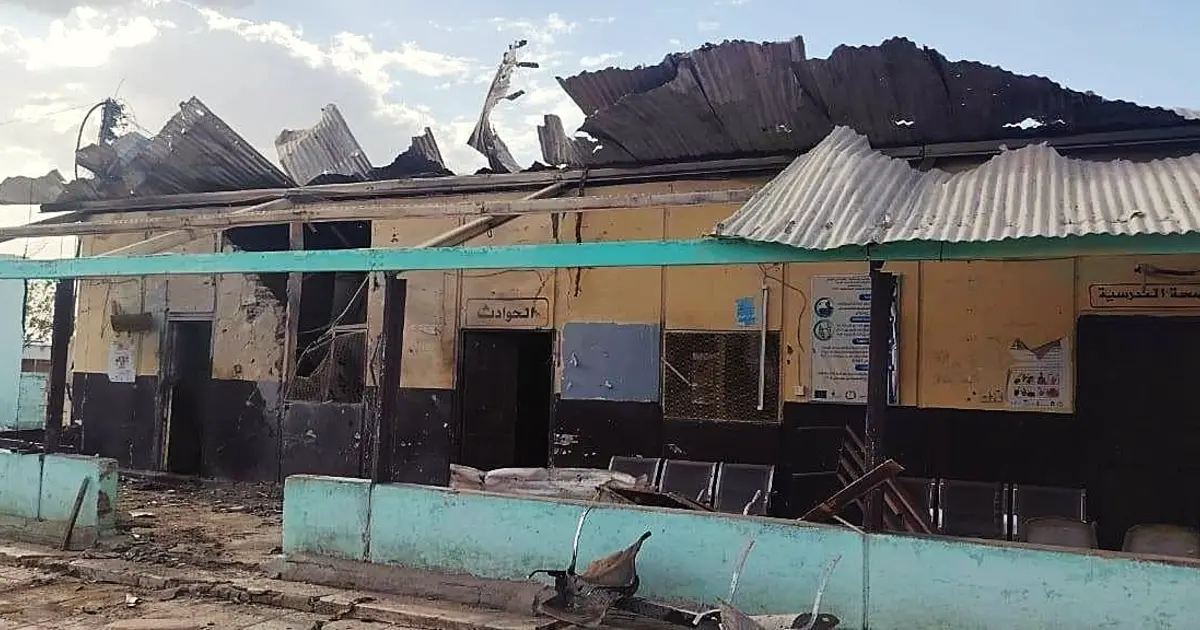
The devastation was starkly underscored on April 2, 2026, when a section of Al Jabalayn Teaching Hospital in Sudan’s White Nile State was struck by a drone attack. The devastating strike resulted in the deaths of ten health workers, including the facility’s medical director, leaving local healthcare systems even more fractured than before.
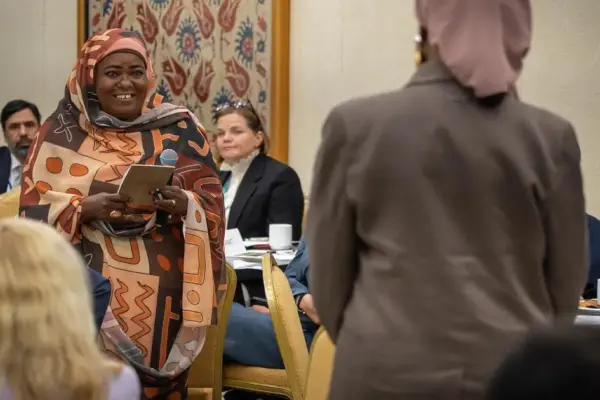
For many living in active combat zones, the psychological trauma is as debilitating as the physical destruction. "Once a drone fell near our home," recalled a resident of El Obeid in Sudan’s North Kordofan region, whose name has been withheld for safety reasons. "It hit several of our neighbours, although we were not affected, but the situation was horrible. We could not sleep for days, we were afraid that another drone would fall, we kept looking at the sky to check."
As the conflict grinds on, this resident made a desperate plea to the international community: "Conflict must stop inside cities. Arms must be banned inside cities. Attacks against civilians and civilian areas must stop."
Drone warfare has rapidly evolved into a leading cause of civilian casualties in several of the world’s most intractable armed conflicts. Statistical data gathered by human rights monitors and United Nations bodies reveals a staggering escalation in violence driven by unmanned technology. In the first four months of 2026 alone, drone strikes accounted for an alarming 80 per cent of all recorded civilian deaths in Sudan, translating to at least 880 lives lost.
This grim trend is not isolated to North Africa. In Ukraine, armed drones emerged as a leading cause of civilian deaths and injuries throughout 2025, claiming 577 lives. The situation deteriorated further as the conflict wore on. July marked the deadliest month for civilians in Ukraine in more than four years, with at least 437 people killed and more than 2,600 injured in intensifying aerial and drone campaigns.
According to reports from the United Nations Office for the Coordination of Humanitarian Affairs (OCHA), the use of armed drones and the human suffering they exact have expanded dramatically across multiple global flashpoints. The affected regions now include the Democratic Republic of the Congo (DRC), Haiti, Lebanon, Mali, Myanmar, the Occupied Palestinian Territory, Somalia, Syria, and Yemen. Official figures compiled by the United Nations paint a breathtaking picture of this proliferation, indicating that drone-related attacks globally increased by at least 4,000 per cent between 2020 and 2024.
Struggling under the crushing weight of ongoing fighting, populations in these fragile states now live in a state of constant, unyielding terror. The omnipresence of these aerial systems means that safety has become a luxury of the past.
Alain Ouattara, OCHA’s acting head of office in the DRC, described the profound displacement and psychological exhaustion experienced by families caught in the eastern regions of the country. "Families in eastern DRC have fled two and three times already," Ouattara said. "Now they tell us they lie awake listening for drones, because explosive weapons are landing near the sites, clinics and markets where they sheltered; there is nowhere left that counts as having escaped."
In urban combat settings, civilian life has been forced underground. According to accounts from OCHA staff operating in Kherson, a front-line city in southern Ukraine, cellars, basements, and makeshift underground shelters have been transformed from storage spaces into the primary locations where residents sleep, gather, and desperately attempt to find safety from the unblinking eye of surveillance and armed drones above.
The daily disruption to essential infrastructure is equally crippling. In Sudan, the El Obeid resident detailed how the constant threat and impact of drone strikes have paralyzed basic municipal services. "A while ago gas stations were struck, there was no public transport, people started to walk everywhere," the resident said. "It struck a water station and it impacted water supply. They also struck power stations, it impacted power supply, we only get power for not more than three hours."
A similarly precarious reality defines the humanitarian landscape in Myanmar. Gwyn Lewis, the Humanitarian Coordinator for Myanmar, emphasized that civilians and aid workers continue to navigate an evolving and increasingly lethal conflict environment. "The growing use of drones, paramotors, and emerging technologies is adding to the loss of life," Lewis noted, pointing out that these technologies are directly disrupting communities and cutting off the routes civilians rely upon to access safety and life-saving assistance.
United Nations experts have repeatedly warned that the constant presence of drones overhead, coupled with their distinctive, high-pitched buzzing sound and unpredictable proximity, creates a pervasive sense of fear and deep uncertainty. This relentless psychological pressure induces severe, long-lasting psychological distress among populations who feel they can never truly escape the theater of war.
Beyond the civilian population at large, drones are increasingly exposing humanitarian aid workers to extreme harm, severely hampering their ability to safely access vulnerable populations and carry out critical relief operations. Data from 2025 highlights this dangerous shift, with at least 35 aid workers killed by drone strikes globally—more than double the casualty rate recorded among humanitarian personnel the previous year.
"Aid workers should be able to reach people in need safely, rapidly, and effectively," Lewis underscored.
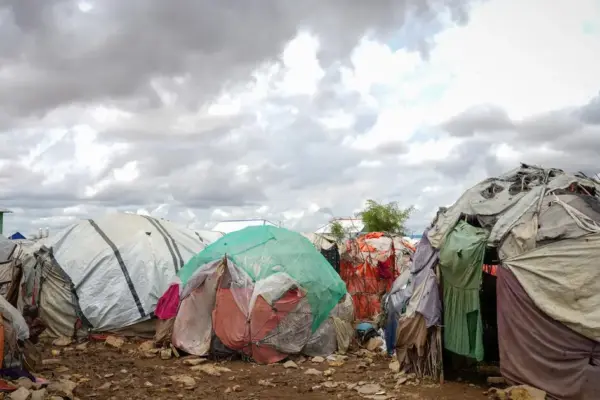
The destructive payload delivered by these aircraft has not spared the physical infrastructure required to sustain human life. Drone-delivered explosives have repeatedly damaged buildings essential to medical care and humanitarian coordination, including hospitals, internally displaced persons and refugee camps, food distribution points, and aid offices and warehouses.
For professionals working on the front lines, the distinction between a workplace and a combat zone has effectively vanished. The El Obeid resident, who works in both medical and social capacities, captured the pervasive anxiety of the profession simply: "You will be in the hospital and afraid to be struck."
Compounding the operational dangers is a troubling visual confusion on the ground. Armed drones often bear a striking visual resemblance to unmanned aerial vehicles deployed for legitimate humanitarian and civilian purposes, such as gathering environmental data, mapping disaster zones, or gaining situational awareness. This technological overlap creates a dangerous risk of misidentification, potentially compromising the safety of humanitarian personnel and the fragile communities they strive to protect.
To counter this mounting crisis and ensure the fundamental protection of civilians and aid workers, the United Nations and its international partners have relentlessly highlighted the catastrophic humanitarian consequences of armed drones, calling for immediate, decisive action. International bodies maintain that all parties to armed conflicts must strictly respect international law, including international humanitarian law and human rights standards, when deploying armed systems. Furthermore, human rights advocates argue that states must withhold arms transfers in instances where there is a clear, documented risk that the transferred weapons will be used to commit serious violations of international humanitarian law or human rights.
Reflecting on the obligation of the international community, OCHA’s DRC head Alain Ouattara emphasized that the ethical frameworks governing warfare must keep pace with technological advancements. "The technology is new," Ouattara said. "The obligations are not, and they do not change depending on which weapon is used or which conflict is in the headlines. Governments with influence over the parties must now use it. And we need assurances of safe access that hold, or our teams cannot reach the people who need us most."