Global Humanitarian Update: Senior United Nations officials have issued urgent appeals for increased international funding, unhindered access, and robust political support to address intensifying emergencies across the Middle East. From historic returns in Syria to escalating violence and collapsing infrastructure in Yemen, the Occupied Palestinian Territory, and Lebanon, humanitarian operations are facing unprecedented strain as winter approaches and resources dwindle.
Syria
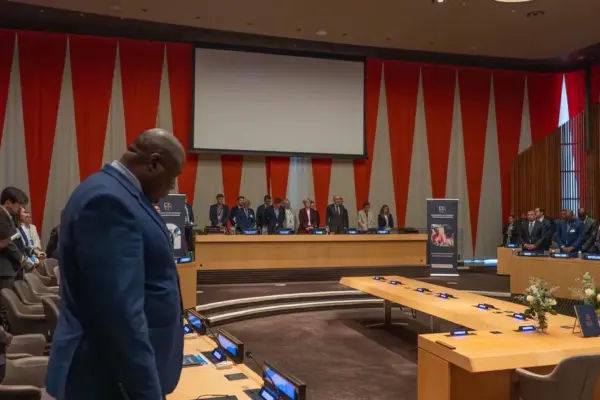
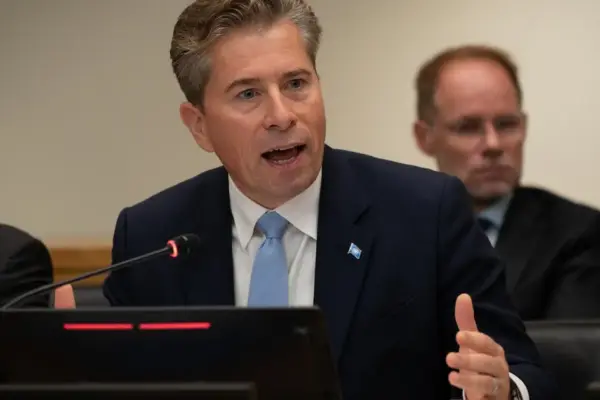
The UN Under-Secretary-General for Humanitarian Affairs and Emergency Relief Coordinator, Tom Fletcher, addressed the Security Council regarding a historic shift in Syria, describing the massive wave of people returning home as a profound sign of hope. According to UN figures, this represents the highest volume of returns seen in decades.
Since December 2024, more than 2 million internally displaced Syrians and 1.8 million refugees have chosen to return voluntarily to their places of origin. Humanitarian organizations have mobilized to provide vital assistance, successfully reaching over 2.5 million people each month this year.
However, Fletcher issued a strong warning that this hard-won progress is under severe threat. Continued displacement, localized insecurity, regional escalation, and the omnipresent danger of landmines continue to jeopardize stabilization efforts. Furthermore, the financial resources available for the humanitarian response fall dramatically short of what is required to sustain these populations.
As winter approaches and the broader regional situation remains fragile, adequate funding is urgently needed as a critical safeguard against losing the hard-fought advances Syria has achieved. To help Syrians successfully return, rebuild their lives, and move beyond the crisis, the Under-Secretary-General called on the Security Council to invest strategically in the transition out of immediate humanitarian dependency and toward long-term reconstruction and economic growth. He also emphasized the necessity of removing existing obstacles that stand between current recovery efforts and sustainable development.
Concluding his remarks on Syria, Fletcher appealed for the political capital required to shield the country from being dragged into wider regional conflicts. Noting that Syrians have endured immense suffering and are making progress many previously believed impossible, he urged the international community to meet the moment with decisive backing.
Yemen
In Yemen, the humanitarian situation continues to deteriorate rapidly as armed hostilities spread to new areas, inflicting a devastating toll on families who were already grappling with extreme vulnerability. The Office for the Coordination of Humanitarian Affairs (OCHA) reports that the need for secure and reliable access to populations in distress has become increasingly acute as civilian casualties mount.
Since the beginning of the month, the UN Human Rights Office has verified 55 civilian casualties across 19 separate incidents in the governorates of Ta’iz, Al Hodeidah, Marib, and Lahj. The verified toll includes 16 fatalities—among them 10 children—and dozens of injuries. Women and children disproportionately bear the brunt of the violence, accounting for 84 percent of all recorded casualties. The UN stresses that these figures reflect only verified cases, and the actual number of victims is likely much higher.
Operational constraints, driven by both funding shortages and severe access restrictions, continue to severely hamper the humanitarian response. Security incidents affecting humanitarian premises, supplies, and staff movements are routinely disrupting relief operations. For instance, humanitarian partners have readied 15,000 emergency kits for distribution, but widespread road closures prevent most of this vital aid from reaching the families who need it immediately. Additionally, the Mokha seaport remains closed following significant structural damage, and the World Food Programme has reported operational disruptions at 17 front-line distribution points.
Despite these extraordinary operational hurdles, the UN and its humanitarian partners are actively scaling up their efforts. Relief agencies have successfully reached more than 70,000 displaced individuals with assistance, including rapid response kits that address immediate food, water, sanitation, hygiene, and protection needs, alongside critical cash distributions.
To bolster these efforts, OCHA is working to channel $9 million recently released from the UN Central Emergency Response Fund into urgent assistance for displaced families and their host communities. Nevertheless, financial support remains critically low. The 2026 Yemen Humanitarian Needs and Response Plan is barely 20 percent funded, forcing relief partners to curtail life-saving assistance precisely when local communities are experiencing heightened desperation. The ongoing escalation is compounding the strain on already depleted resources.
In response, the UN has reiterated its call for all parties to the conflict to protect civilians, strictly respect international humanitarian law, and facilitate safe, unhindered humanitarian access so that aid organizations can reach vulnerable populations without obstruction.
Occupied Palestinian Territory
In the Occupied Palestinian Territory, humanitarian leadership is pressing for expanded access ahead of the winter months and seeking emergency funding to rescue a failing healthcare system. Tom Fletcher recently held discussions with the Prime Minister of the State of Palestine, Mohammad Mustafa, to coordinate strategies for addressing the deepening crisis.
During the 81st session of the General Assembly, Fletcher intends to champion a global access initiative aimed at delivering life-saving aid to 11 million people. As a central component of this initiative, the UN and its partners stress the urgent necessity of bringing essential supplies into Gaza to support approximately 2 million residents through the winter season.
Addressing immediate medical emergencies, the Humanitarian Coordinator, Dr. Ramiz Alakbarov, allocated $2 million from the Occupied Palestinian Territory Humanitarian Fund to health partners to ensure the continued delivery of fuel to Gaza’s medical facilities. This allocation will provide $500,000 worth of fuel monthly over a four-month period, sustaining back-up generators at dozens of critical healthcare facilities while the local electricity grid remains inoperable. This emergency measure comes at a vital juncture, as worsening funding shortages threaten to shut down essential medical services.
Humanitarian partners emphasize that while this stop-gap measure prevents immediate interruptions in care, more sustainable solutions are urgently required. These include obtaining Israeli approvals to import necessary solar energy equipment and facilitating the restart of operations at the Gaza Power Plant. Furthermore, broader funding is essential because the demand for fuel, supplies, and basic services extends far beyond the health sector and must be met on a predictable, regular basis.
Concurrently, the UN and its partners continue providing shelter and emergency assistance to families affected by structural failures, including the recent collapse of a war-damaged building in Gaza City. In response to these ongoing incidents, UNICEF has renewed its urgent appeals for authorizations to import heavy machinery, specialized equipment, engine oil, spare parts, and fuel.
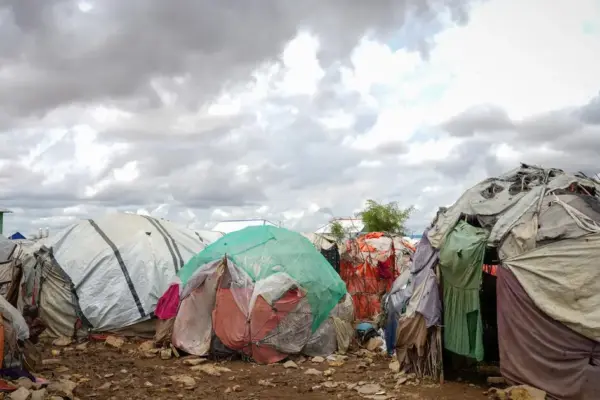
Across the Gaza Strip, aid agencies continue delivering supplies despite ongoing security restrictions, operational barriers, and severe funding shortfalls. Over the past week, humanitarian partners mobilized rapid support for more than 200 households that lost their temporary shelters or experienced secondary displacement due to air strikes, domestic fires, and other emergencies.
Lebanon
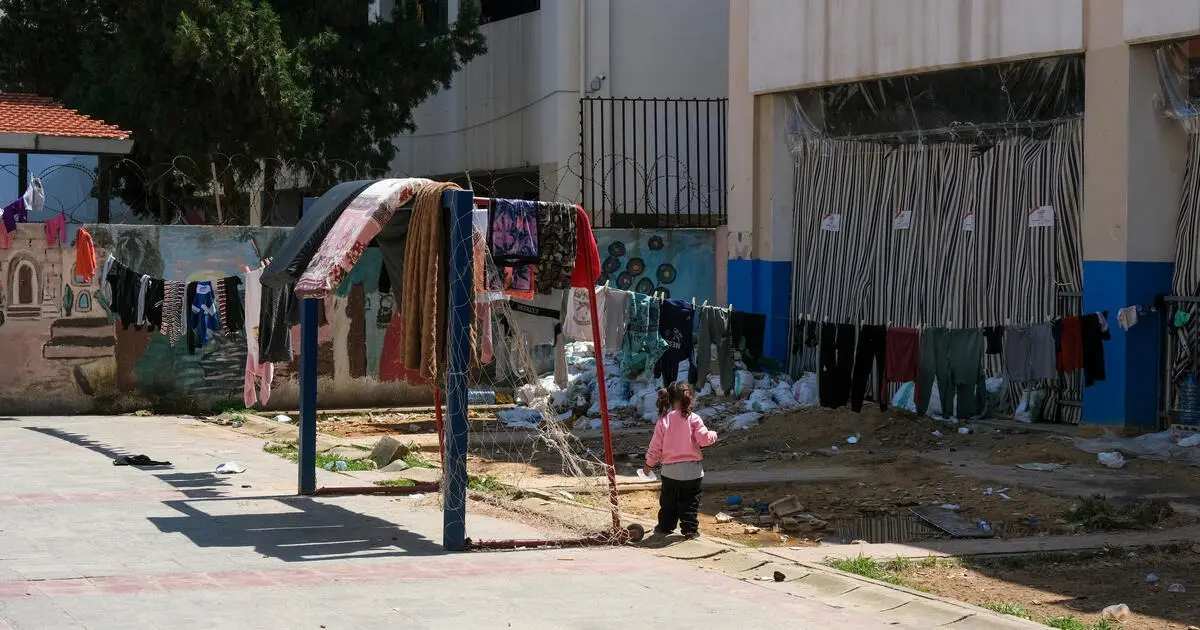
As a new school year begins in Lebanon, ongoing hostilities are taking a severe toll on the nation’s children and educational infrastructure, according to OCHA reports. Local authorities indicate that nearly 100,000 children have been prevented from returning to school due to widespread structural damage, destruction, prevailing insecurity, and mass displacement.
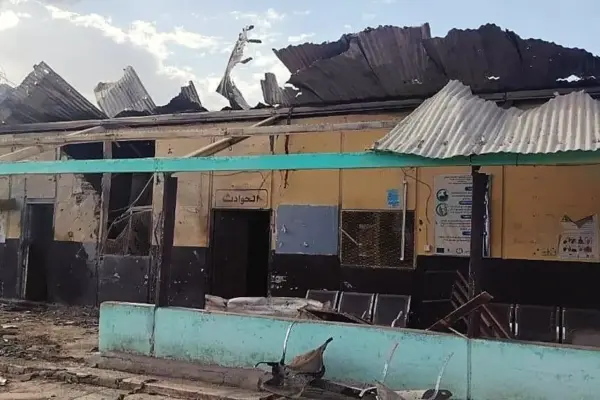
The crisis within the education sector was underscored on Monday night when another school in the village of Kfar Tibnit, located in the Nabatieh Governorate, was destroyed just as it was preparing to open for student registrations. This incident follows the recent destruction of the public school in the village of Mansouri within the South Governorate.
Damage to educational facilities has escalated significantly since hostilities intensified. National authorities report that approximately 40 percent of schools—totaling more than 400 institutions—have been impacted by attacks. This includes 37 schools that have been entirely destroyed and 101 that have suffered severe structural damage.
Displacement has further exacerbated disruptions to learning, with roughly 20 percent of school-aged children displaced during the conflict escalation. Consequently, hundreds of educational facilities have been repurposed as collective shelters to accommodate families fleeing active conflict zones.
Currently, approximately 16,000 displaced individuals, including 2,500 children, remain sheltered across 164 collective facilities nationwide. OCHA has reiterated its firm stance that children must be shielded from the direct impacts of hostilities, that educational facilities must be preserved as safe environments for learning, and that all children must be guaranteed the right to return to school safely and free from fear.