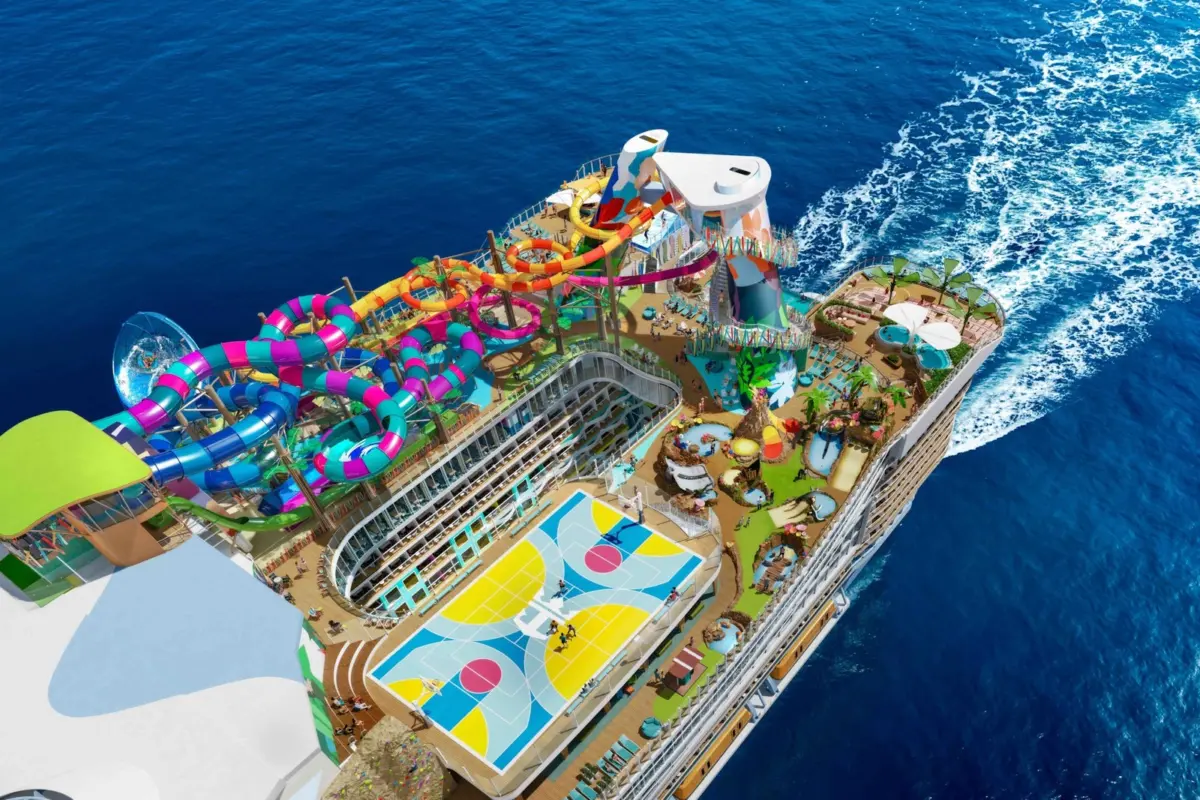
As the cruise industry continues to evolve and modernize its fleet to meet the demands of modern travelers, major announcements regarding classic vessels and fleet management remain at the forefront of maritime news. Among the most notable names in cruise history is the legendary vessel associated with Royal Caribbean, a line that has consistently shaped the landscape of modern ocean cruising through innovation, scale, and customer experience.
In the latest industry updates surrounding the cruise line’s operational timeline, attention has turned once again to the ongoing evolution of its fleet and the strategic planning that dictates how ships are deployed, maintained, and marketed to the traveling public. With the date stamp of November 7, 2026, marking a significant period of announcements and forward-looking travel planning, industry observers and loyal cruisers alike are closely monitoring how classic favorites and newer mega-ships fit into Royal Caribbean’s overarching vision for the future of global vacations.
The operational landscape of cruise lines such as Royal Caribbean involves complex scheduling, strategic partnerships, financial disclosures, and careful curation of onboard experiences. As travelers increasingly look toward future getaways well in advance, the integration of transparent editorial insights, financial disclosures, and objective evaluations of travel products has become an essential part of the modern travel media landscape. Cruise enthusiasts navigating the options available for upcoming voyages often rely on comprehensive reporting that bridges the gap between corporate announcements and practical vacation planning.
Within the broader ecosystem of travel journalism, the intersection of cruise lines, financial partnerships, and consumer advocacy plays a vital role. Major media outlets and specialized travel platforms regularly feature curated options for
consumers, including specific credit cards and financial products designed to optimize travel spending. These partnerships often provide travelers with rewards, loyalty points, or statement credits that can significantly offset the cost of booking a cruise vacation. At the same time, reputable publications maintain strict editorial independence to ensure that consumers receive unbiased evaluations of travel products, loyalty programs, and vacation offerings.
The editorial standards governing travel reporting dictate a clear separation between promotional partnerships and objective journalism. Opinions expressed within features and news analyses regarding cruise lines, travel experiences, and financial products remain strictly those of the authors and editorial teams. They do not necessarily reflect the official views, endorsements, or policies of major financial institutions, credit card issuers, airlines, or hotel and cruise chains. This transparency is crucial for maintaining consumer trust, particularly as travelers evaluate complex loyalty structures, onboard packages, and booking terms associated with major cruise brands like Royal Caribbean.
As the cruise industry looks toward the latter half of the decade, the demand for immersive, reliable, and well-documented travel information remains exceptionally high. Passengers planning their voyages aboard ships like those operated by Royal Caribbean benefit from a wealth of resources detailing everything from vessel specifications and itinerary changes to promotional offers and financing strategies. By combining up-to-date industry news with rigorous editorial oversight, the travel reporting community continues to provide the essential context that helps millions of passengers navigate their vacation choices each year.