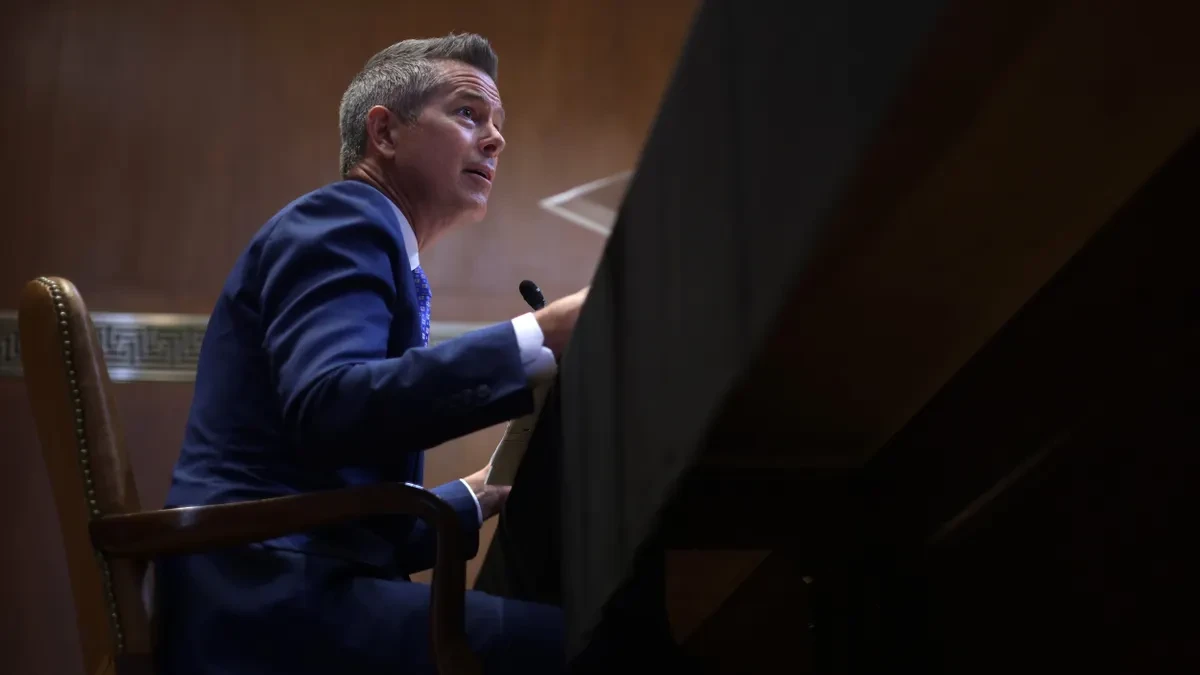
The U.S. Department of Transportation has officially unveiled the 2026 National Roadway Safety Strategy, setting a fresh agenda for traffic safety across the country. Rolled out by U.S. Secretary of Transportation Sean Duffy, the new policy framework places a primary focus on safeguarding rural and tribal communities while leaning heavily on advanced technology to bring down the number of preventable crashes on American roadways.
The unveiling of the updated strategy arrives against a backdrop of shifting national traffic fatality statistics. According to recent data from the National Highway Traffic Safety Administration, U.S. traffic deaths in 2025 dropped to their lowest level since 2019. The agency recorded a total of 36,640 fatalities over the course of 2025, showing a notable decrease from the 39,254 fatalities reported in 2024. Despite this national downward trend, safety risks remain unevenly distributed across the country. NHTSA data indicates that fatality rates were highest in states such as New Mexico, Mississippi, South Carolina, and Arizona, underscoring persistent regional vulnerabilities that the new strategy aims to address.
Central to the 2026 framework is a distinct philosophical shift in how federal authorities plan to approach behavioral and enforcement aspects of highway safety. According to the Department of Transportation’s official release, the strategy includes what is described as a "renewed commitment to law enforcement." This emphasis on police involvement has drawn supportive remarks from industry stakeholders who view traditional enforcement as an indispensable tool in changing motorist behavior.
Jonathan Adkins, chief executive officer of the Governors Highway Safety Association, expressed approval of this direction in an email to Smart Cities Dive, noting that it is encouraging to see the National Roadway Safety Strategy incorporate law enforcement as a critical component of a comprehensive approach to traffic safety.
However, the strategy’s infrastructure and engineering components have sparked a debate among urban planners, safety advocates, and municipal leaders regarding the best methods for protecting road users. The 2026 plan features a "safer roads" pillar that emphasizes innovative road design aimed at reducing traffic bottlenecks and mitigating roadway congestion.
This emphasis on traffic flow and vehicular movement, however, has raised concerns among advocates who prioritize the physical safety of pedestrians and cyclists. Heidi Simon, director of thriving communities at Smart Growth America, pointed out a fundamental tension in modern street design during an interview with Smart Cities Dive. Observing the challenges of balancing traffic velocity with pedestrian protection, Simon remarked that designers cannot successfully build streets for safety and speed at the same time.
Simon also voiced broader apprehensions regarding the overall trajectory of the federal safety blueprint. She noted that the strategy appears to de-emphasize several key interventions that advocacy groups have long championed, particularly improved street designs tailored to protect vulnerable road users such as bicyclists and pedestrians, who statistics show continue to die at disproportionate rates on American streets.

These concerns regarding infrastructure priorities were amplified following a recent decision by the Federal Highway Administration. The FHWA quietly removed five measures categorized as "proven safety countermeasures" from its official website. The deleted tools included bike lanes, road diets, speed safety cameras, variable speed limits, and speed limits specifically calibrated to be appropriate for vulnerable road users.
The removal of these resources prompted a swift and unified response from municipal organizations. The National Association of City Transportation Officials addressed the change directly on its website, where it republished information on the five proven safety countermeasures previously hosted by the federal agency. Highlighting the enduring efficacy of these measures, the organization asserted that a change on a website does not alter what actually works on local streets. NACTO added that local leaders, planners, and engineers will continue to rely on data-backed and real-world-proven street designs to keep everyone safe, regardless of whether they are walking, rolling, biking, driving, or riding the bus.
Elaborating on the practical implications of the FHWA’s website update, Simon emphasized that these safety countermeasures had long served as trusted, authoritative resources for municipal personnel. She explained that these documents provide essential guidance, explanations, and information that inform critical decision-making for individuals working on the ground to address traffic dangers in their communities.
In addition to its focus on enforcement and infrastructure, the Department of Transportation’s new plan introduces a third major pillar centered around a national autonomous vehicle strategy. This component anticipates the integration of advanced automated driving systems and contemplates the establishment of federal regulations to govern their deployment.

The heavy reliance on future automation, however, has drawn criticism from community advocates who argue that federal policy should instead prioritize immediate, proven interventions. Simon criticized the federal focus on unproven tech, stating that putting such a heavy emphasis on technology that is not readily available today ignores the fact that there are solutions right now that could be implemented to save lives immediately.
Reflecting on the overarching direction of federal traffic safety policy under the updated strategy, Simon suggested that the introduction of a new framework may be less effective than doubling down on existing, proven methodologies. Concluding her assessment, she stated that the country does not necessarily need a new strategy, but rather a dedicated commitment of resources and administrative support to execute the established strategies that are already known to get the job done.