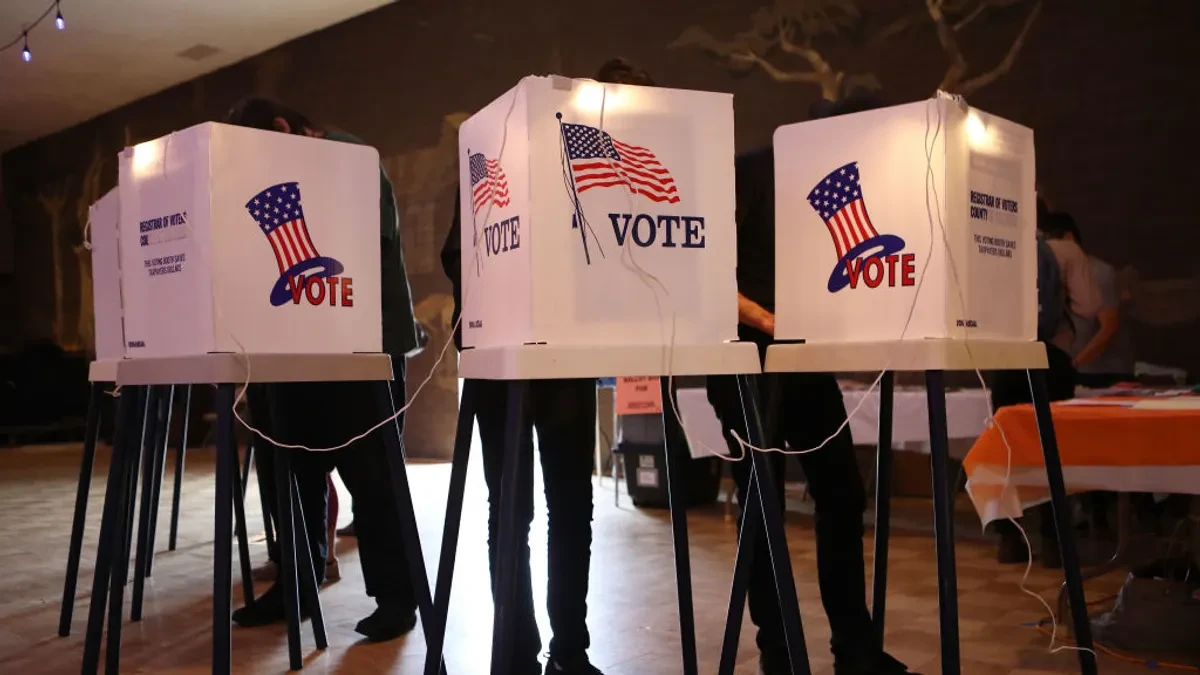
Housing affordability and community development have firmly cemented their places at the forefront of local and national political discourse, prompting an unprecedented wave of direct democracy at the ballot box. From complex zoning modifications and sweeping environmental regulatory overhauls to massive multi-billion-dollar bond approvals, voters in four states will weigh in on six distinct statewide housing measures this November. According to tracking data from Ballotpedia, this represents the highest volume of housing-related ballot measures seen in a single election year since 2006.
The surge in state-level interventions underscores a broader, long-term shift in how governments address escalating housing shortages and cost burdens. For years, local government leaders have struggled to balance skyrocketing demand with stubborn supply deficits, zoning restrictions, and rising construction costs. More recently, however, state legislatures have increasingly stepped into the conversation, advancing proactive housing policies designed to bypass local roadblocks and accelerate development. This momentum ultimately reached the national stage over the summer with the congressional passage of the 21st Century ROAD to Housing Act, reflecting a synchronized push across multiple levels of government to tackle structural housing challenges.
Now, the decision-making power shifts directly to the electorate. As voters prepare to head to the polls, the outcome of these six measures across California, Hawaii, Massachusetts, and Rhode Island could dramatically reshape regional real estate markets, redefine local governance, and establish new benchmarks for state-backed housing finance.

California
California, long considered an epicenter of the nation’s housing affordability crisis, features three distinct and high-stakes measures on its November ballot, touching on everything from massive public financing to environmental litigation reform.
Proposition 1 asks voters to authorize a staggering $11.25 billion in state general obligation bonds dedicated entirely to funding housing affordability programs. Supporters of the bond emphasize the critical need for subsidized housing capital, pointing out that a significant portion—specifically $1.25 billion—would be directly allocated to housing for military veterans. The remaining funds would be distributed across a wide array of homeownership and rental assistance programs, as well as dedicated financing streams aimed at creating affordable student housing across the state’s vast higher education systems.
In addition to direct funding through Proposition 1, California voters are considering Proposition 37, a targeted homebuying assistance measure. If approved, the proposition will establish a comprehensive second mortgage program tailored for qualifying homebuyers. Furthermore, it grants the California Housing Finance Agency the necessary authorization to issue up to $25 billion in revenue bonds. These bonds would generate loans for eligible homes, with the distinct structure requiring that the debt be paid back directly by homeowners through their regular monthly loan payments, minimizing long-term reliance on the state’s general fund.
The state’s third housing-related measure, Proposition 45, takes a different approach by targeting the regulatory hurdles that often delay or completely derail residential developments. The proposition alters the notoriously stringent California Environmental Quality Act by establishing strict deadlines and streamlined administrative procedures for specified projects, explicitly including housing developments. Additionally, Proposition 45 would update the judicial review process for these projects. By potentially narrowing the scope of what a court can legally consider during challenges to development, the measure aims to curb protracted litigation that housing advocates argue frequently stalls essential construction.

Hawaiʻi
In the Pacific, voters in Hawaiʻi are being asked to consider a significant constitutional amendment that would fundamentally alter how counties finance crucial public infrastructure required for new housing developments.
The proposed amendment authorizes the state legislature to empower individual counties to issue housing infrastructure bonds. Under the current framework, counties face strict debt limits tied directly to real property tax rates, which can heavily constrain local borrowing capacity for large-scale capital improvement projects. If approved by voters, the amendment would allow counties and municipalities to repay these newly authorized bonds through future growth in property tax revenues rather than traditional tax rate adjustments. Proponents argue that tying debt service to the incremental tax revenue generated by new development will unlock vital funding streams for roads, water systems, and utility connections without placing an immediate tax burden on existing residents.
Massachusetts
In New England, Massachusetts voters face a contentious and highly debated policy question regarding local land use and zoning authority. Question 7 on the ballot asks whether the state should mandate that local governments permit single-family homes on residentially zoned land encompassing at least 5,000 square feet, provided the property meets specific qualifying criteria, such as verified access to public water and sewer services.
The measure is designed to combat exclusionary zoning practices that proponents argue artificially limit housing supply and drive up home prices. However, the proposal maintains a degree of local control. If approved, cities and towns would retain the authority to "reasonably regulate" various aesthetic and structural aspects of the newly permitted single-family homes. This includes oversight regarding building height, mandatory parking requirements, minimum distance requirements from neighboring properties, and rules governing whether the properties can be utilized on a short-term rental basis.

Rhode Island
Rhode Island rounds out the slate of states putting housing directly to the voters this autumn. Question 2 asks the state’s electorate to authorize $120 million in new bonds dedicated entirely to the development and preservation of affordable housing.
According to regional reporting from the Rhode Island Current, the proposed funding structure mandates that at least $25 million of the total be explicitly set aside for housing intended for homeownership, while an additional $10 million is designated for public housing development. The current ballot measure mirrors an identical funding level approved by Rhode Island voters two years prior. That previous authorization represented the largest single housing bond in state history at the time, and supporters hope to maintain the momentum by securing continued financial backing to combat ongoing inventory shortages across the state.