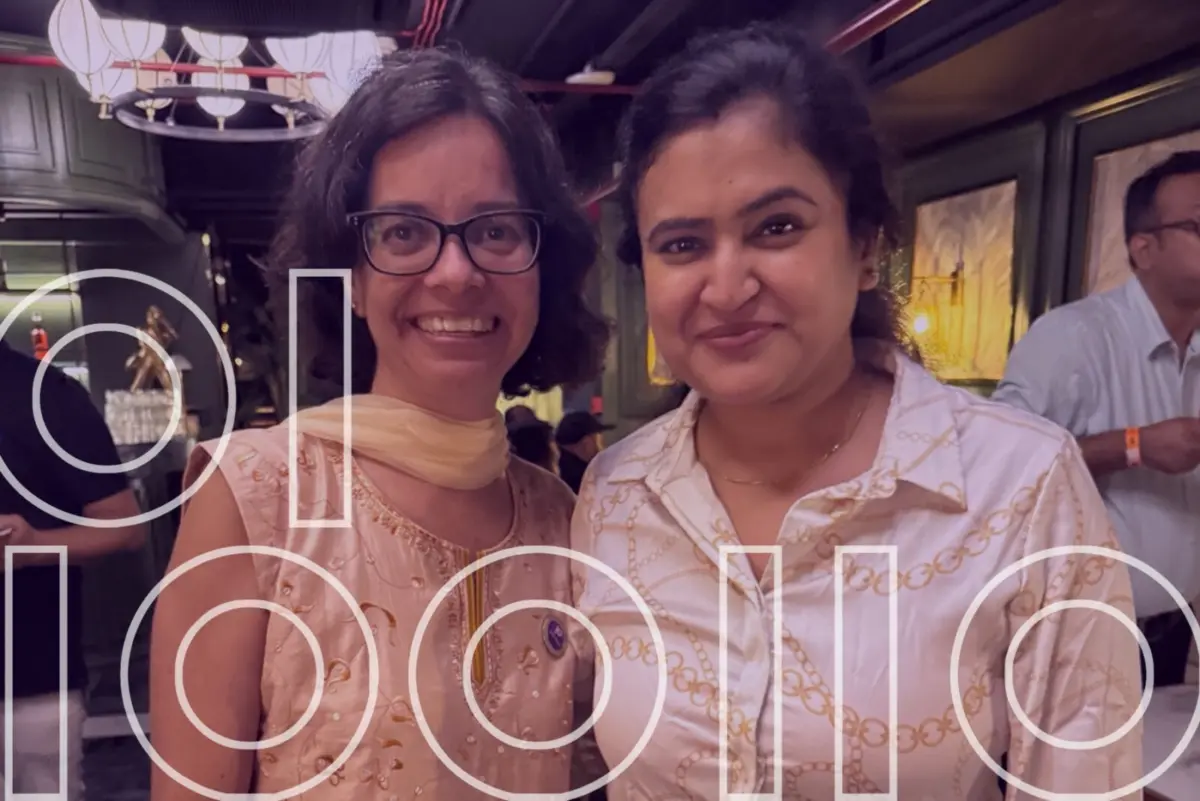
A career in technology can take many unexpected paths when it is shaped by curiosity, bold decisions, and a fundamental willingness to solve meaningful problems. Across the global technology sector, industry leaders are increasingly recognizing that sustainable innovation requires diverse perspectives, resilient leadership, and a deep understanding of practical customer needs. Through initiatives like the Precisely Women in Technology (PWIT) series, organizations are celebrating the women who are building impactful careers while simultaneously paving the way for others to follow.
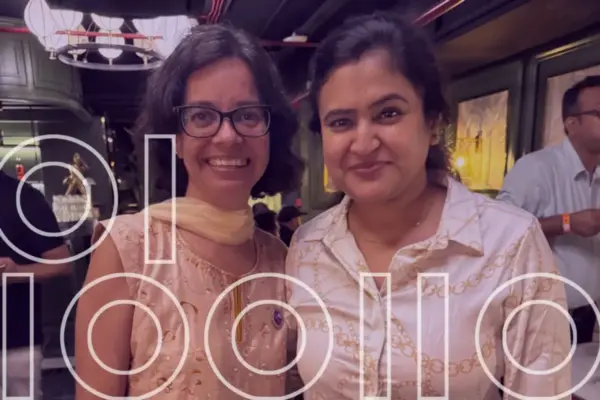
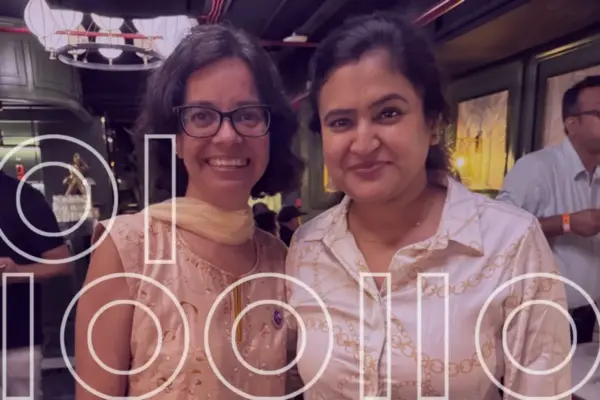
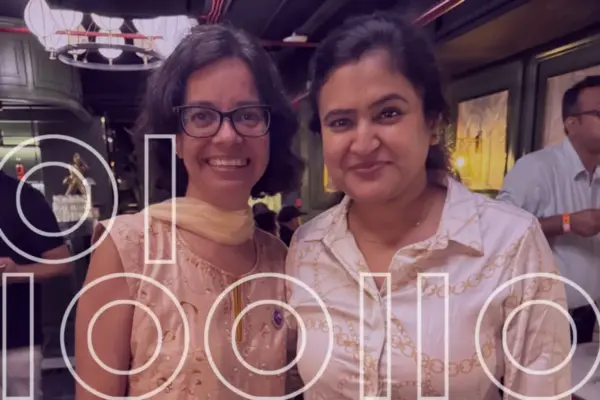
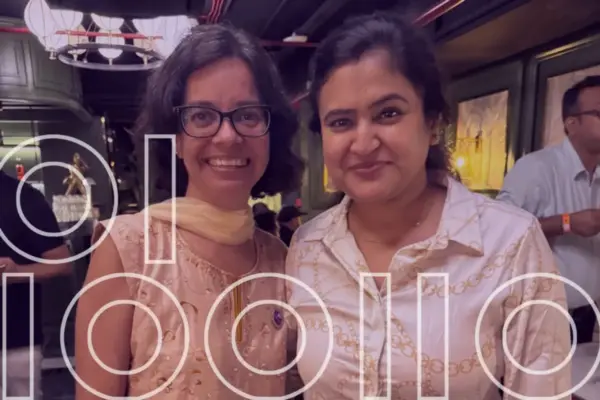
In this latest executive spotlight, we examine the journey of Aakansha Bhalotia, Principal Product Manager at Precisely. Over a 13-year career that has spanned complex enterprise resource planning (ERP) systems, data engineering, and machine learning, Bhalotia has evolved into a strategic force leading go-to-market initiatives and product development for the Precisely Platform and its emerging artificial intelligence products. Her trajectory offers a compelling look at the intersections of technical depth, strategic vision, and personal resilience in the modern software industry.
Why did you choose to pursue a career in technology?
Bhalotia’s foundational attraction to technology began long before she entered the corporate workforce. Growing up with an affinity for numbers, mathematics naturally emerged as her favorite subject in school, making engineering feel like an organic academic and professional direction. However, the true catalyst for her entry into technology happened closer to home, through practical exposure to her father’s business operations.
During her formative years, Bhalotia assisted her father with daily business tasks, including billing, financial tallying, and navigating a custom order management process that tracked incoming raw materials against outgoing revenue. As the business expanded, the manual replication of this operational model every month became exhausting and inefficient. This friction sparked a pivotal question that would define her career: What if there was a way to bring all of this together through automation?
That initial instinct propelled her into the early stages of her career building ERP systems. Working hands-on with enterprise infrastructure, she witnessed firsthand how streamlining a messy data pipeline could save professionals countless hours of manual work every week. Over the course of 13 years in the industry, Bhalotia came to a profound realization about the nature of software development: the hardest and most valuable problem is rarely the technical "how" of building a product, but rather the strategic "what" and "why." Determining which problems are genuinely worth solving and which ideas should remain on the drawing board became her core philosophy.
Today, Bhalotia leads strategy, product development, and go-to-market execution for Precisely’s B2B SaaS platform products, focusing specifically on the Foundations and artificial intelligence spaces. While the scale of her responsibilities has expanded dramatically on a global level, her core instinct remains entirely unchanged: find the friction, remove it, and solve practical customer problems with elegance and precision.
Who has been your greatest professional mentor? What’s one thing you have learned from them?
Throughout a diverse and demanding career, Bhalotia has learned from numerous educators, university professors, and department managers. Yet, when reflecting on the figures who shaped her professional trajectory most significantly, she points away from traditional, formal mentorship structures. Instead, her greatest growth came from executive sponsors who modeled what high-trust, high-autonomy product leadership looks like in practice, combined with the collaborative peer community she discovered at ProductTank Pittsburgh when she first transitioned into Product Management in the United States.
Her peers in Pittsburgh provided a vital, psychologically safe space where she could pressure-test messy, unpolished ideas alongside fellow builders who shared an equal obsession with product craftsmanship. Meanwhile, her executive sponsors offered invaluable guidance on navigating corporate environments: always bring a clear recommendation backed by concrete evidence, rather than simply presenting an unresolved problem.
In moments of organizational ambiguity, Bhalotia learned that the most effective approach is to build something tangible, demonstrate its direct value to the customer, and make it seamless for corporate leadership to back the initiative. This philosophy of proactive problem-solving has remained a cornerstone of her leadership style.
What’s the biggest risk you took in your career? What was the reward?
Risk-taking has been a recurring theme in Bhalotia’s professional life, often characterized by walking away from comfortable, established paths to embrace the vulnerability of starting over as a beginner.
The first major risk came when she left a successful, stable career in ERP consulting to pivot entirely into Product Management. This transition coincided with establishing a new life in the United States, where she immersed herself deeply in local product communities to hone her craft alongside peers who were equally dedicated to the discipline.
The second major inflection point occurred when she decided to relocate back to Gurugram, India, with her family after nearly a decade living and working in the United States, all while maintaining her leadership over global enterprise strategy across international time zones.
Both milestones felt uncomfortable and uncertain at the time of execution. Yet, Bhalotia continues to embrace that exact same feeling of the unknown today whenever she and her teams step into fast-moving artificial intelligence and platform initiatives before a formal playbook has even been written. Each reset, relocation, and professional challenge has equipped her with the unique ability to bridge the gaps between customers, engineering departments, product teams, and go-to-market strategies across entirely different global markets.
As a woman, what challenges have you faced in the technology industry? How have you overcome them?
Navigating the technology sector as a woman, particularly within deeply technical and male-dominated domains, has presented distinct professional hurdles throughout Bhalotia’s career. Early on—while working in complex technical fields such as ERP, data engineering, analytics, machine learning, and application programming interfaces (APIs)—she frequently encountered the unspoken pressure to prove her technical depth twice before her strategic point of view was acknowledged or taken seriously.
Later in her career, as her responsibilities grew to encompass motherhood while leading global initiatives spanning both United States and India time zones, the nature of the challenge shifted. The primary obstacle became sustaining high-impact professional output without falling into the unsustainable trap of being "always on."
Bhalotia overcame both categories of obstacles through rigorous preparation and ruthless prioritization. By grounding every strategic argument in undeniable data and customer insights, and by establishing firm personal and professional boundaries, she successfully maintained her leadership trajectory without compromising her personal well-being.
Careers and Culture
Organizations like Precisely continue to focus on helping market leaders make better decisions and build new possibilities through robust data integrity solutions. Cultivating an environment that fosters innovation requires attracting talent from diverse backgrounds and supporting employees through comprehensive career development frameworks. Professionals interested in exploring current career opportunities and learning more about the company’s internal culture can visit the official Precisely Careers and Culture page for detailed information on open roles.
What’s the best advice you’ve ever been given? How do you apply it to your personal and professional life?
The most impactful piece of advice Bhalotia received came early in her professional journey from a senior leader who told her: "Never wait for a mandate to fix a problem you can already see." Over 13 years in the technology industry, that single directive evolved into the four foundational rules she now uses to guide her product teams.
These rules require having the intuition to recognize what is genuinely worth building, the clarity to frame the solution simply, the taste to know when an experience is truly exceptional rather than merely functional, and the agency to execute all of the above without waiting to be asked by upper management.
Professionally, Bhalotia notes that companies rarely hand employees a finished, step-by-step playbook. When she identifies a strategic gap in the market or within an organization, she steps directly into that white space, rallies cross-functional teams around a clear, cohesive thesis, and proves the underlying value with real customers to transform an early, speculative bet into a core organizational priority.
On a personal level, maintaining that same sense of agency means refusing to navigate life on autopilot. Whether it involved moving her family back to India after a decade abroad or designing daily routines that protect deep professional focus alongside the responsibilities of motherhood, Bhalotia rejects the concept of postponing aspirations for an indefinite future. She decides on a direction and moves forward decisively.
What’s one piece of advice you’d offer to younger women entering the industry?
As the technology landscape experiences a massive shift driven by artificial intelligence, the technical barrier to building software has collapsed, granting creators unprecedented leverage to build almost anything they can imagine. In this environment, Bhalotia emphasizes that deciding what to build and why remains the most critical question an innovator can ask. Regardless of a person’s specific title or corporate function, she strongly advises emerging professionals to grab every available opportunity to speak directly with end-users and customers.
Furthermore, Bhalotia highlights the importance of cultivating the conviction to own one’s voice, cautioning against allowing impostor syndrome to diminish it. Industry statistics show that women currently hold approximately 30% of senior leadership roles, make up roughly 30% of software engineering teams, and secure only about 2% of total venture capital funding. When women feel out of place in a corporate room, Bhalotia encourages them to recognize that they are not experiencing a competence gap, but rather a representation gap. Her message to the next generation is clear: own your seat at the table regardless.
As a successful woman in technology, what’s one thing you do to pay it forward and advocate for other women in the field?
True advocacy for women in technology, according to Bhalotia, requires actively building a workplace culture rooted in high agency and accountability. This involves intentionally bringing diverse voices into strategic rooms, pushing decision-making authority deep into the organizational structure, and trusting talented individuals to exercise sound judgment.
With artificial intelligence fluency currently serving as one of the most powerful levers for career advancement in the tech sector, Bhalotia is deeply committed to ensuring that women and the next generation remain at the absolute forefront of that technological shift. Within Precisely, she has put this philosophy into action by leading an internal artificial intelligence pilot program designed to upskill more than 30 product managers and user experience designers across the Chief Product Officer organization.
In addition to internal corporate leadership, she regularly mentors product owners and recent university graduates on how to proactively manage their own career trajectories. Outside of her corporate responsibilities, Bhalotia has recently begun delivering bi-weekly educational sessions on technology and artificial intelligence to underprivileged children—with a specific focus on encouraging young girls—at the Naya Sawera NGO in her local neighborhood, working to open doors of opportunity for them at an early age.