
After nearly two decades away, a veteran traveler returned to Ko Lipe, a remote island in southern Thailand that once defined the ultimate backpacker paradise. What he found upon his arrival was a destination radically transformed by rapid, unsustainable tourism growth, prompting a sobering reflection on the true cost of unchecked development and the power of conscious consumer choices in global travel.
In 2006, Ko Lipe was a quiet sanctuary. Electricity was limited to just a few hours a day, basic beachside bungalows cost roughly two US dollars a night, and catching the final boat of the season was a critical endeavor for anyone hoping to arrive before monsoon conditions cut the island off. Daily life was defined by simplicity: lounging on white-sand beaches, reading books, snorkeling in clear waters, enjoying beers at the island’s sole beach bar, rotating meals among a handful of local eateries, and retiring early. For many visitors, it was an idyllic escape where days effortlessly stretched into weeks.
For years, the traveler avoided returning, preferring to preserve the powerful, nostalgic memories of an era when the island remained a well-kept secret among intrepid explorers. Returning, he feared, would mean chasing ghosts of the past and confronting a landscape irrevocably altered by modern development. However, while planning a recent journey down the Indian Ocean coast of Thailand toward Malaysia, timing and logistics aligned. Needing a lively spot to spend New Year’s Eve with accessible transit connections—including the ferry route to Langkawi—he decided to make the return trip.
The reality of contemporary Ko Lipe proved jarring. The island has closely mirrored the trajectory of Ko Phi Phi, evolving into a destination suffering from severe overdevelopment. Much of the island’s terrain has been paved over, replacing historic dirt footpaths with concrete roads designed to accommodate cars and construction trucks. Expansive areas once covered by native palm trees have been cleared to make way for high-end luxury resorts featuring swimming pools—a particularly unsustainable feature on an island lacking a natural freshwater supply. Construction activity remains relentless.
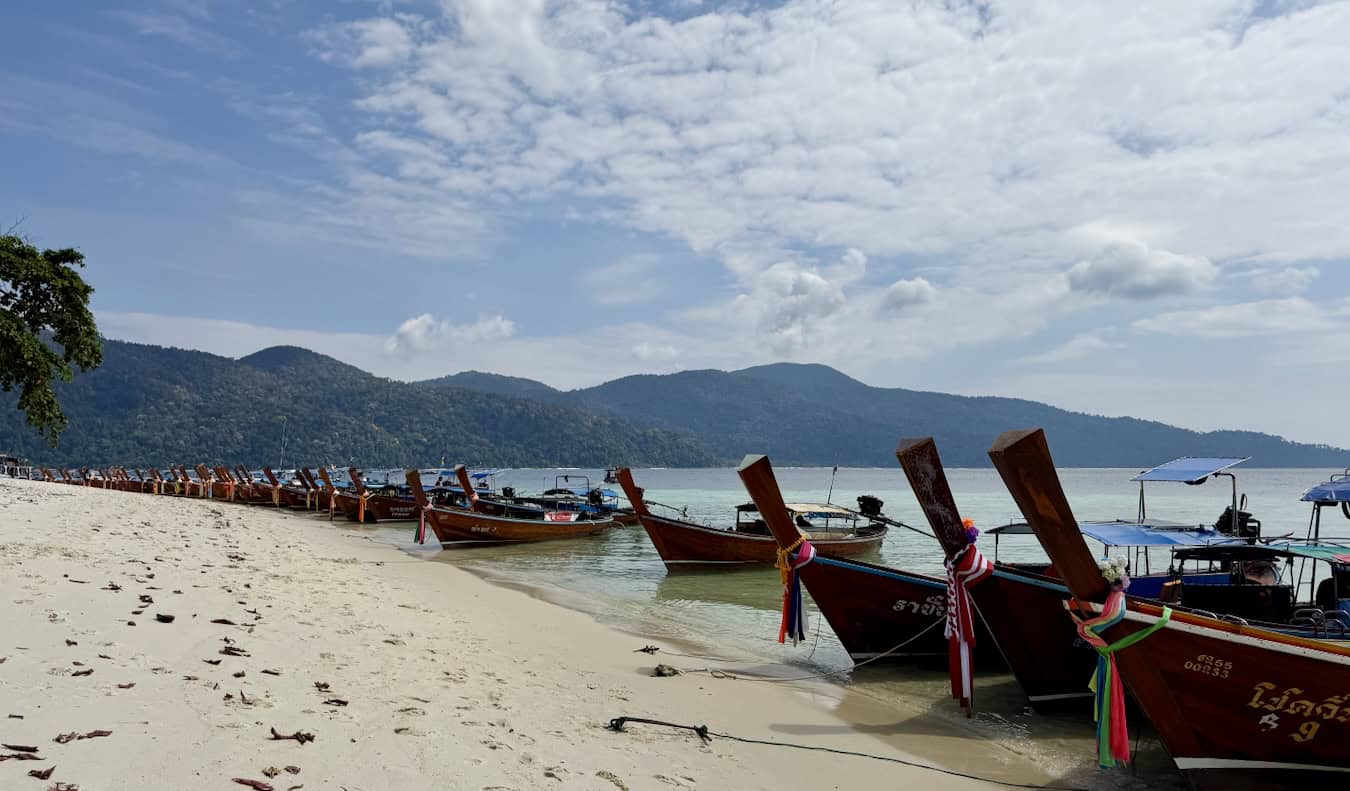
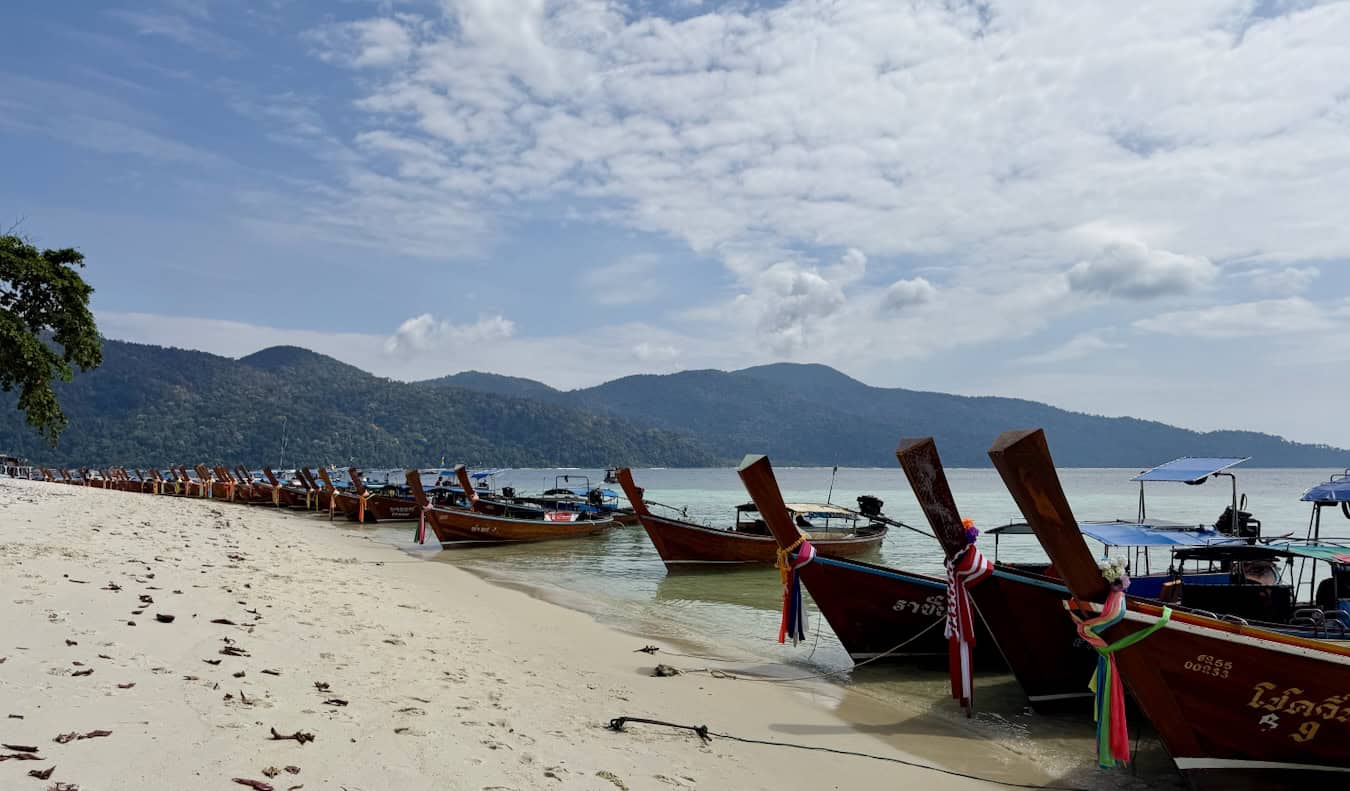
Environmental degradation is readily apparent beneath the surface as well. The surrounding coral reefs are deteriorating rapidly under the combined pressures of heavy boat traffic, dropping anchors, coastal pollution, and overfishing. The shoreline is crowded with longtail boats, their engines spilling exhaust directly into the sea and leaving a visible sheen of oil across the swimming areas. Meanwhile, local dining establishments have shifted their focus to cater to tourists seeking Western comfort food rather than preserving traditional Thai cuisine.
The economic boom has also reshaped the island’s social fabric. Many indigenous residents have been displaced, having sold their land to developers hailing from the mainland. A significant portion of the current workforce commutes from outside the island, capturing little of the financial upside generated by the massive tourism influx.
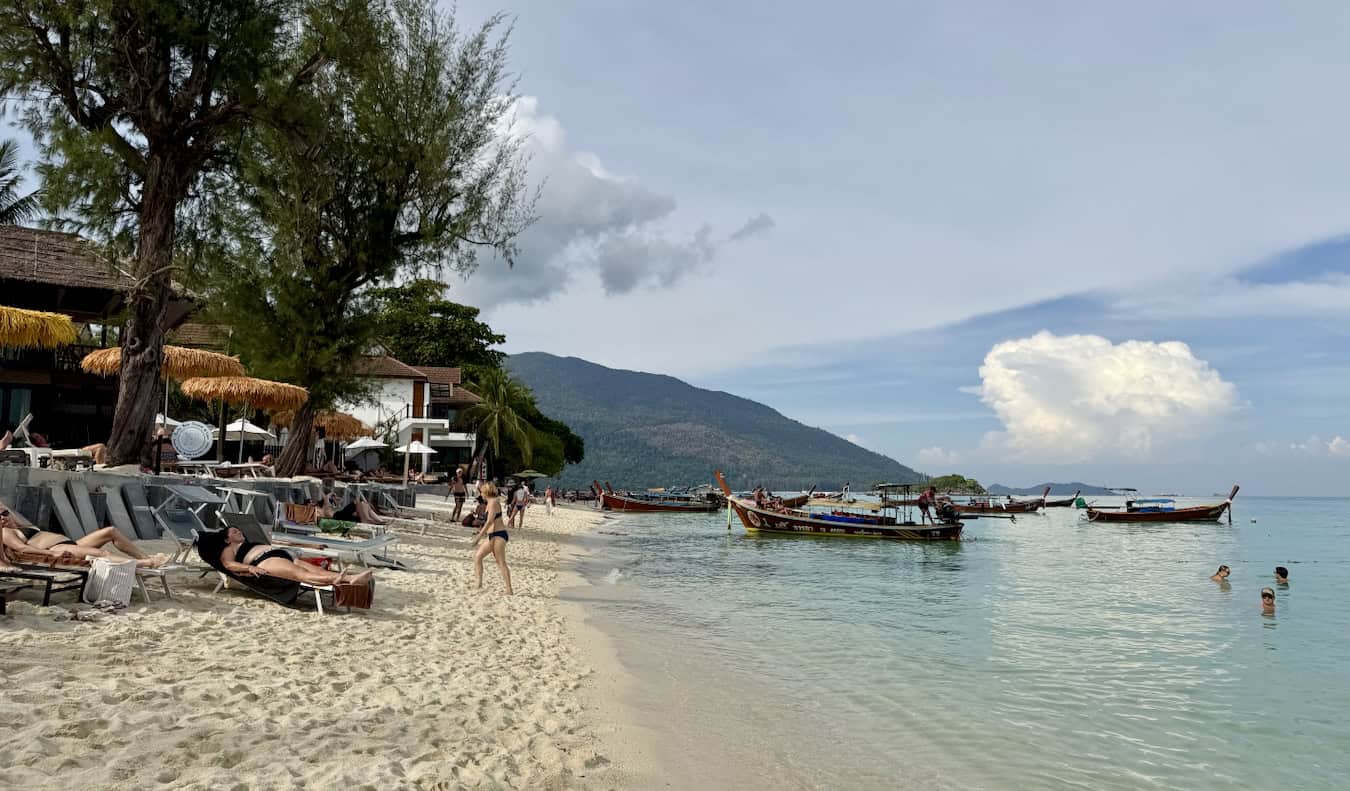
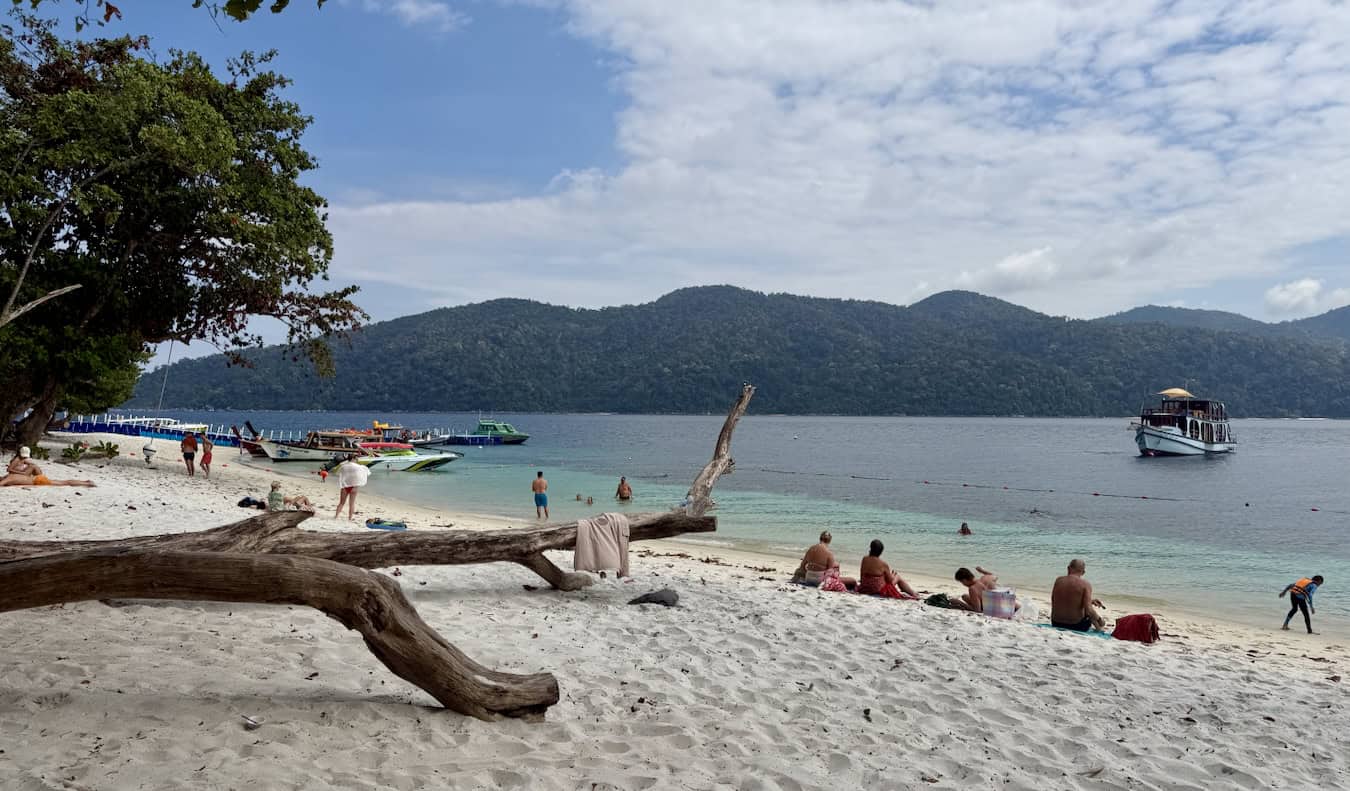
Despite these profound changes, the destination still retains surface-level appeal. First-time visitors are frequently captivated by the postcard-perfect azure waters, pristine white sands, and proximity to protected marine environments within the surrounding national park, which offer excursions to secluded neighboring islands. Compared to heavily touristed hubs like Phuket, Krabi, or Ko Phi Phi, Ko Lipe can still feel relatively manageable to newcomers experiencing it for the first time.
Yet, this aesthetic charm complicates the broader ethical dilemma. Observers argue that continued promotion and visitation of Ko Lipe only exacerbates the strain on fragile local ecosystems and limited infrastructure. While local communities and business owners naturally welcome economic activity and cannot be expected to remain economically stagnant for the sake of preserving an outsider’s romanticized ideal, the current model of growth is widely seen as unsustainable.
Fortunately, travelers seeking authentic and well-managed coastal experiences in the region still have viable alternatives. Nearby destinations such as Ko Lanta, Ko Jum, and Ko Mook offer thoughtfully balanced tourism models that protect both natural resources and local livelihoods.
The situation on Ko Lipe underscores a broader truth about modern tourism: consumer choices hold immense power. History has demonstrated that shifts in traveler awareness can drive meaningful change, as seen in the widespread decline of elephant riding and the explosive growth of eco-lodges worldwide. By consciously opting to bypass overdeveloped hotspots in favor of sustainably managed alternatives, travelers can mitigate their environmental impact and signal a demand for more responsible tourism practices across Southeast Asia.