Across Latin America and the Caribbean, voters who are deeply worried about rising crime rates have recently elected populists promising to restore law, order, and security. While some political observers have interpreted this development as a definitive regional swing to the right, a closer look reveals little evidence of a durable ideological shift in that direction. Instead of being driven by deep-seated ideological commitments, voters are primarily motivated by a profound frustration with traditional politicians and their persistent failure to solve everyday problems. In the latest electoral cycle, citizens rebelled against the breakdown of public security and law and order; in the next, they are poised to push back against surging living costs and the region’s enduring social and economic inequalities.
Governments throughout Latin America and the Caribbean, many of which are already operating under severe fiscal constraints and limited economic space, must now grapple with two major external shocks hitting simultaneously. These include the prolonged and effective closure of the Strait of Hormuz and this year’s exceptionally severe El Niño phenomenon—a natural warming of sea surface temperatures in the Pacific Ocean that fundamentally upends normal weather patterns. Both of these forces are actively fueling inflation, severely disrupting complex international supply chains, and forcing cash-strapped, highly indebted governments to make difficult, unpopular policy choices.
For everyday voters across the region, these twin crises have abruptly brought economic survival back to center stage. Leaders such as Chilean President José Antonio Kast and Ecuadorian President Daniel Noboa, both of whom won their respective offices on strong security-focused platforms, have watched their public standing plummet as economic woes deepen. Similarly, Argentine President Javier Milei, who ran a high-profile outsider campaign in 2023 centering on aggressive opposition to economic mismanagement, now faces an increasingly uphill reelection bid for 2027. Ordinary Argentines continue to struggle with punishing day-to-day economic challenges despite the country’s broader macroeconomic improvements.
All of this establishes a volatile foundation for further political swings in the coming years, as climate change and international geopolitical shifts generate economic shocks at a pace that is remarkably difficult for any single government to handle. Such systemic turbulence threatens to fuel deeper political polarization and reward populist leaders whose promised quick-fix solutions are fundamentally unlikely to repair the structural flaws holding back long-term growth.
Yet, widespread chaos is not an inevitable outcome. The region possesses abundant natural resources to adapt to an increasingly unstable global environment. Its critical minerals, vast renewable energy potential, and robust agricultural sector are precisely what the international community requires to secure food supplies, advance modern technology, and navigate the global energy transition. To properly harness these valuable assets, however, the region must overcome profound infrastructure deficits, significantly strengthen the rule of law, and accelerate genuine regional integration. Multilateral development banks and external international partners, such as the United States and Europe, can assist significantly by channeling private investment into shared infrastructure, promoting intraregional trade and regulatory harmonization, and fostering industrial value chains where economic benefits are broadly distributed. The alternative is a region that continually lurches from one severe crisis to another, swinging wildly from one political extreme to the opposite.
SHOCK WAVES FROM HORMUZ
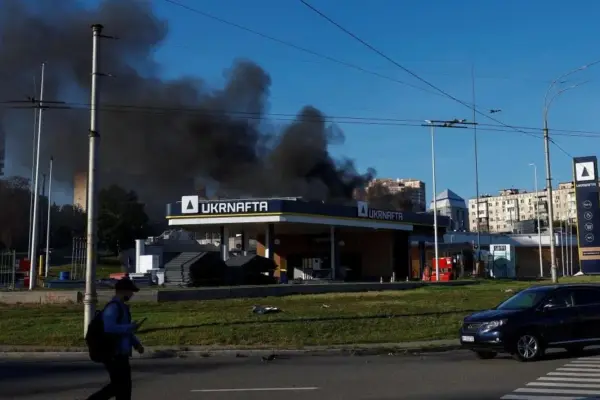
Disruptions to international energy and fertilizer markets stemming from the prolonged effective closure of the Strait of Hormuz have already fundamentally reshaped Latin American politics. In March, Chilean President Kast saw his public approval rating drop by 14 points after he declined to issue consumer subsidies designed to soften the heavy blow of rising domestic energy prices. By April, Peruvians, deeply upset by the sharpest monthly inflation spike recorded in the country in more than 30 years, demonstrated how sudden economic anxiety can upend established politics and open the door wide to populists. The leftist candidate Roberto Sánchez unexpectedly surged during the first round of the presidential elections, though he ultimately lost a remarkably narrow runoff to the right-wing candidate, Keiko Fujimori. In Argentina, despite a burgeoning domestic hydrocarbon sector, higher global energy costs have renewed severe inflation concerns and created a major political headache for President Milei, whose disapproval rating spiked to 63 percent in late April, up steeply from 49 percent at the start of the year.
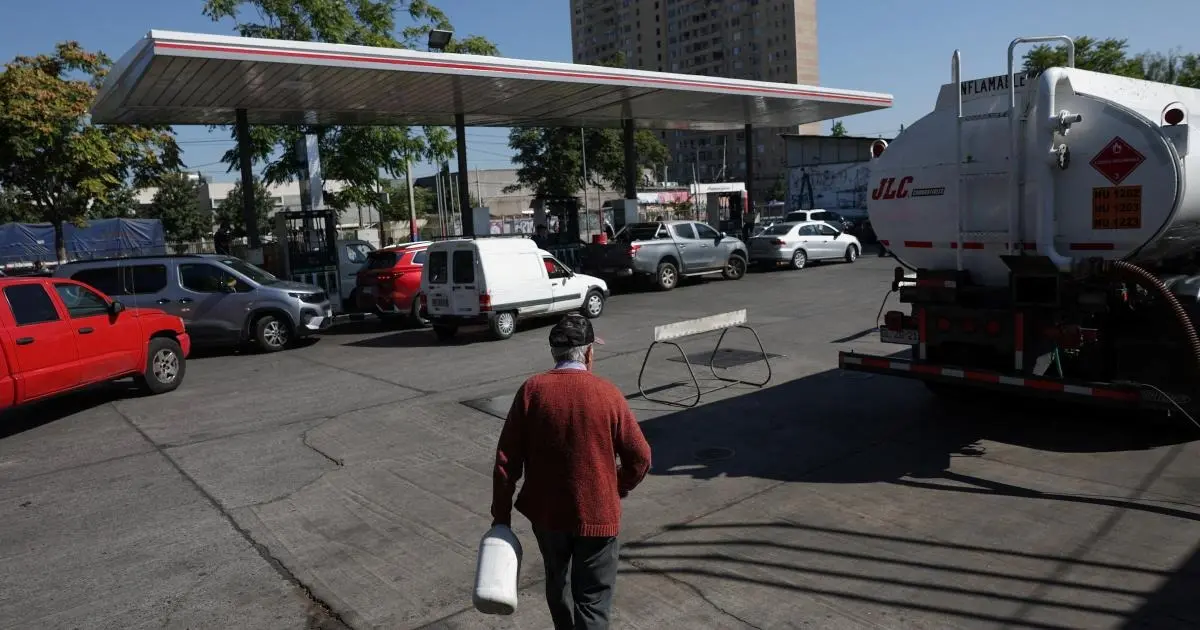
Given the region’s heavy structural dependence on imported gasoline and diesel, the economic toll of sustained high global oil prices is compounding rapidly. The governments of the Dominican Republic, Nicaragua, and several smaller Caribbean nations have attempted to subsidize domestic energy costs—a financially unsustainable proposition as high prices persist indefinitely. Elsewhere, governments simply cannot afford such fiscal relief, and ordinary consumers have been hit exceptionally hard. The market price of maize, an essential dietary staple across Central America, rose by more than 60 percent in Honduras between 2025 and 2026. In neighboring Guatemala, soaring gasoline prices directly sparked widespread public protests.
To be sure, a select group of countries has benefited financially from the ongoing turbulence in the global energy sector. Chief among them is Guyana, where national oil revenues have expanded by more than 50 percent so far this year. Venezuela has also profited from the higher prices, although the long-term viability of its oil and gas sector remains highly questionable in the absence of a meaningful democratic political transition. The diplomatic deal struck by the Trump administration with Venezuelan Interim President Delcy Rodríguez already faces intense congressional scrutiny, which will only escalate if upcoming U.S. midterm elections shift control of either legislative chamber to the opposition Democrats. In Argentina, expanding shale oil and gas production has successfully transformed the nation from a net energy importer into a net exporter, boosting vital dollar export revenues. Brazil’s growing hydrocarbon industry has similarly elevated the country to Latin America’s largest oil producer and cemented its status among the world’s top ten producers, with substantial room for future expansion. Furthermore, Peru and Chile have managed to offset higher energy import costs by increasing exports of essential minerals, including copper and gold, whose global market prices have climbed to historic record highs.
Nevertheless, if the Strait of Hormuz remains effectively closed—and particularly if the United States decides to curtail vital diesel fuel exports—countries across the entire region will face escalating energy import costs that will inevitably weigh heavily on agricultural production and drive domestic inflation higher.
FROM BAD TO WORSE
This year, the severe consequences of the closure of the Strait of Hormuz will be significantly magnified by what threatens to be one of the most intense El Niño cycles on record. In the coming months, the weather pattern will likely bring severe flooding to Argentina, Brazil, Ecuador, Paraguay, and Peru; punishing droughts to Central America and the Amazon rainforest; and widespread disruptions to vital Pacific Ocean fisheries. Having already drained their national budgets responding to the market shocks stemming from conflicts in the Middle East, many governments will be forced to meet these new environmental and humanitarian challenges with virtually empty coffers.
The region is already feeling the devastating effects of these weather anomalies. Peru has endured relentless heavy rains, massive landslides, and widespread flooding that has directly affected hundreds of thousands of citizens, and the resulting economic disruptions are expected to intensify as the year progresses. Meanwhile, Colombia—which was also struck by a powerful 7.4-magnitude earthquake in August—faces El Niño-driven pressures on its critical hydroelectric power plants and its vital coffee output, which remains a cornerstone of the nation’s export income. In both countries, emergency disaster response efforts are severely straining the financial health and administrative capacity of new leaders who originally campaigned almost exclusively on security platforms but must now contend with profound economic fragility.
As Central America confronts the very real possibility of severe drought, mounting food insecurity, and high costs for both fuel and fertilizer, regional governments will likely be forced to suspend fuel taxes, thereby forgoing substantial public revenues, simply to head off widespread social unrest. A decade ago, a strong El Niño event severely damaged agricultural production in El Salvador, Guatemala, and Honduras, ultimately fueling a large wave of migration toward the United States. Today, with far tighter enforcement and stricter restrictions at the U.S.-Mexican border closing off migration as a traditional safety valve, those same nations face the alarming prospect of growing domestic social unrest within their own borders. At the same time, significantly lower rainfall totals are drastically reducing water levels in the Panama Canal and slowing commercial shipping, further straining already disrupted international trade in liquefied natural gas.
Given its vast geographic expanse and varied regional climates, Brazil faces perhaps the broadest exposure to these climatic shocks. El Niño directly threatens critical soy and corn harvests in the southern agricultural regions while plunging vulnerable savannahs and rainforests into severe drought conditions that spark destructive wildfires. Furthermore, hydroelectric power, which supplies the vast majority of Brazil’s electricity, will likely come under immense strain, forcing the country to rely much more heavily on expensive gas-fired, diesel-fired, and coal-fired electricity generation in the north and northeast. This operational shift could require costly government price subsidies for consumers and slow the nation’s burgeoning data-center boom. All of this turbulence is unfolding concurrently during a highly polarizing presidential election contest between incumbent President Luiz Inácio Lula da Silva and Senator Flávio Bolsonaro, the son of the far-right former president Jair Bolsonaro, who was previously convicted of plotting a coup.
In Argentina, President Milei’s ambitious economic stabilization plan depends heavily on a strong grain harvest to rebuild crucial central bank dollar reserves and sustain his political crusade against inflation. Following a prolonged drought that severely curtailed previous agricultural yields, Argentina desperately needs the above-average rainfall that El Niño is forecast to bring, but excessive rainfall could easily damage rural infrastructure and reduce crop yields, ultimately cutting into vital export income. Lower agricultural revenues would leave the national government with diminished financial resources, while reduced domestic food production would drive up consumer prices—both of which would act as major political boons for the most extreme Peronist populists campaigning against Milei ahead of the 2027 elections.
The simultaneous closure of the Strait of Hormuz and a historic El Niño arrive precisely as Latin America and the Caribbean were finally regaining their economic footing following the COVID-19 pandemic. That global health crisis hit the region especially hard, causing the deepest economic contraction experienced in the area in 120 years. The fact that the region managed to avoid an entirely lost decade of economic growth is a genuinely positive sign. However, with external economic and environmental shocks now arriving with relentless regularity, governments will lack the necessary fiscal and political space required to address the deep structural factors that consistently limit sustainable growth and long-term development. Without concerted, region-wide efforts to seize new economic opportunities in a shifting global landscape, chronic underperformance will inevitably prevail.
FULL-COURT PRESS
Latin American nations can do very little on their own to force the reopening of the Strait of Hormuz or to actively cool the warming waters of the Pacific Ocean. If they are to successfully weather these compounding crises, they will have to band together through regional cooperation in ways that have largely eluded them historically.
No region in the world trades less with itself than Latin America and the Caribbean. Regional governments must urgently find the necessary political will to better link their individual economies together in the shared interest of achieving economic growth that directly reaches ordinary citizens. They must also significantly strengthen the rule of law and exercise much greater fiscal discipline. The region’s multilateral development banks—including the Inter-American Development Bank, CAF-Development Bank of Latin America and the Caribbean, and a wide array of subregional financial institutions—can assist on several crucial fronts. They are uniquely positioned to provide rapid emergency financing and professional planning support for coordinated disaster response. They can also play a pivotal role in courting increased private sector investment.
If governments across the region fail to effectively address inflation, food insecurity, and other persistent economic disruptions, widespread social unrest will inevitably follow. Political leaders who were originally elected on hardline security agendas, such as Salvadoran President Nayib Bukele and Ecuador’s Noboa, will likely feel compelled to intensify their aggressive rhetoric and uncompromising policies. Other leaders, including Colombian President Abelardo de la Espriella, who recently launched a high-profile crackdown on Venezuelan migrants inside the country, will be strongly tempted to stoke xenophobia simply to deflect public blame for their own policy shortcomings. Meanwhile, Argentina’s Kirchneristas—staunch supporters of former President Cristina Fernández de Kirchner—and various other economic populists will once again gain critical ground at the ballot box. As populists characteristically do, they will run campaigns built on promises they cannot possibly fulfill, subsequently enacting policies that drive up public spending and fiscal deficits without generating significant or broadly shared economic growth.
Beyond the domestic efforts of the region’s own governments, two major external players possess the capacity to help Latin America avoid the absolute worst consequences of these intersecting crises: Europe and the United States. The European Union is actively positioning itself as a reliable, predictable economic partner that offers a stable alternative to both China and the United States. If the bloc’s Court of Justice formally upholds the long-sought EU-Mercosur Partnership Agreement next year, the European Union will successfully lock in comprehensive free trade with Argentina, Brazil, Paraguay, and Uruguay. Furthermore, through its ambitious “Global Gateway” initiative, the EU is currently supporting the regional economy with more than $50 billion in combined public and private investments.
By contrast, the United States under President Donald Trump is pursuing a markedly different strategic approach characterized primarily by economic coercion through tariffs and the overt use of geopolitical force. While Washington may occasionally manage to strong-arm a country such as Venezuela for a short-term resource grab, such a heavy-handed approach carries the distinct risk of severely squandering long-term U.S. diplomatic influence across the entire hemisphere. A stable and prosperous Latin America is fundamentally in the national security interest of the United States, as is keeping critical global supply chains close to home, particularly regarding essential minerals and advanced technologies. To achieve this, Washington should actively encourage regional governments, multilateral development banks, and private enterprises to build resilient, integrated supply chains spanning Latin America and the Caribbean. Together, these stakeholders can provide regional nations with the vital financing and disaster-response support required to emerge from these compounding crises substantially stronger.
Despite the formidable challenges they currently face, the governments of Latin America and the Caribbean retain a crucial opportunity to help meet some of the world’s most pressing resource needs while fostering genuine, shared economic growth. Should they fail in this endeavor, they will wide open the door to increasingly extreme economic populists whose policies will only exacerbate the region’s existing problems. Furthermore, if the United States and Europe fail to proactively support deeper economic integration, China will readily step in to deepen its strategic ties throughout the hemisphere by promising quick, highly visible political wins to governments of virtually all ideological stripes—propping them up in the short term while compounding their structural difficulties over the long run. Quick political fixes will never suffice to repair the deep structural flaws holding back the region’s true economic potential.