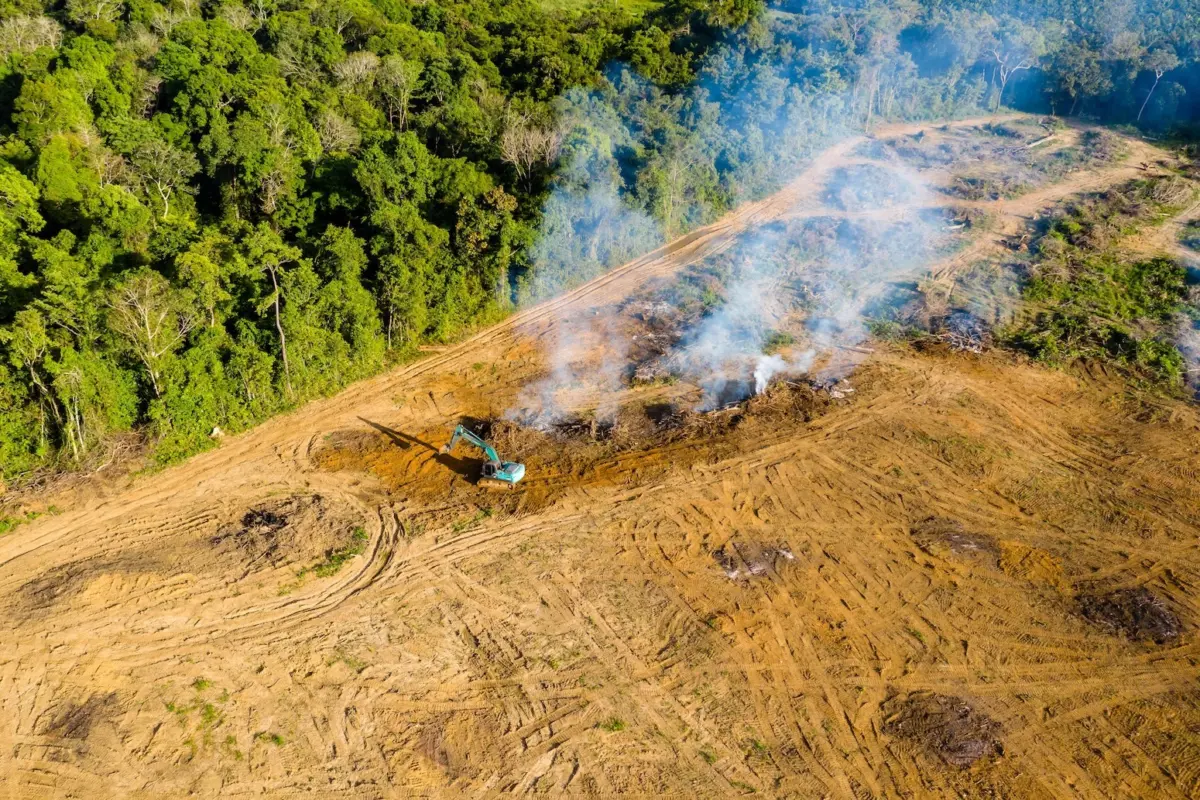
Beginning on 19 October and running through 30 October, representatives from 196 parties will gather to negotiate the precise wording of dozens of legal texts that will shape global conservation efforts for years to come. These decisions will be finalized under the Conference of the Parties (COP) to the CBD, marking a pivotal moment for international environmental diplomacy.
This year’s summit carries exceptional weight, as it represents the official halfway point between the landmark agreement of the Kunming-Montreal Global Biodiversity Framework and the ultimate 2030 deadline for achieving its ambitious targets. The stakes could hardly be higher, particularly in light of recent findings from the CBD revealing that countries are currently falling short on 22 out of the framework’s 23 targets. The Yerevan talks will therefore serve as a critical reality check and an urgent opportunity to course-correct before the decade runs out.
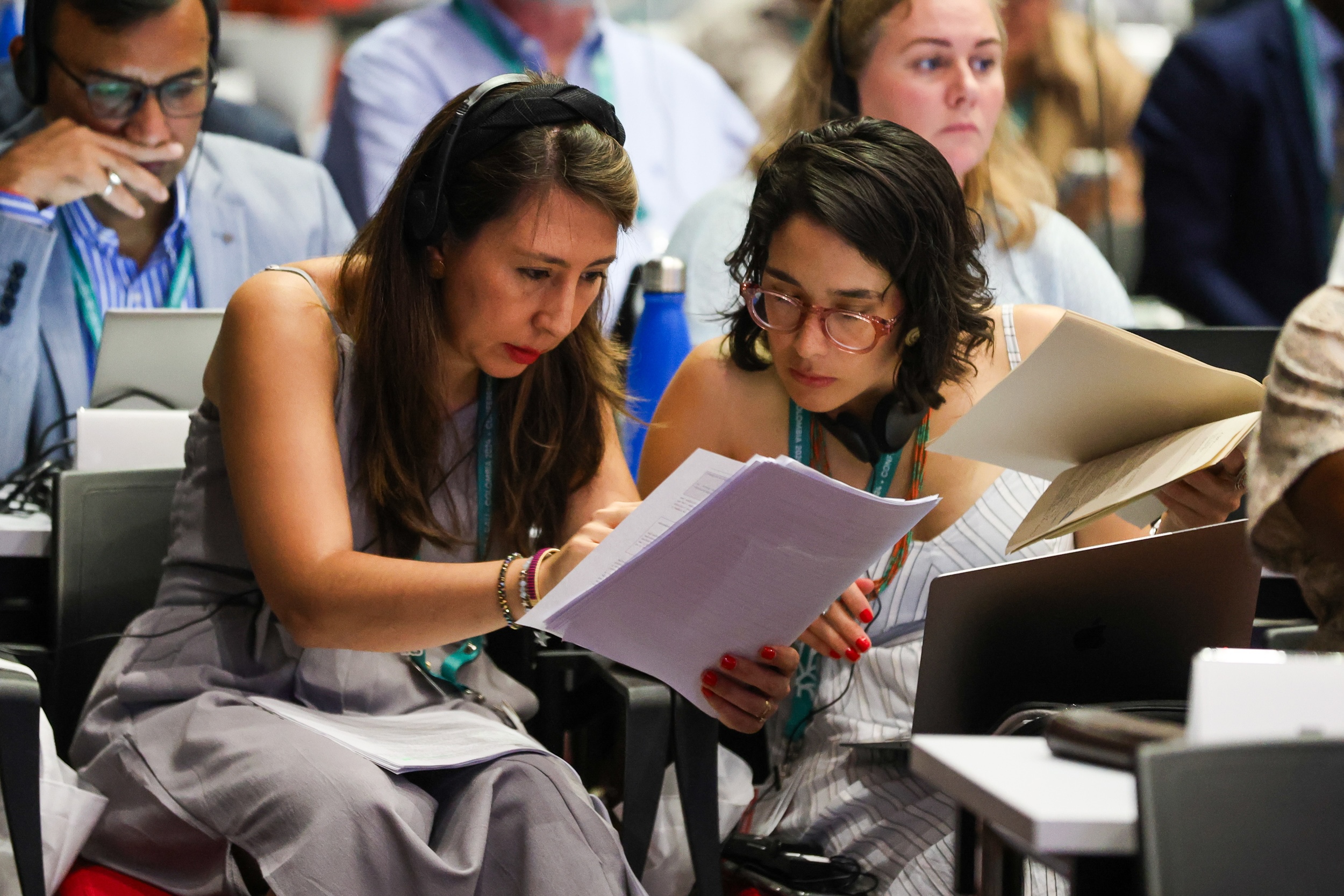
Alongside the main COP negotiations, delegates in Yerevan will also be immersed in complex talks relating to the two primary supplemental protocols to the CBD: the Cartagena Protocol, which governs biosafety, and the Nagoya Protocol, which addresses access and benefit-sharing for the use of genetic resources. While these protocols operate under the broader umbrella of the convention, they function through their own governing bodies known as meetings of the parties, or MOPs. The Cartagena Protocol currently has 173 parties, while the Nagoya Protocol stands at 141.
To navigate the dense forest of paperwork and legal jargon at the summit, observers and policy analysts are closely tracking the progress of countries toward consensus on dozens of core negotiating texts. This includes monitoring draft decisions stemming from the most recent subsidiary body meetings, which provide the foundational starting point for the discussions in Yerevan.
The CBD relies on three specialized subsidiary bodies to inform its decision-making process: the Subsidiary Body on Scientific, Technical and Technological Advice (SBSTTA), the Subsidiary Body on Implementation (SBI), and the Subsidiary Body on Article 8(j) and Other Provisions (SB8J). The latter is dedicated specifically to issues concerning Indigenous peoples and local communities, having been newly established at COP16 in Cali, Colombia, in 2024.
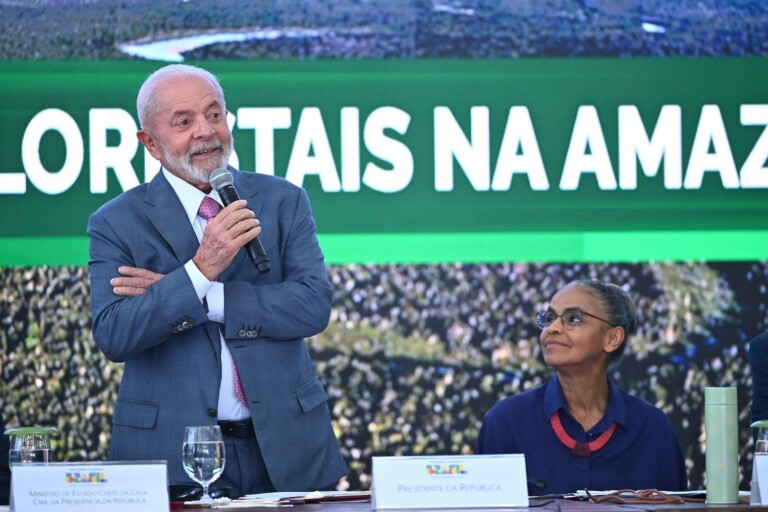
As negotiations get underway, tracking the proximity of nations to consensus involves a unique diplomatic metric: square brackets. In UN draft texts, areas of ongoing disagreement are enclosed in square brackets. By counting the brackets in any given iteration of a document, delegates and analysts can gauge how far apart parties remain from reaching a finalized agreement.
In addition to bracketed text, negotiating documents frequently present delegations with alternative pathways, denoted as "options" or "alt." These alternate choices represent differing national priorities and strategic visions, forcing chairs and negotiators to find diplomatic bridges to cross these divides before the two-week summit concludes.
Two major agenda items are expected to dominate the political spotlight and consume the vast majority of negotiating bandwidth in Yerevan. The first is the global review, a comprehensive assessment designed to evaluate collective progress toward the Kunming-Montreal Global Biodiversity Framework and issue actionable recommendations for accelerating implementation on the ground.
The second major focal point is finance, an issue that is broadly divided into resource mobilisation and the underlying financial mechanism. On resource mobilisation, biodiverse nations from the global south are expected to push aggressively for a substantial increase in international public and private finance for conservation. Developing nations argue that halting biodiversity loss is impossible without adequate, predictable, and accessible funding from wealthy industrialized nations.
Financial disagreements are far from abstract; they carry a history of intense geopolitical friction. Deep-seated disputes over the creation of a dedicated financial mechanism were severe enough to cause the historic suspension of COP16 in Cali, Colombia, in October 2024, when parties failed to reach a consensus before the official end of the summit.
At the heart of the debate is a fundamental institutional divide. Global south countries have strongly advocated for the establishment of a separate, standalone financial mechanism placed under the direct control and authority of the CBD. Conversely, global north countries have largely preferred to maintain the status quo by routing conservation finance through the existing Global Environment Facility.

Following months of high-stakes diplomacy, countries managed to find a middle ground at the resumed session of COP16, which took place in Rome in early 2025. During that meeting, delegates agreed upon a structured roadmap aimed at establishing a permanent mechanism. The discussions in Yerevan will test the durability of that compromise as delegates work to operationalize the financial architecture required to fund global nature protection for the remainder of the decade.