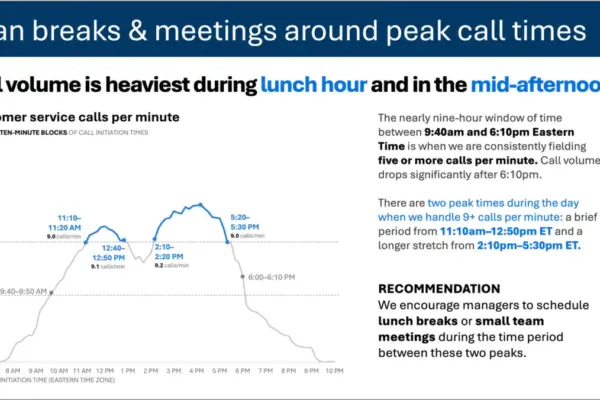
In the modern landscape of data communication, professionals frequently encounter a distinct hurdle: the transition from raw analysis to clear, impactful explanation. While data exploration tools and artificial intelligence have revolutionized the speed at which analysts can discover patterns, segment metrics, and surface insights, knowing what the data reveals is fundamentally different from knowing how to communicate it effectively. Addressing this critical juncture, the latest installment in the SWD + AI series offers practical guidance on leveraging artificial intelligence not as an automated shortcut, but as a strategic thought partner for establishing context before a single chart is built or a slide deck is opened.
For years, the core philosophy taught by Storytelling with Data (SWD)—spanning instructional books, intensive workshops, and corporate makeovers—has maintained a consistent starting point: context. Before choosing a chart type, designing a layout, or selecting colors, communicators must thoroughly understand their audience and define precisely what those stakeholders need to know or do. This foundational requirement has remained unchanged, even as the technological ecosystem surrounding data analysis has evolved.

By the time data professionals begin crafting a narrative, they have typically invested significant effort into exploring datasets and extracting key findings. Yet, this exploratory phase often stops short of explanatory design. Bridging the gap between raw analytical output and persuasive storytelling requires a firm grasp of context, a step where artificial intelligence can deliver immense value. Rather than waiting to consult a busy colleague, professionals can utilize AI tools on demand to stress-test their assumptions, push back against vague thinking, introduce alternative angles, and refine project framing while adjustments remain straightforward and efficient.
However, industry experts emphasize that AI can only serve this collaborative function if users approach the interaction fully prepared. The quality of any dialogue with an AI model depends heavily on the specific context supplied by the user. Grounded in established principles—such as identifying the target audience, clarifying what is at stake, and articulating a distinct point of view—this preparation can be effectively structured using practical frameworks like the SWD Big Idea worksheet.

Working with AI: Establishing Context and Refining the Big Idea
The concept of the Big Idea centers on formulating a single, concise sentence that captures a communicator’s unique point of view while explicitly conveying what is at stake for the audience. Structured frameworks like the Big Idea worksheet provide a methodical pathway to reach this conclusion. When integrating AI into this workflow, professionals have multiple options. They can complete the worksheet independently and provide it as an initial baseline prompt, or they can work through the process section by section, utilizing AI to pressure-test their reasoning regarding the audience, the stakes, and the core message sequentially.
Before diving into detailed prompts and practical applications, practitioners must remain mindful of potential pitfalls when using AI for contextual framing. Because AI models are designed to be agreeable, they may validate weak assumptions unless explicitly prompted to challenge them. Furthermore, relying too heavily on automated suggestions without rigorous human oversight can lead to generic messaging that fails to resonate with specific organizational dynamics.
To navigate these challenges, professionals can utilize structured staging prompts to align the AI with established communication principles. By setting the stage with a brief description of the project, the target audience, and the desired outcomes, users establish a collaborative baseline. Subsequent prompts can then guide the AI to evaluate audience priorities, analyze organizational risks and benefits, and synthesize these elements into a sharp, compelling core message.
Putting Context into Practice: A Real-World Workplace Scenario
To illustrate how these concepts function in a practical environment, practitioners often look to realistic scenarios inspired by everyday corporate challenges. Consider the position of a People Analytics Manager at a mid-sized consulting firm who has been tasked with evaluating the effectiveness of the company’s hybrid work policy.
The analytical team has undertaken a thorough investigation, correlating employee performance ratings with in-office attendance patterns while examining collaboration network data and attrition trends. The resulting data presents a nuanced picture rather than a simple binary conclusion. The findings suggest moving away from the current one-size-fits-all policy—which mandates three days in the office and two days remotely for all staff members—toward a differentiated approach tailored to specific roles and team types.
Communicating this nuanced recommendation requires navigating a leadership team characterized by differing opinions, varied priorities, and high stakes. This complex environment represents an ideal testing ground for AI partnership. Rather than immediately generating graphs and slide decks, the manager initiates the process by working through the Big Idea worksheet in tandem with an AI assistant.
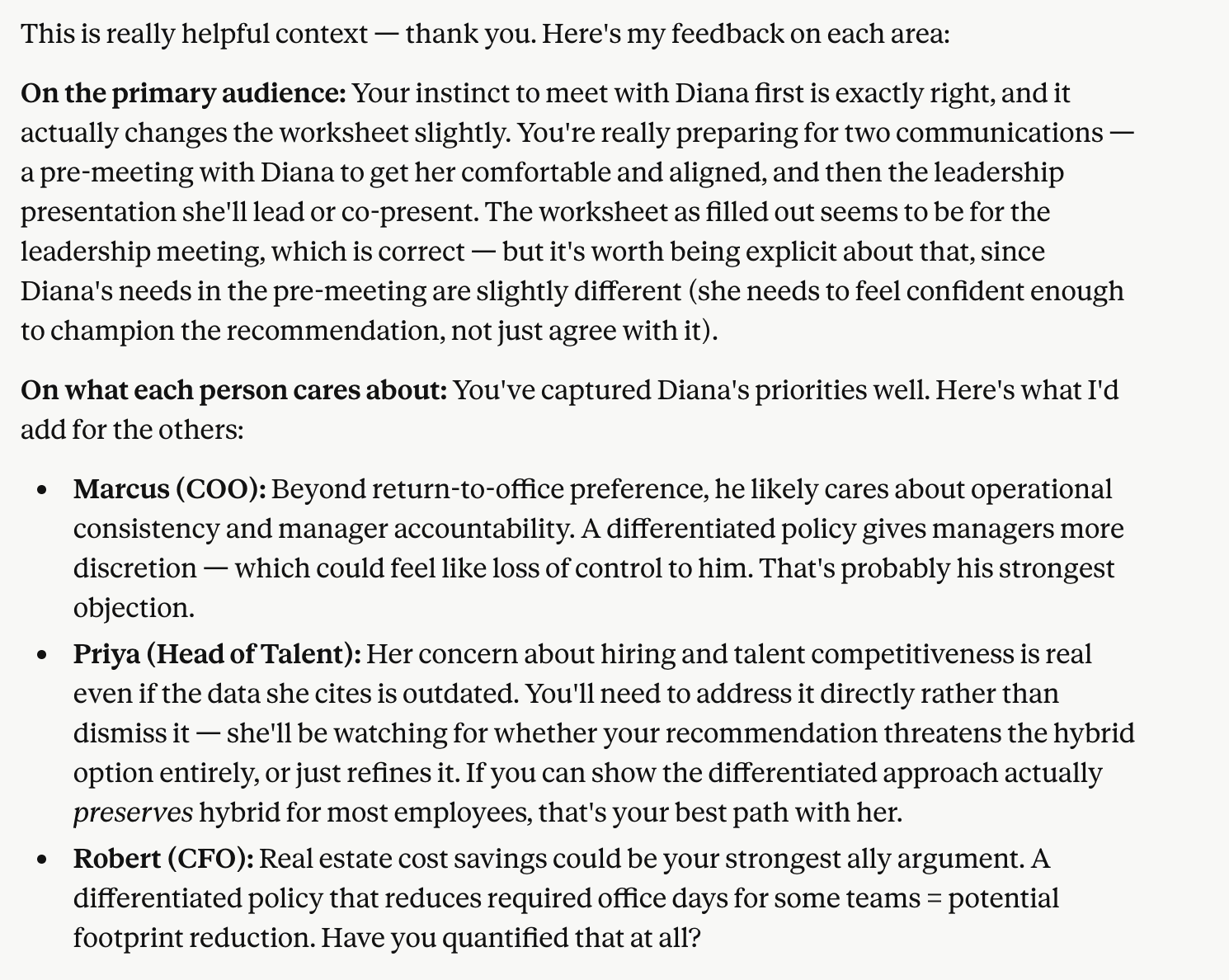
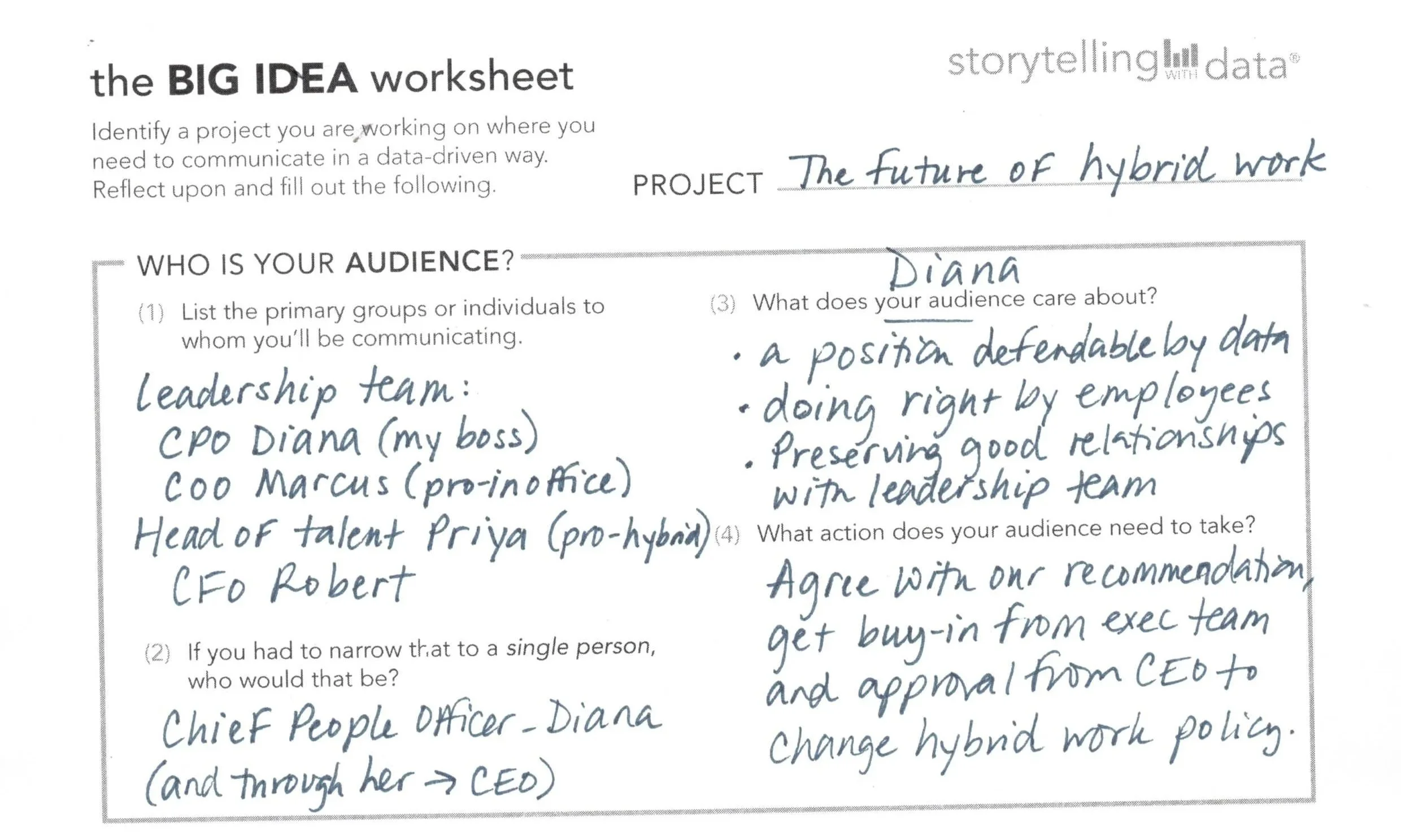
Following an initial stage-setting prompt that outlines the project parameters, the manager temporarily steps away from the screen to complete the audience section of the physical worksheet. Industry veterans frequently recommend this analog approach, noting that pen-to-paper reflection ensures initial thoughts remain genuinely independent and prevents users from anchoring too early to automated suggestions.
Analyzing Audience Dynamics and Strategic Stakes
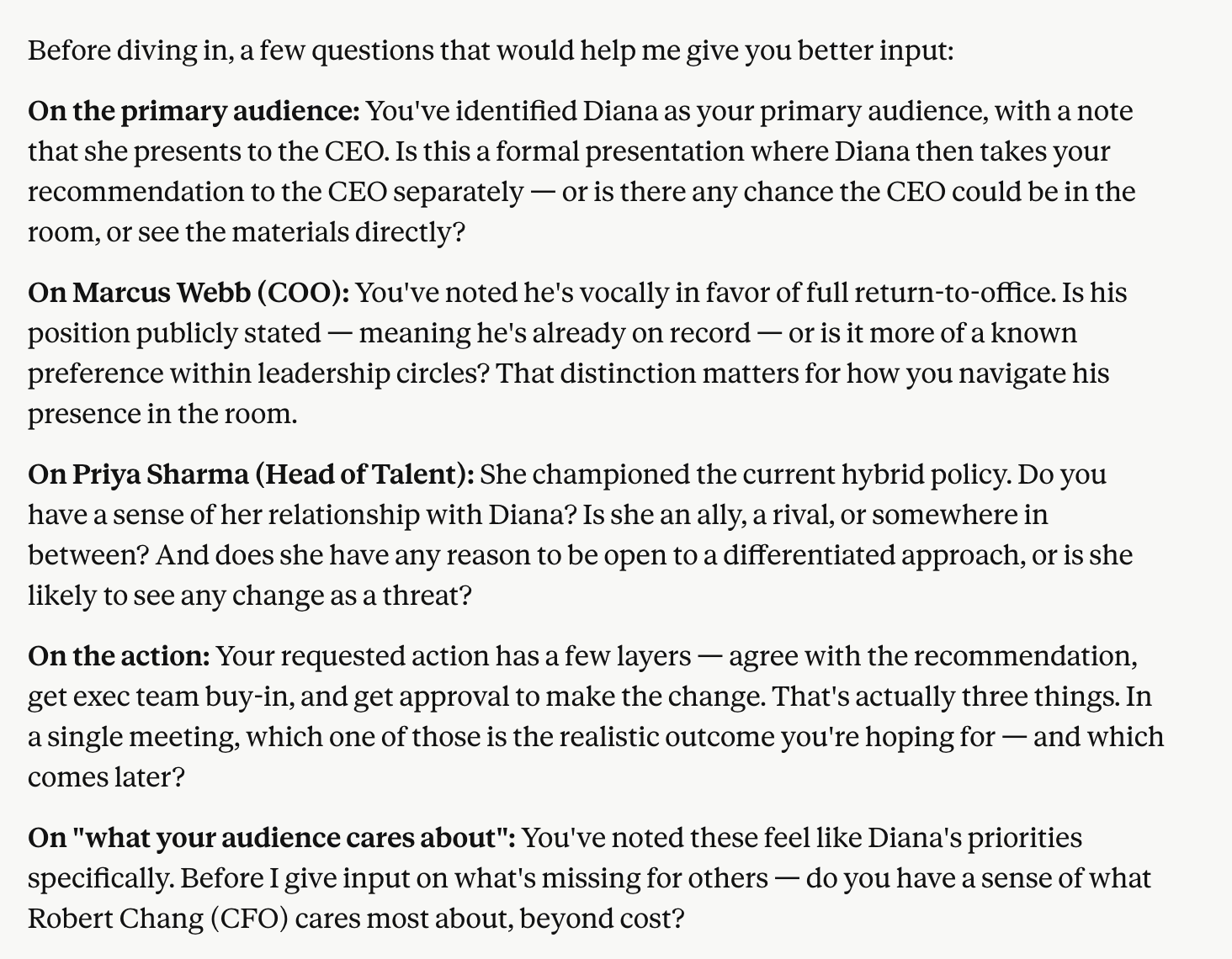
Upon reviewing the completed audience profile, the AI partner prompts the manager to consider additional nuances, such as anticipating individual stakeholder concerns and clarifying the exact path to decision-making buy-in. For instance, while the immediate presentation is intended for a key executive sponsor named Diana, the broader leadership coalition includes figures like Priya, who frequently worries about talent acquisition and employee preferences for remote flexibility, and Robert, who closely monitors real estate expenditures and operational costs.
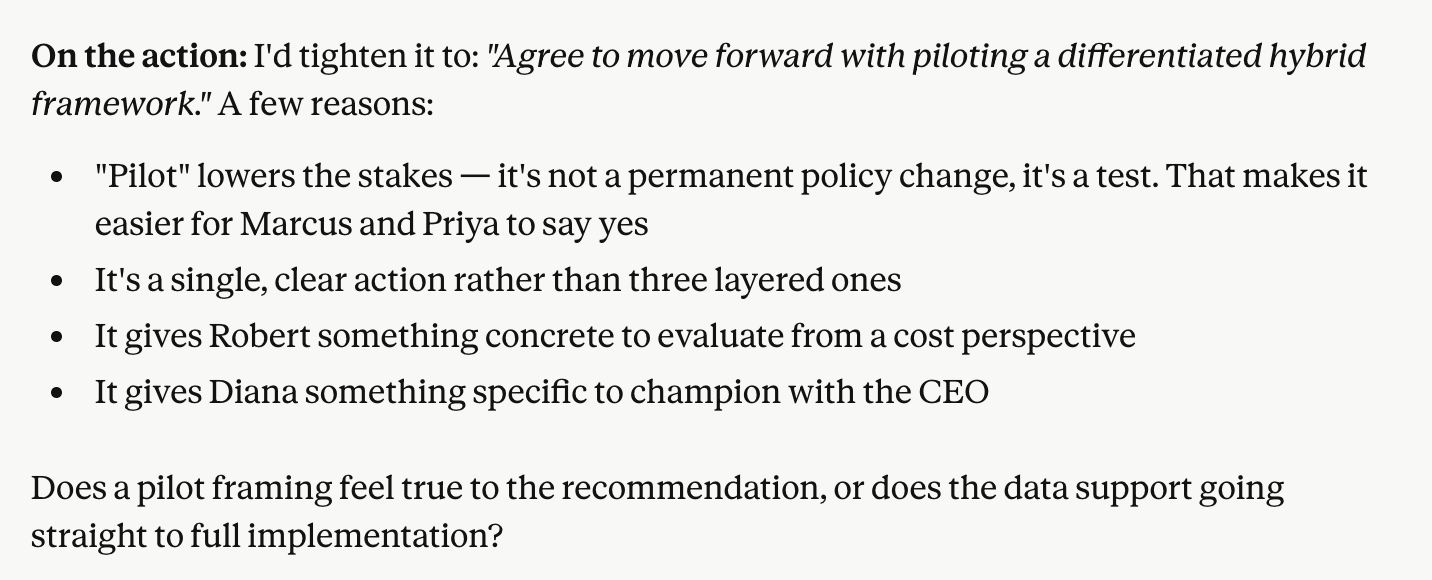
Through this interactive questioning
, the manager realizes that the proposed differentiated hybrid policy directly supports Robert’s financial goals by reducing the company’s real estate footprint, positioning him as a potential ally. Furthermore, the AI suggests reframing a proposed change as a structured organizational pilot. While the manager ultimately decides against a pilot framework because it would undermine long-term real estate cost-reduction arguments, the exercise proves invaluable in sharpening the rationale behind a permanent policy shift.
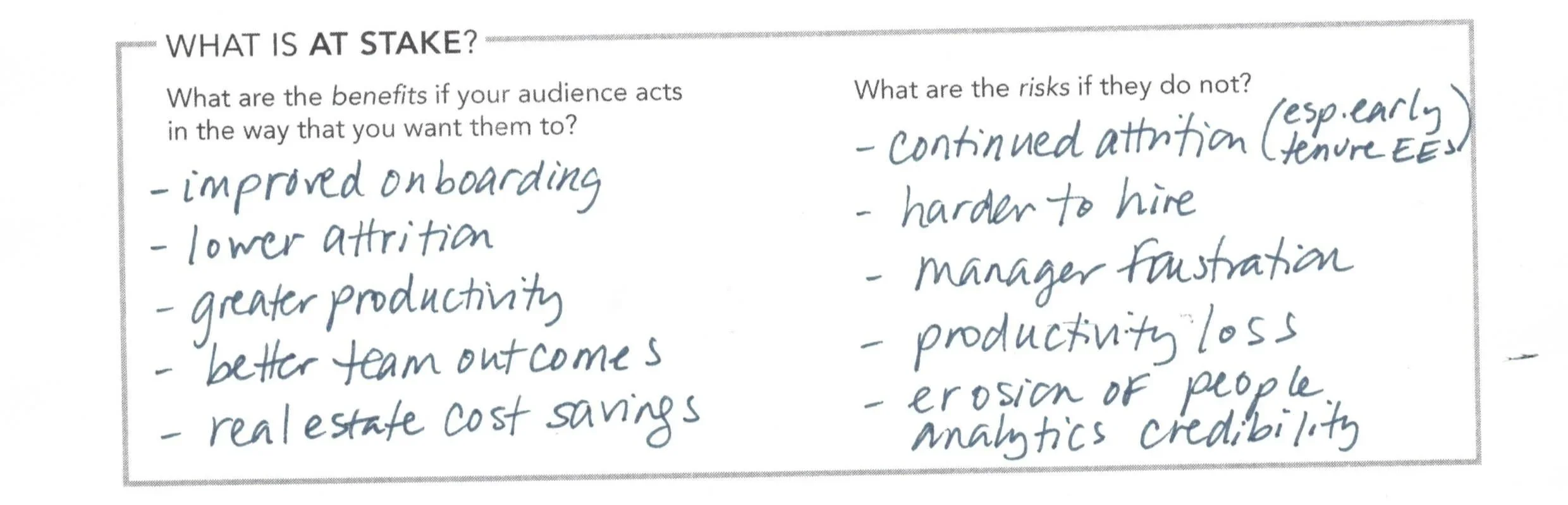
Moving to the second section of the framework—evaluating what is at stake—the manager examines the intersection of analytical findings and stakeholder priorities. Discussions with the AI help refine organizational risks, shifting vague concerns about credibility into sharper insights regarding the importance of data-driven decision-making as an institutional practice. If leadership commissions rigorous analysis and subsequently ignores clear findings, it sends a detrimental signal about the true organizational value placed on data.
Refining the Core Message and Moving Forward
With a robust understanding of the audience and the stakes established, the manager crafts an initial draft of the Big Idea. Following iterative feedback from the AI partner, the statement is polished to clearly communicate the transition: shifting from the current blanket policy to a differentiated approach that meaningfully reduces operating costs while enabling employees to perform better and stay longer.
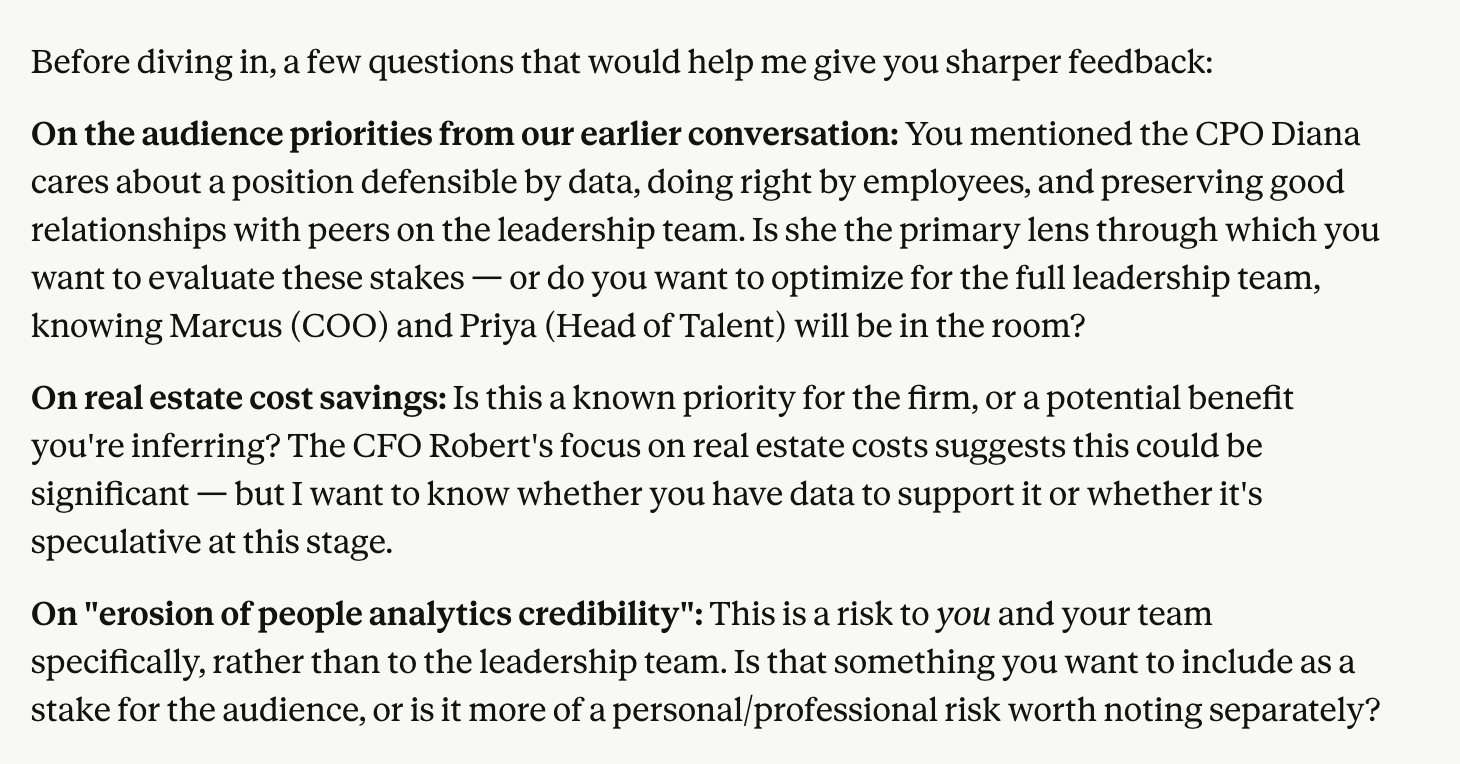
Reflecting on the entire process, the distinction between the initial mindset and the final outcome is pronounced. Starting with a narrow focus on a single executive sponsor, the collaborative workflow broadens the communicator’s perspective to encompass the entire leadership ecosystem, resulting in a sharply defined message backed by strategic confidence.
As professionals continue to explore the intersection of data communication and artificial intelligence, mastering the foundational step of contextual framing remains paramount. With a solid foundation in audience understanding, stakeholder stakes, and core messaging established, subsequent stages of the data storytelling process—such as crafting narrative structures and designing visual displays—become significantly more streamlined and effective.