The United Nations Office for the Coordination of Humanitarian Affairs (OCHA) and its international partners are racing to scale up life-saving interventions across multiple global hotspots, where escalating conflict, severe weather, and systemic violence continue to displace millions and exacerbate acute vulnerabilities. From the ongoing devastation in Yemen and the Occupied Palestinian Territory to violent upheavals in the Democratic Republic of the Congo and a looming nutrition emergency in Haiti, humanitarian organizations warn that needs are rapidly outpacing available resources amid severe funding shortfalls and relentless access constraints.
Yemen
Humanitarians scale up response as civilians flee fighting
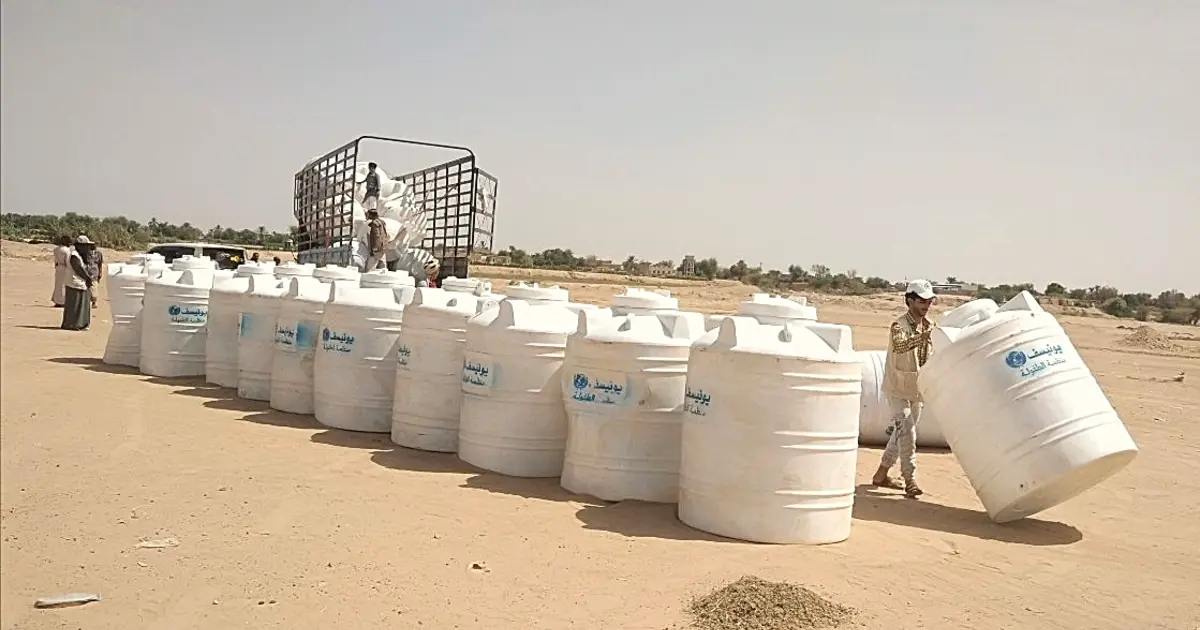
In Yemen, the UN and its humanitarian partners are urgently stepping up support for displaced families who continue to bear the heaviest burden of the protracted conflict. According to OCHA, fighting persists across multiple regions, forcing civilian populations to abandon their homes, communities, and means of survival.
Between August 1 and the first Wednesday of the reporting cycle, humanitarian agencies reached more than 11,150 displaced households with rapid response kits and other critical emergency assistance. While this deployment marks a significant expansion of operational capacity on the ground, humanitarian coordinators caution that soaring needs continue to outpace relief efforts. The operation faces continuous funding shortfalls and severe logistical and security access constraints that hamper the delivery of aid to isolated areas.
During the same timeframe, OCHA reported the displacement of more than 18,600 households across various parts of Yemen, a figure that is expected to climb further as ongoing registration assessments are finalized. Families are routinely forced to leave everything behind, fleeing to neighboring villages or crossing active conflict lines into entirely new governorates. The resulting disruption and personal risk are immense, leaving displaced populations heavily reliant on immediate, life-saving support.
In response to these worsening conditions, OCHA has reiterated its urgent calls on all parties to the conflict to protect civilian lives, strictly respect international humanitarian law, and facilitate the unhindered delivery of humanitarian aid wherever and whenever it is required.
Occupied Palestinian Territory
Gaza families face critical shelter conditions as rainy season arrives
In the Occupied Palestinian Territory, the humanitarian situation in Gaza has grown even more precarious with the arrival of the first seasonal rains. OCHA reported that sections of a war-damaged residential building collapsed in Gaza City, marking the second such structural failure within a single week. Emergency response teams successfully rescued several children trapped beneath the rubble, with only minor injuries documented.
Humanitarian partners continue to issue urgent warnings regarding the hazardous living conditions faced by families trapped amid widespread structural destruction, immense humanitarian needs, and enduring restrictions on humanitarian access and the entry of essential supplies. An estimated 1.2 million people—representing 58 percent of Gaza’s total population—currently endure shelter conditions ranging from critical to catastrophic.
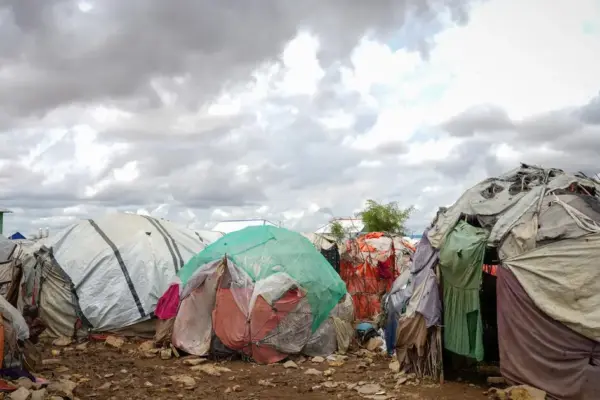
As the region’s autumn rains begin, humanitarian assessments indicate that more than 65 per cent of families are currently living in tents or makeshift shelters. Compounding this vulnerability, over half of these temporary shelters are classified as being in poor or very poor condition, leaving occupants entirely exposed to the elements.
The UN has repeatedly urged Israeli authorities to approve the entry of heavy equipment, engine oil, durable shelter materials, and other specialized items required to stabilize or repair damaged buildings and help civilians secure safer, more resilient living conditions.
During the previous week, the UN and its partners reached 200 households with rapid assistance while providing nearly 6,600 families with routine shelter support. This aid package included hundreds of new tents, tarpaulins, kitchen sets, solar lights, sleeping mats, and blankets. Humanitarian organizations emphasize that significantly more assistance can be delivered to address these pressing needs if additional financial resources are secured. Donations directed to UN Crisis Relief help sustain these vital operations.
Meanwhile, the gendered dimensions of the broader crisis were underscored by a newly published analysis from UN Women. The report warns that amidst high levels of settler violence, military operations, and severe movement restrictions across the West Bank, female-headed households face a disproportionately higher risk of displacement and chronic illness compared to male-headed households.
UN Women estimates that approximately 83,000 households—amounting to one in every eight families in the West Bank—are headed by women. Nearly 90 percent of interviewed women heading their households reported that military checkpoints make travel feel unsafe, while more than half stated that movement restrictions directly block their access to basic livelihoods and economic survival.
Democratic Republic of the Congo
Hostilities in eastern DRC drive further displacement
In the Democratic Republic of the Congo, ongoing hostilities across the eastern provinces of North Kivu and South Kivu continue to drive mass displacement, placing an intolerable strain on already overstretched host communities.
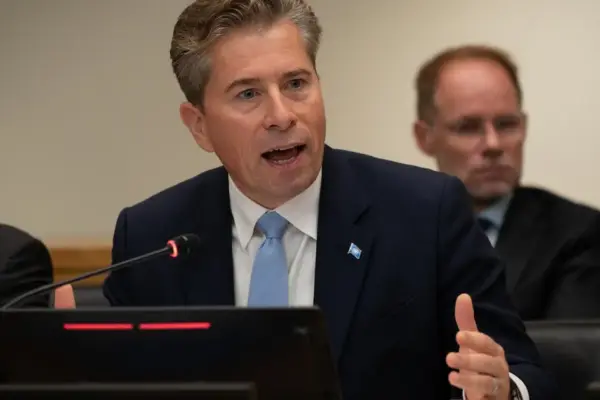
The Humanitarian Coordinator in the DRC, Damien Mama, visited the town of Masisi in North Kivu to assess conditions firsthand. He subsequently traveled to Goma to address critical operational priorities, including the protection of civilians, overcoming access constraints, and scaling up the overall humanitarian response.
According to local humanitarian partners, intensified fighting since mid-August has forced more than 70,000 people to flee into the territory of Walikale in North Kivu. The sudden influx of large numbers of displaced individuals has severely strained local infrastructure, basic public services, and the hospitality of host communities. Persistent insecurity continues to restrict the freedom of movement for civilians while simultaneously obstructing humanitarians attempting to reach populations cut off by the violence.
OCHA has issued renewed calls for all parties involved in the conflict to uphold their obligations to protect civilians and guarantee safe, sustained, and unhindered humanitarian access, ensuring that life-saving assistance reaches the most vulnerable populations without delay.
Haiti
Over a quarter million children face acute malnutrition
In Haiti, the humanitarian community has issued severe warnings regarding the rapid deterioration of nutritional conditions for hundreds of thousands of children across the country.
Data compiled by UNICEF, the Food and Agriculture Organization (FAO), and the World Food Programme (WFP) indicates that more than a quarter of a million children aged between 6 and 59 months are expected to suffer from acute malnutrition between June 2026 and May 2027. This alarming total includes nearly 94,000 children facing severe acute malnutrition, a life-threatening condition that requires immediate and specialized medical treatment to prevent mortality.
Unrelenting gang violence and civil unrest across Haiti continue to force families from their homes, systematically disrupting children’s access to reliable food sources and essential healthcare services, including malnutrition screening and stabilization programs. By mid-May, internal displacement figures reached approximately 1.5 million people nationwide, with children accounting for half of the displaced population.
Humanitarian partners warn that the nutrition crisis is projected to reach critical thresholds between December and May, during which 29 out of 140 municipalities are expected to enter IPC Acute Malnutrition Phase 3. Furthermore, densely populated urban neighborhoods such as Cité Soleil and Cabaret are projected to deteriorate into Phase 4 emergency conditions.
Across the wider country, nearly half of the total population—representing approximately 5.8 million people—currently faces severe food insecurity. Despite the mounting scale of the emergency, the nutrition sector within the broader Haiti Humanitarian Response Plan, which requires $41 million in total funding, remains less than 20 percent funded, having received only $7.5 million to date. Humanitarian agencies emphasize that urgent donor backing is required immediately to scale up life-saving interventions and prevent a catastrophic escalation of the crisis.