The profound economic shockwaves of escalating international conflicts have hit British motorists directly in the pocket, triggering a massive divergence in the cost of driving. According to a comprehensive new analysis by Carbon Brief, soaring fossil-fuel prices mean it is now up to nine times cheaper in the UK to drive an electric vehicle (EV) than a traditional petrol or diesel car.
The disparity has widened dramatically following a turbulent period in global energy markets. Since February, when the United States first launched military strikes against Iran, fuel prices at British pumps have climbed relentlessly. Government figures analyzed by Carbon Brief reveal that the average price of diesel has surged by 38%, reaching £1.96 a litre.
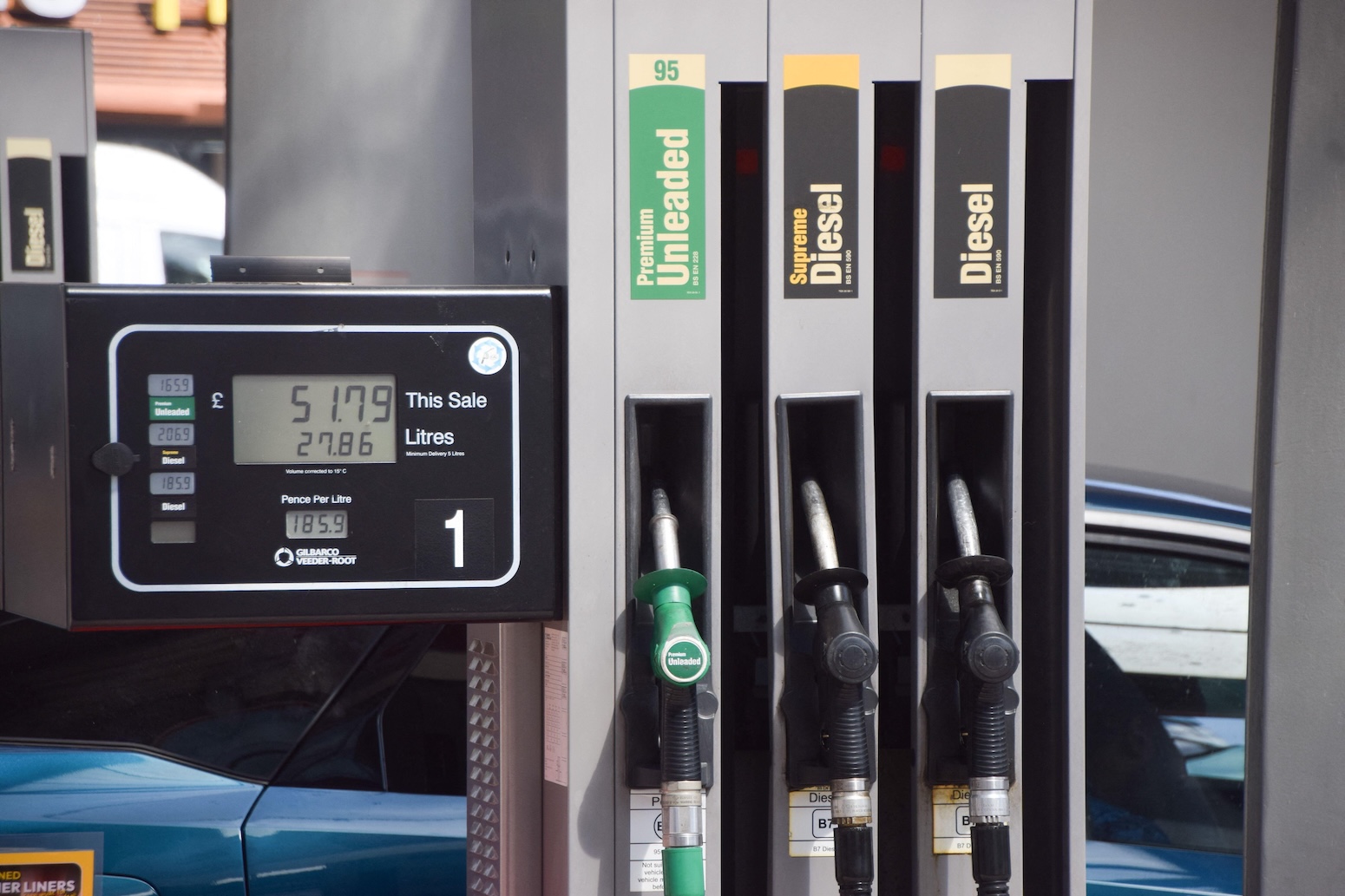
This upward trajectory shows no signs of slowing. Following the strategic attack on the Kapotnya oil refinery in Russia on September 20, combined with rapidly escalating tensions across the Middle East, fuel industry projections indicate that average diesel prices are soon expected to surpass the historic milestone of £2 a litre.
Russia historically stood as the second-largest exporter of diesel in the world. However, its vital refining infrastructure has sustained consistent blows, being hit by drone strikes every three days on average during the first six months of 2026. These persistent supply disruptions, alongside widening geopolitical rifts, have thoroughly disrupted global distribution networks.
Petrol prices have followed a similarly punishing path. Government data shows that petrol has surged by 31% since February to an average of £1.72 per litre. Across various locations nationwide, costs have already climbed to nearly £2 per litre, according to reports from BBC News.
The primary catalyst behind these soaring pump prices is a dramatic spike in global crude oil costs, which have breached $100 per barrel. This jump represents roughly a 50% increase since June, fueled further by the intensifying conflict between Yemen’s Houthis and Saudi Arabia.
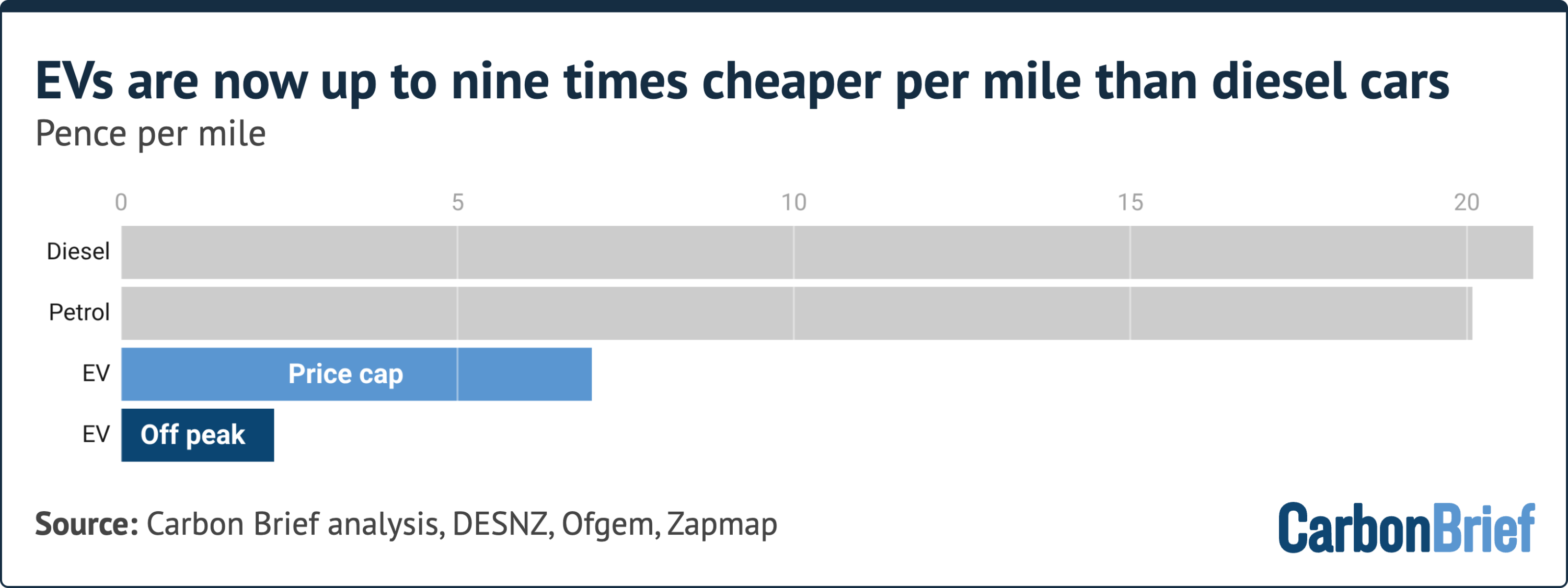
As a direct consequence of these international crises, the day-to-day cost of motoring using fossil fuels has reached extraordinary heights. Carbon Brief’s analysis of the latest weekly road fuel prices from the Department of Energy Security and Net Zero (DESNZ) indicates that it now costs an estimated 21p per mile to drive a diesel car, and 20.1p per mile for a petrol equivalent.
In stark contrast, driving an electric vehicle charged via a specialized off-peak domestic tariff offers immense financial relief. Motorists utilizing these overnight rates are paying a mere 2.3p per mile, rendering EV operation up to nine times cheaper than driving an equivalent diesel vehicle.
Even for motorists who do not have access to cheap overnight tariffs and instead charge their vehicles using the standard domestic price cap—the maximum amount a supplier can legally charge for a unit of energy and standing charge, regulated by Ofgem every three months—the savings remain substantial. Charging under the price cap costs around 7p per mile, making an EV roughly three times cheaper to run than a petrol or diesel car.
The regulatory energy price cap is scheduled to undergo an adjustment in October. However, Ofgem data shows that almost the entirety of that upcoming increase is driven by rising gas costs, with the unit rate for electricity expected to rise by less than 1%, moving from 26.1p to 26.3p per unit.
Looking further ahead, a larger 20% increase in electricity unit rates under the price cap is widely anticipated for January 2027. This anticipated jump reflects higher gas costs filtering slowly through into wholesale electricity pricing, given that gas frequently sets the marginal price of electricity in the UK. Nevertheless, even with these future adjustments factored in, EVs will retain a massive cost-per-mile advantage over internal combustion engine vehicles.
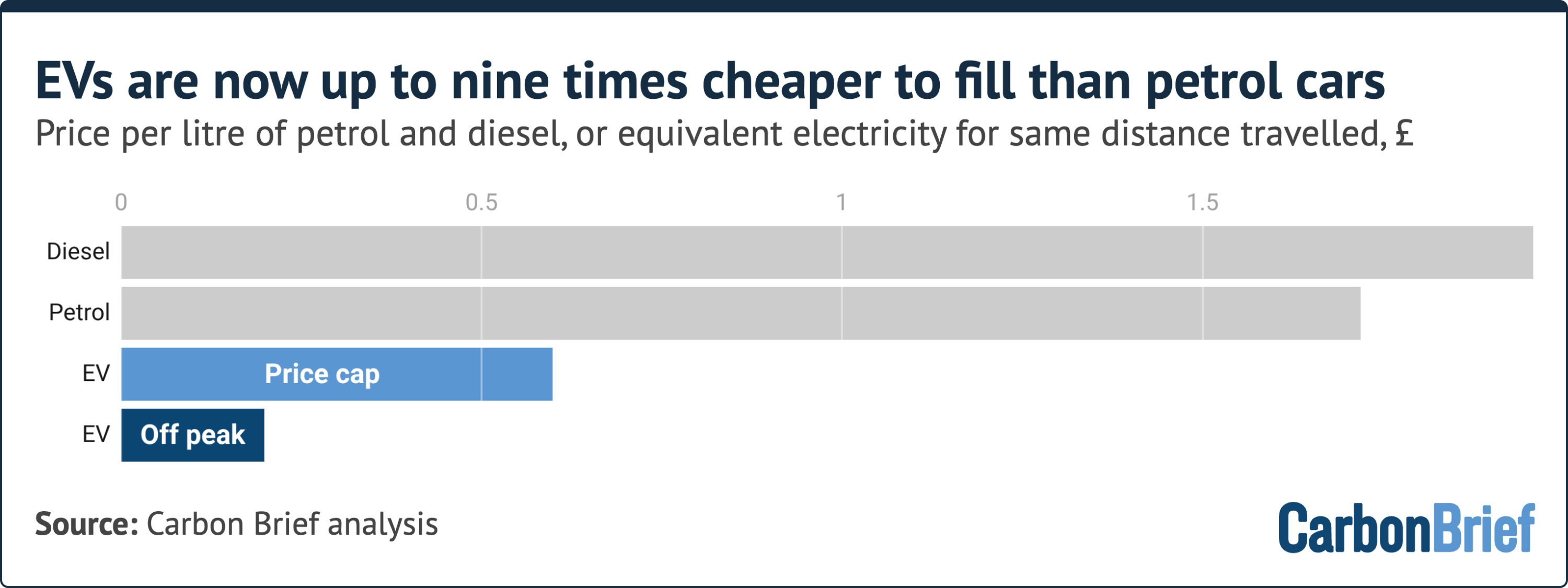
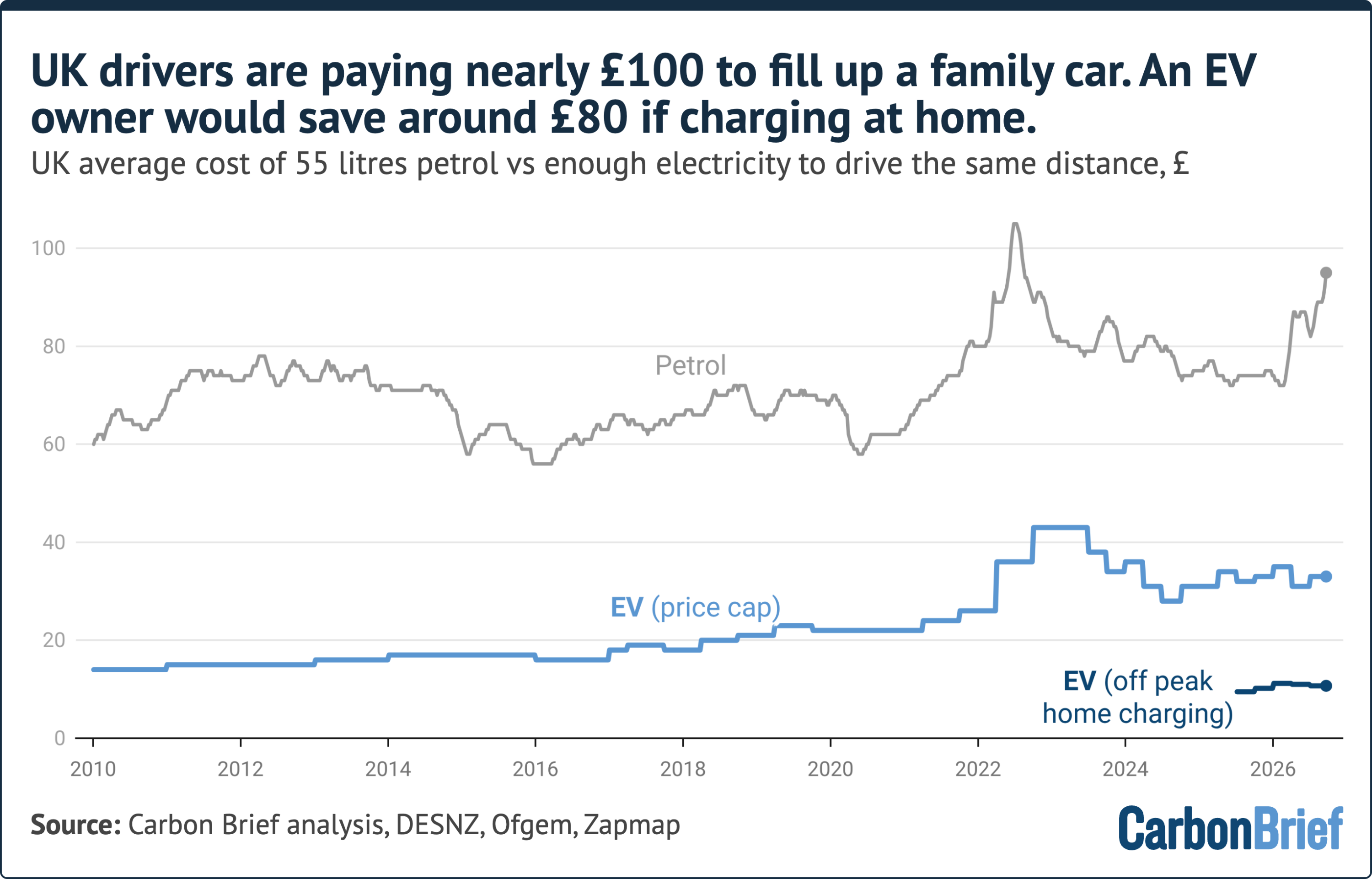
To put these operational cost differences into perspective, UK drivers filling up a standard family car can save around £80 simply by charging an EV at home compared to paying for a full tank of petrol at the pump. This comparison contrasts the average cost of a 55-litre tank of petrol against the exact amount of electricity required to travel the same distance.
Despite these compelling financial incentives, petrol and diesel vehicles continue to dominate the UK landscape. Traditional petrol-powered automobiles still make up roughly 55% of all cars currently on the road. Fully electric battery EVs account for only about 6% of the roughly 35 million cars on the UK’s roads, while plug-in hybrids, which possess the capability to run on both liquid fuel and electricity, make up an additional 3%.
However, market momentum is shifting visibly toward electrification. New vehicle registration data from the Society of Motor Manufacturers and Traders (SMMT) reveals that battery electric vehicles accounted for around 30% of all new car sales in August, marking a noticeable rise from the 26.5% recorded in August 2025.

Previous analysis published by Carbon Brief in June highlighted that the UK’s existing EV drivers were already saving an average of £1,100 annually in fuel costs compared to drivers of petrol cars. Following the subsequent escalation in pump prices, those annual savings have expanded further to roughly £1,200 per driver.
When evaluated against average pump prices of £1.72 per litre for petrol or £1.96 per litre for diesel, an equivalent amount of electricity acquired via off-peak charging costs as little as 20p—highlighting the nearly ninefold efficiency gap. Even when charging entirely at the household price cap rate, the cost equates to roughly 60p per litre of petrol equivalent, ensuring that EVs maintain a profound economic edge.
Public charging infrastructure remains notably more expensive than domestic home charging options. Yet, official government estimates indicate that approximately 90% of all electric car charging takes place at home, allowing the vast majority of owners to insulate themselves from the higher costs associated with rapid public chargers.

Looking toward the fiscal horizon, the government has announced plans to introduce a pay-per-mile vehicle excise duty for electric vehicles starting in April 2028. This upcoming policy framework will add an estimated 3p per mile to the cost of operating an EV. Even with this future taxation factored into the equation, the vastly lower baseline fuel costs mean that electric vehicles will comfortably remain far cheaper to drive than their petrol and diesel counterparts.