
Home to some 3.5 million residents, Madrid stands as the vibrant capital and largest city of Spain. While the sprawling metropolis is renowned for its striking architecture, world-class culinary offerings, and a relentless nightlife that stretches well into the morning hours, it continues to draw over 10 million visitors annually. From the moment travelers step out to navigate its grand boulevards and historic quarters, the reasons behind Madrid’s status as one of Europe’s premier urban destinations become abundantly clear.
Similar to Barcelona, Madrid operates on a distinctly unhurried, late-night schedule. It is a haven for night owls, where dinner unfolds late in the evening and social gatherings stretch even further into the night. Travelers willing to embrace this laid-back rhythm, characterized by long, unhurried meals and vibrant late-night atmospheres, are rewarded with a more authentic experience that reveals the true cultural heartbeat of the city. For frequent visitors, the Spanish capital maintains an enduring appeal defined by exceptional food, boundless creative energy, and a staggering concentration of historic art institutions. Yet, given the immense scale of the city, newcomers can easily find themselves overwhelmed by the sheer volume of sights and activities available, making a structured approach essential to uncovering the best the destination has to offer.
Day 1: Immersion in the Art Walk
The inaugural day of exploration centers on a prestigious cultural district designated as a UNESCO World Heritage site in 2021. Encompassing more than 40 monuments and significant public buildings, the area represents one of the most picturesque and historically rich sectors of the municipality.
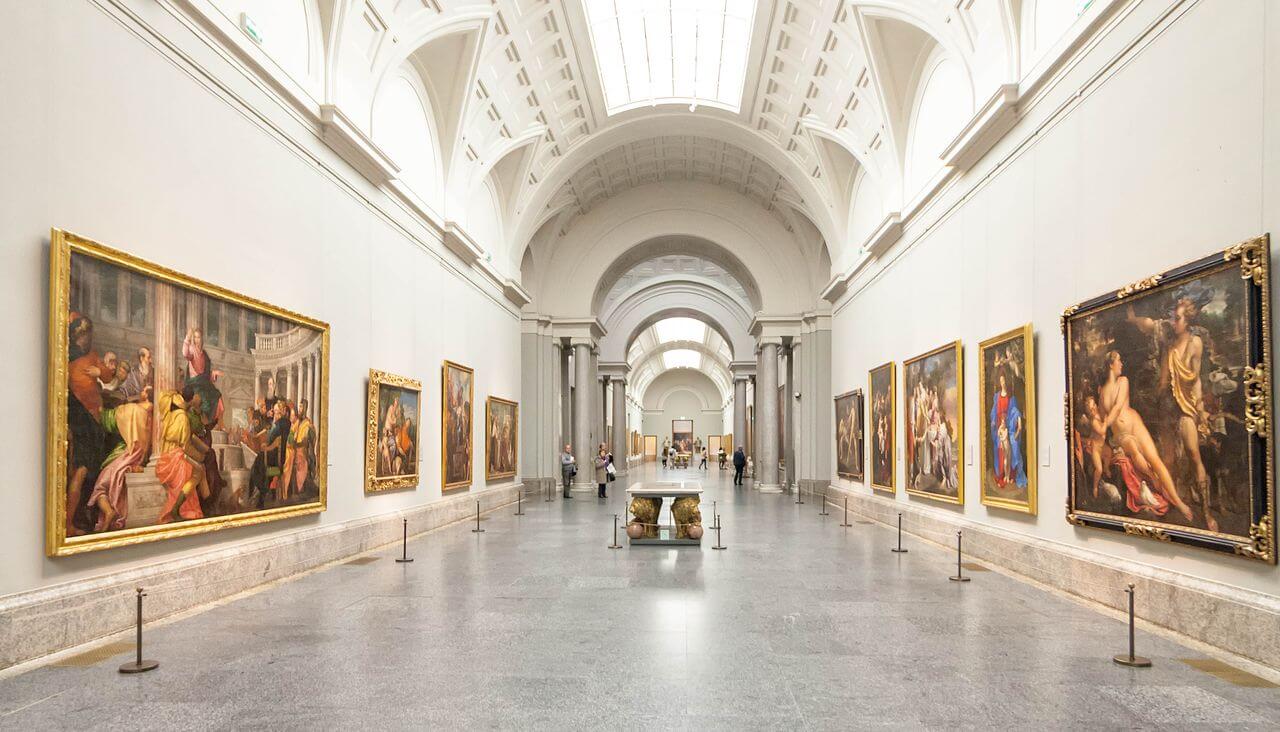
The itinerary commences at the Prado Museum, widely regarded as one of the finest art repositories on the globe. Within its cavernous halls, visitors encounter masterworks by El Greco, Velázquez, and Goya, alongside legendary creators such as Rubens, Botticelli, and Caravaggio. As one of the largest museums in the world, it commands a minimum of several hours to properly appreciate its vast collections.
A brief ten-minute stroll along the Paseo del Prado leads to the Thyssen-Bornemisza Museum, a comprehensive private collection bridging the Renaissance and Pop Art movements. The day’s artistic journey culminates at the Reina Sofía National Art Center, which houses an exceptional inventory of modern and contemporary works. Masterpieces by Picasso, Miró, Kandinsky, Dalí, and Bacon are prominently displayed here, anchored by Pablo Picasso’s monumental 1937 anti-war painting, Guernica.
Following an extensive museum excursion, visitors transition to Madrid’s celebrated culinary landscape. Options include Taberna La Fragua de Vulcano for a traditional, rustic atmosphere well-suited for tasting cocido madrileño. Near the Reina Sofía, the garden terrace at Arzábal serves some of the city’s finest croquetas, while the Bodega de los Secretos offers a distinctive dining environment set inside restored 17th-century wine caves located near the Prado.
The afternoon affords an opportunity to explore Madrid’s distinct collection of house museums, former private palaces that retain the intimate domestic atmosphere of their original inhabitants. The crown jewel of this collection is the Sorolla Museum, the sun-drenched residence of the renowned painter Joaquín Sorolla. Following a major architectural renovation, the underrated venue prepares to reopen its doors, welcoming the public back to its tranquil Mediterranean gardens and luminous canvases. Alternatively, visitors may tour the Museum of Romanticism to enjoy a coffee in its secluded courtyard, or examine the Lázaro Galdiano Foundation Museum, which showcases a private assembly of works by Goya, Murillo, Velázquez, El Greco, and Bosch within a neo-Renaissance mansion.
Day 2: The Grandeur of the Historic Center
The second day directs focus toward the medieval and Renaissance layout of the old city, historically identified as Habsburg Madrid, or Madrid de los Austrias. The geographic and symbolic heart of the capital is Puerta del Sol, where visitors routinely pause at Kilometer Zero—the official origin point for Spain’s national highway and railway networks—and photograph the iconic Bear and the Strawberry Tree statue, El Oso y el Madroño, which derives its imagery from the municipal coat of arms.
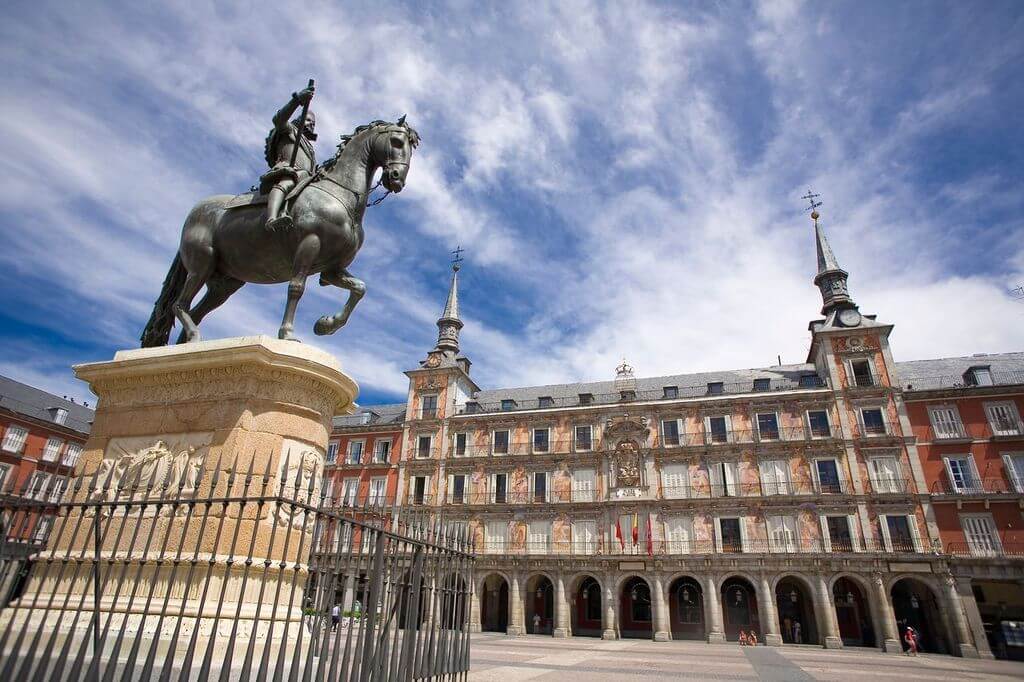
From this central square, the route proceeds to the monumental Plaza Mayor, characterized by its uniform porticoed architecture and the historic Casa de la Panadería. Historically the site of public spectacles, markets, bullfights, and state executions, the plaza now serves as a bustling public gathering space ringed by cafés and shops. A short walk through the adjacent alleys leads to a quintessential local tradition: partaking in a classic calamari sandwich.
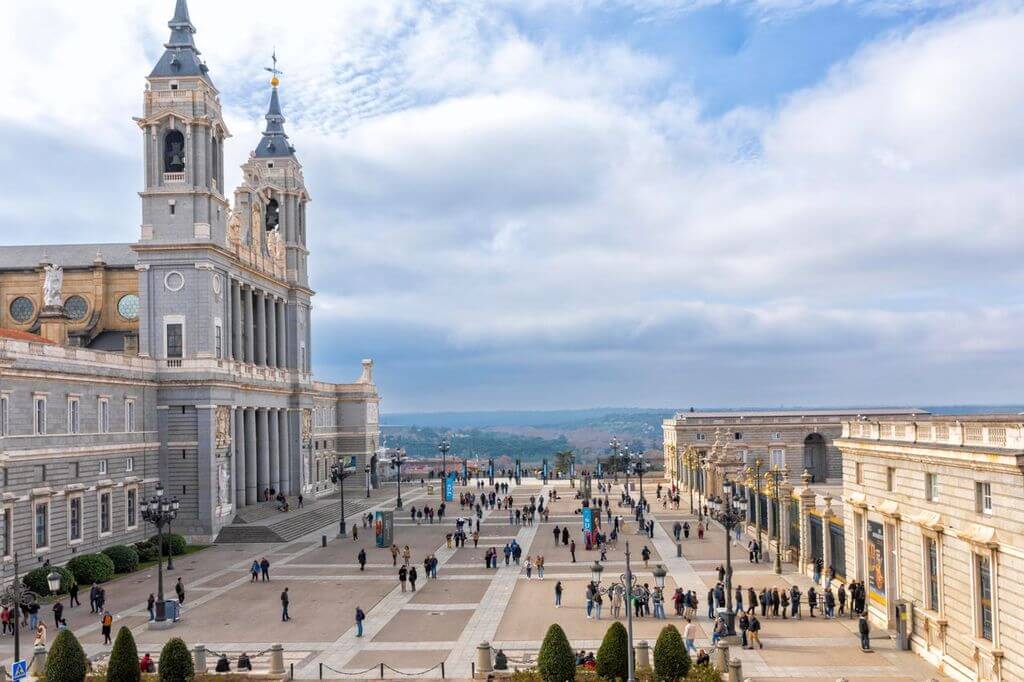
Later in the day, travelers arrive at the Royal Palace of Madrid. Constructed in the 18th century over the foundations of a 9th-century Muslim fortress, the Baroque structure stands as the largest functioning royal palace in Western Europe. Encompassing more than 3,400 opulent rooms, the palace functions primarily as an art repository and venue for official state receptions, displaying works by Caravaggio, Juan de Flandes, and Francisco Goya alongside an extensive medieval armory.
The day concludes at the Almudena Cathedral. Construction on the monumental structure began in the late 19th century and concluded in 1993, when it was consecrated by Pope John Paul II. Featuring a Neo-Classical exterior designed to harmonize with the adjacent palace, the cathedral also features a Neo-Romanesque crypt supported by over 400 columns, while its upper dome affords sweeping panoramic views across the urban landscape.
Day 3: Culinary Discovery
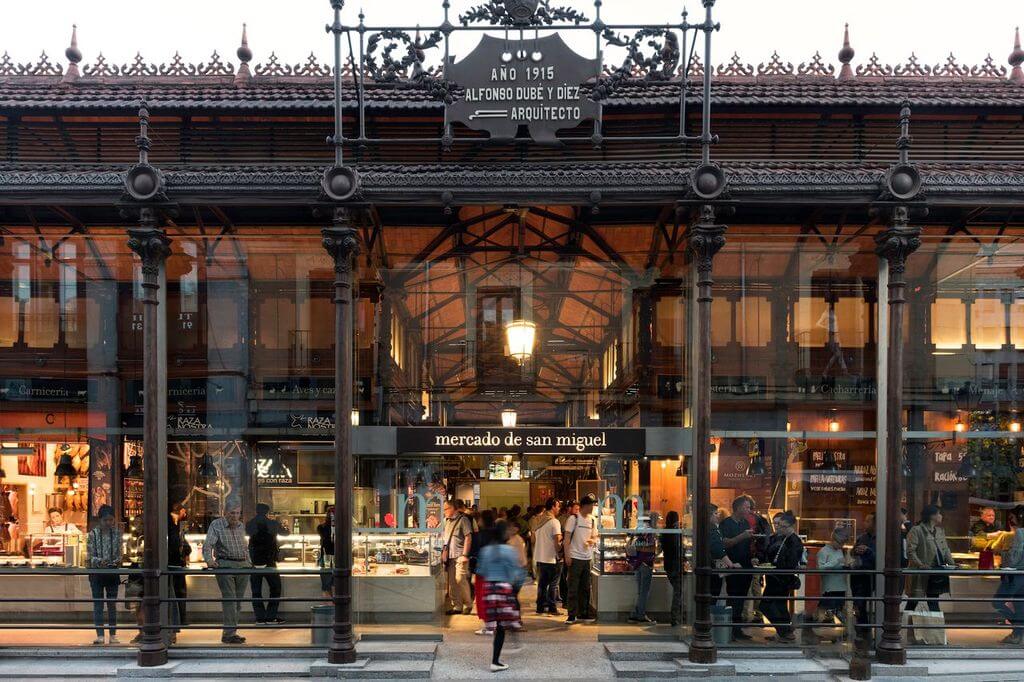
Recognized globally as a premier destination for gastronomy, Madrid offers an expansive culinary landscape best experienced through independent exploration of its iconic food markets. The glass-enclosed Mercado de San Miguel near Plaza Mayor serves as a primary hub for gourmet tapas, attracting lively after-work crowds. Additional neighborhood venues, such as the Mercado de San Antón in Chueca and the Mercado de Vallehermoso, provide deeper insight into regional ingredients and modern dining concepts.
When evening arrives, diners may seek out Sobrino de Botín, officially documented by Guinness World Records as the oldest continuously operating restaurant in the world and famously frequented by Ernest Hemingway. Alternatively, travelers can engage in the traditional practice of tapas crawling through the historic alleyways of La Latina or the Barrio de las Letras.
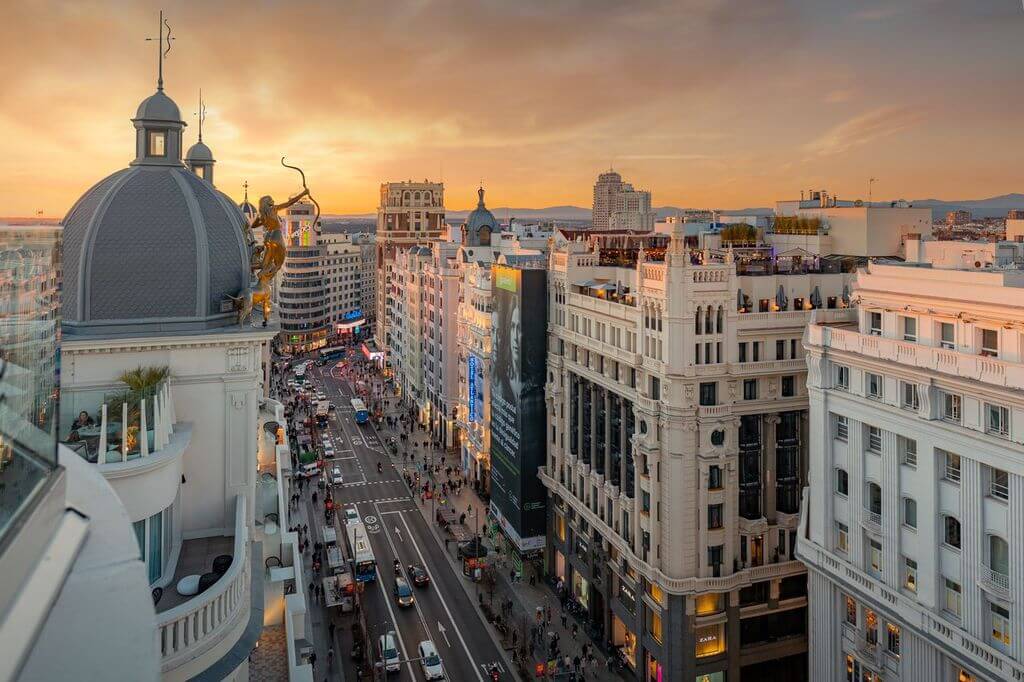
As daylight fades, the Gran Vía becomes the center of Madrid’s thriving rooftop culture. Establishments such as The Roof at Picalagartos and the 360º Sky Bar at the RIU Plaza España offer signature cocktails paired with unobstructed panoramic views of the illuminated skyline. Furthermore, the city has evolved into a prominent hub for plant-based dining, with neighborhoods like Malasaña hosting innovative vegetarian and vegan venues that reinterpret classic Spanish recipes.
Day 4: UNESCO World Heritage Wonders
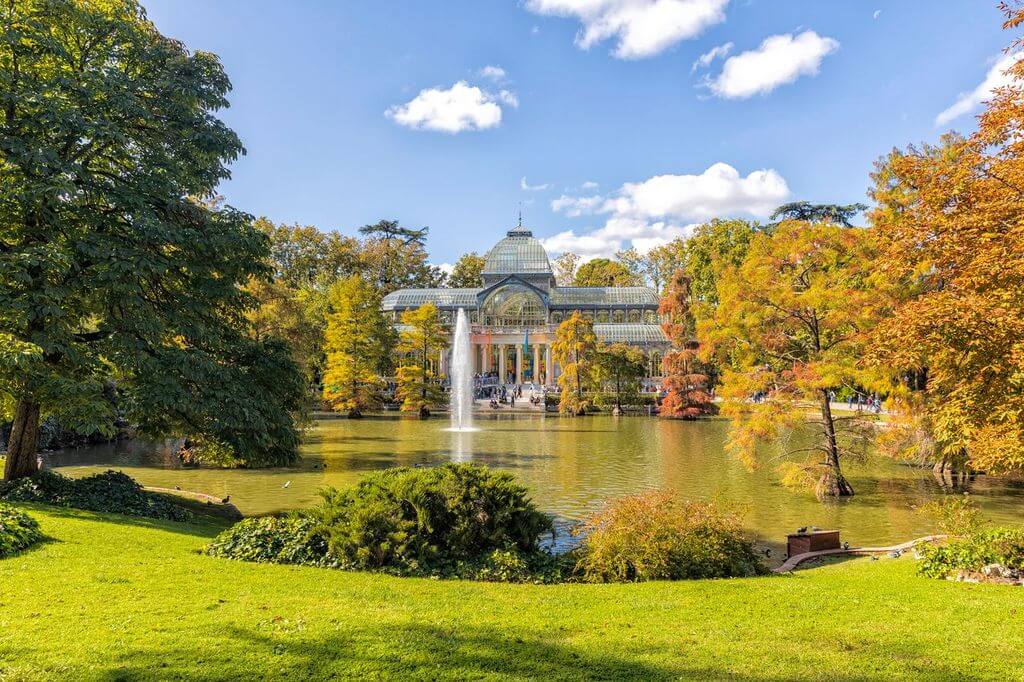
Madrid distinguishes itself as a European capital where urban architecture, scientific history, and royal heritage converge within the UNESCO-designated Paisaje de la Luz, encompassing the Paseo del Prado and El Retiro Park. Beyond the urban core, the surrounding region offers several significant UNESCO World Heritage monuments accessible via short day trips.
Approximately one hour from the city center lies the Monastery of San Lorenzo de El Escorial. Commissioned in the 16th century by King Philip II, the massive granite complex serves as a monastery, royal palace, basilica, and pantheon for Spanish monarchs, distinguished by a symmetrical and austere architectural aesthetic.
A second option is the Royal Palace and Gardens of Aranjuez, situated an hour south of the capital. Originally established as a 16th-century royal hunting lodge under Philip II, the site blends Renaissance and Baroque design principles, featuring extensive natural landscapes along the Tagus River and lavish interiors adorned with tapestries and fine porcelain.
Additionally, the historic university city of Alcalá de Henares lies just 45 minutes away by road. Recognized for its exceptionally preserved Renaissance architecture, the town holds UNESCO status and is celebrated as the birthplace of Miguel de Cervantes, author of Don Quixote.
Day 5: Off-the-Beaten-Path Treasures
The final day of the itinerary shifts focus to lesser-known historical sites within the capital. The Monastery of Las Descalzas Reales, founded in 1559 by Joanna of Austria, occupies a former palace where aristocratic women historically took refuge, depositing valuable artworks and religious relics within the cloistered convent. Nearby, the Royal Monastery of La Encarnación, established in 1611 by Queen Margaret of Austria, presents an austere Baroque exterior contrasting with a lavish interior filled with colorful frescoes, religious sculptures, and notable ecclesiastical relics.
The journey concludes at the Casa de Campo, the largest public park in Madrid. Spanning 17 square kilometers, the expansive green space features an artificial lake, walking trails, and recreational facilities. Visitors frequently gather at the lakeside dining terraces, which offer unobstructed views framing the distant Royal Palace and Almudena Cathedral across the water, bringing a comprehensive five-day exploration of Spain’s historic capital to a close.