
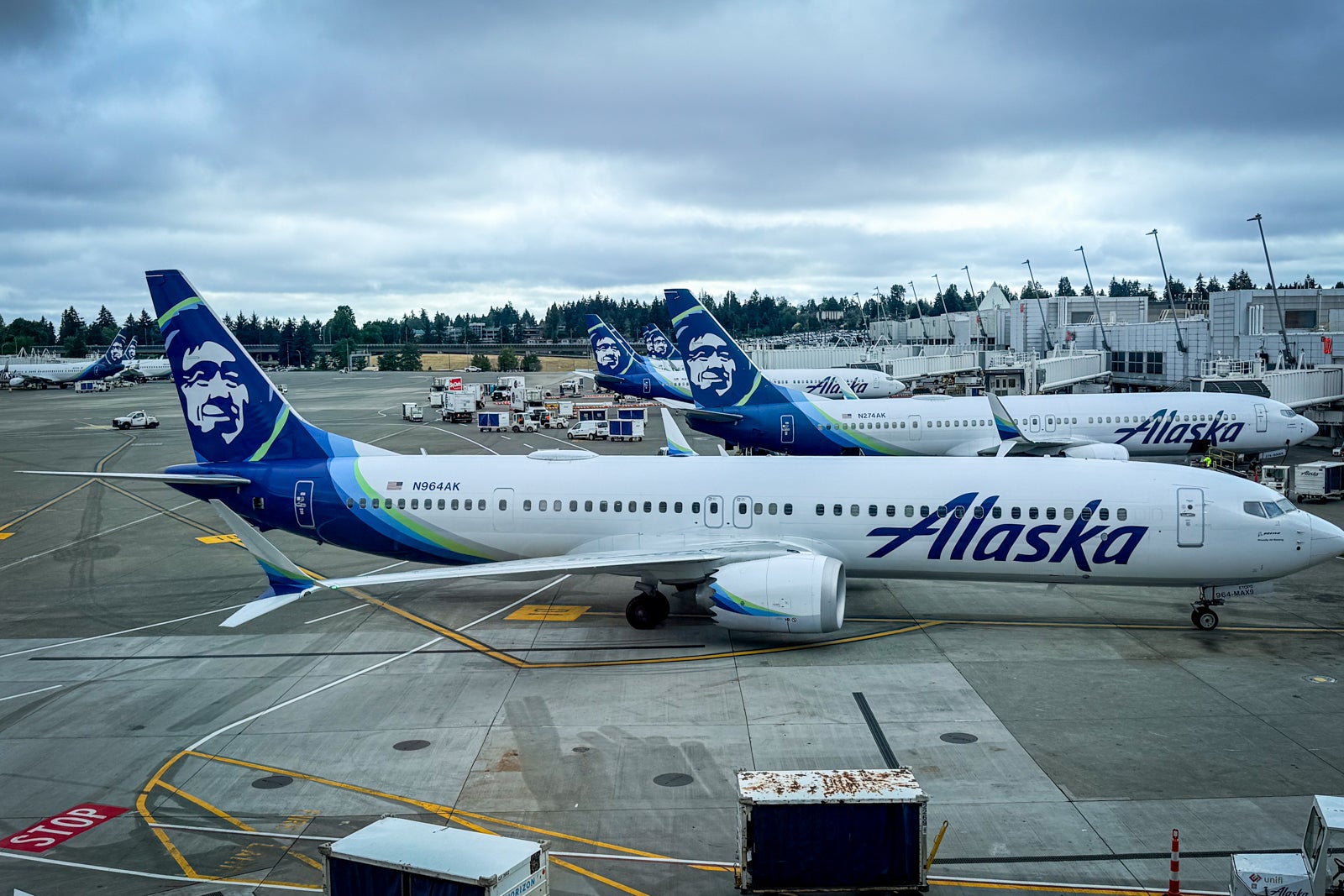
As the air travel sector continues to experience dynamic shifts in passenger volume, infrastructure demands, and economic pressures, major transportation hubs across the country are facing heightened scrutiny regarding their day-to-day operations and passenger experiences. Among these crucial gateways, Seattle-Tacoma International Airport remains a focal point for travelers, aviation analysts, and industry observers alike as it handles millions of passengers navigating the Pacific Northwest’s busiest aviation facility.
The ongoing developments at major transportation hubs like Seattle-Tacoma International Airport highlight the intricate balance that airport operators must maintain between accommodating growing passenger numbers and ensuring seamless, efficient service. In recent months, industry discussions have increasingly centered on how aviation facilities adapt to modern logistical challenges, ranging from security processing and terminal management to ground transportation and customer service delivery. These operational facets are critical not only for maintaining schedule integrity for commercial airlines but also for shaping the overall travel experience for individuals and families moving through the region.
At the same time, the broader ecosystem supporting modern air travel continues to evolve in response to changing consumer habits and financial products tailored to frequent flyers. Financial institutions, travel loyalty programs, and co-branded credit cards play an increasingly prominent role in how passengers prepare for their journeys, offering perks ranging from lounge access and priority security screening to accelerated rewards on travel-related purchases. As consumers weigh their options when selecting financial products to support their travel lifestyles, industry experts emphasize the importance of transparent evaluations, clear advertising disclosures, and rigorous editorial independence to ensure that travelers receive objective guidance.
The relationship between commercial aviation and travel financial services is built on strategic partnerships designed to connect consumers with products that align with their specific travel patterns. However, financial institutions and credit card issuers maintain a distinct separation from the independent editorial teams that analyze, review, and report on these financial offerings. Independent journalism and consumer advocacy within the travel sector rely on strict editorial integrity, ensuring that product assessments, reviews, and opinions remain entirely separate from the commercial interests of banks, airlines, and hotel chains. This separation allows consumers to access unbiased evaluations of financial tools that can impact their travel budgets and airport experiences.
As Seattle-Tacoma International Airport continues to serve as a vital economic engine and transit hub for the Pacific Northwest, stakeholders across the aviation industry are closely monitoring how infrastructure investments and operational strategies will meet future demands. From managing peak travel seasons to integrating innovative technologies designed to streamline passenger flow, the decisions made by airport authorities and airline partners will significantly influence regional connectivity in the years ahead. Meanwhile, travelers navigating this complex environment continue to rely on a combination of reliable transportation infrastructure, informed travel planning, and objective industry reporting to make the most of their journeys.