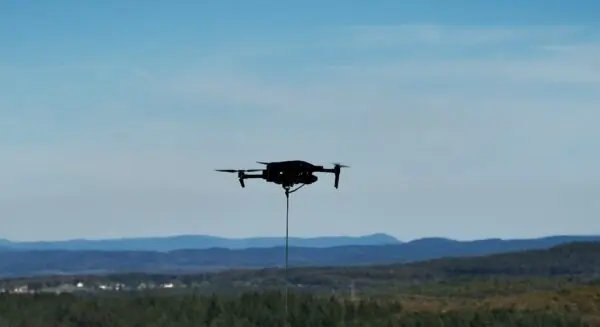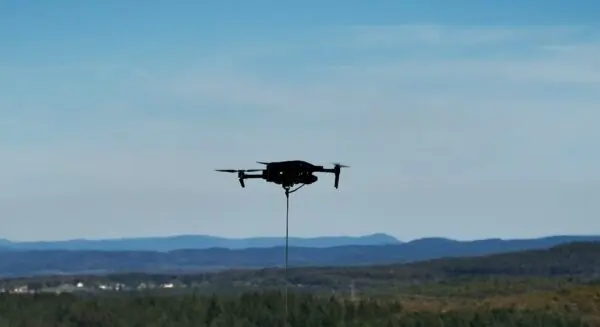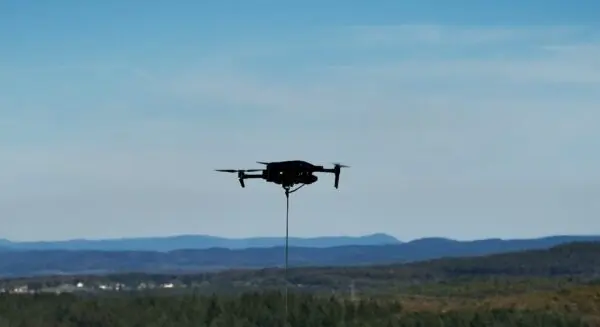
As federal policy shifts to grant local agencies greater capabilities in airspace management, the Department of Homeland Security is taking proactive steps to ensure that state, local, tribal, and territorial first responders are well-prepared. The agency recently conducted intensive field assessments of commercial counter-unmanned aircraft systems, offering law enforcement personnel hands-on experience with advanced mitigation technologies as they prepare for upcoming procurement opportunities and navigate new regulatory frameworks.
The Department of Homeland Security announced the initiative through its Science and Technology Directorate, highlighting a recent collaborative effort led by the National Urban Security Technology Laboratory. NUSTL brought together a diverse group of first responders from various regions across the United States to participate in a rigorous, week-long evaluation at a federal testing facility. During this comprehensive assessment, participating law enforcement and public safety professionals had the opportunity to evaluate a variety of commercially available counter-UAS systems against multiple drone models operating under realistic field conditions.
While counter-drone technology encompasses both detection tools and active mitigation capabilities, the recent NUSTL assessment placed a distinct emphasis on the latter. Mitigation technologies—systems designed to safely intercept, disable, or redirect unauthorized unmanned aircraft—represent a complex and sensitive category of security tools. Evaluating these systems in controlled operational environments is considered a critical prerequisite before public safety agencies integrate them into daily workflows.
Alice Hong, Director of NUSTL, emphasized the importance of rigorous testing to ensure that tools deployed by frontline personnel meet high standards of reliability and safety. Leading this counter-UAS assessment with a specific focus on the mitigation aspects of these products, Hong noted that before first responders deploy any technology in the field, it must undergo thorough evaluation under operational conditions to guarantee its suitability for complex public safety missions.
This hands-on testing initiative serves a dual purpose for municipal and regional agencies. Beyond providing critical technical insights into how different commercial platforms perform, the evaluations arrive at a crucial financial and logistical juncture. Law enforcement agencies across the country are currently preparing for upcoming federal counter-UAS procurement grants, making informed purchasing decisions more important than ever. By allowing first responders to interact directly with the hardware and software before committing public funds, the DHS aims to help agencies invest in equipment that aligns precisely with their operational requirements and budgetary constraints.
State and Local Counter-UAS Role Expands Under New Federal Framework
The timing of these field evaluations coincides with a significant regulatory evolution regarding who is authorized to manage airspace security threats at the local level. For years, counter-drone authorities were strictly limited to specific federal entities due to complex legal, technical, and jurisdictional considerations. However, the legislative landscape shifted notably with the enactment of the SAFER SKIES Act, which Congress incorporated into the Fiscal Year 2026 National Defense Authorization Act. This landmark legislation officially extends certain counter-UAS authorities to qualified state, local, tribal, and territorial law enforcement agencies, as well as correctional institutions.
To operationalize this expanded authority safely and effectively, the federal government established a structured regulatory roadmap. A joint interim final rule issued by the Department of Homeland Security and the Department of Justice officially took effect on July 1. This comprehensive rule establishes strict requirements that agencies must satisfy before exercising their new counter-UAS powers. These mandates cover mandatory training and certification programs for personnel, the utilization of specifically approved technologies, rigorous airspace coordination protocols, stringent reporting procedures, and robust privacy protections to safeguard civil liberties.
The overarching regulatory framework is carefully tiered, establishing separate operational levels for drone detection and warning operations versus active mitigation. While detection and airspace monitoring involve fewer legal hurdles, active mitigation—taking physical or electronic control of an airborne drone—requires adherence to much higher standards of oversight and authorization.
Consequently, the recent field testing conducted by the DHS represents a practical and necessary next step for agencies deliberating how to interpret these new authorities and determine which technological solutions are best suited for their jurisdictions. Federal officials have underscored that the expanded legislative authority does not grant state and local law enforcement agencies carte blanche to disable drones at will. Instead, agencies must meticulously fulfill all federal prerequisites, complete mandatory training regimens, and secure explicit authorization before attempting any counter-UAS mitigation activities covered by the new regulatory framework.