By Mursal Ali
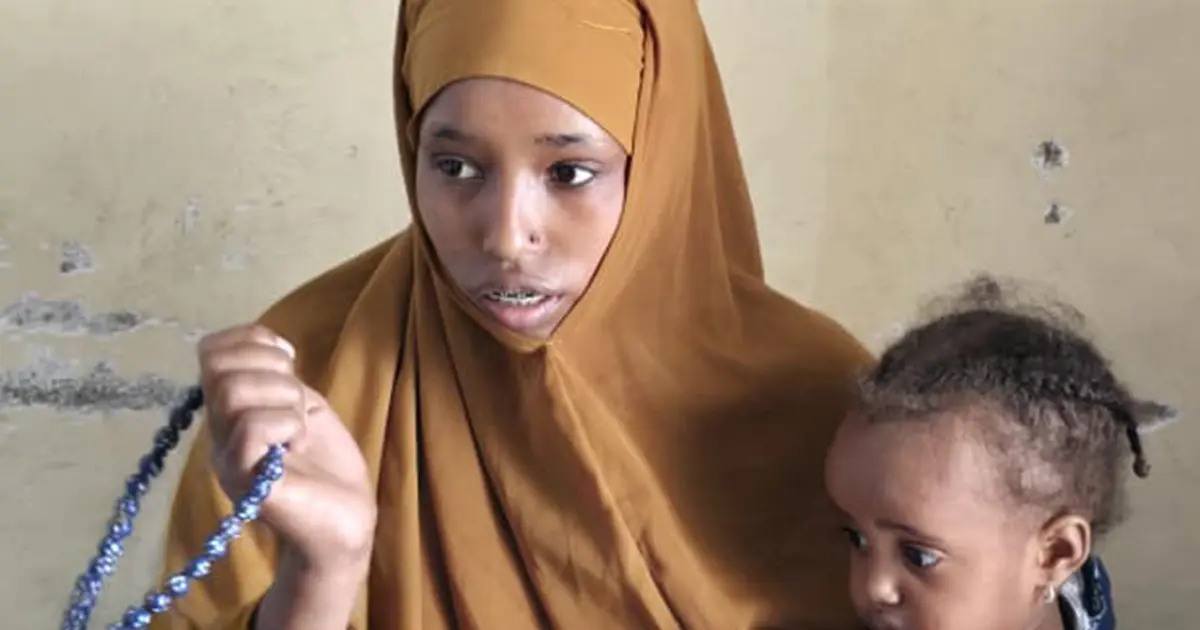
LAAS CAANOOD, SOMALIA — For Assanti Abdi, the Central Mother and Child Health Centre in Laas Caanood has been a pillar of stability through years of personal and regional upheaval. A displaced woman of Ethiopian origin living in the Sool region, Assanti has relied on the free medical facility for nearly every milestone of motherhood. She delivered all four of her children at the clinic, a neighborhood fixture that has served local families for close to four decades.
"This is where my children received their vaccinations and where we came whenever they needed medical treatment," Assanti said, looking visibly distressed as she contemplated the future of the clinic. "We don’t know where we will go if this facility closes."
For years, the centre’s free services have served as an indispensable lifeline for vulnerable families with few other options for healthcare. But according to Assanti, those vital services have become increasingly restricted since last year. Today, severe funding shortfalls have pushed the historic facility to the brink of closure, threatening to cut off essential maternal and child health services for thousands of resource-limited individuals who depend on it for survival.
The crisis facing the Laas Caanood facility is far from an isolated incident. Across Somalia, acute funding shortages are forcing vital health services to either shut down entirely or drastically scale back their operations. Data from the World Health Organization reveals that 380 health facilities either closed or were forced to operate at a reduced capacity across 11 regions between January and June of this year. The vast majority of these affected facilities are primary healthcare units that serve as the primary medical safety net for thousands of Somalis in underserved areas.
The predicament in Laas Caanood vividly illustrates the broader, worsening health emergency unfolding across the country. Maryam Abdinasir, the officer-in-charge at the centre, described an increasingly untenable daily reality for the facility and its personnel.
"We are facing an extremely difficult situation," Maryam said. "Funding cuts have severely affected our operations. All 18 medical staff working here are providing services on a voluntary basis."
Despite the lack of consistent financial backing, the staff continues to show up and serve their community with remarkable dedication. In August alone, the centre treated 722 children, including 567 youngsters under the age of five. During the same month, more than 450 pregnant and breastfeeding women received essential health services, 24 mothers delivered safely at the facility, and 155 children were successfully vaccinated against dangerous, preventable diseases.
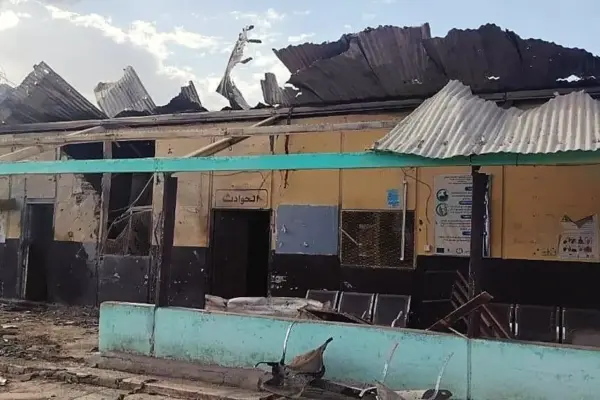
The challenge of keeping the doors open is further compounded by physical damage sustained during the armed confrontations that affected Laas Caanood and the surrounding areas in 2023. Parts of the centre still require critical rehabilitation before operations can fully resume, let alone expand to meet the growing demands of the population.
For Maryam, the operational priorities are clear and immediate: restore damaged infrastructure, replenish depleted medical supplies, and provide financial incentives to healthcare workers so they can sustain their vital community service.
"These are basic but essential needs," she noted. "Without them, it becomes very difficult to provide quality healthcare to the people who depend on us. If this facility fails, the consequences for mothers and children will be severe."
Kowser Abdirashid, a nurse at the centre, continues her daily duties entirely on a voluntary basis, witnessing firsthand the human toll of the resource crisis.
"Almost every day we see mothers bringing sick or malnourished children to us," Kowser said. "They come seeking help, but many times we have very little to offer."
While the facility continues to receive a steady supply of vaccines through local authorities—allowing crucial immunization programs to persist—many other essential medical services face profound and persistent shortages.
"We are doing everything we can, but the needs are greater than the resources available," Kowser added. "Any support that reaches this facility will directly help vulnerable mothers and children. It is a time when support is needed most."
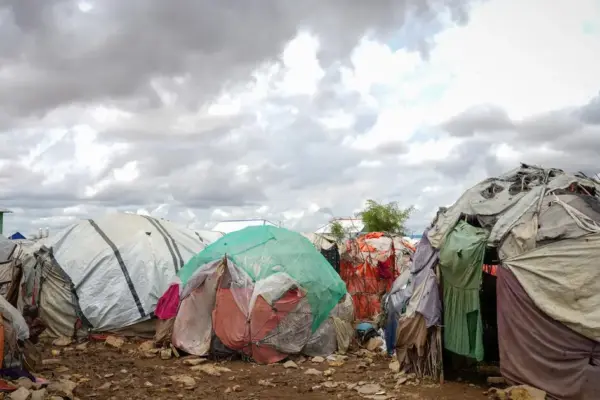
The looming threat of the centre’s closure coincides with a deepening drought that is intensifying humanitarian needs across Sool and neighboring northern regions, including Sanaag, Bari, Nugaal, and Mudug. Up to 1.9 million people across these areas are currently estimated to be experiencing acute food insecurity.
The prolonged dry spell has triggered severe shortages of food, pasture, and vital water supplies. More than 75 per cent of traditional water sources in Sool and nearby Sanaag have completely dried up, creating a compounding crisis that directly damages public health and nutrition. Across these two regions alone, more than 165,000 people have been directly and severely affected by the drought.
In response to the escalating emergency, OCHA-managed pooled funds have been deployed to support the broader humanitarian relief effort in Somalia. In June, UN Emergency Relief Coordinator Tom Fletcher allocated US$10 million for rapid drought response initiatives. To address surging needs earlier, the Somalia Humanitarian Fund allocated $20 million late last year, which was complemented by $24.9 million from the UN’s Global Emergency Fund, CERF.
The northern Sool region, home to an estimated 600,000 people, has endured years of persistent instability and chronic underinvestment. These structural challenges have severely limited local access to basic public services and long-term development opportunities. Local authorities, humanitarian partners, community groups, and the Somali diaspora are increasingly stepping up recovery efforts, but the sheer scale of the need means that gaps remain glaringly wide.
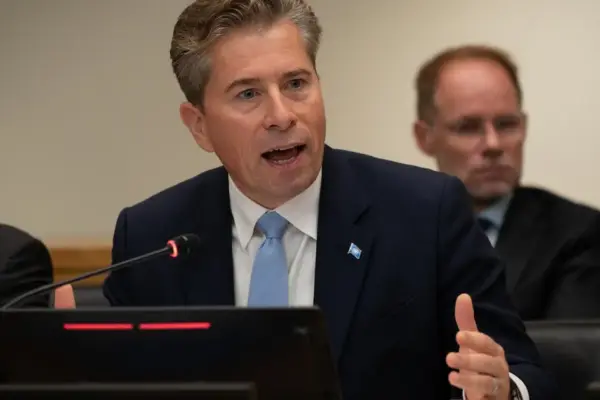
During a field visit to Laas Caanood in August, a delegation of humanitarian officials led by Humanitarian Coordinator George Conway met directly with families who are struggling daily to cope with acute food insecurity and severely restricted access to healthcare.
"The people of Sool and Sanaag have endured multiple and overlapping crises," Conway remarked during the visit. "Early action saves lives and prevents suffering from worsening."
He issued a direct call for increased international support to sustain essential food, nutrition, and health services in these highly vulnerable communities.
The broader national statistics underscore the depth of the crisis. This year alone, at least 115 mobile health units have been forced to close across Somalia, cutting off the absolute only source of medical care for remote and hard-to-reach populations. Simultaneously, 30 hospitals are currently operating well below their normal capacity. In the three northern districts of Laas Caanood, Badhan, and Buuhoodle, at least 10 public hospitals are struggling simply to remain operational.
Children continue to bear the heaviest burden of these systemic failures, according to reports from UNICEF. During the first six months of the year, the number of Somali children admitted to stabilization centres with severe acute malnutrition and associated medical complications increased by 32 per cent compared to the same period last year, pointing to a dramatic deterioration in nutritional health.
Despite these escalating needs, funding for humanitarian operations remains critically low. As of September 15, the hyper-prioritized Somalia 2026 Humanitarian Needs and Response Plan was funded at a mere 30.7 per cent.
Between January and June, only 29 per cent of the people targeted for assistance across 64 districts received multi-cluster support. In the Sool, Sanaag, and Togdher regions specifically, just 26 per cent of the 83,000 individuals slated for planned assistance were actually reached by aid organizations.
Overall, approximately 6.5 million people—nearly one-third of Somalia’s total population—are currently facing high levels of acute food insecurity. An estimated 1.9 million children suffer from acute malnutrition, a figure that includes 493,000 children facing severe acute malnutrition who require immediate therapeutic care. Compounding these vulnerabilities, higher fuel costs and disruptions to international maritime supply chains have driven domestic food prices up by as much as 20 per cent.
The precarious situation risks deteriorating even further between October and December, when a projected El Niño weather pattern is anticipated to increase the likelihood of widespread flooding and subsequent disease outbreaks. While humanitarian agencies have proactively stepped up preparedness measures ahead of the anticipated heavy rains, they warn that urgent, additional funding is required to avert catastrophe.
In Laas Caanood, local residents and dedicated health workers share a palpable fear that without immediate financial and material support, the Central Mother and Child Health Centre may soon be forced to lock its doors permanently, extinguishing decades of vital, life-saving healthcare for a community that has nowhere else to turn.