As the American housing market grapples with a persistent and severe affordability crisis, policymakers and housing advocates are increasingly turning their attention to alternative pathways to homeownership. With traditional starter homes climbing out of reach for a significant portion of the population—recently hitting a milestone where average starter homes cross the million-dollar threshold in a record number of United States cities, according to data from Zillow—the search for viable, cost-effective housing solutions has never been more urgent.
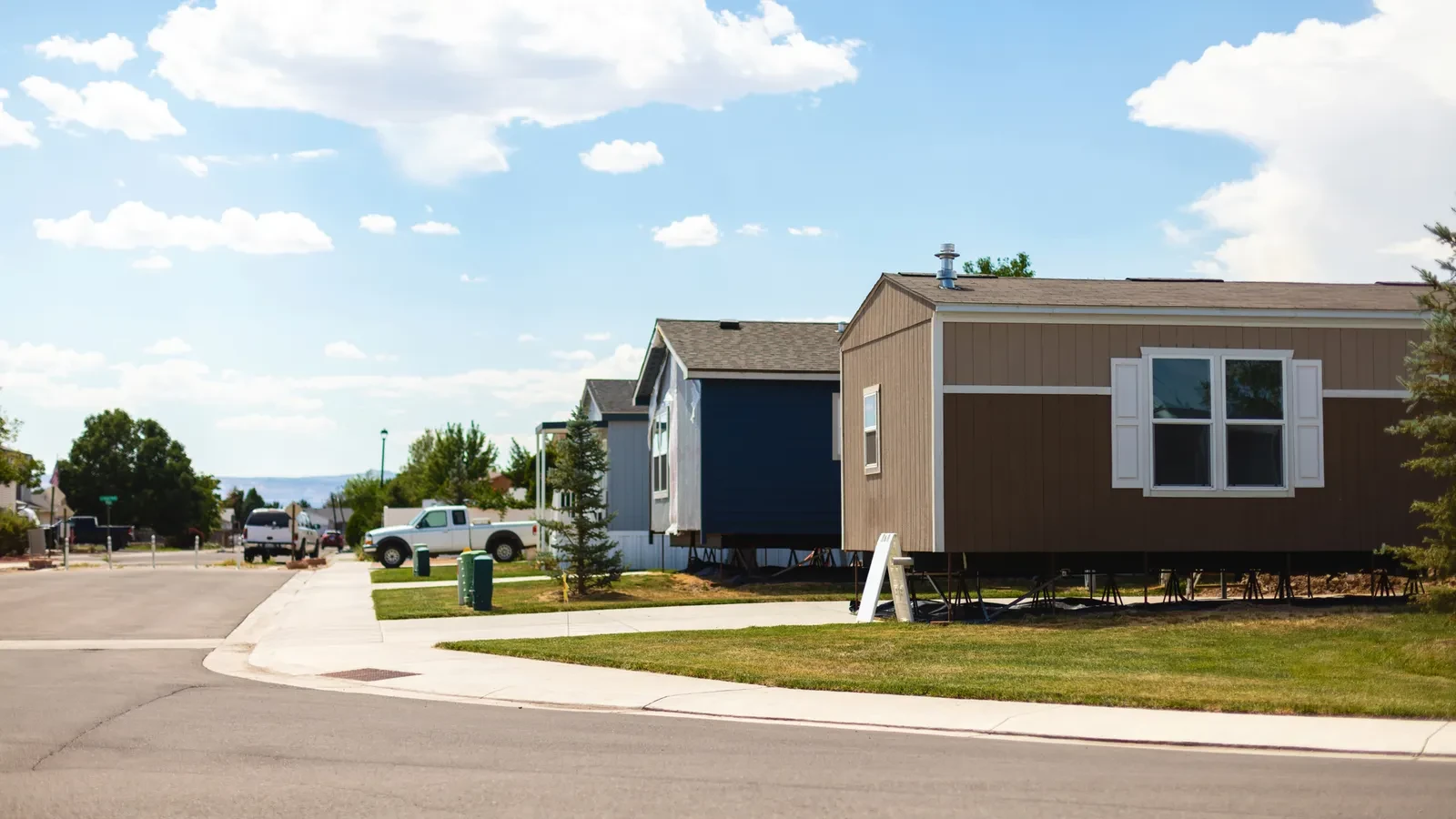
Against this backdrop, manufactured housing has re-emerged as a critical, yet frequently underutilized, resource. According to figures from NerdWallet, a new manufactured home costs around $123,000 on average, representing a fraction of the price tag attached to traditional site-built single-family houses. Despite this stark cost advantage, however, manufactured housing has historically struggled to gain a lasting foothold in many communities across the country. The primary barrier to widespread adoption is rarely the cost of production or the quality of the units themselves; rather, it is the web of restrictive local zoning regulations that frequently ban, heavily restrict, or marginalize manufactured homes within municipal boundaries.
Recognizing these systemic roadblocks, lawmakers at both the state and federal levels are beginning to dismantle the regulatory walls that have long hindered the sector. In Texas, a notable legislative push spearheaded by state leaders is working to reshape how local municipalities treat manufactured homes. The Texas legislation is designed to enhance predictability for both residential developers and prospective homeowners, align municipal regulations more closely with established federal housing standards, and ultimately support greater, more equitable access to affordable homeownership across the state.
According to the bill’s sponsor, Republican State Sen. Pete Flores, the statutory updates provide a clearer framework that removes arbitrary local hurdles. As part of this regulatory evolution, Texas cities are now required to explicitly identify and designate on their official zoning maps precisely where manufactured housing is permitted. By forcing municipalities to transparently map out allowable zones for manufactured homes, the policy eliminates exclusionary practices that previously relied on vague or overly burdensome local codes to keep manufactured housing out of sight and out of reach.
The challenges facing manufactured housing extend far beyond the borders of Texas, reflecting a broader national trend. Over the past several decades, the construction of manufactured homes has lagged significantly when compared to its late-20th-century heyday, when factory-built housing played a much larger role in meeting the nation’s shelter needs. Industry observers note that while demand for affordable housing options has surged, overly complex and often redundant regulatory frameworks have stifled production and discouraged prospective buyers who might otherwise choose the manufactured housing route.
To combat these nationwide headwinds, federal lawmakers have also begun taking legislative action. Earlier this year, Congress passed the 21st Century ROAD to Housing Act, a sweeping measure aimed at modernizing federal oversight and removing some of the outdated federal regulations surrounding manufactured home construction. By streamlining these guidelines, the federal legislation is expected to make the housing type cheaper and more efficient to build, lowering barriers for manufacturers and buyers alike while injecting much-needed momentum back into the factory-built housing sector.
Federal housing officials have increasingly thrown their weight behind factory-built alternatives as an essential piece of the broader puzzle to solve the national housing shortage. Highlighting the administration’s stance, Department of Housing and Urban Development Secretary Scott Turner emphasized the critical role that alternative housing types must play in future development strategies during a news release this summer.
"America needs more housing, and manufactured housing is part of the solution," Turner said.
As state-level reforms like those in Texas begin to take effect and federal measures like the 21st Century ROAD to Housing Act work to reduce construction bottlenecks, advocates hope the stigma traditionally attached to manufactured homes will continue to fade. By aligning local zoning maps with modern housing needs and lowering regulatory costs, policymakers are aiming to transform manufactured housing from a marginalized alternative into a mainstream, accessible pillar of American homeownership.