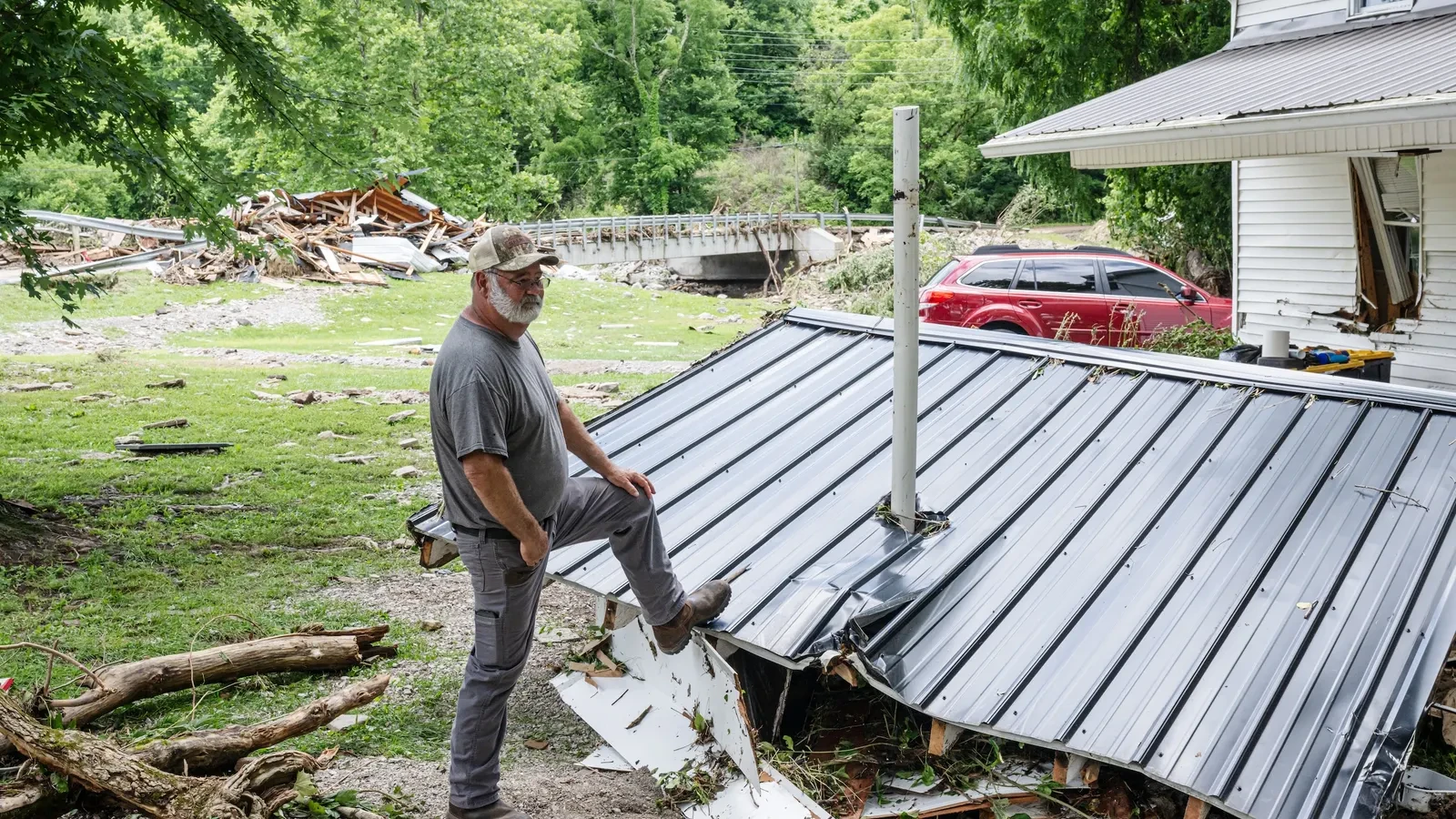
WASHINGTON — In a resounding display of bipartisan cooperation, the U.S. House of Representatives passed the Water Resources Development Act of 2026 on September 16, forwarding a sweeping legislative package aimed at overhauling the nation’s flood protection, ports, waterways, and water supply systems. The bill cleared the House with an overwhelming 415-9 vote, demonstrating robust cross-party support for addressing critical infrastructure vulnerabilities that have left communities increasingly exposed to extreme weather events and supply chain disruptions.
The legislation now heads to the Senate for consideration, where lawmakers are expected to review a framework that not only authorizes vital local water projects but also fundamentally reshapes how state and local governments collaborate with the federal government. For more than a decade, Congress has maintained a steady rhythm of passing bipartisan Water Resources Development Acts (WRDAs) every two years, ensuring a continuous pipeline for locally generated water resources infrastructure projects managed in partnership with the U.S. Army Corps of Engineers.
Strengthening Infrastructure and Empowering Communities
The Water Resources Development Act of 2026 targets some of the most pressing physical and environmental challenges facing modern municipalities and rural regions alike. By focusing heavily on flood control, inland navigation, and harbor maintenance, the legislative package seeks to safeguard American commerce and residential areas against the escalating threats posed by severe storms and aging infrastructure.
Transportation and Infrastructure Committee Chairman Sam Graves, R-Mo., emphasized the far-reaching impact of the legislation in a statement released following the vote.
“WRDA 2026 makes significant improvements across the country to our inland waterways, ports and harbors, flood protection, and other critical water infrastructure,” Graves said. “This bill also makes common-sense reforms to the Army Corps of Engineers’ policies, empowers local communities, and expedites project delivery.”
To achieve these goals, the legislation introduces structural reforms designed to cut through bureaucratic red tape and accelerate the timeline from project authorization to physical construction. A cornerstone of this reform effort is a directive requiring the Army Corps of Engineers to establish specialized regional offices equipped with deep expertise in inland navigation, alternative project delivery methods, water supply management, and technical assistance.
According to the National Association of Counties, these specialized offices will play a pivotal role in bridging the gap between federal agencies and local stakeholders. Analysts note that establishing dedicated local touchpoints will dramatically improve communication and partnership between the Corps and non-federal sponsors, reducing costly delays and ensuring that projects are tailored to the specific needs of the communities they are intended to protect.
Proactive Disaster Mitigation and Dam Safety
The urgency surrounding modern water infrastructure legislation has been underscored by recent natural disasters, which have repeatedly tested the limits of regional flood defenses. The 2026 legislative package addresses these vulnerabilities by taking a decidedly proactive stance on disaster mitigation rather than relying solely on post-event recovery funding.
A key component of this strategy is the inclusion of the bipartisan CLEAN-UP Act, sponsored by Rep. Nellie Pou, D-N.J., which removes regulatory and financial barriers that have historically slowed down essential waterway remediation projects. Proponents argue that streamlining these remediation efforts is vital for preventing environmental degradation and mitigating flood risks before major weather events strike vulnerable regions.
“I am especially proud this package includes my bipartisan CLEAN-UP Act. We cannot keep waiting until after disaster strikes to act,” Rep. Pou said in a statement. “We must be proactive and give our communities the tools to protect themselves before the next storm comes.”

In tandem with waterway remediation, the legislation tackles the critical issue of dam safety across the United States. WRDA 2026 formally reauthorizes the Federal Emergency Management Agency’s Rehabilitation of High Hazard Potential Dam Grant Program. This program provides vital financial assistance to states and local jurisdictions for the repair, removal, or rehabilitation of aging dams that pose significant risks to downstream populations and property.
Industry Support and Economic Certainty
The business community has also rallied strongly behind the legislative package, viewing predictable infrastructure investments as a fundamental prerequisite for sustained economic growth and supply chain resilience. Major business organizations have actively lobbied for the swift passage of the bill, pointing to the economic hazards of permitting bottlenecks and deteriorating logistical networks.
In a letter sent to House members on September 16 urging them to support WRDA 2026, U.S. Chamber of Commerce Senior Vice President and Head of Government Affairs Rodney Davis stressed that the legislation brings much-needed stability to regional development efforts.
“Sustained growth requires modern infrastructure, reliable water, resilient supply chains, and a permitting system that enables investment rather than slowing it down. WRDA is one of Congress’s most effective tools to meet that challenge,” Davis wrote, adding that the bill provides “greater certainty to communities and businesses working to build critical infrastructure.”
The Path from Authorization to Appropriation
Despite the broad enthusiasm surrounding the passage of WRDA 2026 through the House, policy analysts and congressional leaders have emphasized an important distinction regarding how the legislation is funded and implemented. Because WRDA is strictly an authorization bill rather than an appropriations measure, the various projects and programs earmarked within its text are not automatically guaranteed immediate federal funding.

Instead, the authorization serves as the foundational legal permission required for projects to be eligible for federal money, leaving the actual allocation of funds to subsequent appropriations bills passed by Congress. This division creates a secondary legislative hurdle, requiring close coordination between policy committees and spending panels to ensure that authorized priorities ultimately receive the financial backing necessary to break ground.
Rep. Scott Franklin, R-Fla., a member of the Energy and Water Appropriation Subcommittee, addressed this challenge in a statement, highlighting his commitment to bridging the gap between legislative approval and physical execution. Franklin noted that he is actively focused on ensuring that the authorized priorities are matched with the necessary financial resources and operational direction.
“Congress can authorize important projects, but we must also ensure the Corps can execute them efficiently and keep long-term work on schedule,” Franklin said.
As the legislation transitions to the Senate for review and potential amendment, state and local officials, industry leaders, and emergency management advocates are closely monitoring its progress. With bipartisan momentum firmly behind the measure, lawmakers on both sides of the aisle are expressing optimism that a finalized compromise can be successfully negotiated and signed into law, providing American communities with enhanced tools to confront mounting environmental and infrastructural challenges.