By Shariqa Habib
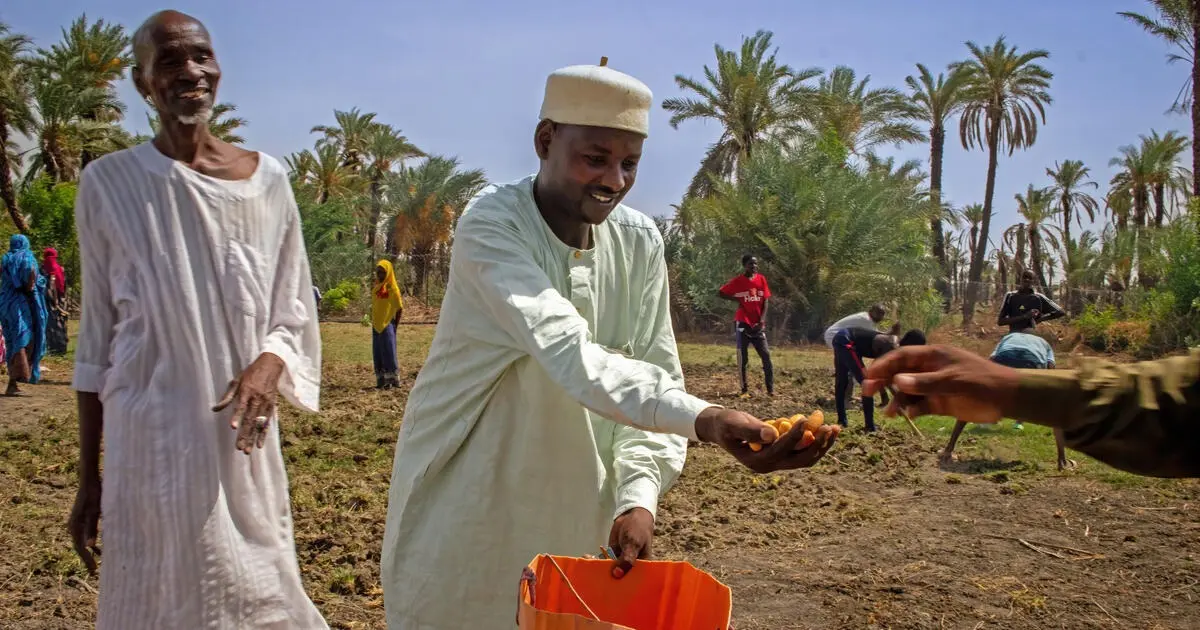
For a long time, the simple act of securing water was a financial hurdle that Abakar Mahamat Bodou could not reliably overcome. Living in Bouroumbia, a village nestled in Chad’s fragile and resource-constrained Lac Province, the 31-year-old farmer depended heavily on traditional wells and noisy, fuel-hungry motor pumps to keep his crops alive.
However, the economics of smallholder agriculture in this region are often unforgiving. There were countless times when Abakar lacked the financial means to purchase fuel for the motor pumps. Left without irrigation, his crops would routinely wither and dry out beneath the unforgiving Sahelian sun, threatening not just his harvest, but the survival of his entire household.
For Abakar, farming is far more than a basic commercial enterprise or a way to pass the time; it is the absolute foundation of his family’s existence. "I live from the products of this agriculture," he explains, noting that the yields from his fields directly support his household. "Most of my children are enrolled in school today thanks to this activity."
Beyond feeding his family and paying for school fees, agriculture serves as a vital bridge for passing down generational knowledge. During school holidays, Abakar routinely brings his children into the fields. There, they observe firsthand how the family grows its food, gaining practical, hands-on experience in the art and science of farming so that they, too, understand how to cultivate the earth.
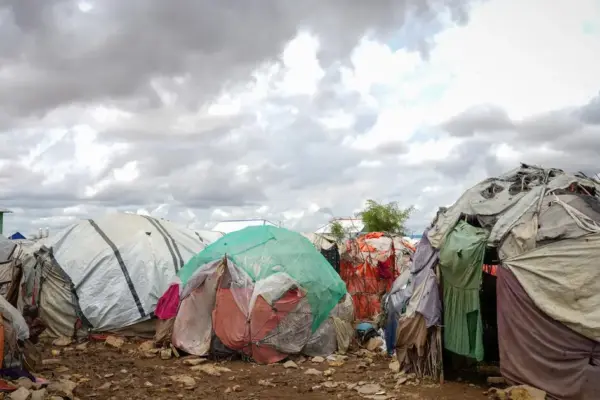
Yet, farming in Chad’s Lac Province is becoming an increasingly precarious endeavor. Communities here face a compounding cocktail of challenges, where violent conflict and severe climate shocks place mounting, unprecedented pressure on traditional food production and local livelihoods. Recurrent floods, punishing droughts, and increasingly erratic, unpredictable rainfall patterns continually threaten crops and undermine the stability of rural economies.
Abakar has witnessed these compounding pressures first-hand in his daily life and work. Rising water levels in the region have made crucial transportation and travel routes completely impassable, cutting off communities from vital markets. Meanwhile, a troubling build-up of salt in the soil—affecting local polders, which are low-lying tracts of land reclaimed from shallow lakes and parts of the water basin—has made large swaths of earth increasingly difficult to cultivate.
For a small-scale farmer navigating these cascading environmental crises, one challenge stands out as fundamentally important above all others: reliable access to water.
The trajectory of Abakar’s daily labor shifted dramatically when he received vital support from the Food and Agriculture Organization (FAO). This intervention was made possible through dedicated funding from the UN Global Emergency Fund (CERF), which is managed by the United Nations Office for the Coordination of Humanitarian Affairs (OCHA).
The overarching FAO project is meticulously designed to help crisis-affected households meet their immediate food and livelihood needs while simultaneously building long-term preparedness against future climate shocks. The comprehensive support package includes vastly improved access to water through modern solar-powered irrigation infrastructure, distributions of climate-resilient seeds, essential agricultural tools, and targeted technical training.
As part of this life-saving initiative, Abakar received crucial agricultural tools, protective fencing for his plots, and direct access to a newly installed solar-powered borehole. The impact on his daily operations was immediate and profound. "With the installation of this solar borehole, now I can cultivate without worrying about water," he notes with evident relief.
By harnessing solar energy, the system provides a steady, reliable supply of water completely free from the recurring, crippling costs of fossil fuels. This technological upgrade has allowed Abakar to expand his horizons, successfully growing nutrient-rich vegetables and other valuable crops well outside the traditional rainy season.
"We grow market garden and off-season crops, which allow us to feed our children and ensure their schooling," Abakar says, emphasizing the cascading benefits of the intervention. "Thanks to the sale of our agricultural production, I managed to create an income-generating activity for my wife."
A few kilometers away in Bouroumbia 1, another local farmer has experienced a similarly dramatic transformation in her agricultural output and daily routine. Kaka Ali Moussa, a 45-year-old farmer, serves as the president of the Rahama Group, a collective of agricultural workers dedicated to cultivating vegetables during the off-season.
The group’s journey began humbly, relying solely on the sparse resources they had available after securing a modest plot of land from the local village chief. Recognizing their potential and their acute vulnerability to regional shocks, the FAO eventually identified the Rahama Group for targeted external assistance.
"They supported us with agricultural equipment, improved quality seeds, and fertilizers," Kaka recounts, detailing the scope of the intervention. "They also installed wire fencing around our land and a borehole powered by solar panels."
For Kaka and her fellow group members, the introduction of scientifically improved seeds has made a visible, undeniable difference in their productivity. "With these quality seeds, our harvest yields are much higher than when we use the conventional seeds we buy at the market," she observes.
The positive ripple effects of these enhanced harvests extend far beyond the physical boundaries of the cultivated fields. The commercial success has translated into tangible improvements in the standard of living for the farmers and their dependents.
"There has been a big change in daily life," Kaka reflects. "With the money from the crops we sell, we can send our children to school, clothe them, and so on. We also help each other thanks to the products from our agricultural activities."
This targeted support in Chad represents just one component of a much broader, ambitious CERF investment totaling US$20 million. Channeled through dedicated climate action funding, this financial mechanism supports life-saving initiatives that simultaneously build resilience and adaptive capacity for nearly 470,000 vulnerable people spread across 17 crisis-affected countries worldwide.
This crucial funding was unlocked through contributions directed to the CERF Climate Action Account, a specialized vehicle designed to channel climate-related financial resources directly to the communities most at risk and least equipped to handle the severe consequences of the global climate crisis.
Across Chad’s fragile Sahelian belt, the convergence of climate change, forced displacement, civil insecurity, and persistent economic shocks continues to squeeze the margins of food production and rural survival. By systematically improving local access to vital water resources, high-quality agricultural inputs, and climate-resilient farming practices, the FAO project is empowering farmers to keep food on the table even as environmental and economic conditions grow increasingly severe.
Local farmers are not waiting passively for external aid; they are actively trying to take matters into their own hands. Abakar notes that agricultural communities in the region are already organizing grassroots initiatives, such as local reforestation activities, to protect their environment, though their collective resources remain severely limited. For Abakar, truly adapting to a rapidly changing climate means proactively safeguarding the fragile land upon which families like his ultimately depend for their future.
For Kaka and the members of the Rahama Group, that resilience has already transformed from an abstract goal into a tangible, everyday reality characterized by larger harvests, guaranteed nutrition, and steady income that shields families from destitution.
"On behalf of the group, we thank all those who contributed to enabling FAO to provide us with these various forms of assistance," Kaka says, expressing the collective gratitude of her community. "Thank you once again."