Artificial intelligence is advancing at a breathtaking pace, fundamentally transforming how scientists study, predict, and respond to a warming planet. While AI is most widely recognized for consumer-facing applications such as large language models like ChatGPT, Claude, and Gemini, its footprint in the scientific community is vastly broader and increasingly critical.
From revolutionizing weather forecasting and decoding massive influxes of satellite data to optimizing renewable energy grids and shaping international climate policy, researchers are leveraging machine learning to tackle complex environmental challenges with unprecedented speed and efficiency. However, this technological renaissance comes with a complex web of risks and challenges. Experts warn of a potential overreliance on unverified data, intensive energy footprints, and the exacerbation of existing geographic and economic inequalities within the global scientific community.
To understand the true scope of these developments, Carbon Brief spoke with ten leading experts working across various climate-related fields—ranging from short-term weather forecasting and polar research to energy grid management and climate policy. Their insights paint a nuanced picture of an industry racing to harness a powerful new tool while grappling with its limitations.
What Are the Benefits and Challenges of Using AI in Weather and Climate Forecasting?
One of the most profound breakthroughs in recent years has been the rapid evolution of AI weather-prediction models. These systems ingest massive volumes of historical weather observations to predict conditions hours ahead, subsequently feeding those forecasts back into themselves to generate reliable predictions up to two weeks into the future.
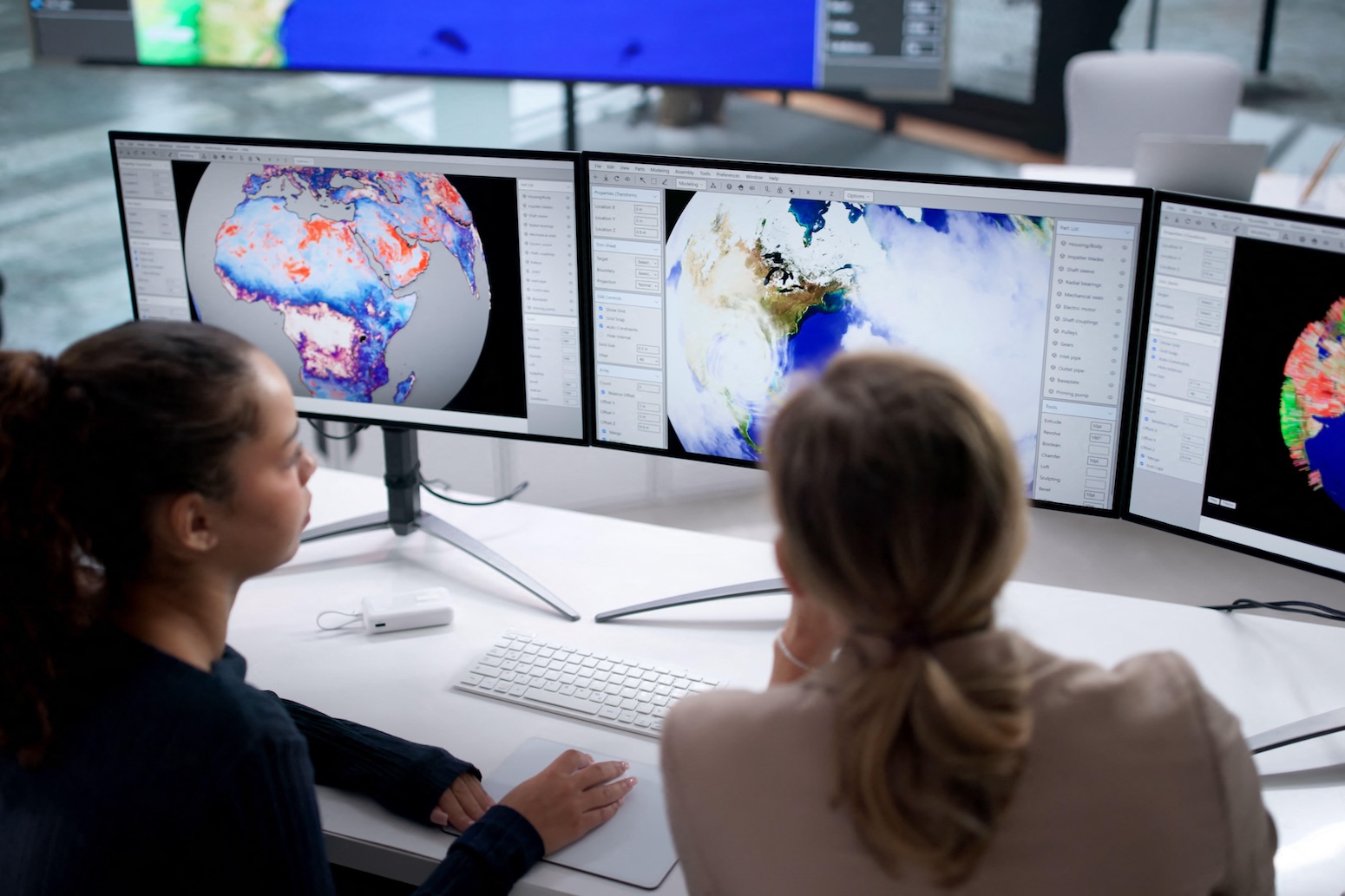
Dr. Doug McNeall, science lead in data-driven climate modelling at the UK Met Office, notes that these data-driven models have proven capable of delivering accurate forecasts while requiring a fraction of the computing power demanded by traditional numerical models, which rely heavily on complex mathematical equations to simulate atmospheric physics.
However, Dr. McNeall emphasizes a fundamental limitation: AI weather models are built for short timescales where rich observational datasets are readily available and performance can be evaluated rapidly. Climate prediction, by contrast, requires forecasting a future that lies well outside the historical observational record.
To bridge this gap, researchers are exploring hybrid approaches that use AI to emulate and accelerate traditional physical models rather than replacing them entirely. This blending of data-driven speed and physical science principles aims to make climate risk information more accessible without sacrificing scientific rigor.
This sentiment is echoed by Prof. William Collins, professor of AI for climate science at the University of East Anglia, who describes a vibrant renaissance in atmospheric sciences. Major institutions, such as the European Centre for Medium-Range Weather Forecasts, have begun deploying AI forecast systems operationally alongside traditional models, marking a watershed moment for the field. Yet, Prof. Collins points out that training models on a future without historical precedent remains the central hurdle for the climate community.
Furthermore, Dr. Amirpasha Mozaffari, a researcher in Earth artificial intelligence at the Barcelona Supercomputing Centre, cautions that while AI models excel at typical weather patterns, they frequently underperform physics-based models when confronting unprecedented, record-breaking extremes—the very events that matter most for climate adaptation strategies. Resolving this discrepancy through hybrid architectures and physical constraints remains an open frontier for researchers.
Expanding Horizons: Current Uses of AI Across Climate Research
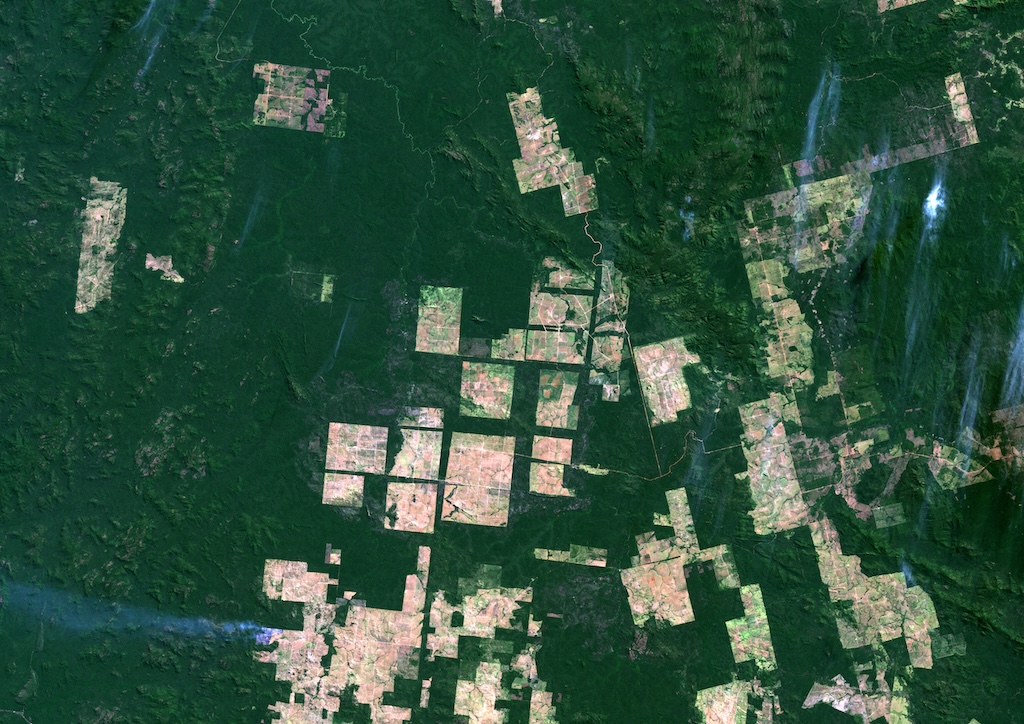
Beyond traditional forecasting, AI is playing an indispensable role in transforming raw environmental data into actionable intelligence. The proliferation of Earth-observation satellites has created an overwhelming flood of geospatial imagery, prompting scientists to deploy machine learning to monitor everything from illicit deforestation to melting polar ice caps.
Dr. Stefano Materia, a researcher in climate variability and change at the Barcelona Supercomputing Centre, highlights methane tracking as a prime example. Methane is a potent greenhouse gas whose leaks are largely invisible to the naked eye. Today, specialized AI algorithms automatically scan hyperspectral satellite imagery from across the electromagnetic spectrum to pinpoint industrial methane leaks globally, alerting operators in near real-time. Similarly, machine learning models process thousands of daily satellite images to track illegal logging and monitor glacial retreat at a scale impossible for human analysts alone.
In polar regions, the technology is yielding similar breakthroughs. Dr. Clare Eayrs, a polar research scientist at the Environmental Fluid Dynamics Lab at New York University, explains that machine learning is now integrated throughout the sea ice modeling workflow. From mapping fine-scale ice deformation using ship radar to classifying snow layers via micropenetrometer profiles, AI is extracting granular insights from complex field data.
Pioneering deep-learning systems like Ice Net have already demonstrated an ability to outperform leading physical models in seasonal Arctic forecasting, accurately predicting critical variables such as sea ice concentration, thickness, and drift.
Institutional frameworks are also adapting to these shifts. Prof. Cristiana Stan, vice-chair of the World Climate Research Programme (WCRP), points to initiatives like the weather prediction model intercomparison project, which brings together physics-based, machine-learning, and hybrid models into a centralized database. This direct comparison accelerates the deployment of next-generation operational models. Meanwhile, the Intergovernmental Panel on Climate Change (IPCC) has integrated model intercomparison projects specifically for AI forecasting into its upcoming seventh assessment report (AR7), marking a major conceptual milestone for the scientific body.
Driving Climate Policy, Mitigation, and Adaptation
AI’s utility extends far beyond theoretical research, actively shaping practical climate policy, mitigation efforts, and renewable energy integration.
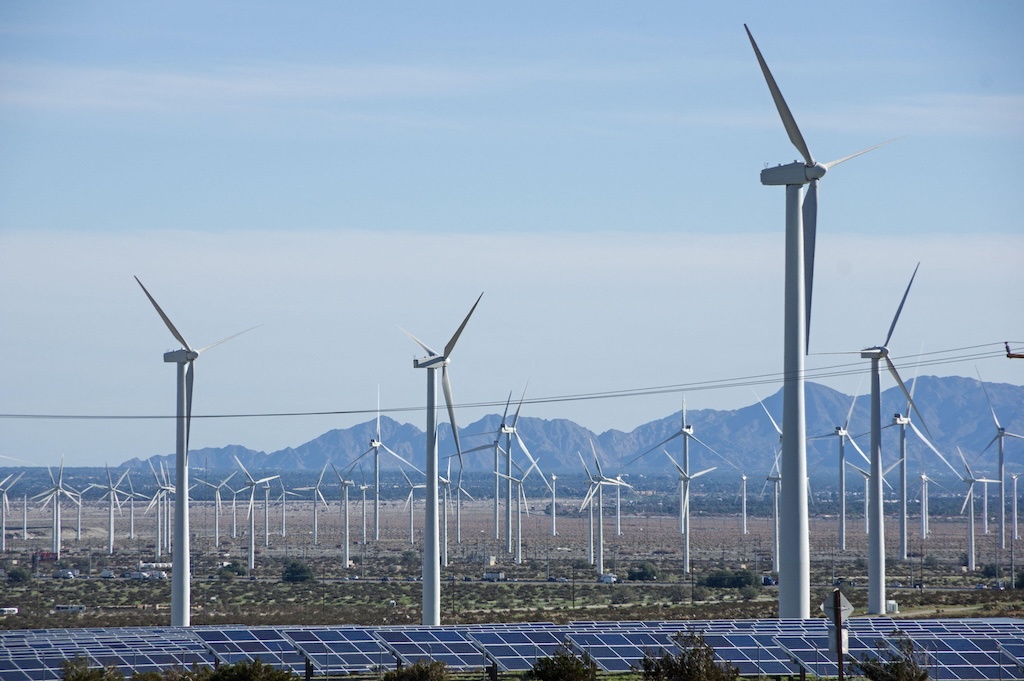
Prof. Priya Donti, assistant professor at the Massachusetts Institute of Technology and co-founder of Climate Change AI, emphasizes the critical role machine learning plays as global power grids transition toward intermittent renewable sources like wind and solar. AI algorithms are deployed to generate precise forecasts of renewable energy production, significantly reducing uncertainty and improving grid management. Additionally, these systems help optimize complex grid components, balancing power generators, battery storage systems, industrial loads, and decentralized assets like electric vehicle chargers and smart heating systems.

Dr. Carlos Rodriguez-Pardo, a postdoctoral researcher at Politecnico di Milano and affiliated scientist at the European Institute on Economics and the Environment and the Euro-Mediterranean Center on Climate Change, notes that AI supports every phase of the climate policy cycle. During the measurement phase, machine learning processes satellite data to estimate emissions, enhances air quality monitoring, and navigates sprawling scientific literature.
In the modelling phase, AI-based emulators replicate the behavior of computationally expensive climate and economic scenarios at a fraction of the cost, enabling researchers to explore thousands of potential futures and quantify previously unmeasurable uncertainties. Finally, in the evaluation phase, causal machine learning provides advanced tools to determine whether implemented policies have actually achieved their intended goals.
Looking Ahead: Future Horizons and Common Misconceptions
Looking to the future, experts anticipate deeper integration between human expertise and machine intelligence. Prof. William Collins suggests that large language models may eventually assist in synthesizing the vast literature required for upcoming IPCC assessments, helping researchers focus on "known unknowns" and identifying critical gaps in scientific understanding. Concurrently, hybrid modeling will continue to bridge physical process-based Earth system models with the speed of machine learning, helping to resolve subgrid processes and refine predictions surrounding dangerous climate tipping points.
Despite these advancements, researchers emphasize the need to clear up common public misconceptions. Dr. David Rolnick, associate professor in the school of computer science at McGill University and co-founder of Climate Change AI, points out that the general public often conflates all of AI with massive, energy-hungry generative models developed by big tech firms. While the high energy and water consumption of large-scale agentic systems is a legitimate societal concern, the specialized machine learning tools deployed in climate research and environmental defense typically operate on a much different scale.
Prof. Priya Donti adds that this public misunderstanding can trickle down to funding allocation decisions, risking a mismatch where vital, specialized scientific applications fail to receive proper financial support.
Addressing Inequalities and Risks in Climate Research
As AI becomes more entrenched in environmental science, researchers are raising urgent concerns regarding equity and structural bias. Dr. Amirpasha Mozaffari warns that frontier AI models are built almost exclusively in the Global North, trained on data densest in regions where observations are richest, and validated against benchmarks reflecting those same areas.
Simply having the technical capability to run a pre-trained model—a process known as cheap inference—does not grant marginalized regions a voice in determining what data the models are trained on or how they are evaluated. Without deliberate efforts to share data infrastructure and center human well-being, experts warn that AI risks automating and amplifying existing global divides rather than closing them.
Conversely, Dr. Rodriguez-Pardo notes that if approached responsibly, AI-based Earth system models could eventually lower barriers to entry, enabling smaller research groups or agencies in data-poor regions to adapt pre-trained models on modest hardware. This is particularly vital given that the data gap is often widest in regions most vulnerable to climate change.

Ultimately, researchers stress that AI must be viewed as an amplifier of human judgment rather than a silver bullet or a substitute for fundamental observation. Dr. Clare Eayrs cautions against the risk that perceived successes in AI could lead to reduced funding for physical data collection, stressing that sparse observational fields—such as Antarctic sea ice thickness—require more targeted fieldwork, not less.
As the scientific community navigates this digital transformation, the consensus among experts remains clear: maintaining physical credibility, robust process-based validation, and a commitment to open science will be essential to ensuring that artificial intelligence serves as an authentic force for global progress.