Artificial intelligence is advancing at a breathtaking pace, fundamentally altering how scientists monitor, understand, and predict the impacts of global climate change. While generative tools like ChatGPT, Claude, and Gemini dominate public conversations about AI, the broader technological landscape encompasses a vast array of specialized applications. From running weather predictions and analyzing massive volumes of satellite imagery to optimizing complex energy grids, climate researchers are increasingly turning to machine learning to study a warming planet with unprecedented speed and efficiency.
Yet, this technological shift is accompanied by a complex web of risks and challenges. Experts warn of a potential overreliance on unverified data, intense energy consumption, and the risk of exacerbating long-standing inequalities within the global scientific community. To better understand these developments, Carbon Brief spoke with 10 leading experts working across various climate-related fields—ranging from short-term weather forecasting to long-term energy grid transitions—to explore how artificial intelligence is shaping the future of environmental research.
What are the benefits and challenges of using AI in weather and climate forecasting?
One of the most profound breakthroughs in recent years has been the rapid ascent of AI-powered weather-prediction models. These systems ingest massive volumes of historical weather data to project conditions hours ahead, subsequently feeding those forecasts back into themselves to generate predictions up to two weeks into the future.
Dr. Doug McNeall, science lead in data-driven climate modelling at the UK Met Office, notes that these models have proven they can deliver accurate predictions while requiring a fraction of the computing power needed by traditional numerical models, which rely heavily on complex mathematical equations to simulate atmospheric physics. However, Dr. McNeall emphasizes a fundamental limitation: AI weather models are optimized for short timescales where rich observational data exists and performance can be rigorously evaluated.
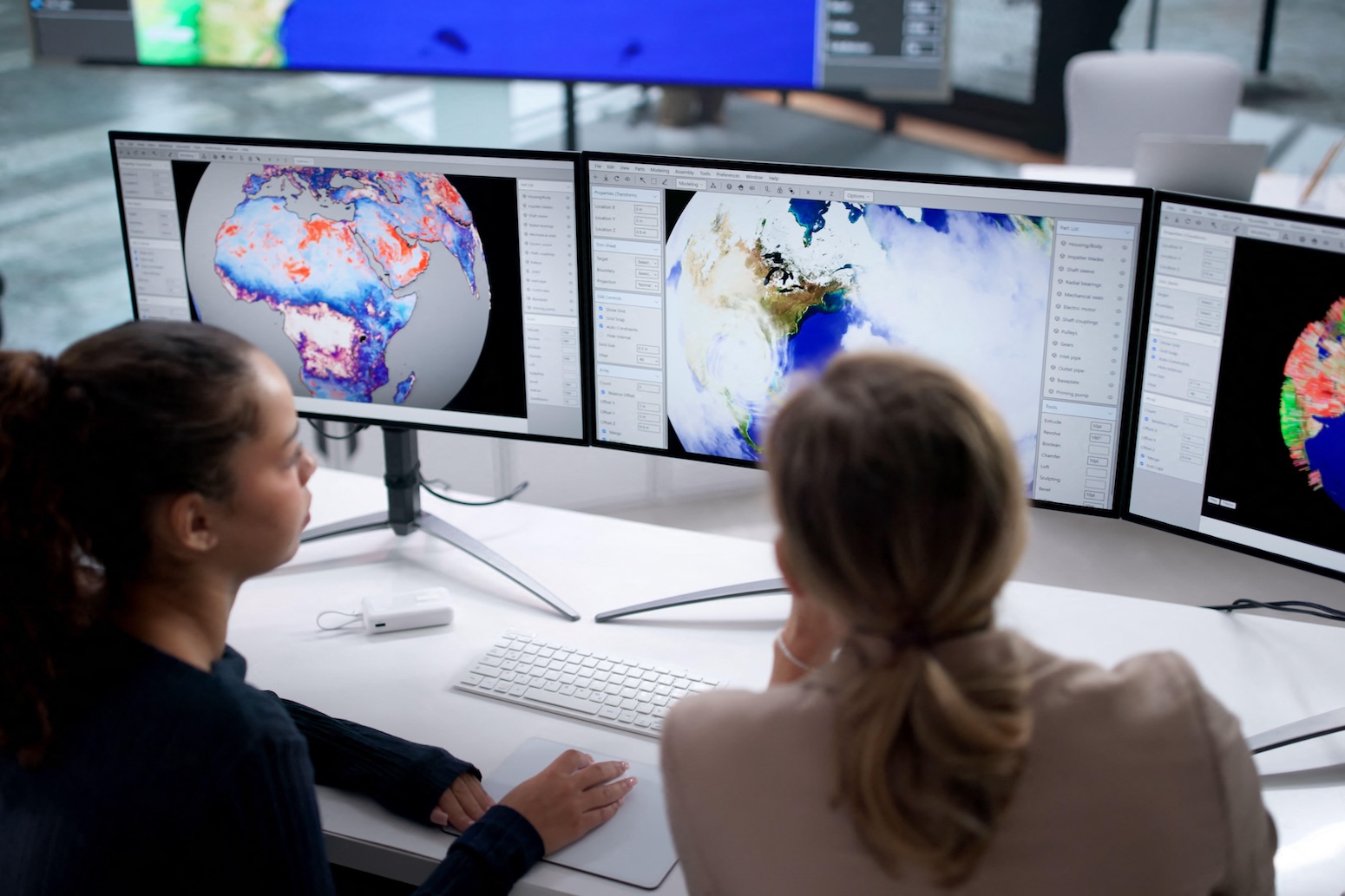
Climate prediction, by contrast, requires forecasting a future climate that falls entirely outside the historical observational record. To bridge this gap, researchers are increasingly exploring blended approaches—using AI to emulate or accelerate traditional physics-based models rather than relying exclusively on data-driven techniques. This hybrid strategy aims to make climate risk information more affordable and accessible while preserving the foundational physical understanding necessary to maintain scientific confidence.
Prof. William Collins, a professor of AI for climate science at the University of East Anglia, highlights this renaissance in weather and climate research, pointing out that major institutions like the European Centre for Medium-Range Weather Forecasts (ECMWF) have begun deploying AI forecasting systems operationally alongside traditional models. Nevertheless, the central challenge remains: how to train models for a future lacking historical observations.
Adding to this perspective, Dr. Amirpasha Mozaffari, a researcher in Earth artificial intelligence at the Barcelona Supercomputing Centre, points out that while AI models excel at typical weather patterns, they frequently underperform compared to physics-based models when confronted with record-breaking, unprecedented extremes—precisely the high-impact events critical for climate adaptation. Solving this through hybrid architectures, physical constraints, and innovative evaluation methods remains a primary open problem for the scientific community.
What are some other current uses of AI in climate science research?
Beyond atmospheric forecasting, the proliferation of Earth-observation satellites has generated an unprecedented flood of geospatial data, capturing everything from shifting sea ice to widespread deforestation. Dr. Stefano Materia, a researcher in climate variability and change at the Barcelona Supercomputing Centre, explains that AI is vital for translating raw pixel data into actionable climate intelligence.
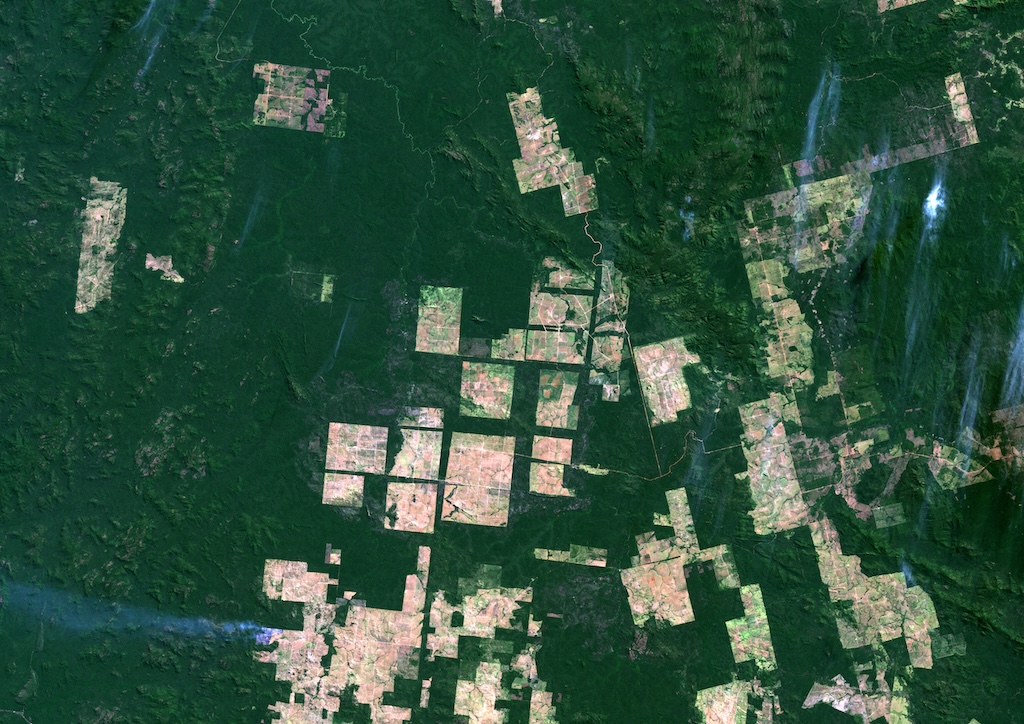
For instance, methane tracking and ecosystem monitoring have been revolutionized by machine learning. Methane is an exceptionally potent greenhouse gas, yet leaks are notoriously difficult to detect with the naked human eye. AI algorithms now automatically scan hyperspectral satellite imagery across the electromagnetic spectrum to pinpoint industrial methane leaks worldwide, alerting facility operators in near real-time. Similarly, machine-learning models process thousands of daily satellite images to monitor illegal logging, track complex land-use changes, and observe retreating glaciers long before manual reviews could take place.
In polar research, machine learning has similarly transformed how scientists study dynamic environments. Dr. Clare Eayrs, a polar research scientist at New York University’s Environmental Fluid Dynamics Lab, notes that deep-learning systems are now deployed across the entire sea ice modeling workflow. Early tools like Ice Net demonstrated that deep-learning models could outperform established physical frameworks in seasonal Arctic forecasts. Today, these systems routinely predict vital variables such as sea ice concentration, thickness, and drift, while also extracting fine-scale deformation data from ship radar and classifying snow layers.
Institutional frameworks are also adapting to these rapid technological shifts. Prof. Cristiana Stan, vice-chair of the World Climate Research Programme (WCRP), highlights initiatives like the weather prediction model intercomparison project, which brings together traditional physics-based systems, hybrid models, and pure AI forecasts. This centralized evaluation framework accelerates the deployment of next-generation operational tools by rigorously assessing their respective strengths and weaknesses. Furthermore, downscaling initiatives are harnessing AI to refine coarse model outputs into high-resolution regional data.
On a global governance scale, Prof. William Collins notes that the Intergovernmental Panel on Climate Change (IPCC) is incorporating AI model intercomparison projects directly into its seventh assessment report (AR7). Dr. Amirpasha Mozaffari adds that new machine-learning architectures—such as diffusion models, foundation models, and generative ensembles—are crossing over into climate science within months of their introduction in the broader computer science community, drastically lowering the computational cost of running global forecasts.
How is AI being used to advance climate policy and action?
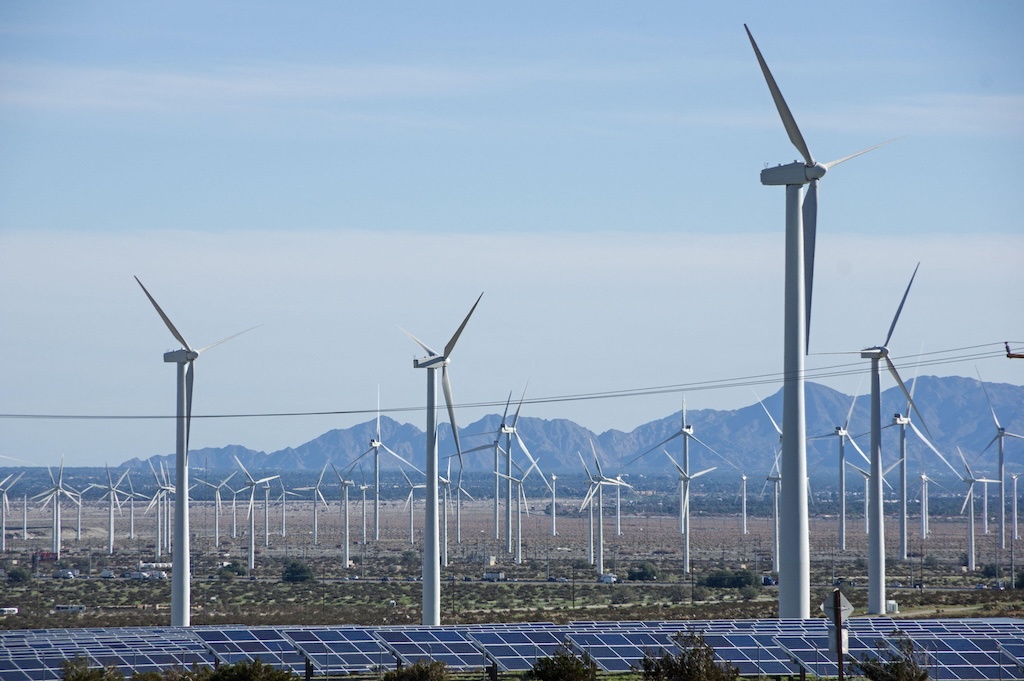
As power grids incorporate higher shares of variable renewable sources like wind and solar, the management of electrical infrastructure requires sophisticated solutions. Prof. Priya Donti, assistant professor at the Massachusetts Institute of Technology and co-founder of Climate Change AI, explains that AI helps reduce generation uncertainty through improved forecasting, while simultaneously optimizing the operation of diverse grid components, including generators, battery storage, industrial loads, and electric vehicle charging systems.
Dr. Carlos Rodriguez-Pardo, a postdoctoral researcher at Politecnico di Milano and affiliated scientist at the European Institute on Economics and the Environment and the Euro-Mediterranean Center on Climate Change, emphasizes that AI aids every stage of the climate policy cycle. In the measurement phase, machine learning helps process satellite data to estimate emissions, harmonize fragmented policy databases, and map an overwhelming body of scientific literature.
During the scenario-modeling phase, AI-based emulators replicate the behavior of computationally expensive economic and climate models at a fraction of the cost, allowing researchers to explore thousands of scenarios rather than just a handful. Finally, in evaluation, causal machine learning provides advanced tools to determine whether specific policy interventions achieved their intended outcomes—a significantly more complex task than simply predicting future trends.
How could AI be used in climate research over the coming years?
Looking ahead, the integration of artificial intelligence is expected to deepen across all facets of climate science. Prof. Cristiana Stan notes that the WCRP has established specialized task teams to oversee modeling projections, observational data integration, private sector engagement, and the scientific rigor of machine learning methods.

Prof. William Collins suggests that large language models could soon assist in synthesizing vast amounts of literature for upcoming IPCC assessments, helping researchers identify "known unknowns" and direct future scientific inquiry where uncertainties remain greatest. To guide this transition, the IPCC established an informal group on artificial intelligence to provide timely governance and ensure the responsible use of emerging digital technologies.
Dr. Stefano Materia points out that hybrid modeling—merging the physical consistency of traditional Earth system models with the pattern-recognition capabilities of machine learning—will help overcome computational bottlenecks. This includes addressing unresolved subgrid processes and refining estimates of the terrestrial carbon sink and non-linear tipping points. Meanwhile, Dr. Clare Eayrs highlights how machine learning can extract historical climate data from centuries-old ship logs, whaling records, and early expedition photographs, significantly lengthening the observational record and improving model training.
Are there any misconceptions about the use of AI in climate science?
Experts caution that public perception of artificial intelligence is often overly fixated on massive generative models and commercial chatbots. Dr. David Rolnick, associate professor at McGill University and co-founder of Climate Change AI, stresses that large-scale generative and agentic systems, which consume vast amounts of energy and water in data centers, do not represent the types of AI primarily deployed to fight climate change. Prof. Priya Donti echoes this concern, warning that mismatched understandings among funding allocators can lead to misdirected resources if decision-makers fail to recognize the diverse nature of climate-relevant AI tools.
Could AI improve or exacerbate inequalities in climate research?
A critical concern voiced by researchers is whether artificial intelligence will widen existing global divides. Dr. Amirpasha Mozaffari notes that frontier AI models are predominantly built in the Global North, trained on data dense in regions where observations are richest, and validated against benchmarks reflecting those same areas. Having the ability to run a pre-trained model does not equate to having a voice in what data it is trained on or how it is evaluated. Without deliberate efforts toward shared data infrastructure and knowledge co-production, AI risks automating and amplifying existing global inequalities.
Conversely, Dr. Carlos Rodriguez-Pardo suggests that lightweight, pre-trained AI models could lower barriers to entry for researchers and agencies in data-poor regions, enabling them to adapt systems on modest hardware rather than building complex frameworks from scratch. However, Dr. David Rolnick warns that the consolidation of large-scale AI in a handful of powerful institutions risks prioritizing the interests of specific geographies over the pressing adaptation and mitigation needs of the majority of the world’s population.
What are some other risks and challenges of AI in climate change research?
Trust and physical credibility remain paramount concerns. Dr. Clare Eayrs warns that the apparent success of AI systems must not become a justification for scaling back direct environmental observations, emphasizing that machine learning is a complement to—not a substitute for—empirical data collection and physical understanding.
Dr. William Collins points out the danger of obtaining plausible-sounding answers that are factually incorrect. Computers will always fulfill a request and provide an output, making rigorous evaluation essential to verify that models achieve the right answers for the right physical reasons.
Furthermore, Dr. David Rolnick reiterates that AI is not a silver bullet and risks diverting attention and resources from other vital forms of climate action. Prof. Detlef van Vuuren of the PBL Netherlands Environmental Assessment Agency adds that academic institutions must adapt to an influx of AI-generated research proposals and manuscripts, establishing clear guidelines for peer review, scientific writing, and integrity.

Ultimately, experts agree that while artificial intelligence offers transformative potential for understanding and managing climate change, it must serve to augment human judgment rather than replace it, ensuring that technological progress advances both scientific rigor and social equity.