Artificial intelligence is developing at a rapid pace and is increasingly being used by scientists to better understand climate change. While the technology is perhaps best-known for its application in large language models such as ChatGPT, Claude, and Gemini, the broader scientific field is vast. From advanced weather forecasting to analyzing massive troves of satellite images, climate researchers are deploying various types of artificial intelligence to develop faster and more efficient ways to study a warming planet.
Yet, this technological leap comes with no shortage of risks and challenges. Experts warn of overreliance on unverified results, intensive energy use, and the potential to exacerbate existing inequalities within the global scientific community. To better understand how these tools are reshaping the discipline, Carbon Brief spoke with 10 experts working across a range of climate-related fields—from developing climate forecasts to analyzing the structural changes in modern energy grids.
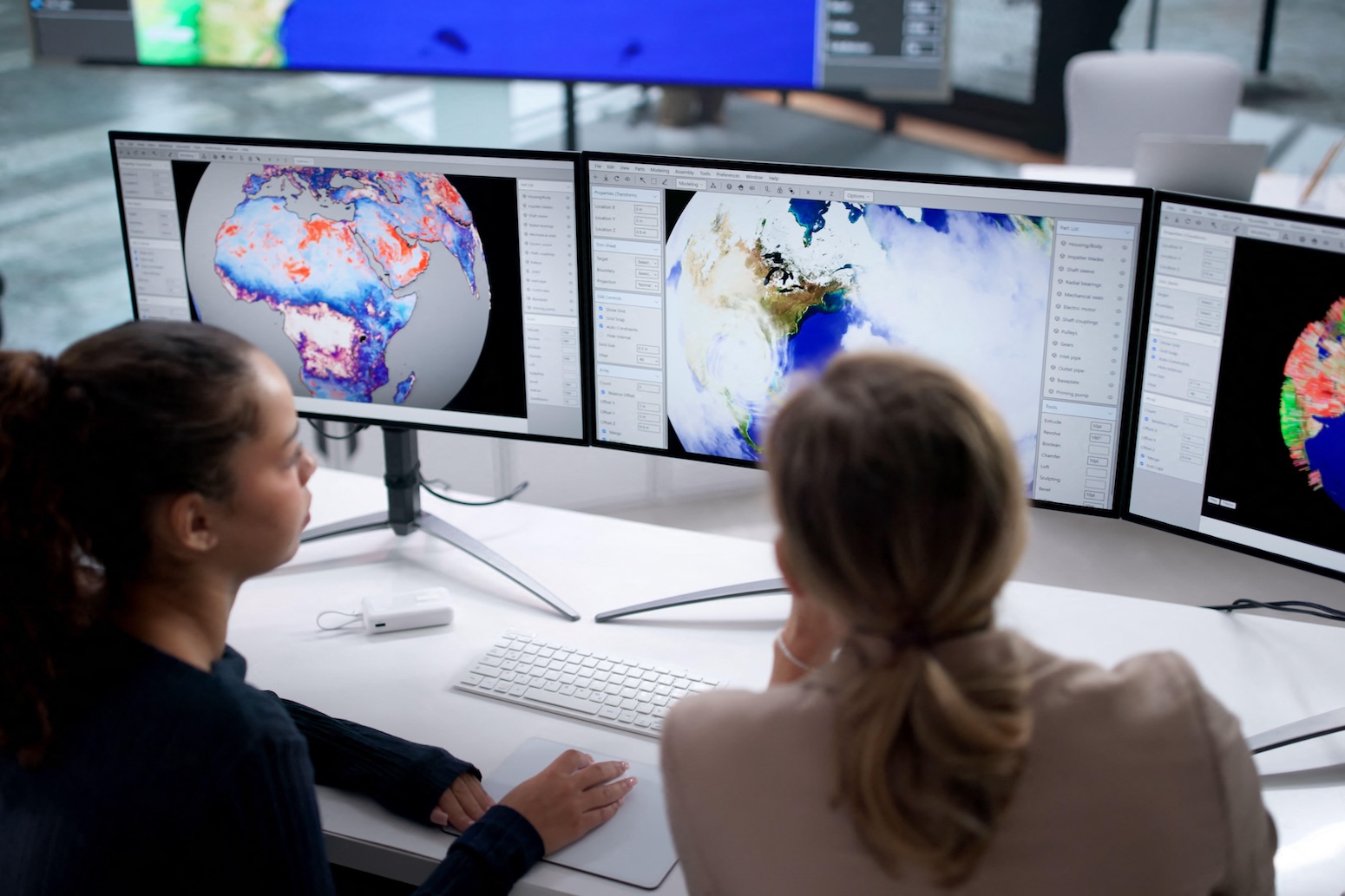
Weather and Climate Forecasting: Benefits and Challenges
One of the most significant recent developments in the field has been the sudden, undeniable success of AI weather-prediction models. These systems learn from vast volumes of meteorological data to predict conditions a few hours ahead, then repeatedly feed those predictions back into themselves to generate forecasts stretching up to two weeks into the future.
Dr. Doug McNeall, science lead in data-driven climate modelling at the UK Met Office, notes that these models have demonstrated the ability to provide accurate predictions while requiring far less computing power than traditional numerical models, which rely strictly on complex mathematical equations to simulate the atmosphere. However, Dr. McNeall points out a fundamental challenge: AI weather models have primarily been developed for relatively short timescales where massive amounts of observational data—such as temperature, rainfall, or sea ice extent—are readily available, and where performance can be evaluated quickly and rigorously.
Climate prediction, by contrast, is fundamentally different. To provide actionable climate information, researchers must make projections for future planetary conditions that lie entirely outside the historical observational record.
One promising route forward, according to Dr. McNeall, is to use artificial intelligence to emulate or accelerate existing physical models rather than relying solely on purely data-driven approaches. This blended strategy could make climate risk information far more accessible and affordable to produce, while retaining the physical understanding based on fundamental scientific principles that underpins confidence in long-term projections.
Prof. William Collins, professor of AI for climate science at the University of East Anglia, highlights a renaissance currently underway in both weather and climate science. Machine learning—a subset of artificial intelligence that uses algorithms to let computers learn from data and make predictions without being explicitly programmed—has had an enormous impact on numerical weather prediction. For instance, the European Centre for Mid-Range Weather Forecasts is now deploying an AI forecast system as part of its official communications to the European community, running it alongside traditional forecasting systems. These AI tools have become competitive with the world’s leading numerical weather models.
Nevertheless, Prof. Collins underscores the central paradox facing researchers: much of machine learning relies on learning from past data, yet the climate represents a future for which historical data does not exist. Researchers are literally trying to forecast an unprecedented tomorrow using observations that have yet to happen, creating a hurdle that the climate community is actively striving to clear.
Furthermore, Dr. Amirpasha Mozaffari, a researcher in Earth artificial intelligence at the Barcelona Supercomputing Centre, points out that while AI forecast models handle typical weather patterns well, they frequently underperform physics-based models during record-breaking and unprecedented extremes. These are precisely the high-impact events that matter most for human adaptation to climate change. Solving this deficiency—whether through hybrid models, strict physical constraints, or entirely new evaluation frameworks—remains the central open problem for the field.
Expanding Research: Beyond Weather Prediction
Beyond meteorological modeling, the proliferation of Earth-observation satellites has created a massive influx of geospatial data, including detailed images tracking deforestation and sea ice melt. Artificial intelligence is increasingly deployed to translate raw pixel data into actionable climate intelligence.
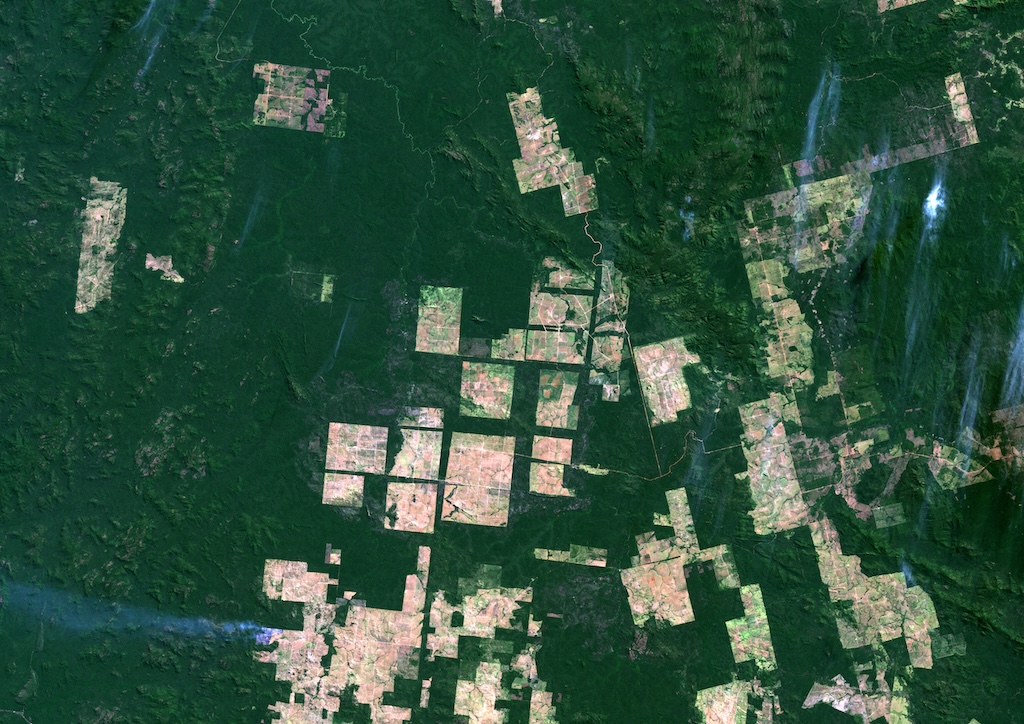
Dr. Stefano Materia, a researcher in climate variability and change at the Barcelona Supercomputing Centre, points to methane tracking and ecosystem monitoring as prime applications. Methane is a potent greenhouse gas, but leaks are largely invisible and notoriously difficult to track from the ground. AI algorithms now automatically scan hyperspectral imagery gathered across the electromagnetic spectrum by satellites to pinpoint specific industrial methane leaks globally, alerting operators in near real-time. Simultaneously, machine learning models process thousands of satellite images daily to detect illegal logging, track land-use changes, and monitor retreating glaciers long before human researchers could manually review the footage.
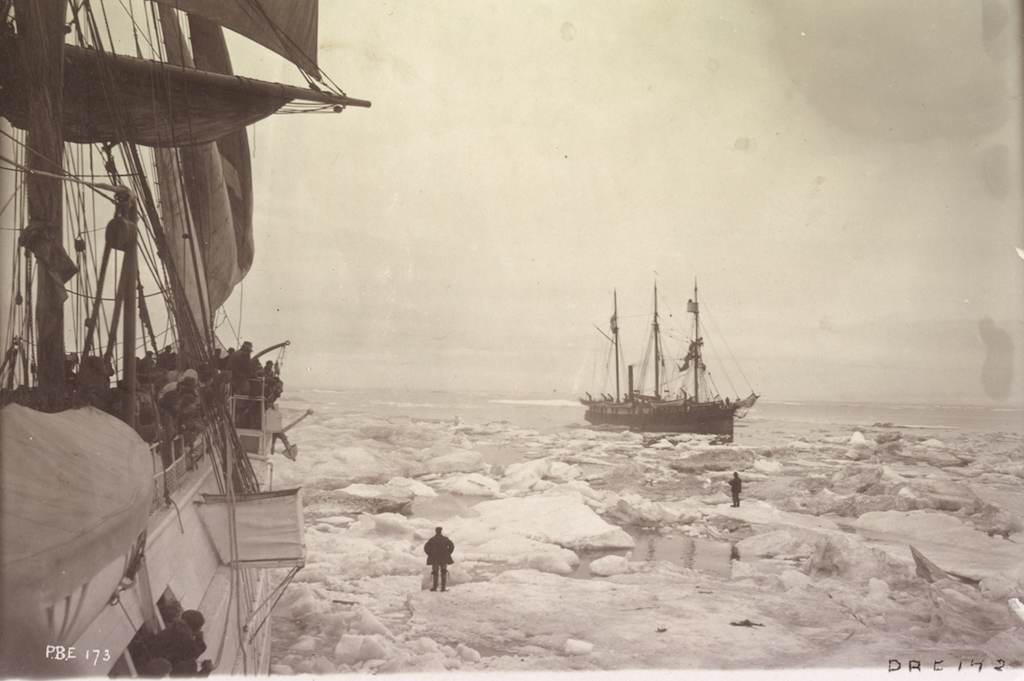
In the polar regions, machine learning has similarly permeated the research workflow. Dr. Clare Eayrs, a polar research scientist at the Environmental Fluid Dynamics Lab at New York University, explains that the most mature applications involve extracting finer details from observational data—such as mapping fine-scale sea ice deformation from ship radar and classifying snow layers in micropenetrometer profiles.
Forecasting remains the most visible application in polar science. Systems like Ice Net early on demonstrated that deep learning architectures—inspired loosely by the layers of the human brain—could outperform leading physical models in seasonal Arctic forecasts. Today, machine learning systems routinely predict critical variables including sea ice concentration, thickness, and drift.
At an institutional level, artificial intelligence is gaining formal recognition. Prof. Cristiana Stan, vice-chair of the World Climate Research Programme, notes that AI now appears across all major initiatives managed by the organization. The weather prediction model intercomparison project, for instance, includes physics-based numerical models, hybrid models, and AI systems side by side. By evaluating these systems directly against one another, researchers can accelerate the deployment of next-generation operational models while developing metrics to assess their respective strengths and weaknesses.
Downscaling is another critical area harnessing AI power to refine coarse-resolution model outputs into high-resolution regional data. Meanwhile, the Intergovernmental Panel on Climate Change is incorporating AI-focused model intercomparison projects into its seventh assessment report cycle, marking a significant milestone for the acceptance of these technologies in official global assessments.
Driving Climate Policy and Action
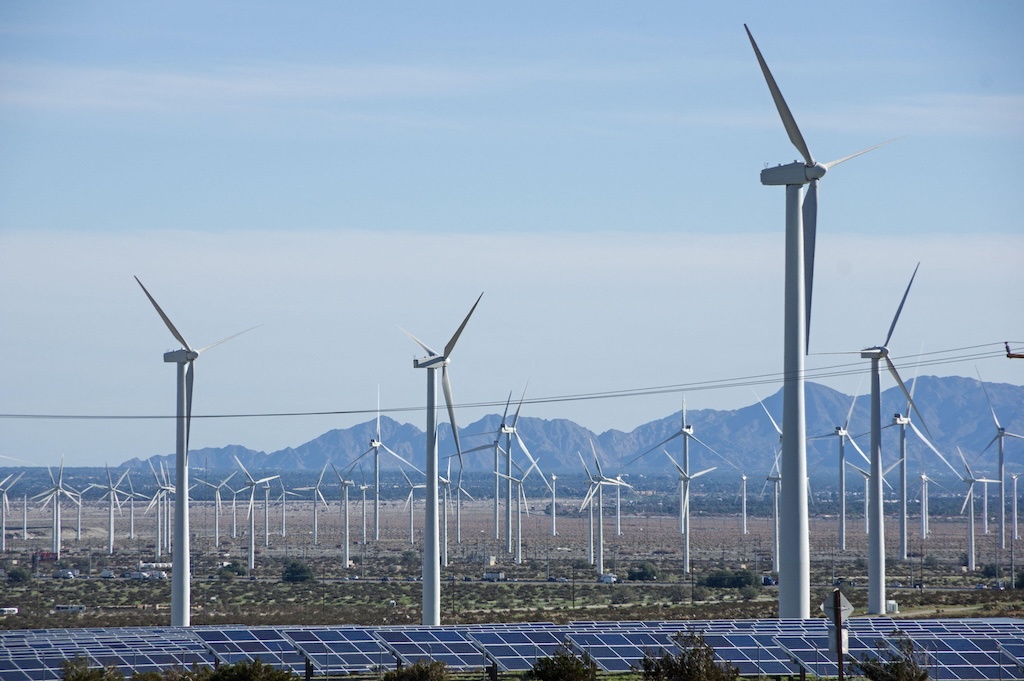
As countries integrate higher shares of solar, wind, and other renewable energy sources into power grids, the architecture of energy management must evolve. Prof. Priya Donti, assistant professor at the Massachusetts Institute of Technology and co-founder of Climate Change AI, explains that artificial intelligence is vital for generating better predictions of solar and wind power production, thereby reducing uncertainty and allowing grid operators to plan with greater foresight. Additionally, AI optimizes and controls diverse grid components, including power generators, energy storage batteries, and flexible loads like electric vehicle chargers and automated heating systems.
Dr. Carlos Rodriguez-Pardo, a postdoctoral researcher at Politecnico di Milano and affiliated scientist at the European Institute on Economics and the Environment and the Euro-Mediterranean Center on Climate Change, notes that artificial intelligence is useful across every stage of the climate policy cycle.

In the measurement phase, machine learning helps process satellite imagery to estimate emissions, improve air quality monitoring, harmonize fragmented policy databases, and map a scientific literature that has expanded beyond human reading capacity. In the modeling phase, AI-based emulators reproduce complex climate and economic scenarios at a fraction of the computational cost, allowing researchers to explore thousands of scenarios and quantify uncertainties previously deemed out of reach. In the evaluation phase, causal machine learning extends the toolkit used to determine whether a specific policy actually worked—a fundamentally harder question than simply predicting future trends.
Future Horizons and Addressing Misconceptions
Looking ahead, researchers anticipate that artificial intelligence will fundamentally alter how scientific assessments are written and how complex Earth system models are constructed. Prof. William Collins suggests that future assessment reports, such as those produced by the IPCC later this decade, may largely be synthesized using large language models, allowing human researchers to focus on identifying the "known unknowns" that direct future scientific inquiry.
However, experts are eager to clear up widespread public misconceptions. Dr. David Rolnick, associate professor at McGill University and co-founder of Climate Change AI, points out that artificial intelligence is frequently conflated with massive generative consumer models developed by tech giants. While those large-scale systems do require intensive energy and water resources, they are distinct from the specialized, efficient machine learning architectures actually deployed to tackle climate change and optimize energy systems.
Navigating Regional Divides and Scientific Risks
Despite its vast potential, artificial intelligence threatens to replicate or even widen existing geopolitical and economic inequalities in climate research. Dr. Amirpasha Mozaffari warns that frontier models are built almost exclusively in the global north, trained on data that is densest where observations are richest, and validated against benchmarks reflecting those same wealthy regions. Simply running a pre-trained model does not grant communities a say in how it was designed or whether it serves local decisions. Without deliberate efforts to share data infrastructure and center human wellbeing, AI risks automating the existing global divide in climate information systems.
Furthermore, researchers emphasize that the apparent success of automated systems must not be used as an excuse to defund fundamental observations. Dr. Clare Eayrs cautions that AI is not a substitute for physical understanding, and that sparse historical records in regions like the Antarctic require targeted field observations rather than shortcuts.
Dr. William Collins adds a fundamental warning regarding the nature of computation: if you ask a computer a question, it will always provide a plausible answer, but researchers must continually ensure they are getting the right answer for the right physical reason. Used wisely, artificial intelligence can serve as a powerful tool to augment human judgment, streamline research, and accelerate global climate action, provided the scientific community maintains rigorous standards of transparency, accountability, and equity.