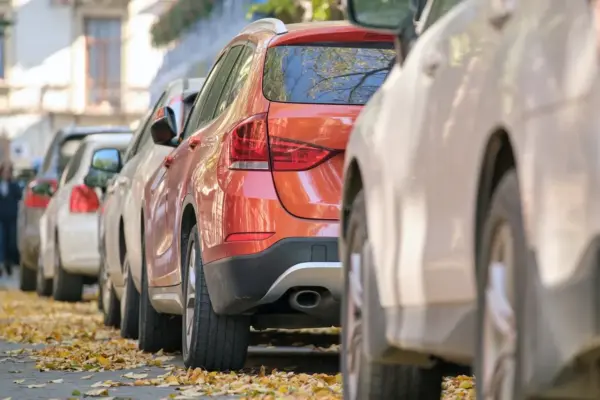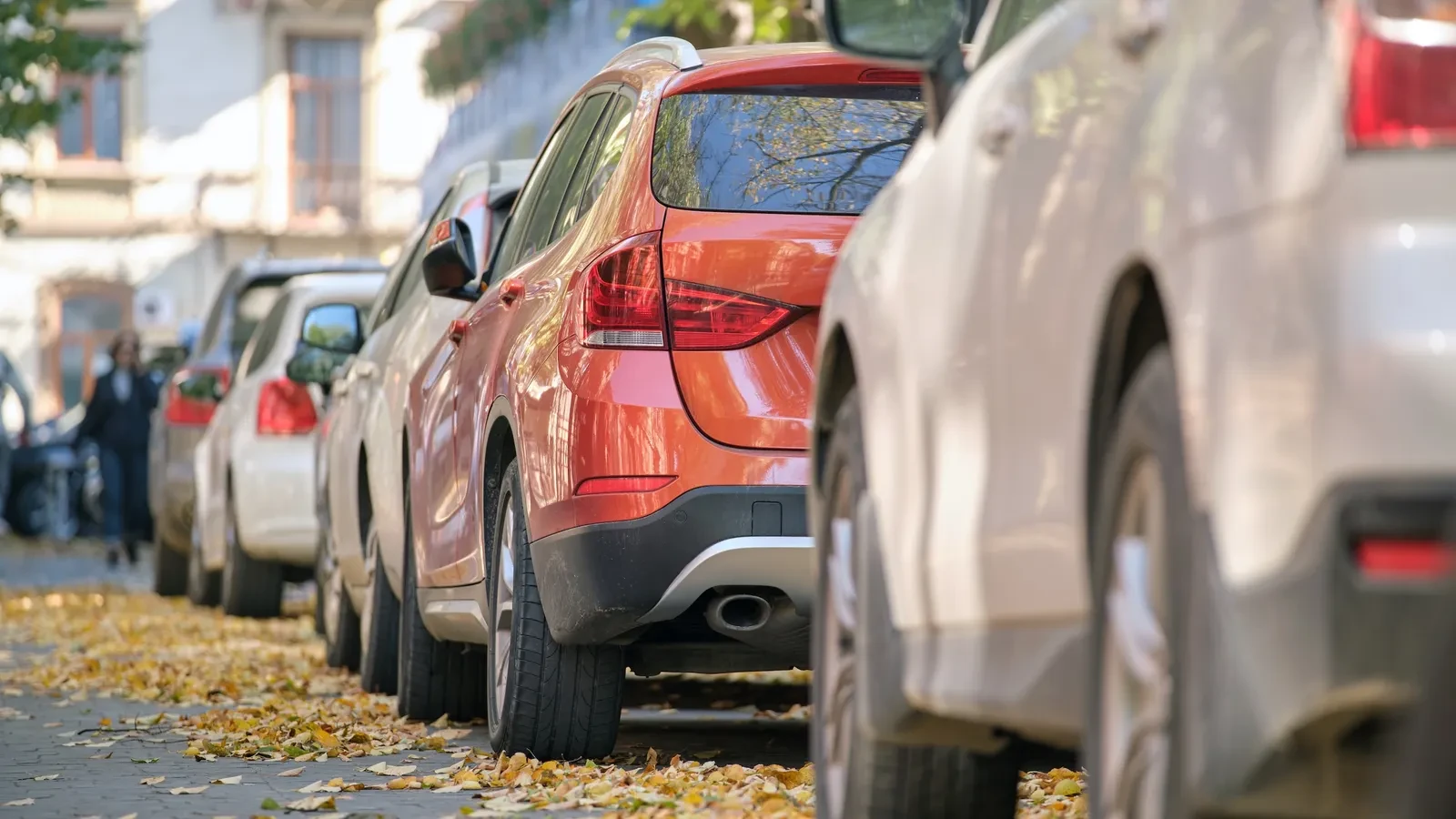
The management, pricing, and availability of urban parking are proving to be decisive factors in shaping modern city landscapes, directly influencing everything from daily traffic congestion and commercial freight deliveries to consumer access for downtown businesses and long-range municipal transportation planning. According to recent insights from transportation analytics firm Inrix, how cities handle their curbsides and parking infrastructure has never been more critical to the economic and logistical health of metropolitan areas.
The comprehensive Inrix report examines a wide array of metrics, casting a spotlight on both on-street and off-street parking availability, prevailing parking rates, and evolving curb management strategies designed to accommodate emerging modes of transport, including robotaxis and commercial delivery vehicles. By compiling this high-level parking data, the report provides municipal leaders and urban planners with the necessary tools to critically evaluate their local policies and benchmark their performance against peer cities across North America and beyond. Inrix Chief Product Officer Ahmed Darrat noted that these insights allow cities to ask the right questions about their current infrastructure and future needs.
A striking finding within the study highlights the vast economic discrepancy between different types of vehicle storage in major metropolitan areas. In many cities across the United States, off-street parking structures and surface lots cost motorists far more than traditional on-street parking spaces. For instance, in Chicago, the average cost for off-street parking reaches a staggering $22.93 per hour, whereas on-street parking in the same city remains significantly lower at $6.24 per hour. The report emphasizes that Canada and the United States are widely recognized for the relatively high costs associated with off-street parking, a trend that directly reflects intense market demand for this scarce physical resource in bustling downtown commercial districts.
This pricing structure and availability landscape do not just affect private vehicle owners; they also play a profound role in the integration of autonomous vehicle technology. As cities grapple with the impending widespread deployment of autonomous fleets, the management of curb space becomes an increasingly vital battleground. The Inrix findings align with broader discussions in urban mobility regarding how automated vehicles utilize city streets when they are not actively transporting passengers.
Adding significant context to the debate over autonomous vehicle operations, a separate research report published in ScienceDirect in August offers a revealing look into robotaxi behavior. Based on a detailed simulation model involving 1,700 shared autonomous vehicles operating in San Francisco, the study found that robotaxis which continuously cruise between passenger pickups without parking can generate up to 60 percent more vehicle miles traveled compared to those that utilize parking spaces during downtime.
While a commercial robotaxi might temporarily occupy a municipal parking spot for a short duration between rides, industry experts argue that this practice represents a far more productive and efficient use of finite curb space than a privately owned vehicle sitting idle for extended periods. Darrat emphasized this distinction, pointing out that dynamic utilization of parking assets by shared fleets can ultimately mitigate the compounding effects of empty cruising vehicles on urban traffic congestion.
As urban centers continue to navigate post-pandemic economic recovery, shifting commuter habits, and the rapid rise of e-commerce delivery fleets, the findings from Inrix and supporting academic research underscore the urgent need for holistic curb management strategies. City planners must balance the demands of public transit, commercial loading zones, private automobiles, and autonomous transportation networks to ensure that downtown business districts remain accessible, economically vibrant, and free from debilitating gridlock.