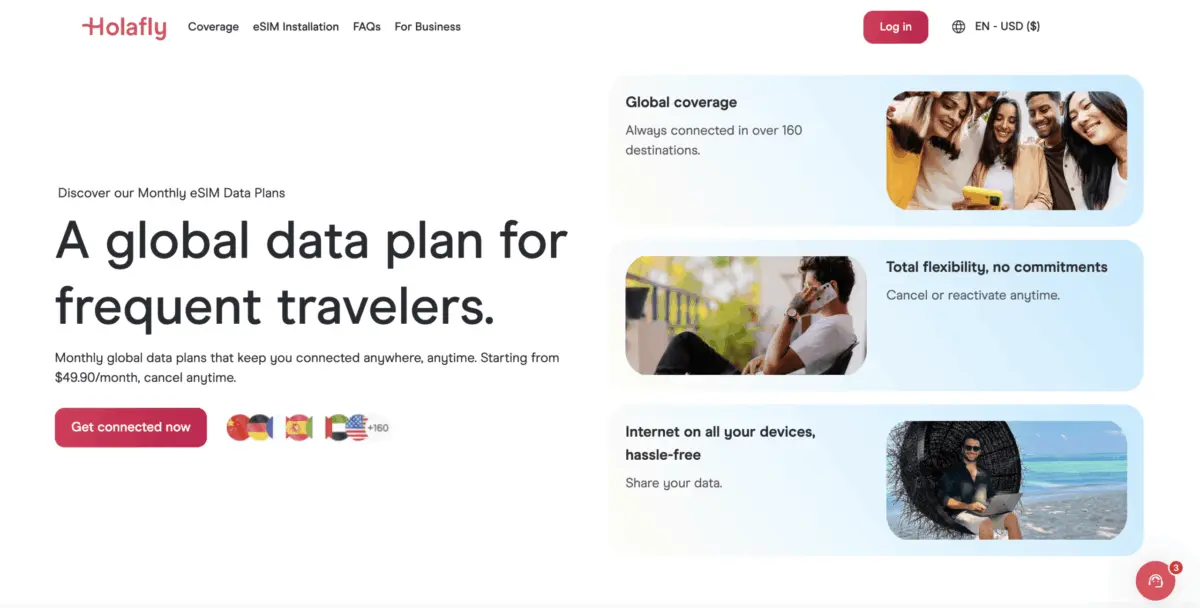
The global travel technology market is seeing a significant shift in how international connectivity is handled, as travel eSIM provider Holafly rolls out a new subscription-based product designed specifically for long-term travelers and digital nomads. The newly introduced service, known as Holafly Plans, offers a single global eSIM that operates as an ongoing subscription spanning more than 160 destinations worldwide, marking a major departure from traditional single-destination prepaid data packages.
For years, the digital SIM market has relied on a transactional model. Travelers download a provider’s application, select a specific country or regional package, install a temporary digital profile onto their smartphone hardware, and discard or let the profile expire once the trip concludes. While these regional solutions remain popular for short-term vacations, frequent travelers and remote workers have increasingly sought alternatives to the administrative friction of constantly purchasing, installing, and swapping out digital profiles every time they cross an international border.
The introduction of Holafly Plans addresses this challenge by establishing a standing global connection that automatically reestablishes network service upon arrival in a new country. Subscribers purchase the service once and install a single eSIM profile that remains active indefinitely across the network’s extensive coverage area. This eliminates the need to hunt down new QR codes, redownload application data, or manage multiple separate purchase orders during multi-country itineraries.
Industry observers note that the subscription model closely mirrors traditional domestic mobile carrier functionality, but operates at a fraction of the cost typically associated with international roaming packages offered by major domestic telecommunications providers. The service is structured around monthly, quarterly, or annual billing cycles, providing users with the flexibility to cancel at any time without being bound by long-term annual contracts.

Holafly has structured the new global subscription tier into two distinct options to accommodate varying user demands: a Light Plan and an Unlimited Plan. The Light Plan provides subscribers with 25 gigabytes of high-speed data each month, maintains hotspot capabilities for tethering other devices, and covers the full network of more than 160 destinations. This tier is positioned as an ideal solution for travelers whose primary data needs involve navigation, messaging applications, and casual web browsing.
Conversely, the Unlimited Plan removes data caps entirely and includes unrestricted hotspot functionality, enabling digital nomads and remote professionals to tether laptops and other work equipment on the go without worrying about throttling or data depletion. Furthermore, subscribers opting for the Unlimited tier receive a local phone number originating from the United States, the United Kingdom, or Canada, which facilitates the receipt of standard SMS messages while abroad.
Both subscription tiers incorporate an innovative safety net feature known as "Always On." Once a plan is activated, users receive one gigabyte of backup data every month automatically for life, ensuring a baseline level of connectivity even if the user eventually decides to cancel the subscription entirely.
Pricing for the new global plans varies depending on currency, regional markets, and the chosen billing duration. However, introductory rates highlight significant savings compared to traditional carrier roaming. For example, the unlimited annual subscription is priced at approximately $55 USD per month, undercutting the base international roaming offerings of major North American carriers, which frequently exceed $100 per month while imposing strict high-speed data caps. Additional savings are built into longer commitments, with quarterly plans offering approximately a 10% discount and annual subscriptions reducing costs by roughly 15%.
Comparing Classic eSIMs and New Subscriptions
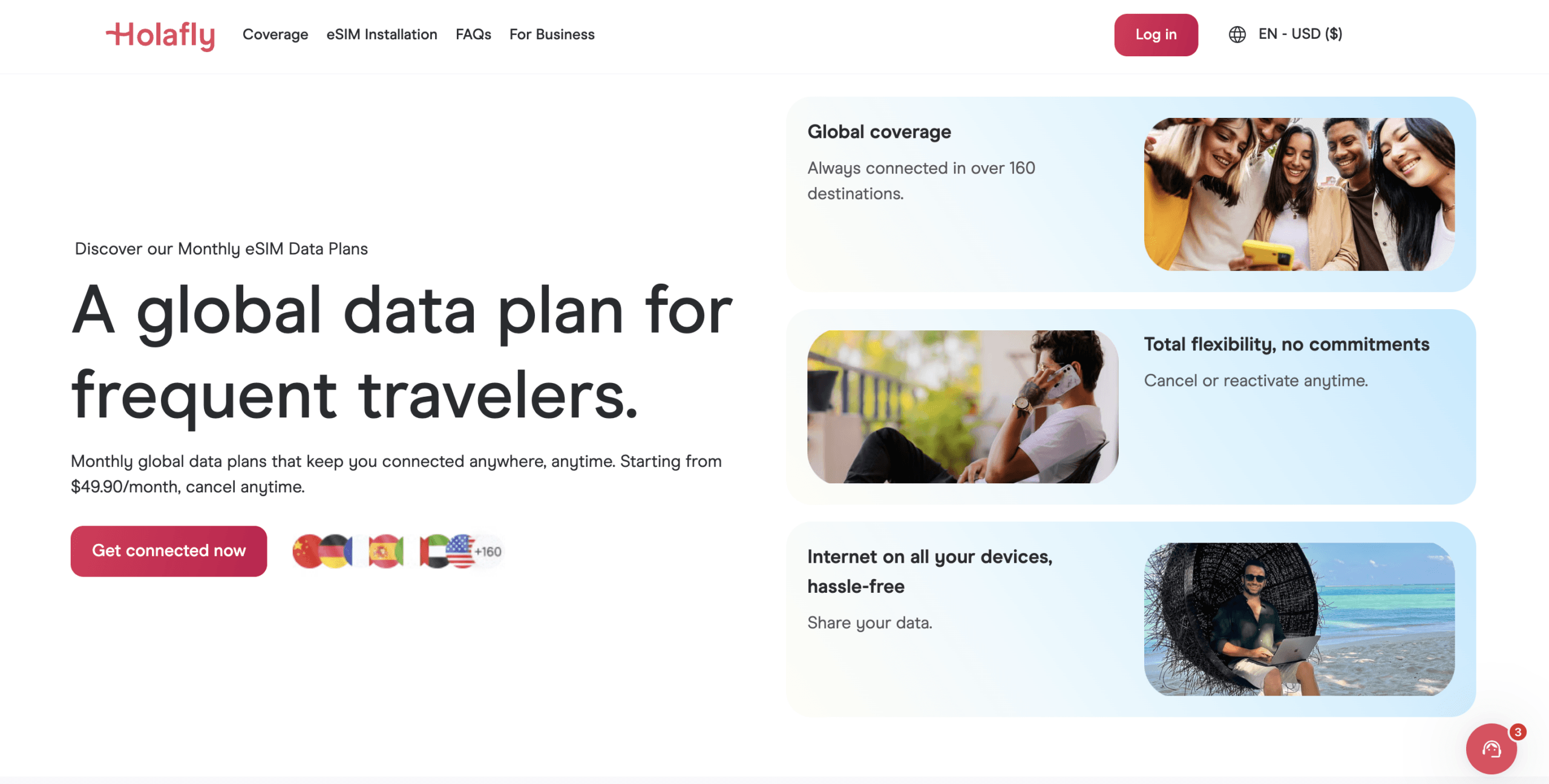
To understand the positioning of Holafly Plans, industry analysts point to the fundamental divergence between traditional short-term travel eSIMs and ongoing global subscriptions. Classic destination eSIMs remain tailored to singular, isolated trips. A traveler heading to a single country for a two-week holiday benefits from the simplicity and lower absolute cost of a one-off, destination-specific digital SIM. For individuals taking only one or two vacations per year, the traditional model continues to represent the most efficient financial choice.
In contrast, the new subscription model targets the growing demographic of long-term travelers, expatriates, and digital nomads who spend the majority of the year outside their home countries, moving fluidly between multiple international jurisdictions. For these users, maintaining a single connection, a single billing relationship, and a persistent digital identity across borders eliminates the recurring inconvenience of managing fragmented local accounts.
When measured against the international roaming passes offered by major telecommunications companies in markets like the United States, the economic advantages of the new subscription become stark. Traditional major carriers often charge daily roaming fees that can rapidly accumulate to hundreds of dollars per month, while frequently throttling connection speeds after a modest daily data threshold is met. By contrast, specialized global eSIM subscriptions provide consistent, high-speed connectivity across extensive multi-country itineraries at a predictable, lower monthly cost.
Implementation and Target Audience
Setting up the new global subscription follows the established digital architecture of modern eSIM technology. Because the SIM is built directly into the smartphone’s hardware, no physical card swap is required. Activation is completed digitally within minutes by installing the provided profile, allowing users to maintain multiple digital lines simultaneously—such as a home country number alongside the global travel plan—without physically altering their mobile device.
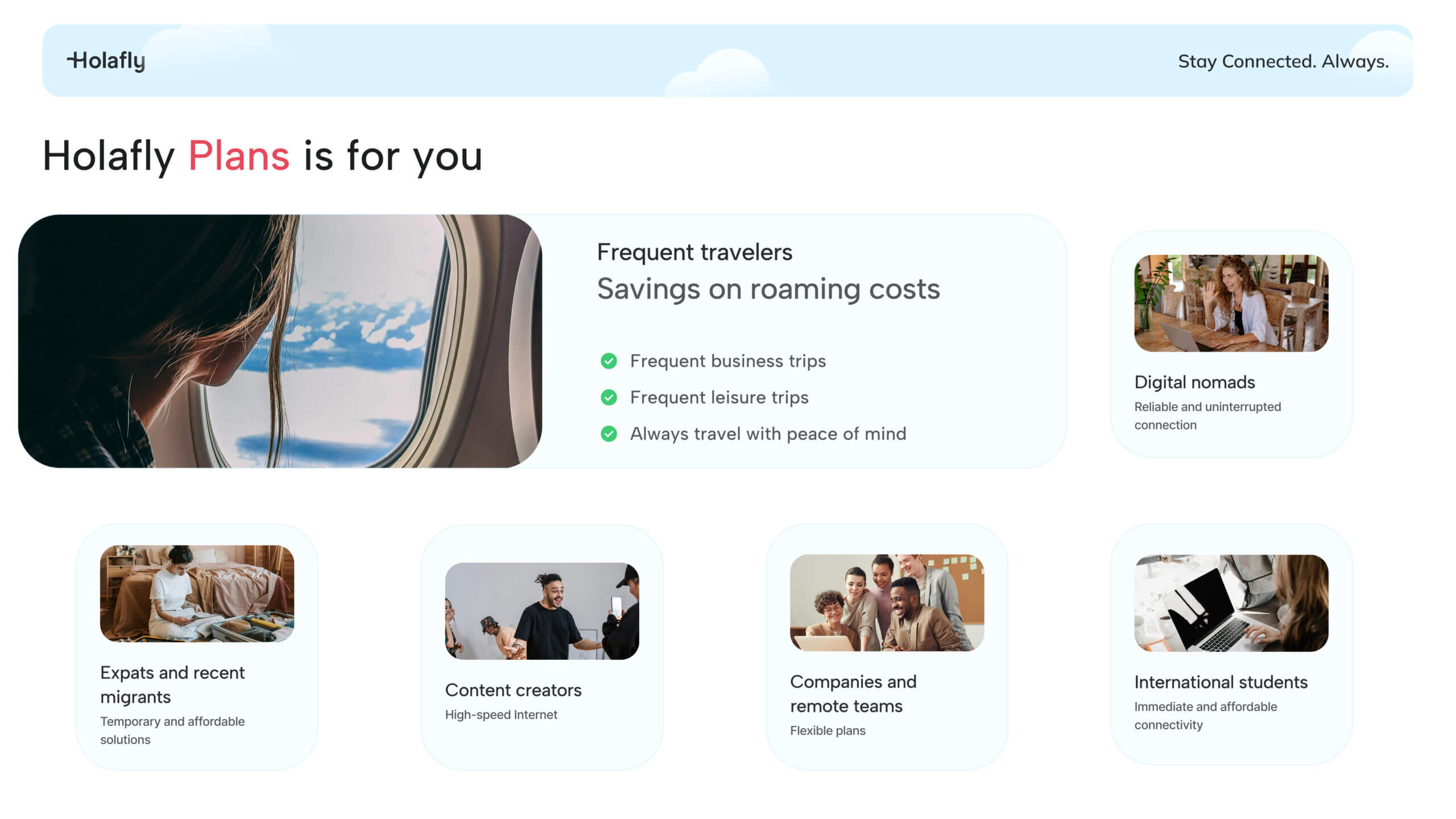
The service is specifically engineered for frequent flyers, global commuters, and remote workers who require uninterrupted, high-capacity internet access for professional duties rather than casual, temporary usage. While vacationers taking brief trips will likely find traditional single-destination packages more economical, long-term globetrotters stand to benefit significantly from the streamlined administration and cost-effectiveness of an ongoing global subscription.
Market response to the launch highlights a broader industry trend toward seamless, borderless telecommunications services. As the remote workforce continues to expand globally, products that bridge the gap between traditional domestic carriers and localized temporary SIM cards are expected to play an increasingly vital role in international travel infrastructure.