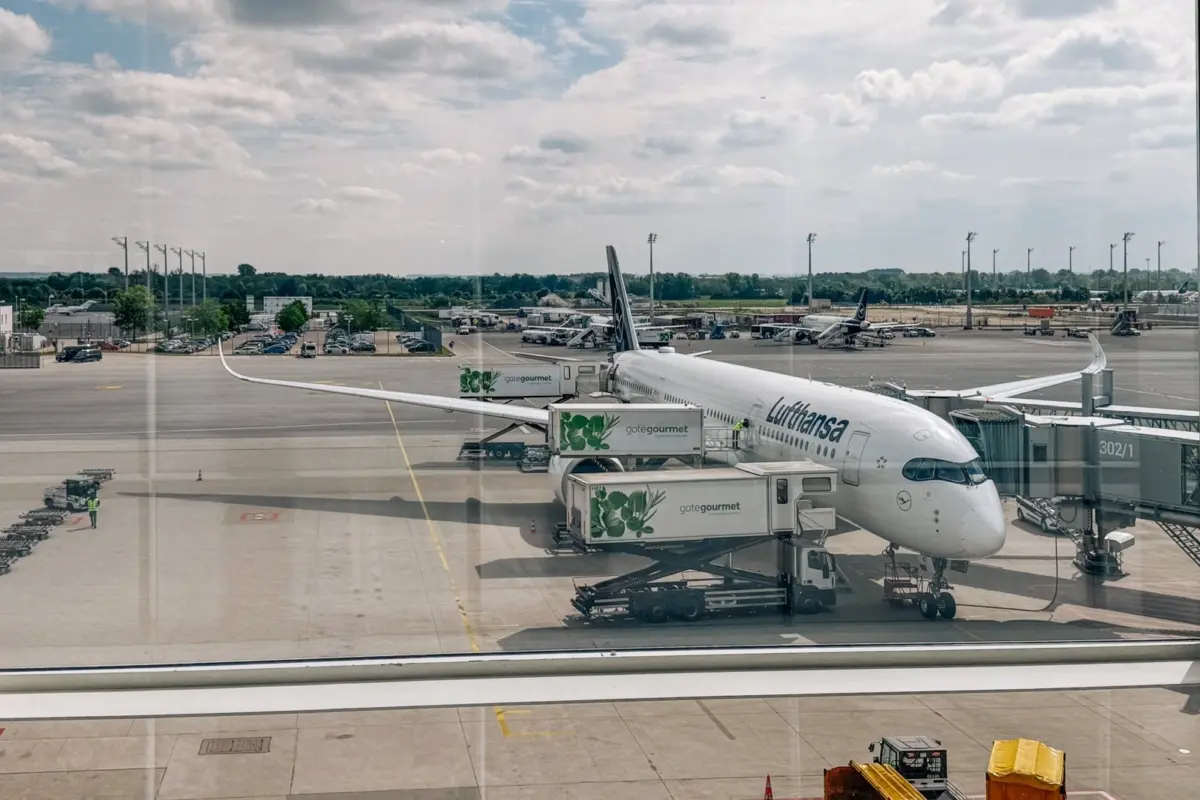
Lufthansa is officially heading to the Valley of the Sun. Beginning next August, the major Star Alliance carrier will launch brand-new, nonstop service connecting Phoenix Sky Harbor International Airport (PHX) to Munich International Airport (MUC). This milestone development marks the first time in history that the renowned German airline has offered direct commercial service to the state of Arizona, significantly expanding the southwestern U.S. hub’s international reach and providing local travelers with a seamless gateway into the heart of Bavaria.
The announcement regarding Phoenix is part of a broader transatlantic push by the airline group. It represents the second nonstop U.S. route that Lufthansa has publicly unveiled within the same week, following closely on the heels of Monday’s historic announcement introducing the very first-ever nonstop flights linking Columbus, Ohio, directly to Europe.
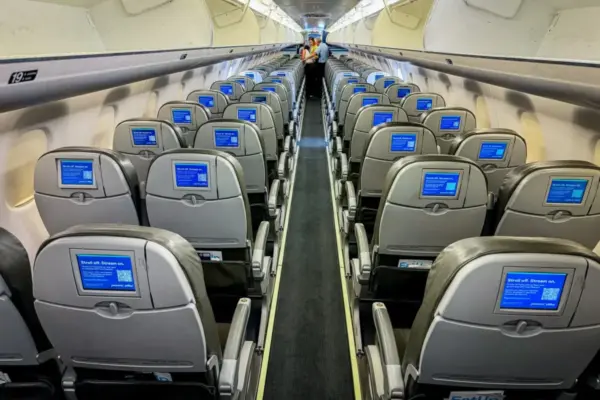
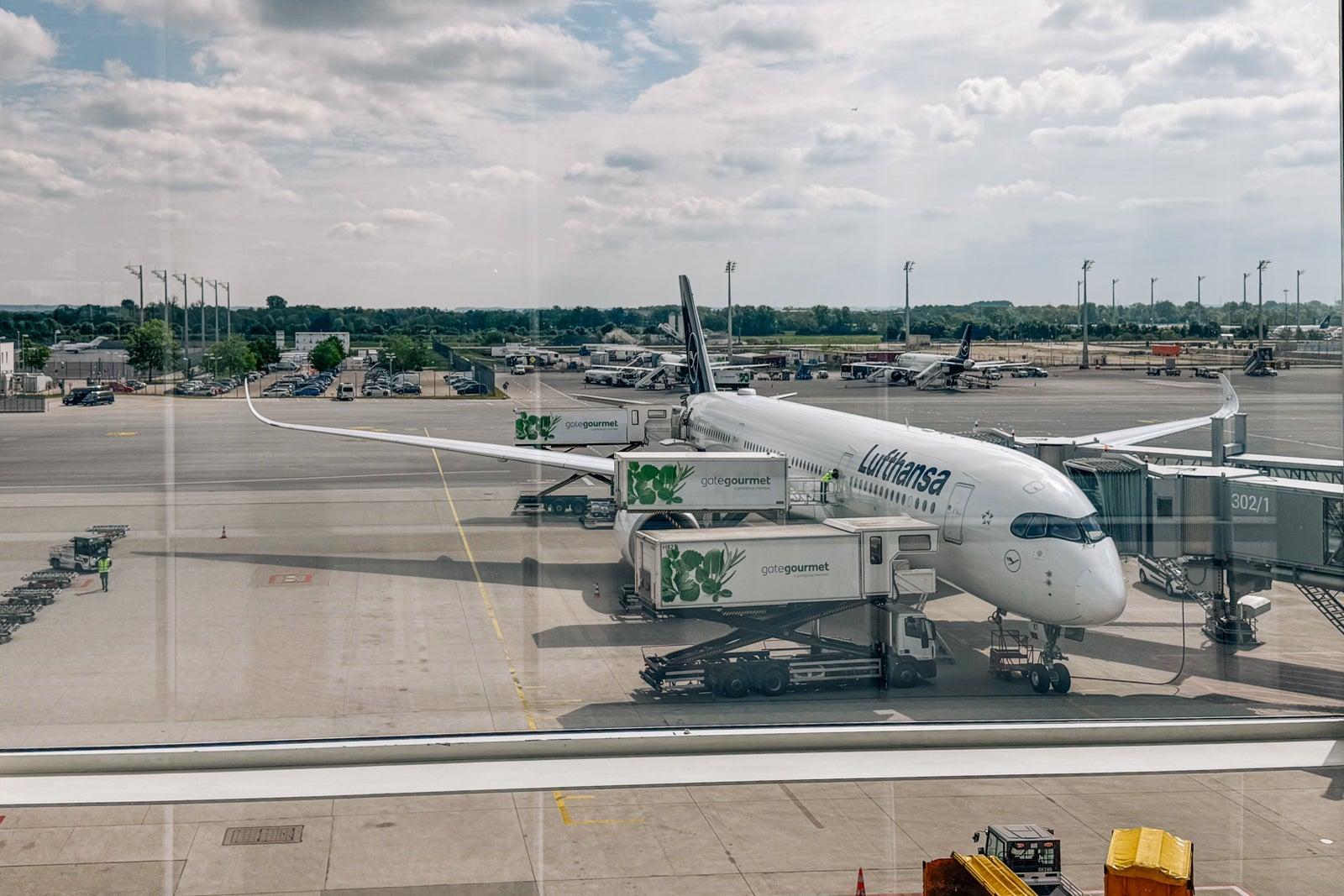
Looking at the specifics of the upcoming Munich-to-Phoenix operation, Lufthansa plans to run a frequency of three weekly flights. The service will operate on Tuesdays, Fridays, and Sundays, utilizing a modern widebody Airbus A350-900 aircraft. Operations are scheduled to officially commence on August 3, 2027. Passengers booking this long-haul journey will find an aircraft configured with 48 business class suites, 21 premium economy seats, and 224 standard economy seats. However, travelers looking to experience the carrier’s highly anticipated and much-discussed Allegris cabin refresh should note that this specific aircraft deployment will not feature the airline’s posh, new Allegris interior.
Even without the Allegris product on this initial route, the addition of Phoenix brings the Lufthansa Group’s total portfolio of direct U.S. destinations to an impressive 26 cities, cementing its extensive footprint across North American markets.

More U.S. Cities Gain Access to Europe
The decision by Lufthansa and its European peers—most notably Air France, British Airways, Iberia, and KLM—to launch and expand services into secondary and regional U.S. markets is not happening in a vacuum. Over recent years, major transatlantic carriers have systematically shifted strategic focus away from exclusive reliance on massive primary mega-hubs, choosing instead to tap into the surging demand emanating from fast-growing, mid-sized American metropolitan areas. This ongoing expansion is fueled by a combination of robust local economic growth, strong consumer demand for international travel, and strategic airline alignments.
This broader industry trend has reshaped the travel landscape for numerous American cities. Over the past several years, a wave of secondary markets has successfully gained direct transatlantic flights for the first time or re-established long-lost global connections. Communities including Minneapolis, Nashville, Pittsburgh, Raleigh-Durham, St. Louis, San Diego, and others have all welcomed new nonstop flights connecting their local airports directly to major European capitals and transit hubs.
A critical catalyst enabling this steady expansion of secondary routes is the web of close, immunized joint ventures and partnerships connecting European carriers with major U.S. airlines. These commercial alliances allow foreign and domestic carriers to coordinate schedules, share revenues, and seamlessly market flights across the Atlantic Ocean as if they were a single enterprise. For instance, Air France and KLM maintain deep operational ties with Delta Air Lines; British Airways and Iberia operate within a close Atlantic joint business alongside American Airlines; and Lufthansa maintains a robust, long-standing partnership with United Airlines.
This collaborative framework reduces financial risk for airlines testing new international markets, making it commercially viable to launch routes from cities that might otherwise lack sufficient standalone local demand. Furthermore, the major U.S. legacy carriers—American, Delta, and United—are simultaneously executing their own aggressive, multi-route expansions to Europe, signaling a fiercely competitive yet bullish outlook for transatlantic aviation heading toward 2027.
Lufthansa Shifts Seattle Route to Discover Airlines
Alongside the headline-grabbing announcements of brand-new service to Columbus and Phoenix, Lufthansa is concurrently restructuring some of its existing Pacific Northwest operations. The airline has confirmed plans to shift its current service operating out of Seattle-Tacoma International Airport (SEA) over to its leisure-focused subsidiary, Discover Airlines.
The operational transition affects Seattle’s direct routes to Munich International Airport and Frankfurt Airport. Moving forward, these flights are scheduled to be operated by a Discover Airbus A330 aircraft. Despite the operational transfer to the leisure carrier, the weekly frequency of the flights will remain entirely unchanged, ensuring that local Washington travelers maintain their existing schedule options.
However, the transition carries notable implications for frequent flyers and loyalty program members. Discover Airlines is not a member of the global Star Alliance network. Consequently, standard alliance-wide loyalty benefits and reciprocal perks are not guaranteed on Discover-operated flights. This includes potential restrictions or alterations for loyal members of Lufthansa’s close transatlantic partner, the United MileagePlus loyalty program, who may need to review specific earning and redemption rules when booking travel on the leisure subsidiary.
As network planners finalize schedules for the upcoming seasons, the inclusion of Phoenix and Columbus demonstrates that European carriers see immense untapped potential beyond the traditional coastal gateways. For passengers in Arizona, the arrival of Lufthansa next August represents a major milestone in global connectivity, turning a long-haul dream into a routine nonstop flight.