
Bilt Rewards has significantly expanded its loyalty ecosystem by introducing JetBlue Airways’ TrueBlue program as its 27th transfer partner. Hailed by the rewards program as one of the most frequently requested additions by its member base, the new partnership allows cardholders and program participants to bridge their everyday spending and rent payments directly with JetBlue’s frequent flyer currency.
Under the new arrangement, Bilt members can transfer points directly to JetBlue TrueBlue at a straightforward 1:1 ratio. The integration is accessible through the Bilt mobile application or its official website, provided users have successfully linked their TrueBlue membership account with their Bilt profile. Transfers operate in fixed increments of 1,000 points, meaning every 1,000 Bilt points converted results in exactly 1,000 TrueBlue points arriving in the traveler’s airline account.

Regarding logistical transfer requirements, standard tier rules apply. Members belonging to Bilt Blue must execute transfers of at least 2,000 points per transaction, while members holding other elevated statuses within the Bilt ecosystem can execute transfers starting at a minimum of 1,000 points. According to Bilt representatives, the technical infrastructure supports near-instantaneous processing, ensuring that points move across platforms almost immediately. This speed allows travelers to secure award seat availability in real time shortly before initiating an award flight redemption.
The timing of this announcement follows closely on the heels of similar developments across the broader transferable rewards landscape. Notably, the integration arrives less than a week after another rewards program, Rove, incorporated JetBlue TrueBlue into its own transfer portfolio. With these consecutive additions, the scope of currencies capable of feeding into JetBlue’s loyalty ecosystem has broadened, though the structural mechanics and promotional offerings among competing programs continue to vary.
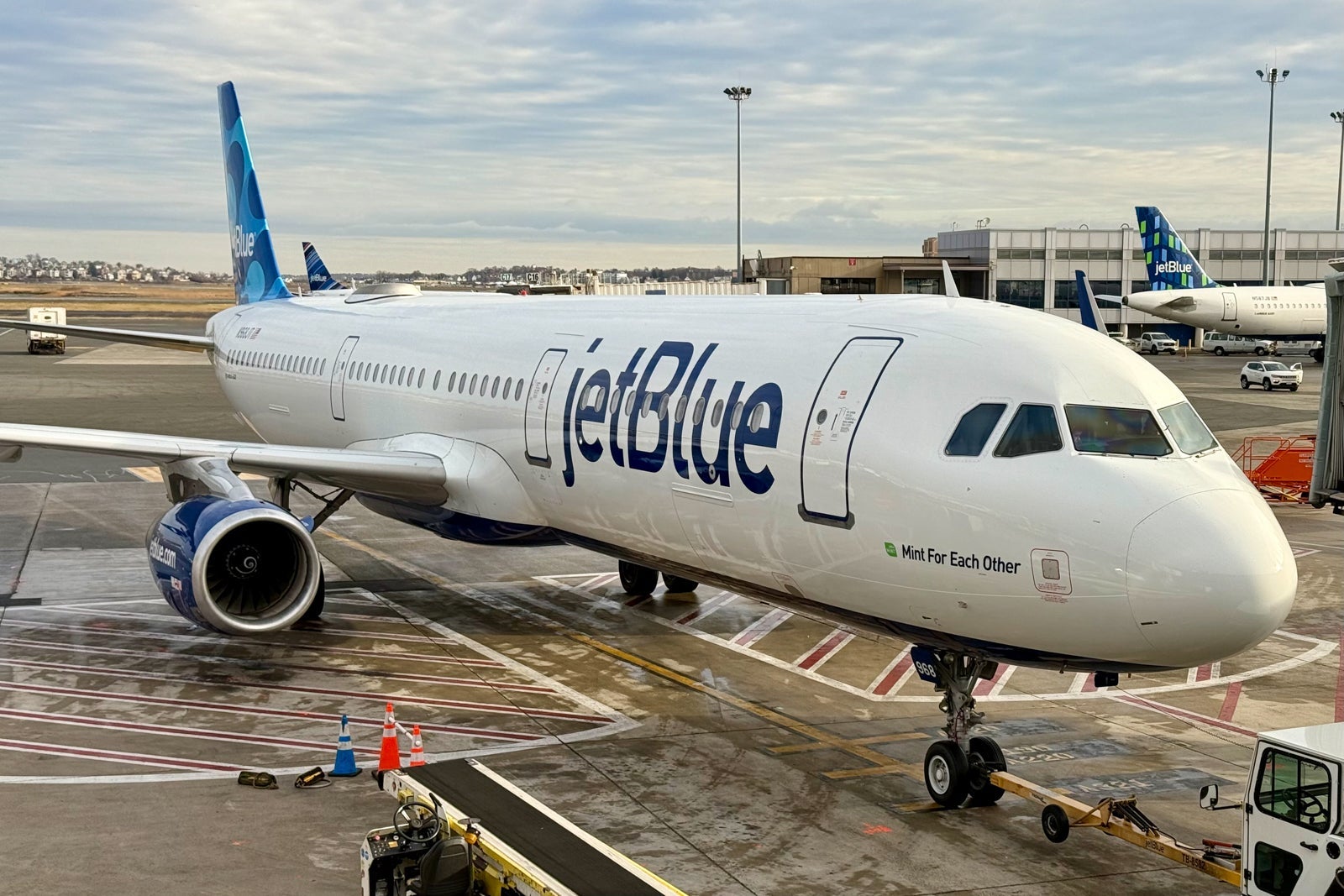
While Bilt’s permanent 1:1 transfer ratio aligns with the top standard conversion rates established by several other major transferable rewards programs in the industry, competing platforms occasionally introduce temporary promotional incentives. For instance, alternative reward structures have featured limited-time transfer bonuses reaching up to 20% on eligible movements into JetBlue TrueBlue, temporarily elevating transfer yields. Bilt, by contrast, has maintained its standard baseline ratio while hinting at potential neighborhood ecosystem integrations and promotional opportunities moving forward.
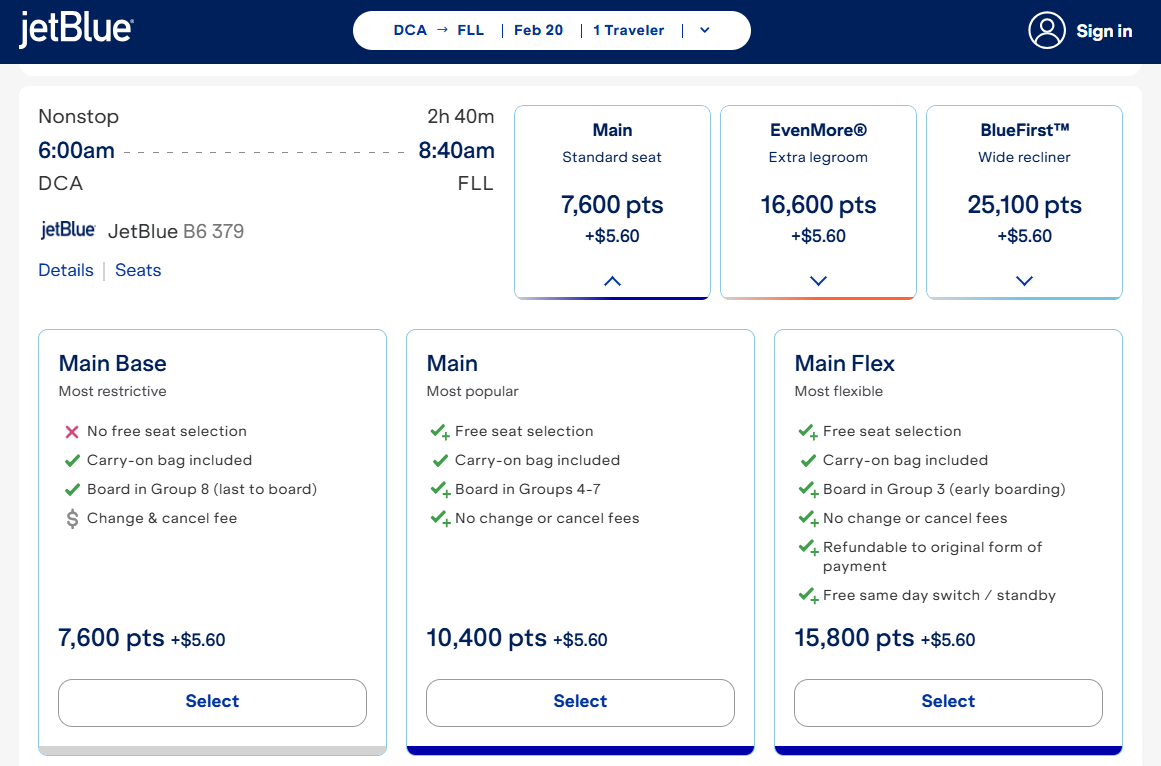
JetBlue TrueBlue operates using a dynamic award pricing architecture for flights marketed and operated by the airline itself. Members can redeem TrueBlue points across any JetBlue-operated flight, with the total quantity of points required for a specific itinerary generally tracking closely against the prevailing cash fare of the ticket. For example, a standard main cabin seat priced at a cash rate of $149 might alternatively require approximately 10,400 points plus standard government-imposed taxes and fees of $5.60. Such redemptions typically yield a value of roughly 1.38 cents per point, representing a standard benchmark for the loyalty currency.
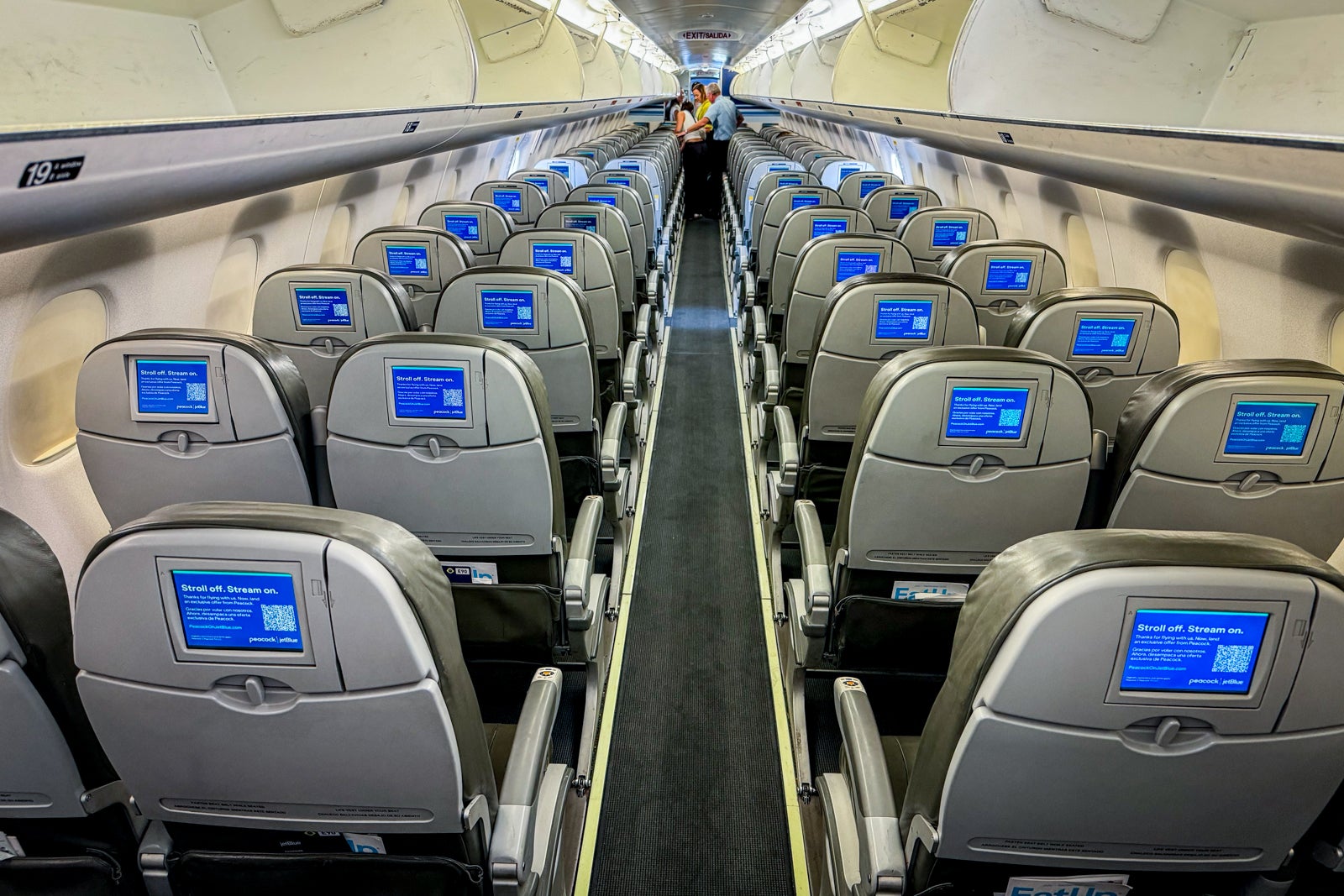
Industry valuations, however, suggest that members should carefully weigh their redemption strategies. Current baseline evaluations peg Bilt points at roughly 2.2 cents each, while JetBlue TrueBlue points are valued closer to 1.35 cents each. Consequently, transferring high-value Bilt points directly to a lower-valued airline currency may not always represent the absolute highest-yielding redemption strategy available within the Bilt ecosystem. Instead, the new transfer capability serves as a valuable tool for travelers looking to top off an existing TrueBlue balance for a specific upcoming trip, or for those seeking to leverage JetBlue points for valuable partner airline awards.
Beyond domestic and international flights operated by JetBlue, members can also deploy their TrueBlue points to book award itineraries on a select group of partner airlines. This external network includes major global carriers such as United Airlines, Qatar Airways, and Etihad Airways. Unlike redemptions on JetBlue’s own metal, award pricing for these partner flights does not strictly mirror the underlying cash cost of the ticket. Furthermore, because JetBlue does not publish a standardized award chart for partner airline redemptions, members must manually search specific origin and destination city pairs via the airline’s booking portal to determine live availability and exact point pricing.
The introduction of JetBlue to the Bilt platform is expected to be just the beginning of a broader collaboration between the two companies. A Bilt spokesperson indicated that the rewards program is looking forward to expanding its relationship with TrueBlue and JetBlue within the broader Bilt neighborhood ecosystem over the coming months. Industry analysts suggest that this ongoing collaboration could pave the way for future promotional events, such as specialized Rent Day transfer bonuses or potential elite status matching challenges for qualifying members.
Ultimately, the addition of JetBlue TrueBlue gives Bilt participants another flexible outlet for their accumulated points, matching the most competitive standard transfer ratios found across the industry. While valuation metrics advise caution when converting higher-valued Bilt currency into a dynamically priced airline program, the partnership provides a seamless mechanism for bridging housing payments and everyday expenditures with commercial aviation rewards.